What ICC’s new post-pregnancy rules mean for women cricketers
ICC Introduces New Policy for Female Cricketers: Return to Play Post-Pregnancy
In a groundbreaking move, the International Cricket Council (ICC), under the leadership of Jay Shah, has implemented a new policy that allows women to return to elite cricket after childbirth. This initiative, known as ‘Return to Play Post-Pregnancy’, is designed exclusively for female cricketers who are full members of the Council.
The Aim of the Policy
The main goal of the policy is to provide a safe and sustainable framework for female cricketers to resume their careers after taking a break due to pregnancy. The ICC has outlined a comprehensive 6 Rs framework in their guidelines, which includes Ready, Review, Restore, Recondition, Return, and Refine. This approach covers various aspects such as early recovery after childbirth, medical assessments, gradual return to training, cricket-specific conditioning, and ongoing monitoring once the player is back in the cricket environment.
Dr. Philippa Inge, a member of the ICC Medical Advisory Committee and the Australia Team Doctor, was responsible for designing the module to support female cricketers throughout their pregnancy and into early childcare.
Support for Female Cricketers
The ICC’s Return to Play Post-Pregnancy Guidelines aim to show players that having a baby does not have to mean the end of their cricket career. The policy is designed to allow Member nations to facilitate the return to cricket for their players in a supportive and individualized manner.
Dr. Inge emphasized the importance of adapting the guidelines to the unique needs of each player and their family. The ICC aims to provide strong support for female cricketers returning to the sport after pregnancy, ensuring that motherhood and elite cricket are not mutually exclusive.
Enhancing Women’s Cricket
The introduction of the Return to Play Post-Pregnancy policy by the ICC reflects the Council’s commitment to enhancing women’s cricket globally. The policy is a significant step towards creating environments that support female cricketers at every stage of their careers.
A spokesperson for the Council highlighted the importance of providing clear, practical, and player-centered guidance to help Member Boards support informed choices, protect player welfare, and retain top talent in the game.
It is worth noting that this new policy was introduced during the ongoing Women’s T20 World Cup, demonstrating the ICC’s dedication to supporting women’s cricket in the future.
Overall, the Return to Play Post-Pregnancy initiative by the ICC is a positive step towards promoting gender equality and supporting female cricketers in balancing motherhood with their professional careers.
Challenges Faced by Female Cricketers
Female cricketers often face unique challenges in their careers, especially when it comes to balancing motherhood and professional sports. The physical demands of cricket can make it difficult for women to return to the game after pregnancy. The ICC’s new policy acknowledges these challenges and provides a structured framework to support female players through this transition.
Many female cricketers have expressed concerns about the impact of pregnancy on their careers. The fear of losing their spot in the team or not being able to regain their previous level of performance can create additional stress and uncertainty. By introducing the Return to Play Post-Pregnancy policy, the ICC is addressing these concerns and reassuring female cricketers that they have the support they need to continue playing at the elite level.
Empowering Female Athletes
Empowering female athletes to pursue their sporting dreams while also embracing motherhood is crucial for gender equality in sports. By implementing this policy, the ICC is sending a clear message that women should not have to choose between their family and their career. This empowerment can have a ripple effect, inspiring other women to pursue their passions and break barriers in traditionally male-dominated fields.
Providing female cricketers with the resources and support they need to navigate the challenges of pregnancy and motherhood can lead to a more inclusive and diverse cricketing community. It can also help to change the narrative around women in sports, showcasing their resilience, determination, and commitment to their craft.
Future Impact of the Policy
The implementation of the Return to Play Post-Pregnancy policy by the ICC is likely to have a lasting impact on the world of women’s cricket. By creating a supportive environment for female cricketers to return to the game after pregnancy, the ICC is setting a precedent for other sports organizations to follow suit.
As more female athletes feel empowered to continue their careers after having children, we can expect to see a shift in the overall culture of sports. Women will no longer feel pressured to choose between their personal lives and their professional aspirations, leading to a more diverse and inclusive sporting landscape.
Conclusion
In conclusion, the ICC’s introduction of the Return to Play Post-Pregnancy policy is a significant moment for women’s cricket. By prioritizing the well-being and career progression of female cricketers, the ICC is paving the way for a more equitable and supportive sporting environment. This policy not only benefits individual players but also contributes to the overall growth and development of women’s cricket on a global scale.
As we look towards the future, it is essential for sports organizations to continue championing policies that empower female athletes and break down barriers to their success. The Return to Play Post-Pregnancy initiative is a step in the right direction, signaling a positive change in the world of women’s sports.
Latest News
Top 10 highest run-chases in T20 cricket history, ft. West Indies’ Ranchi win vs India
Aaryavir Sehwag and Anvay Dravid set to make headlines at U19 Asia Cup 2026
Longest ducks in Test cricket history ft. Nic Maddinson, Shoaib Akhtar
ECB to offer 39 central contracts to England players after Ben Stokes, Mark Wood’s retirement
Steve Smith surpasses Steve Waugh in all-time Test run-scorers’ list

Shane Watson identifies Gautam Gambhir’s biggest problem as India struggle for consistency
Is Bhuvneshwar Kumar in India’s 2027 World Cup plans? Ajinkya Rahane makes revelation
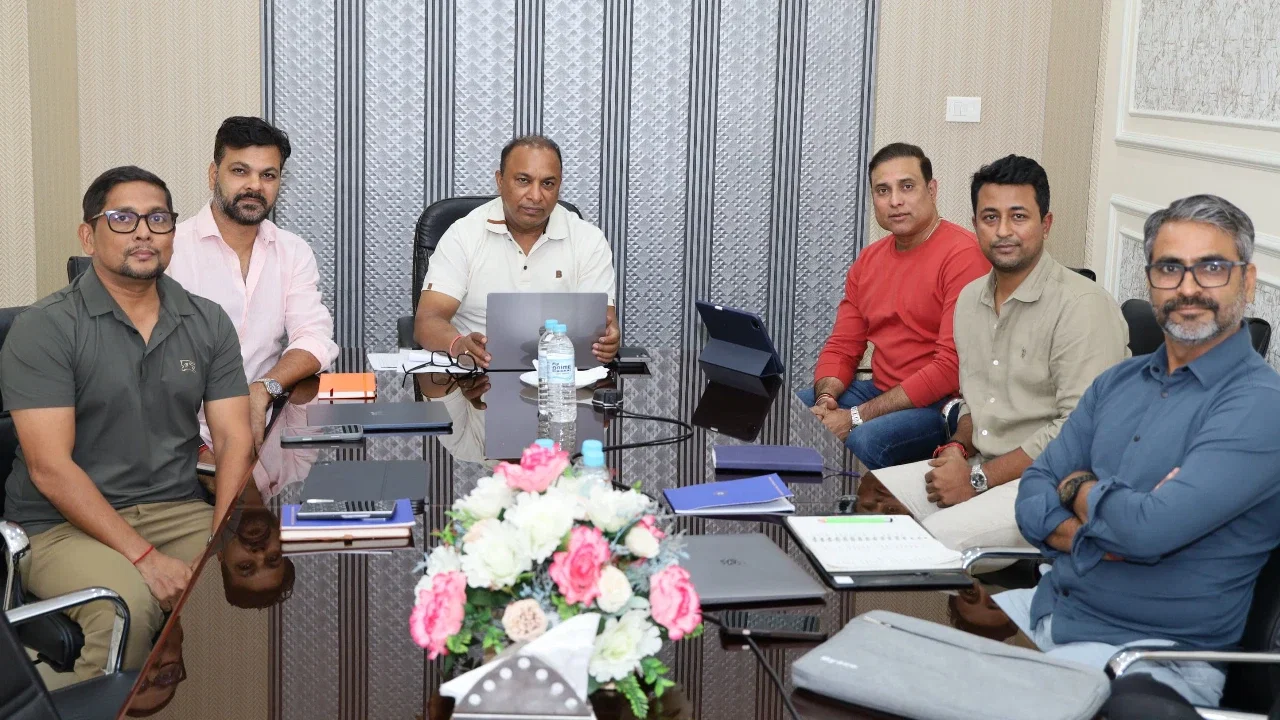
BCCI’s big ₹127 Crore move after injury crisis raises concerns over Team India

Parthiv Patel reveals RCB ignored his Jasprit Bumrah recommendation in IPL 2014 Auction
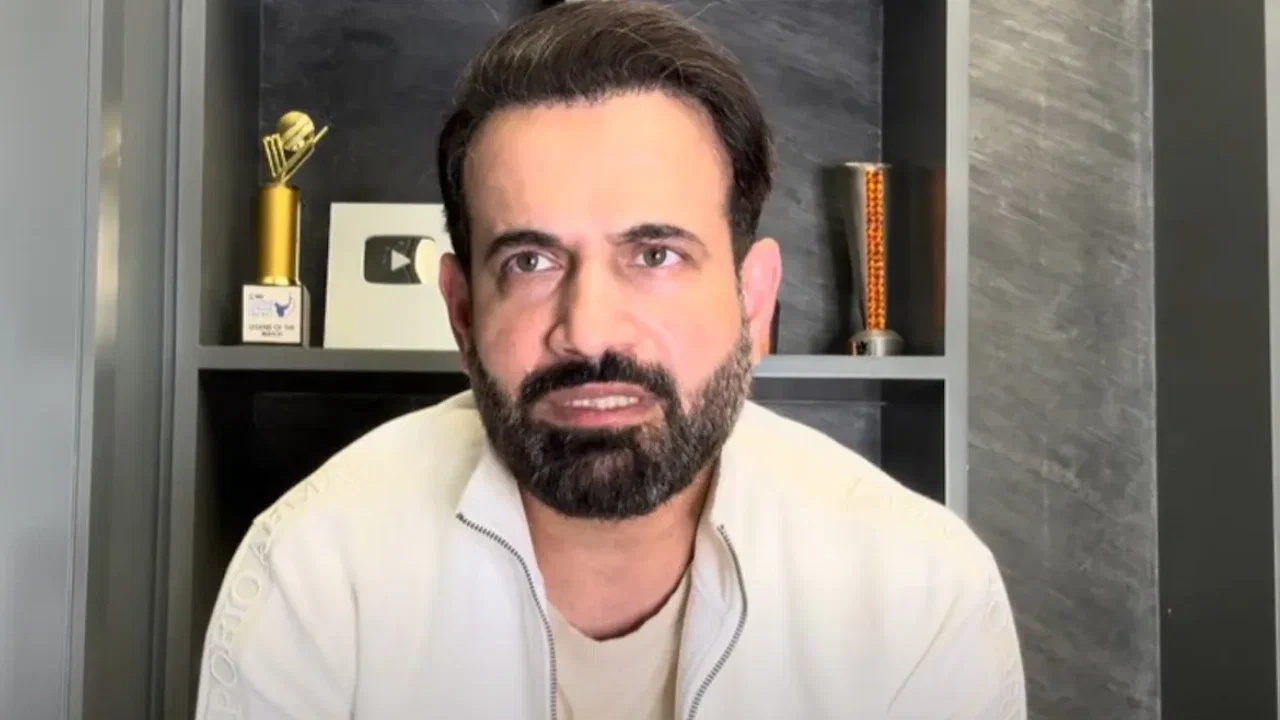
“Never spoke ill of any faith”: Irfan Pathan hits back at fake news using his name
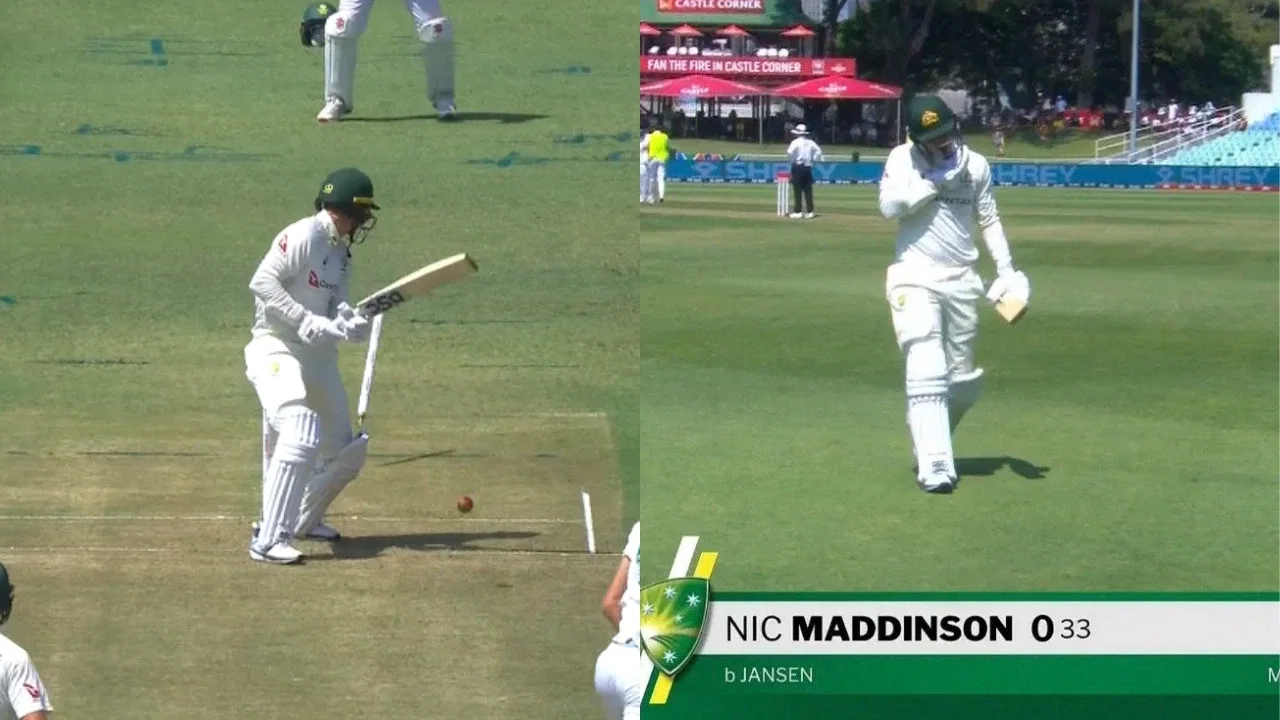
Nic Maddinson bags 33-ball duck on Test comeback, disappoints George Bailey
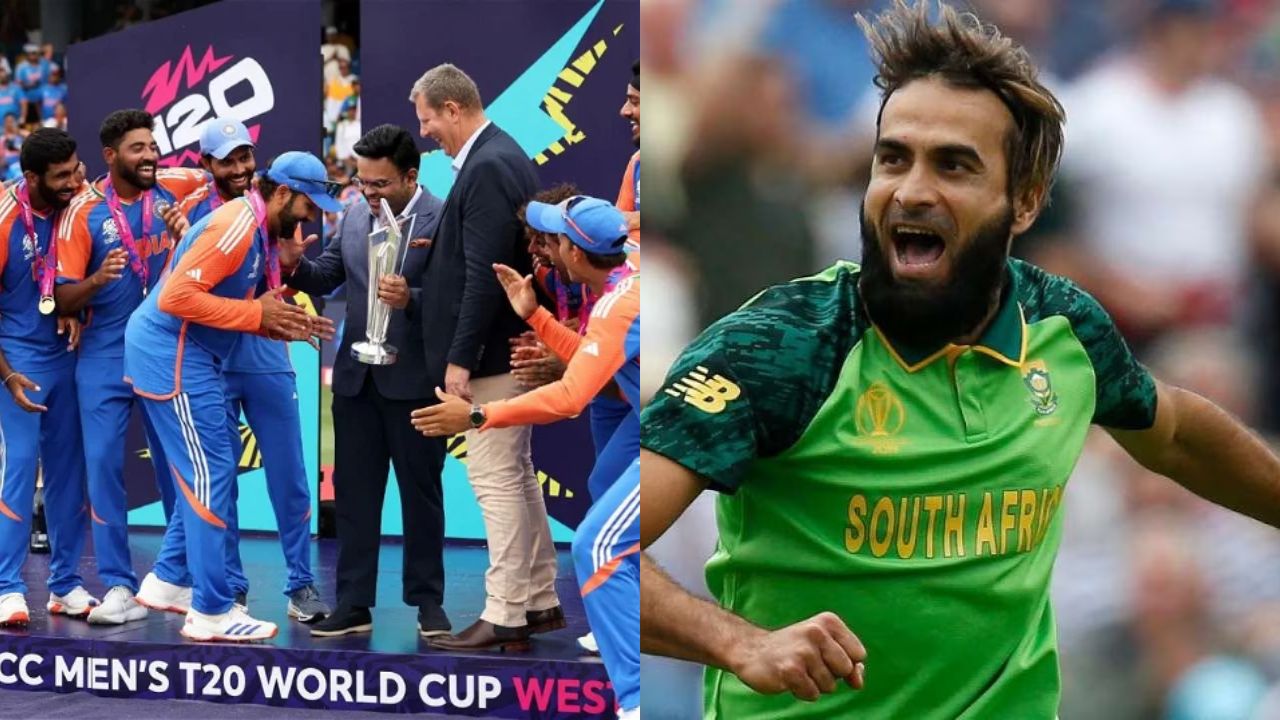
Imran Tahir predicts 2027 ICC ODI World Cup Semi-Finalists, snubs India for title
Australia create unwanted history with first all-30-plus Test XI
Ravindra Jadeja returns to Ranji Trophy as Saurashtra announce squad