Why Shubman Gill, Sanju Samson lost out in T20Is under Gautam Gambhir
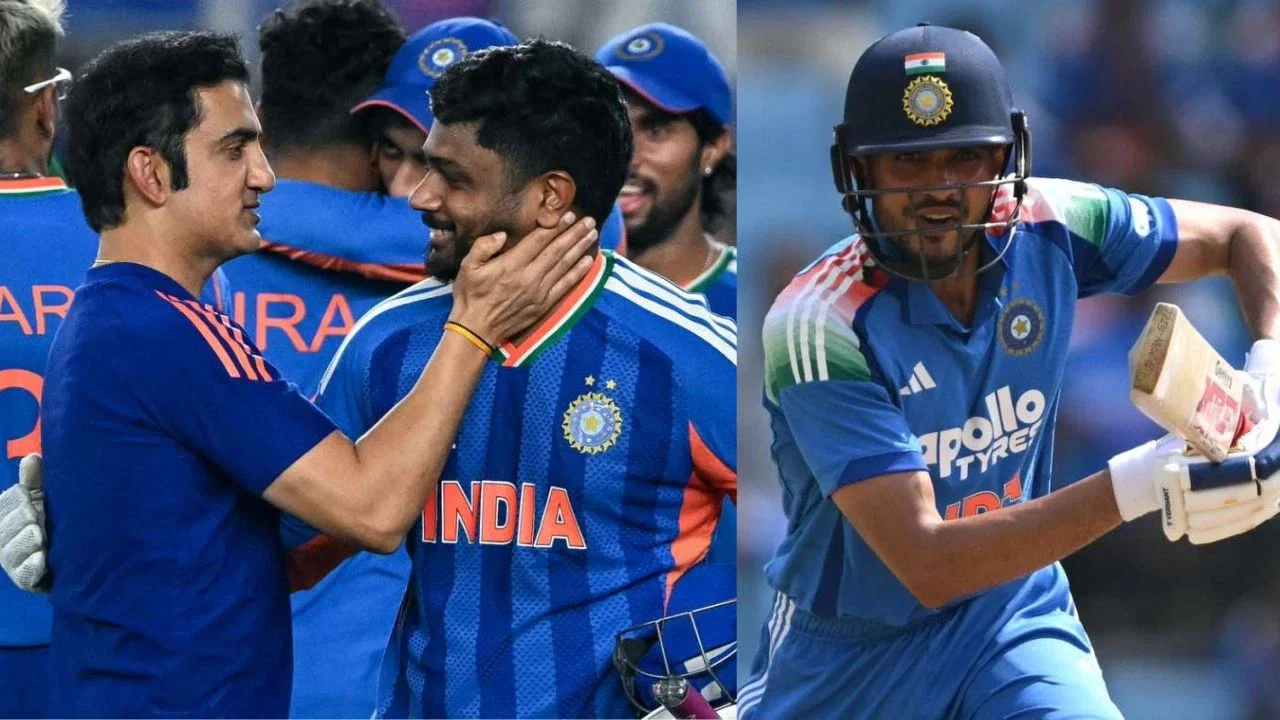
Gautam Gambhir’s Influence on India’s T20I Selection Decisions
A recent report by CricBlogger has shed light on Gautam Gambhir’s significant influence on key selection decisions involving India’s T20I side. Beyond his coaching duties, Gambhir’s views have reportedly played a crucial role in shaping the team’s composition.
Shubman Gill’s Omission from T20I Plans
One of the most noteworthy revelations in the report is regarding Shubman Gill’s exclusion from India’s T20I plans ahead of the T20 World Cup. Sources cited by CricBlogger suggest that Gambhir did not strongly support Gill’s case during selection discussions, leading to his omission despite being a promising talent in Indian cricket.
Gill, who was considered a long-term prospect for India across formats, found himself left out as the management focused on specific roles rather than reputation alone. While the report does not directly accuse Gambhir of pushing Gill out, it implies that his preferences carried significant weight in the selection process.
The Vaibhav Sooryavanshi and Sanju Samson Debate
Another key decision linked to Gambhir was the selection dilemma between Vaibhav Sooryavanshi and Sanju Samson. Despite Samson’s crucial role in India’s T20 World Cup victory, Gambhir favored giving an opportunity to the teenage batting sensation, Sooryavanshi, who had been performing exceptionally well in the IPL and age-group cricket.
This decision posed a challenge for the management, as they had to choose between an established performer like Samson and a young talent like Sooryavanshi. Ultimately, Gambhir’s backing of Sooryavanshi prevailed, highlighting a shift towards developing future prospects over relying solely on past achievements.
The Omission of Sanju Samson
The swift exclusion of Sanju Samson from the team after a few poor performances raised eyebrows within the cricketing community. Despite his recent success in the T20 World Cup, Samson was dropped in favor of newer prospects, prompting questions about the selection criteria employed by Gambhir and the management.
Samson’s disappointment with the decision was evident, especially considering that Sooryavanshi, who had not featured in the Ireland series before the England tour, was preferred over him. The situation highlighted the management’s emphasis on planning for the future and nurturing young talent.
Gautam Gambhir’s Selection Philosophy
The reported decisions surrounding Gill, Samson, and Sooryavanshi offer insights into Gambhir’s selection philosophy, which prioritizes competition, role clarity, and long-term planning over reputation-based selections. Despite the controversies and criticisms, Gambhir’s approach reflects a willingness to make tough calls for the betterment of the team’s future.
If the claims in the report hold true, it indicates that India’s management is willing to make bold decisions even if they involve sidelining established players in favor of emerging talents. The evolving approach to selection under Gambhir’s influence signals a strategic shift towards building a competitive and dynamic T20I side for the future.
Impact of Gambhir’s Selection Decisions on Team Dynamics
Gautam Gambhir’s role in shaping India’s T20I team through his selection decisions goes beyond individual player choices. These decisions can have a significant impact on team dynamics, morale, and overall performance. By prioritizing young talents like Sooryavanshi over established players like Samson, Gambhir is signaling a shift towards a more competitive and forward-thinking approach.
While some may argue that experience is crucial in high-pressure tournaments like the T20 World Cup, Gambhir’s emphasis on nurturing young talent indicates a long-term vision for the team’s success. By providing opportunities to emerging players, Gambhir is not only building a strong bench strength but also fostering a culture of healthy competition within the squad.
Furthermore, Gambhir’s selection philosophy can also influence the team’s chemistry and cohesion on the field. Players who feel valued and supported by the management are likely to perform better and contribute positively to the team’s overall performance. By backing young talents and encouraging healthy competition, Gambhir is creating an environment where every player has the opportunity to prove themselves and excel.
Strategic Planning for Future Success
As the T20 format continues to evolve and become more competitive, strategic planning and foresight are essential for sustained success. Gambhir’s selection decisions reflect a strategic approach to building a team that can adapt to the changing demands of T20 cricket. By focusing on specific roles, competition, and long-term development, Gambhir is laying the foundation for a dynamic and competitive T20I side.
In today’s fast-paced cricketing landscape, teams must constantly evolve and innovate to stay ahead of the competition. Gambhir’s influence on India’s T20I selection decisions suggests a proactive mindset geared towards future success. By looking beyond short-term gains and prioritizing long-term planning, Gambhir is positioning India for sustained success in T20 cricket.
Embracing Change and Evolution in Selection Process
Gambhir’s reported influence on India’s T20I selection decisions exemplifies a willingness to embrace change and evolution in the selection process. While traditional selection criteria based on reputation and past performance have their merits, Gambhir’s approach emphasizes adaptability, flexibility, and a keen eye for emerging talent.
By challenging conventional norms and making bold decisions, Gambhir is steering India’s T20I team towards a more agile and competitive future. The cricketing landscape is constantly evolving, and Gambhir’s influence indicates a readiness to adapt to new challenges and opportunities in the world of T20 cricket.
In conclusion, Gautam Gambhir’s influence on India’s T20I selection decisions extends beyond individual player choices to encompass team dynamics, strategic planning, and a willingness to embrace change. His emphasis on nurturing young talent, fostering healthy competition, and prioritizing long-term success reflects a visionary approach to building a dynamic and competitive T20I side for the future.
Latest News
Top 10 highest run-chases in T20 cricket history, ft. West Indies’ Ranchi win vs India
Aaryavir Sehwag and Anvay Dravid set to make headlines at U19 Asia Cup 2026
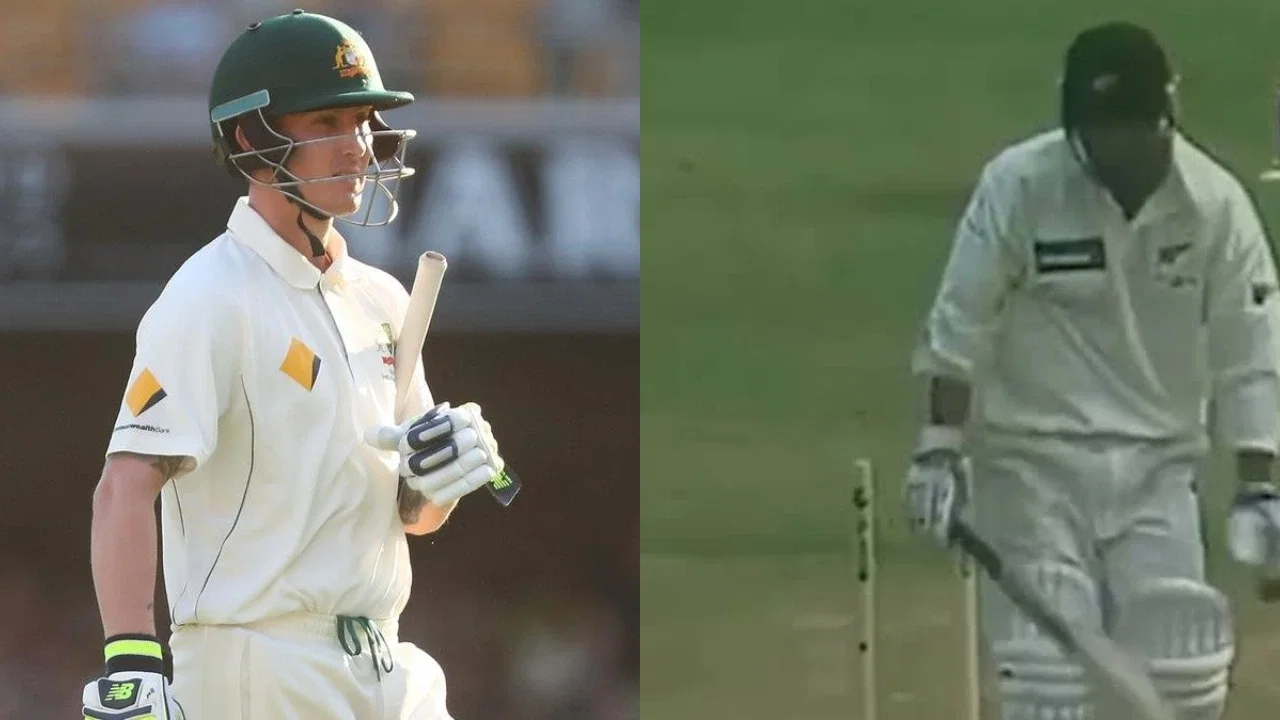
Longest ducks in Test cricket history ft. Nic Maddinson, Shoaib Akhtar
ECB to offer 39 central contracts to England players after Ben Stokes, Mark Wood’s retirement
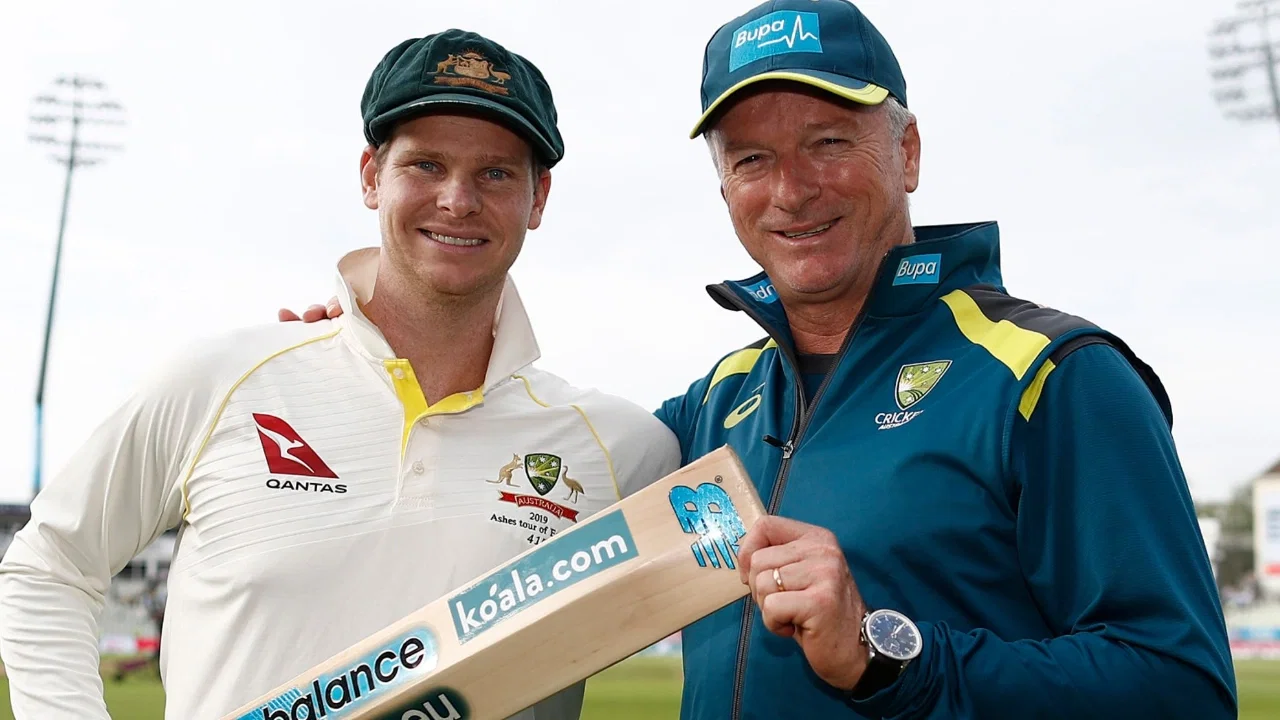
Steve Smith surpasses Steve Waugh in all-time Test run-scorers’ list

Shane Watson identifies Gautam Gambhir’s biggest problem as India struggle for consistency
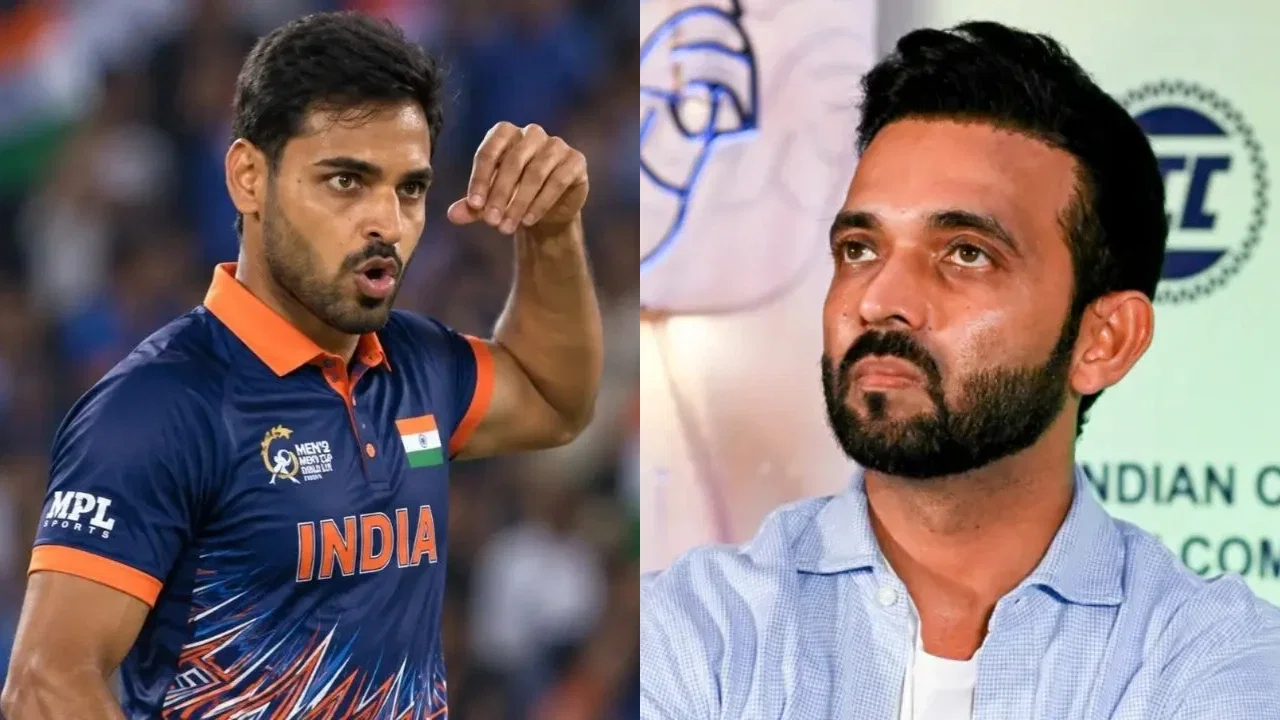
Is Bhuvneshwar Kumar in India’s 2027 World Cup plans? Ajinkya Rahane makes revelation
BCCI’s big ₹127 Crore move after injury crisis raises concerns over Team India
Parthiv Patel reveals RCB ignored his Jasprit Bumrah recommendation in IPL 2014 Auction
“Never spoke ill of any faith”: Irfan Pathan hits back at fake news using his name
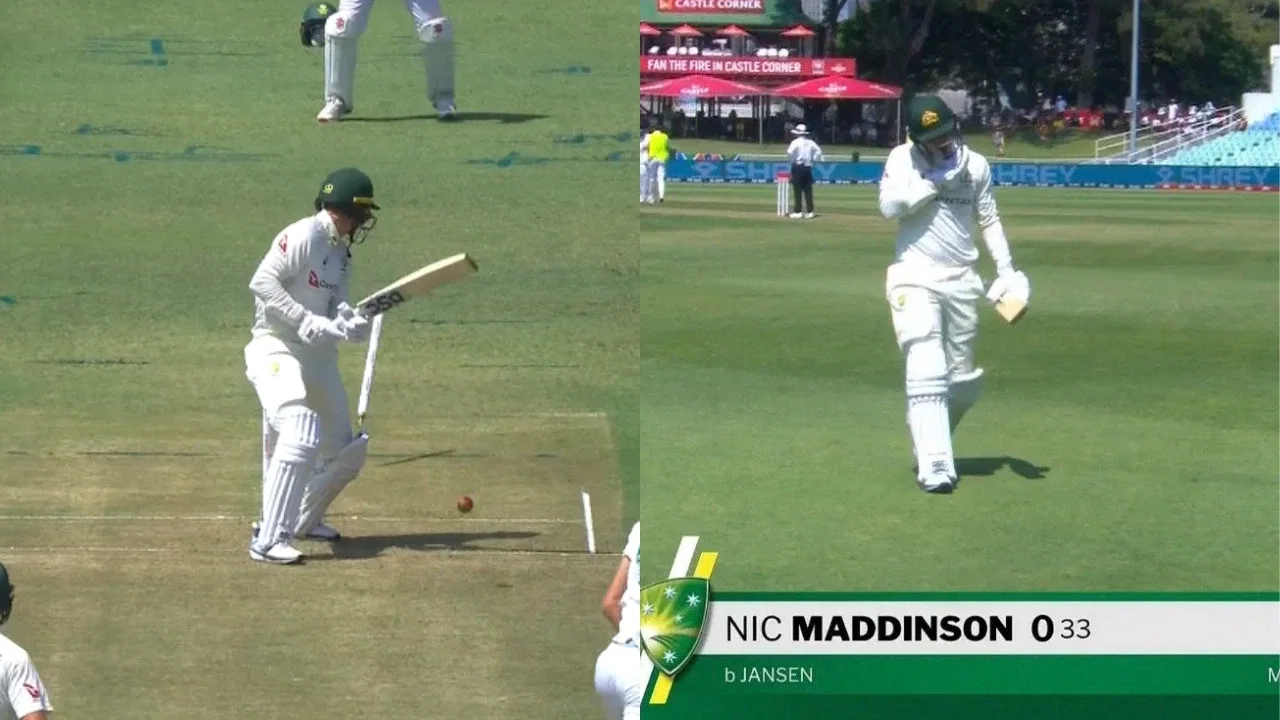
Nic Maddinson bags 33-ball duck on Test comeback, disappoints George Bailey
Imran Tahir predicts 2027 ICC ODI World Cup Semi-Finalists, snubs India for title
Australia create unwanted history with first all-30-plus Test XI
Ravindra Jadeja returns to Ranji Trophy as Saurashtra announce squad