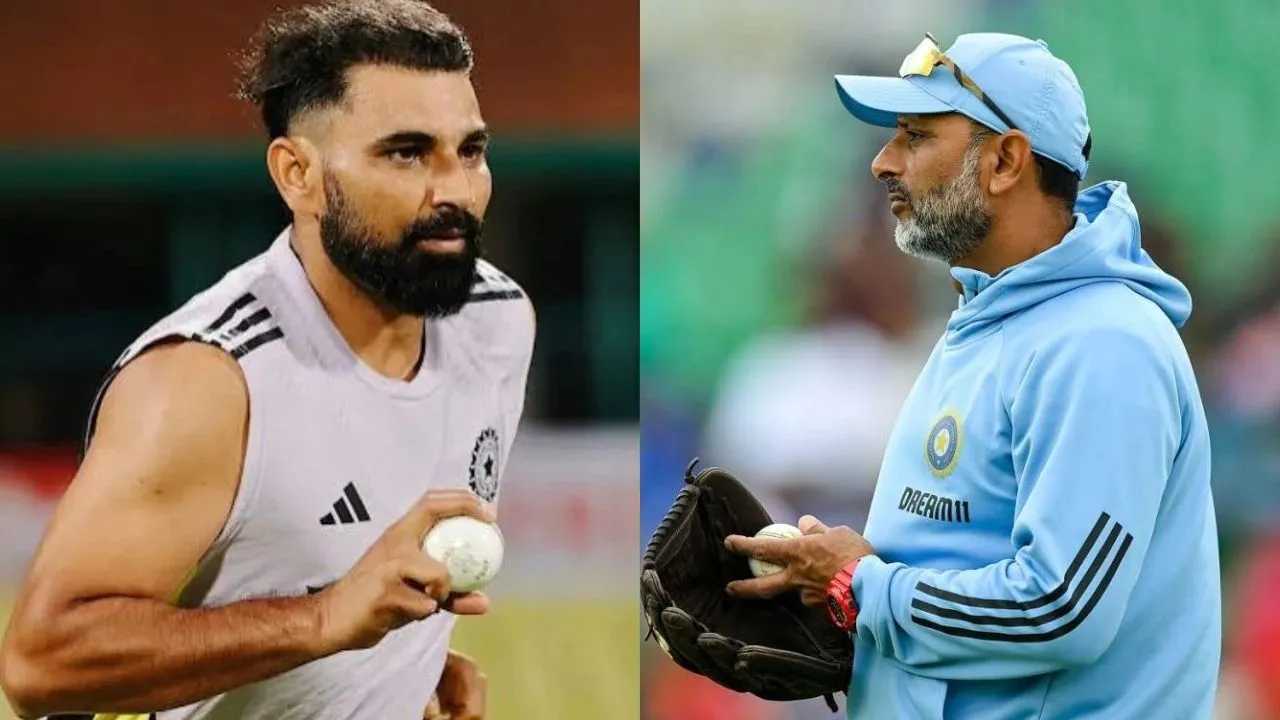
Yuvraj Singh gets Delhi High Court relief in personality rights case
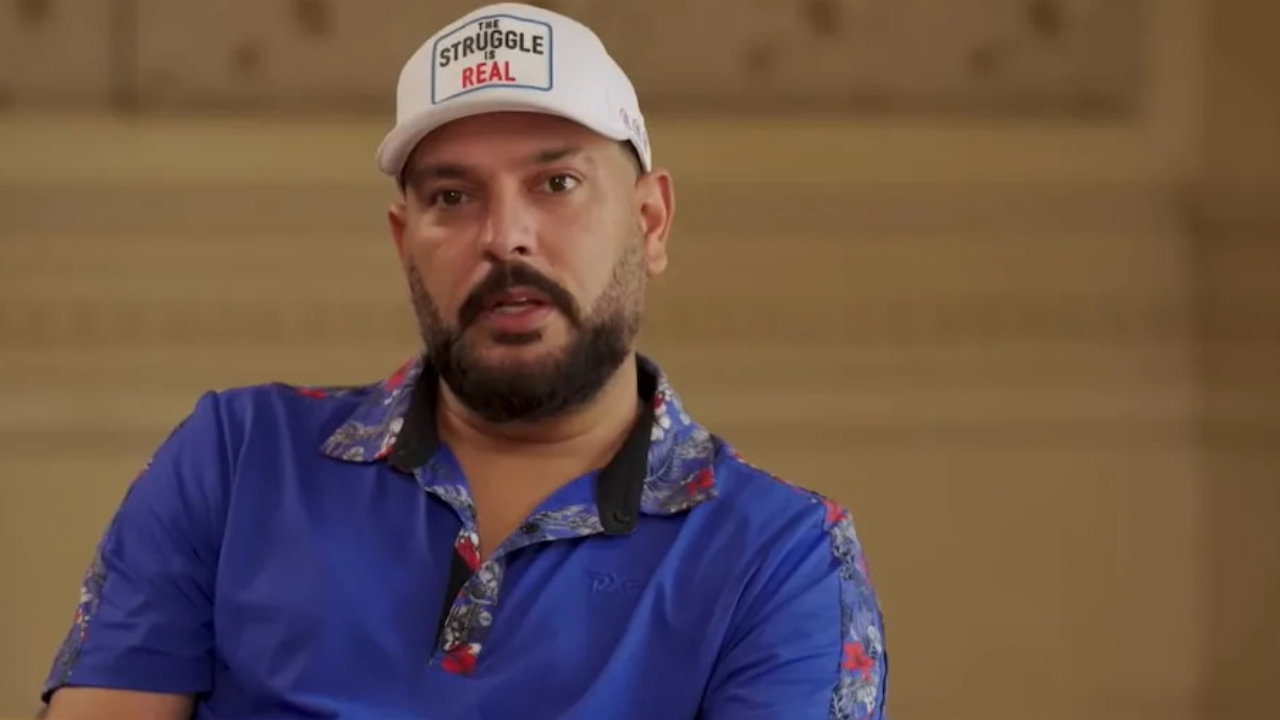
Former Indian Cricketer Yuvraj Singh Receives Legal Protection for Personality Rights
Former Indian national cricket team player Yuvraj Singh has recently secured interim relief from the Delhi High Court, which has granted him protection for his image and other personality rights. The court has issued an order restraining third parties from using any unauthorized images, names, voices, or any related content of Yuvraj Singh for commercial or personal gain, including social media posts on various online platforms.
A Legal Victory for Yuvraj Singh
Yuvraj Singh, a legendary cricketer who represented India for 17 years across all formats, sought assistance from the Delhi High Court to safeguard his personality rights. The court’s interim order aims to provide him with some relief amidst the prevalence of misleading content on social media platforms and the rise of artificial intelligence technologies.
Justice Jyoti Singh, in the interim order, emphasized the importance of protecting Yuvraj Singh’s personality rights due to his global stature and the potential harm that misleading or false content could cause to his reputation and goodwill. The court stated that Yuvraj Singh inherently possesses proprietary rights over his personality and associated attributes, granting him exclusive rights to use them for commercial purposes and protecting them from unauthorized exploitation by third parties.
Precedents in Protecting Personality Rights
Yuvraj Singh is not the first public figure to seek legal protection for his personality rights. Other notable personalities such as Aishwarya Rai Bachchan, Abhishek Bachchan, Salman Khan, Sri Sri Ravi Shankar, Sudhir Chaudhary, Raj Shamani, Pawan Kalyan, and Abhishek Sharma have previously taken legal action to safeguard their image and reputation.
Yuvraj Singh alleged that his personality attributes were misused for commercial purposes and portrayed inaccurately in various social media posts. The court’s interim order also mandates the removal of all misleading content across social media platforms, including those owned by Meta, to prevent any further damage to Yuvraj Singh’s reputation.
Consequences for Violating the Court Order
The Delhi High Court has warned that any violation of the order will result in serious consequences, as the protection of privacy rights needs to be enforced rigorously. The court emphasized the importance of upholding the rights of individuals like Yuvraj Singh to control the use of their personal attributes and prevent unauthorized exploitation for personal or commercial gain.
In conclusion, Yuvraj Singh’s legal victory in securing interim relief for his personality rights sets a significant precedent for the protection of public figures from misleading and unauthorized use of their images and likeness. The court’s decision reinforces the importance of respecting individuals’ rights to control their personal attributes and safeguard their reputation in the digital age.
Importance of Protecting Personality Rights in the Digital Age
In today’s digital era, the protection of personality rights is paramount for public figures like Yuvraj Singh. With the widespread use of social media and the rapid dissemination of information online, the risk of false or misleading content damaging an individual’s reputation has increased significantly. By securing legal protection for his image and likeness, Yuvraj Singh has taken a proactive step to safeguard his personal brand and ensure that his identity is not exploited for unauthorized purposes.
Furthermore, the rise of deepfake technology and AI-generated content poses new challenges for individuals seeking to protect their personality rights. Deepfake videos and images can be used to create highly convincing but entirely fabricated content, leading to potential reputational harm for public figures. By obtaining legal relief from the Delhi High Court, Yuvraj Singh has also signaled a broader need for regulatory measures to address the emerging threats posed by advanced technology in the digital landscape.
Impact on Future Cases and Legal Precedents
Yuvraj Singh’s successful legal battle for personality rights sets a significant precedent that may influence future cases involving the unauthorized use of public figures’ images and likeness. The Delhi High Court’s ruling underscores the importance of upholding individuals’ rights to control their personal attributes and the potential consequences for those who violate these rights. This decision may encourage other celebrities and prominent personalities to assert their rights more assertively and seek legal recourse against any unauthorized use or misrepresentation.
Moreover, the legal protection granted to Yuvraj Singh establishes a framework for determining the boundaries of permissible use of a public figure’s image and other personality rights. By clarifying the extent to which individuals can exercise control over their likeness and reputation, this case contributes to the development of robust legal standards that balance freedom of expression with the protection of individual rights in the digital age.
Promoting Ethical Practices in Media and Advertising
Yuvraj Singh’s legal victory also has broader implications for promoting ethical practices in media and advertising. By holding third parties accountable for using his image without authorization, the court’s decision sends a clear message that deceptive or misleading practices will not be tolerated. This ruling may serve as a deterrent to those who seek to exploit public figures for personal or commercial gain, encouraging greater transparency and accountability in how celebrities are portrayed and marketed.
Ultimately, Yuvraj Singh’s pursuit of legal protection for his personality rights reflects a growing awareness of the importance of safeguarding one’s identity and reputation in an increasingly digitized world. As individuals continue to navigate the complexities of online communication and content creation, the need for robust legal mechanisms to protect against misuse and misrepresentation remains paramount. Yuvraj Singh’s case exemplifies the ongoing struggle to balance the rights of public figures with the challenges posed by evolving technologies and digital platforms.
By expanding on the legal, ethical, and technological implications of Yuvraj Singh’s case, this content provides a comprehensive analysis of the significance of protecting personality rights in the modern age.
Latest News
Top 10 highest run-chases in T20 cricket history, ft. West Indies’ Ranchi win vs India
Aaryavir Sehwag and Anvay Dravid set to make headlines at U19 Asia Cup 2026
Longest ducks in Test cricket history ft. Nic Maddinson, Shoaib Akhtar
ECB to offer 39 central contracts to England players after Ben Stokes, Mark Wood’s retirement
Steve Smith surpasses Steve Waugh in all-time Test run-scorers’ list
Shane Watson identifies Gautam Gambhir’s biggest problem as India struggle for consistency
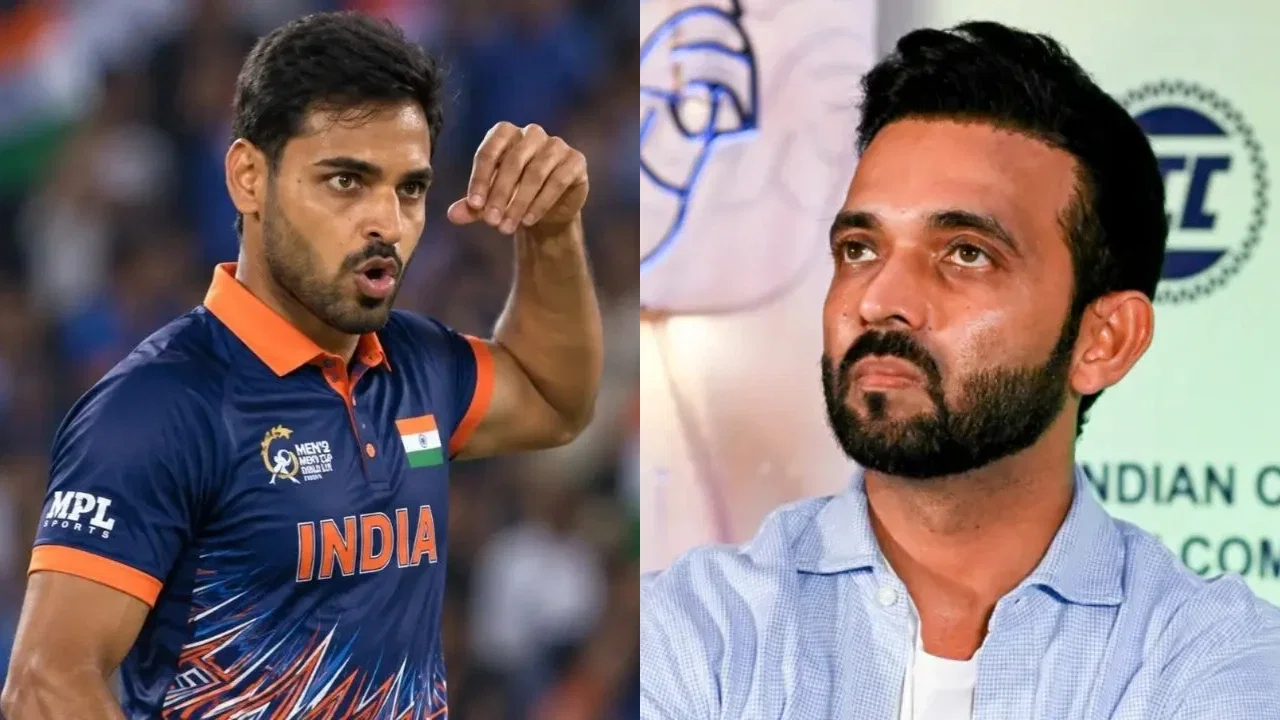
Is Bhuvneshwar Kumar in India’s 2027 World Cup plans? Ajinkya Rahane makes revelation
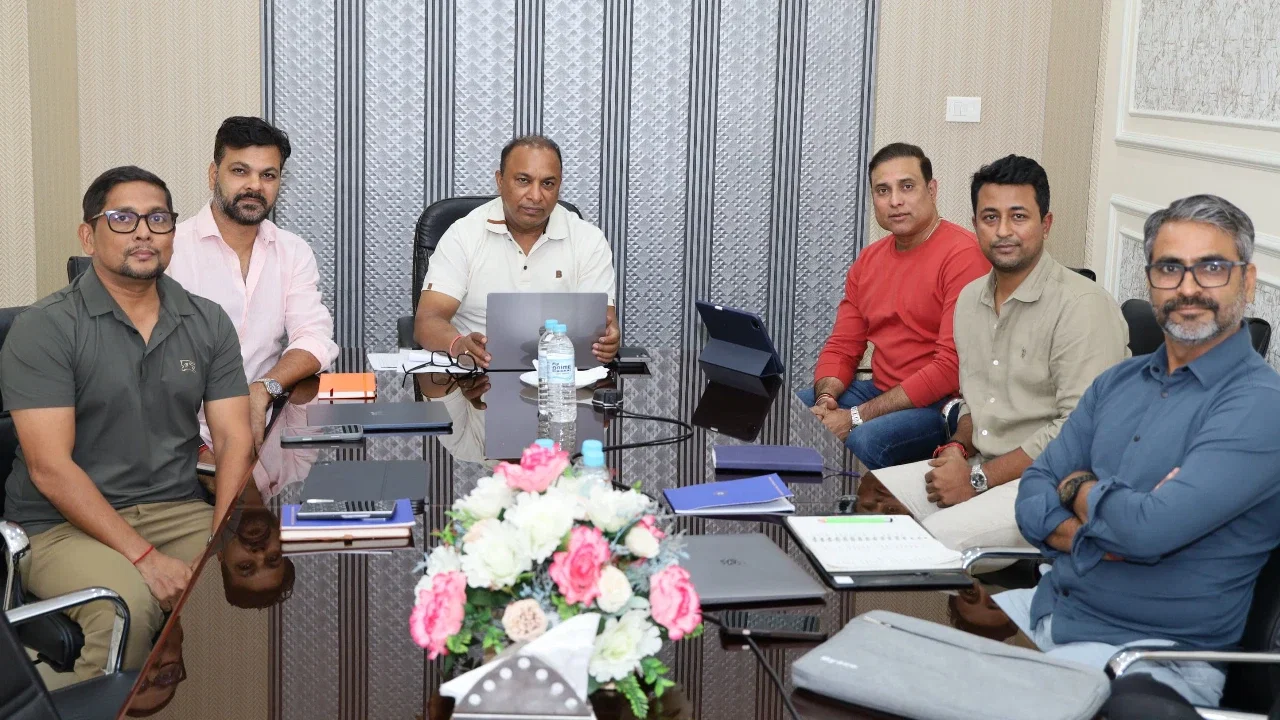
BCCI’s big ₹127 Crore move after injury crisis raises concerns over Team India
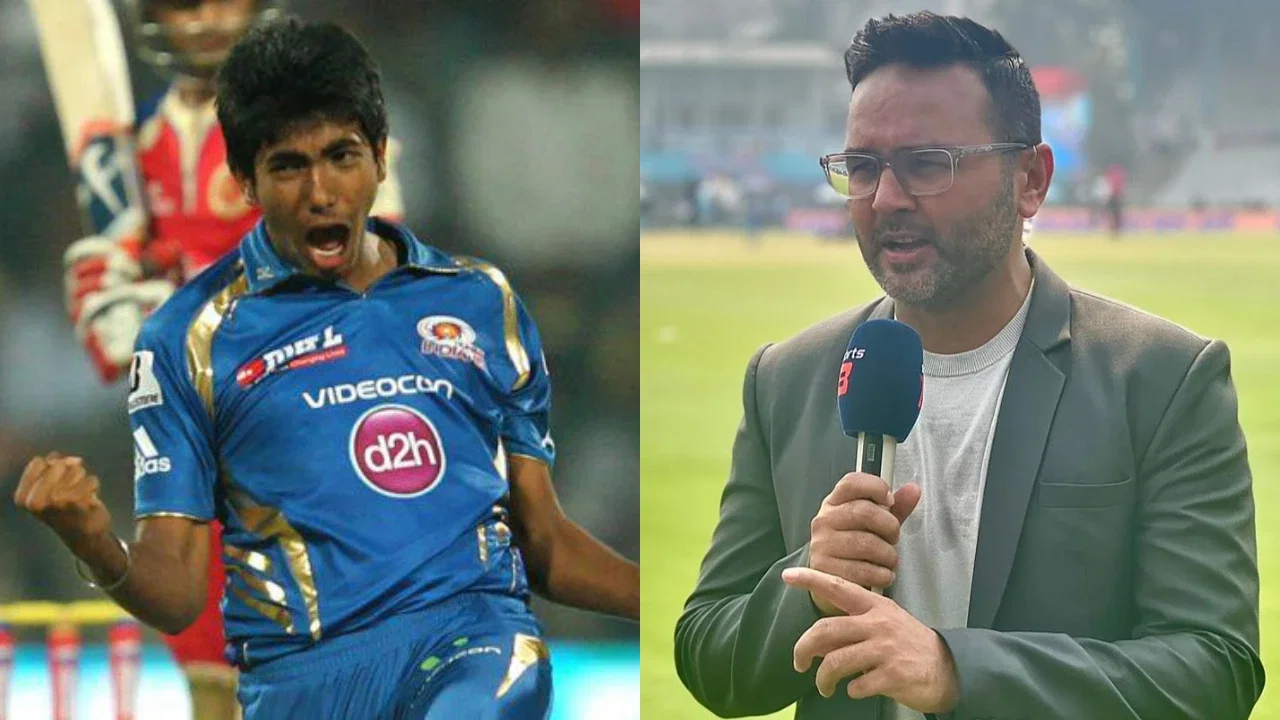
Parthiv Patel reveals RCB ignored his Jasprit Bumrah recommendation in IPL 2014 Auction
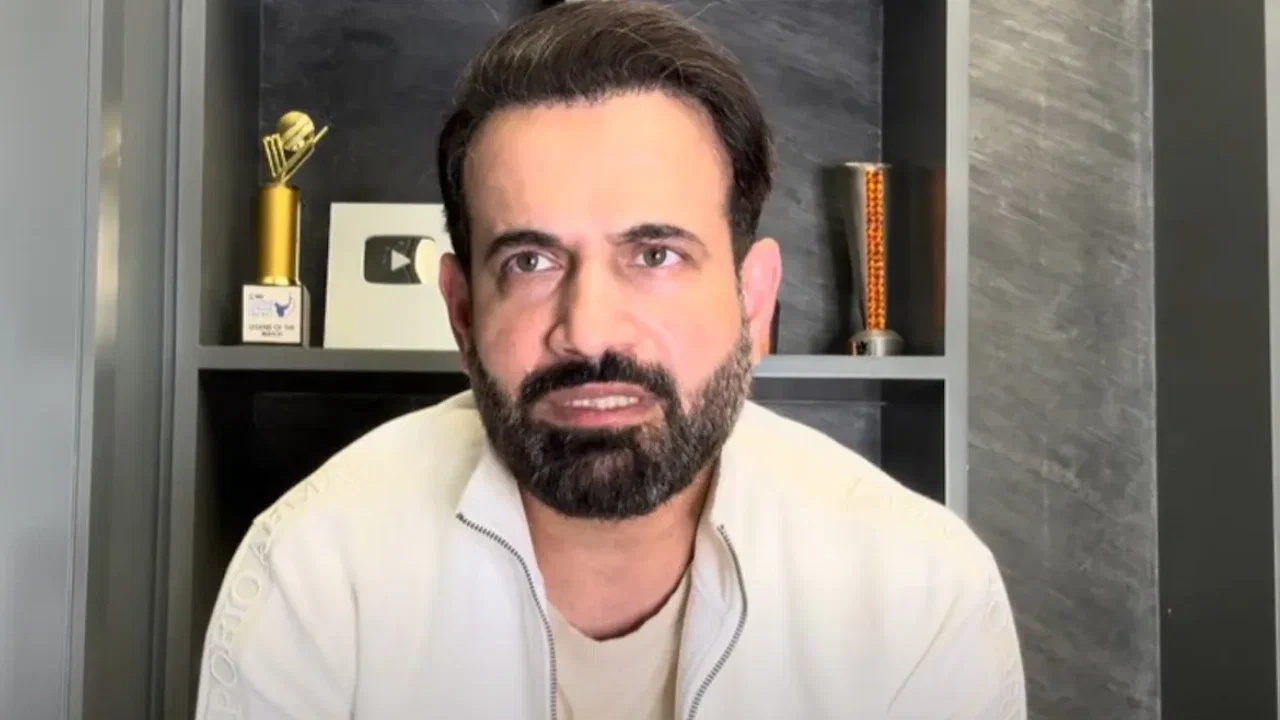
“Never spoke ill of any faith”: Irfan Pathan hits back at fake news using his name
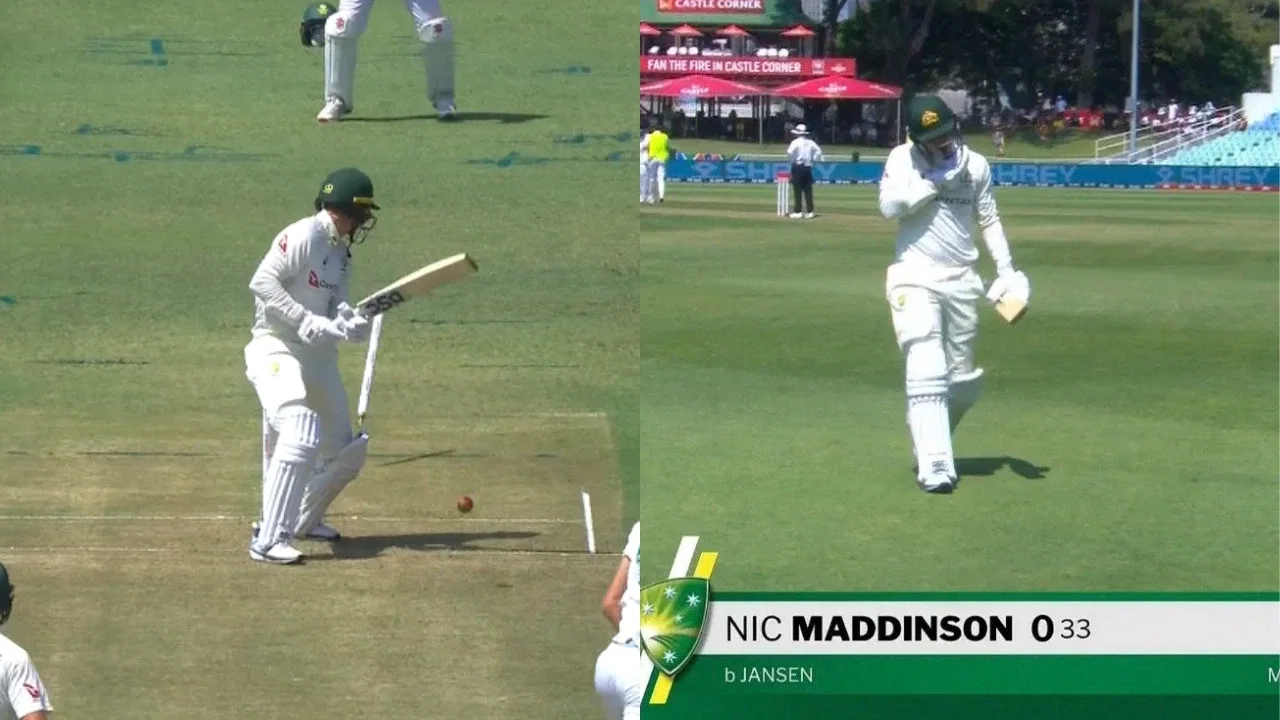
Nic Maddinson bags 33-ball duck on Test comeback, disappoints George Bailey
Imran Tahir predicts 2027 ICC ODI World Cup Semi-Finalists, snubs India for title
Australia create unwanted history with first all-30-plus Test XI
Ravindra Jadeja returns to Ranji Trophy as Saurashtra announce squad