“A lot of coaches are scared”: Ryan ten Doeschate reveals how he approached Virat Kohli over batting struggles
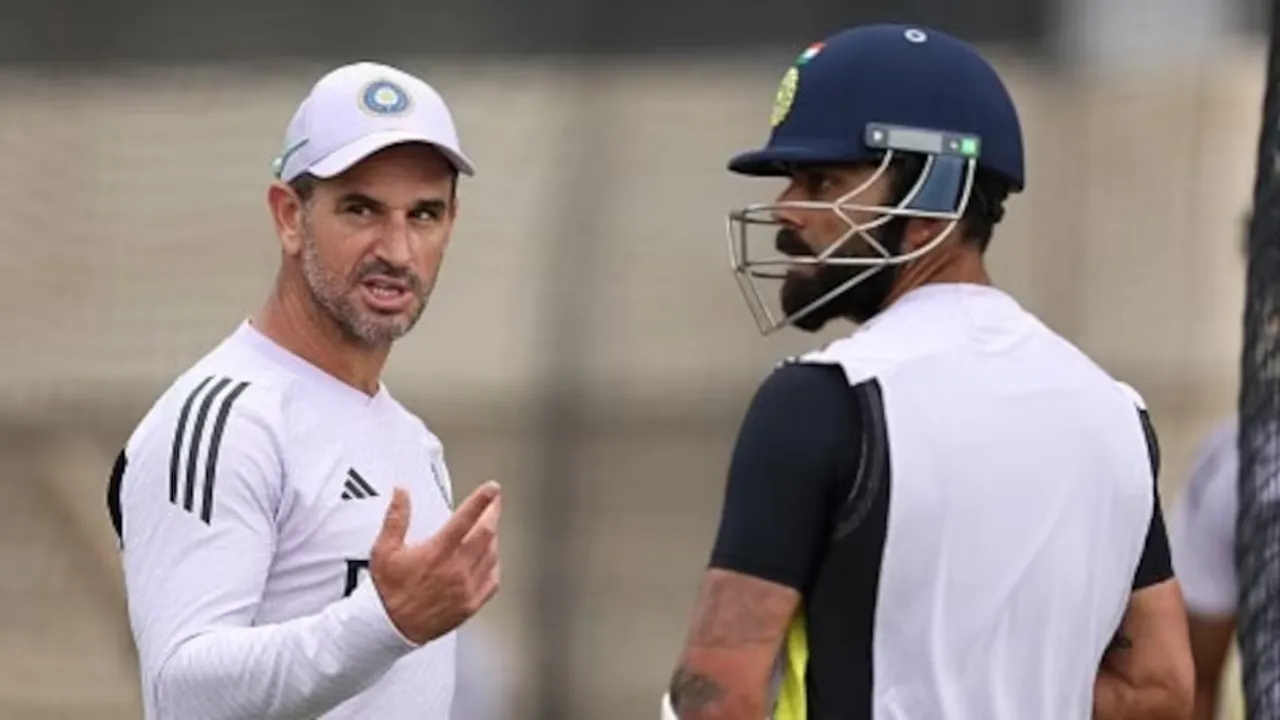
Ryan ten Doeschate on the Careful Conversation That Followed Virat Kohli’s Repeated Dismissals
Former India assistant coach Ryan ten Doeschate has described how he approached Virat Kohli during a challenging period on India’s tour of Australia, when the batter was repeatedly dismissed while attempting to drive deliveries outside the off stump. Rather than offering a blunt technical correction, ten Doeschate waited for the right moment and opened a conversation that allowed Kohli to explain his batting choices.
The account offers a glimpse into the delicate work behind elite coaching. Even a well-intentioned suggestion can affect a player’s confidence or concentration, particularly when a batter is about to face a fast bowler. Ten Doeschate said Kohli welcomed the discussion, making it a useful example of how coaches and senior players can examine a problem together without turning advice into criticism.
Why Coaches Can Hesitate to Challenge Established Players
Speaking on the talkSPORT Cricket podcast, ten Doeschate reflected on the pressure coaches face when deciding whether to intervene. A player with Kohli’s experience and achievements does not need constant instruction, and unsolicited advice can easily be interpreted as interference. Coaches must judge whether a comment is likely to help—or simply add doubt.
“A lot of coaches are afraid to make interventions,” ten Doeschate said, explaining that advice can sometimes appear to be an attempt to justify a coach’s role or speak for the sake of speaking. The challenge, he suggested, is to identify a genuine opportunity to support a player while avoiding unnecessary information that could disrupt their natural game.
That balance can be especially difficult in modern cricket, where leading players have considerable influence over their preparation and decision-making. Ten Doeschate noted that the changing relationship between players and coaches may make some staff members reluctant to raise uncomfortable subjects. But he believes a coach should not be afraid to share a carefully considered opinion when it could benefit the team.
Kohli Explained the Thinking Behind His Drives
Ten Doeschate said his conversation with Kohli was not a one-way effort to alter the batter’s technique. Kohli explained why he wanted to play the way he did, including his reasons for going after certain deliveries. That explanation gave the two men a basis for discussing possible adjustments without treating the issue as a simple instruction to stop driving.
“You don’t have to agree,” ten Doeschate recalled. A player may have a clear tactical reason for choosing a particular shot, and a coach’s role is to understand that reasoning before suggesting changes. In Kohli’s case, the discussion allowed them to consider how he might preserve his attacking intent while managing the risks of driving away from his body.
This distinction matters in high-level batting. A drive outside off stump is not automatically a poor choice: the shot can put pressure on the fielding side, keep the scoreboard moving and reward a batter when the ball is in the right area. The danger rises when a batter reaches away from the body or commits to the stroke against movement. The best response may involve refining shot selection and timing rather than removing an established scoring option.
A Rain Break Provided the Right Moment
Ten Doeschate said he had spent time thinking about when and how to raise the pattern he had noticed. Approaching Kohli immediately before he faced a dangerous bowler such as Mitchell Starc could have been counterproductive. A technical comment at that point might have put a new thought in the batter’s mind just before he needed to react instinctively to fast bowling.
Instead, ten Doeschate waited for a rain break during the fourth Test. The pause offered a less pressured setting in which he could bring up the recurring dismissals without making the exchange feel like a public reprimand or an urgent instruction. He also took care with his wording, avoiding a confrontational opening and allowing the conversation to develop naturally.
“He’s obviously not someone who needs a lot of coaching,” ten Doeschate said of Kohli. What stood out to him was the repeated nature of the dismissals. Because the pattern had become noticeable, he felt it was worth discussing—but only after considering how the message could be delivered constructively.
The Prediction Was Not the Point of the Conversation
The discussion did not produce the results India wanted later in the series, ten Doeschate acknowledged. But that does not necessarily mean the intervention was misplaced. In sport, a prediction that a technical adjustment will quickly solve a problem can be unrealistic: match conditions, bowling quality, confidence and timing all shape what happens next. A coach can identify a risk and help a player examine it, but cannot guarantee that a conversation will immediately change the outcome.
Ten Doeschate’s account instead highlights the value of creating space for honest analysis. Kohli was able to explain his approach, while the coach could raise a concern based on the pattern he had observed. The exchange became a discussion rather than a verdict, preserving the player’s ownership of his decisions.
That approach is relevant beyond cricket. In any high-performance setting, feedback is most useful when it is specific, well-timed and open to discussion. Coaches need to understand what a player is trying to achieve before recommending a change, and players benefit when advice is delivered in a way that invites thought rather than defensiveness.
Kohli’s Australia Struggles and the Wider Context
Kohli’s repeated dismissals while driving outside the off stump became a major talking point during India’s tour of Australia. Supporters and cricket analysts questioned whether the team’s coaching staff was doing enough to address the technical pattern. Ten Doeschate’s recollection provides a response to that debate: he said he did raise the issue, but chose a private, measured moment rather than trying to force an immediate correction.
After the series, Kohli retired from Test cricket. His departure from the longest format brought an end to a significant chapter in his international career, though the conversation described by ten Doeschate remains an example of the complex work involved in coaching a player who has already reached the sport’s highest level.
Ten Doeschate’s Next Chapter
After leaving India’s coaching setup, ten Doeschate returned to the Knight Riders organisation, taking on the role of Head of Cricket Strategy for Knight Riders Sports. His departure from international cricket was also influenced by a desire to spend more time with his family.
His story about Kohli offers a broader insight into the modern coach’s role. The job is not simply to identify a flaw and provide a fix. It involves knowing when to speak, how to frame an observation and when to give a player room to explain their own thinking. In Kohli’s case, ten Doeschate said, the right moment came during a rain delay—and the result was an open conversation, even if it did not immediately change the course of the series.
Latest News
“I liked looking at the mirror” – Kane Williamson on conversation with Virat Kohli before retirement
Scott Boland contradicts Usman Khawaja over ball tampering in Victorian cricket

Lance Morris suffers fresh injury setback hours after cricket comeback
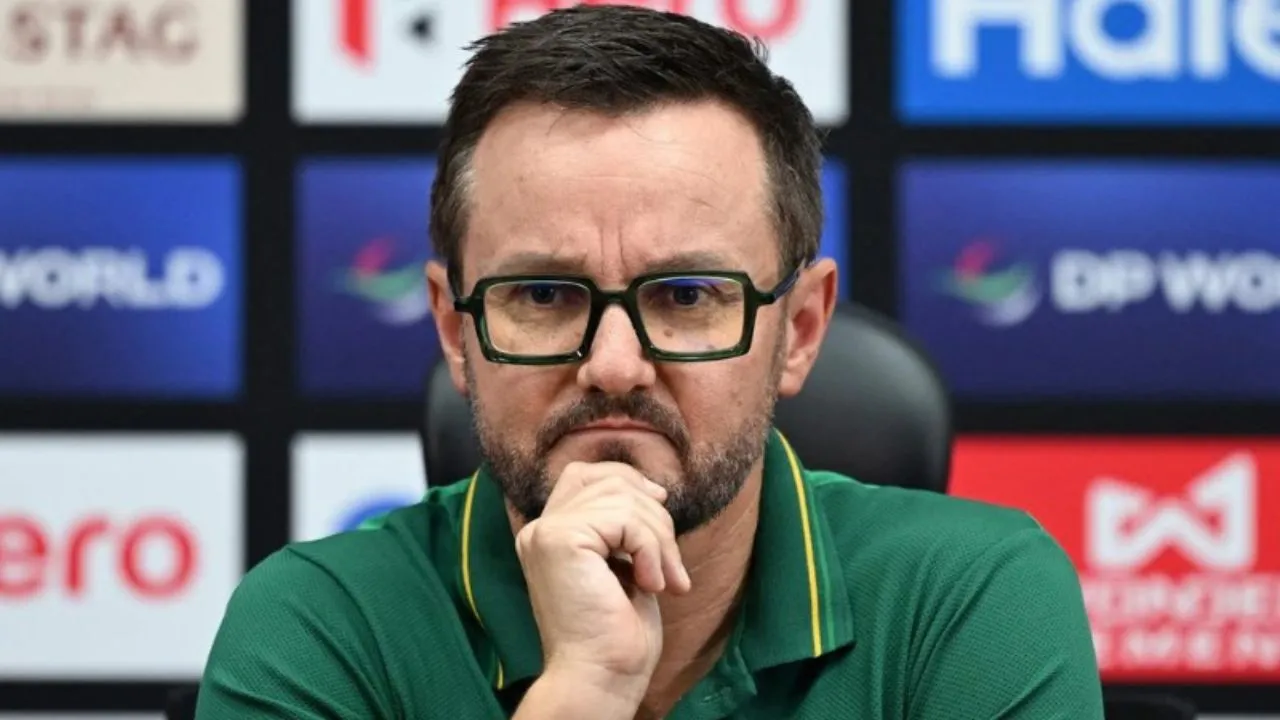
Mike Hesson set to continue as Pakistan Test head coach until end of current WTC cycle
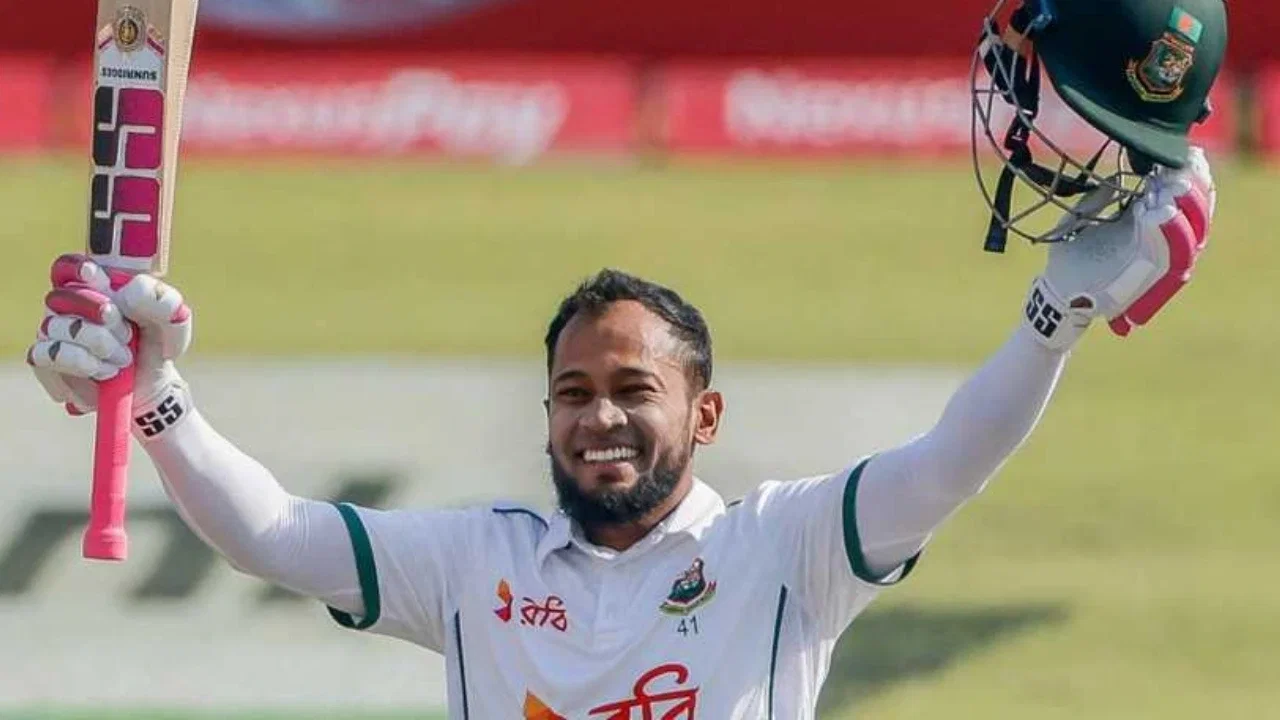
Mushfiqur Rahim creates world record, becomes first Bangladeshi to reach 7,000 Test runs
“A lot of coaches are scared”: Ryan ten Doeschate reveals how he approached Virat Kohli over batting struggles
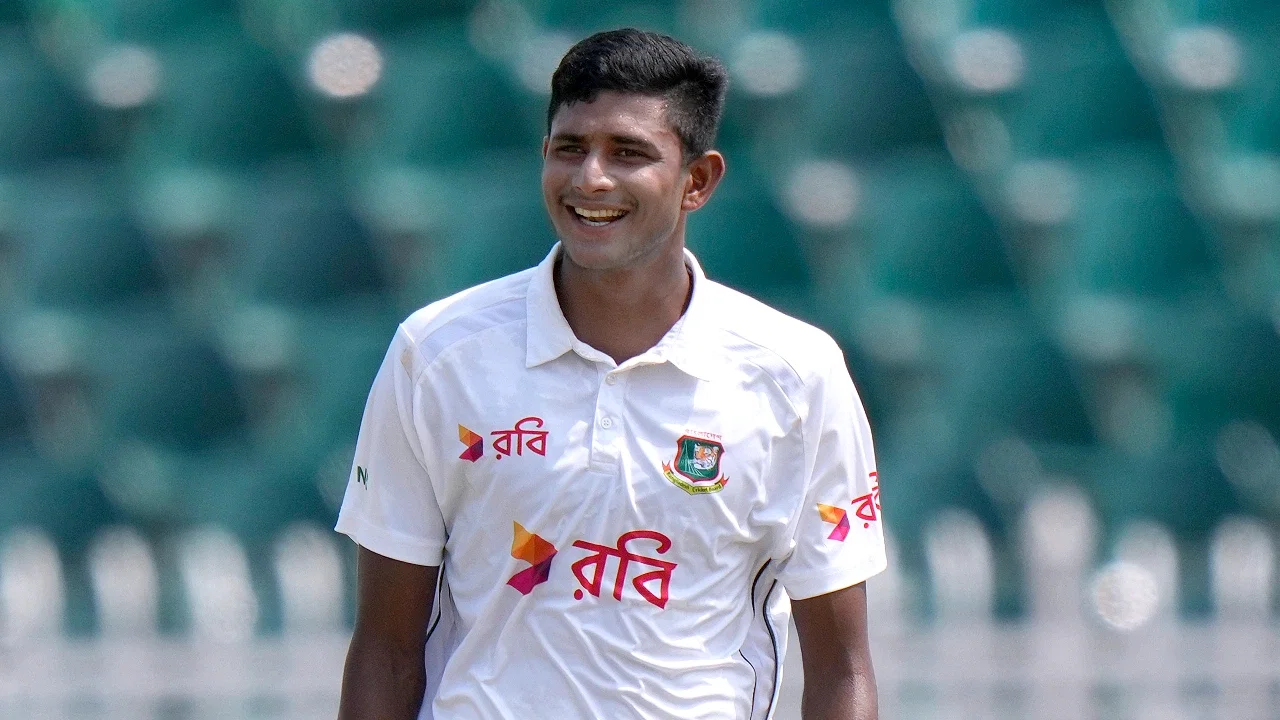
‘We don’t want to rush’: Bangladesh provide official update on Nahid Rana’s return
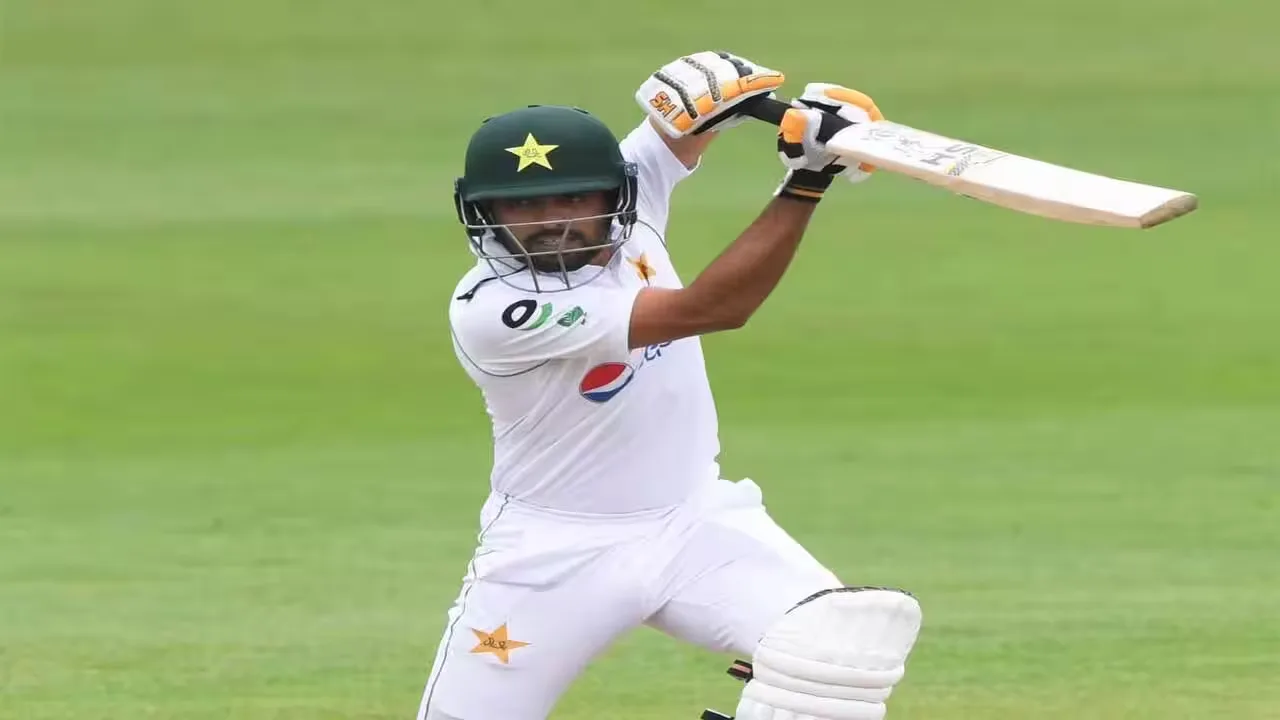
Babar Azam equals Misbah-ul-Haq’s Pakistan captaincy record during 1st Test against Sri Lanka
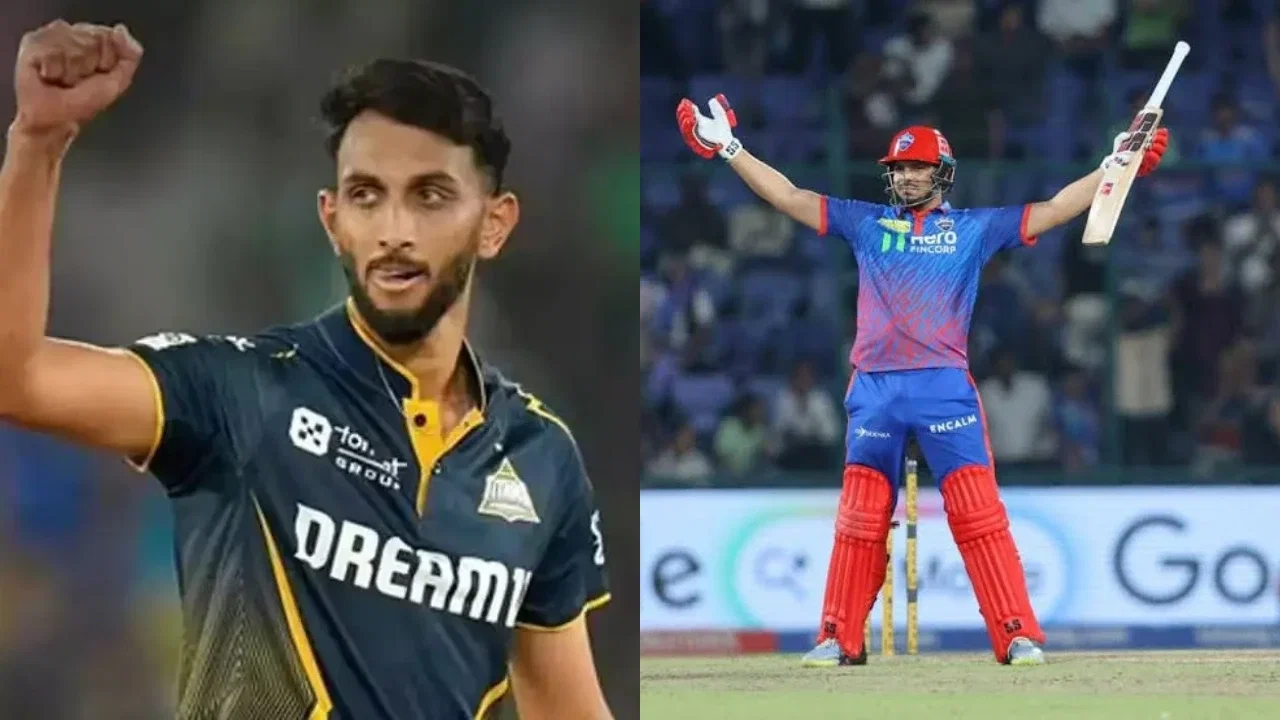
Prasidh Krishna to DC, Ashutosh Sharma to GT? IPL 2027 trade talks underway
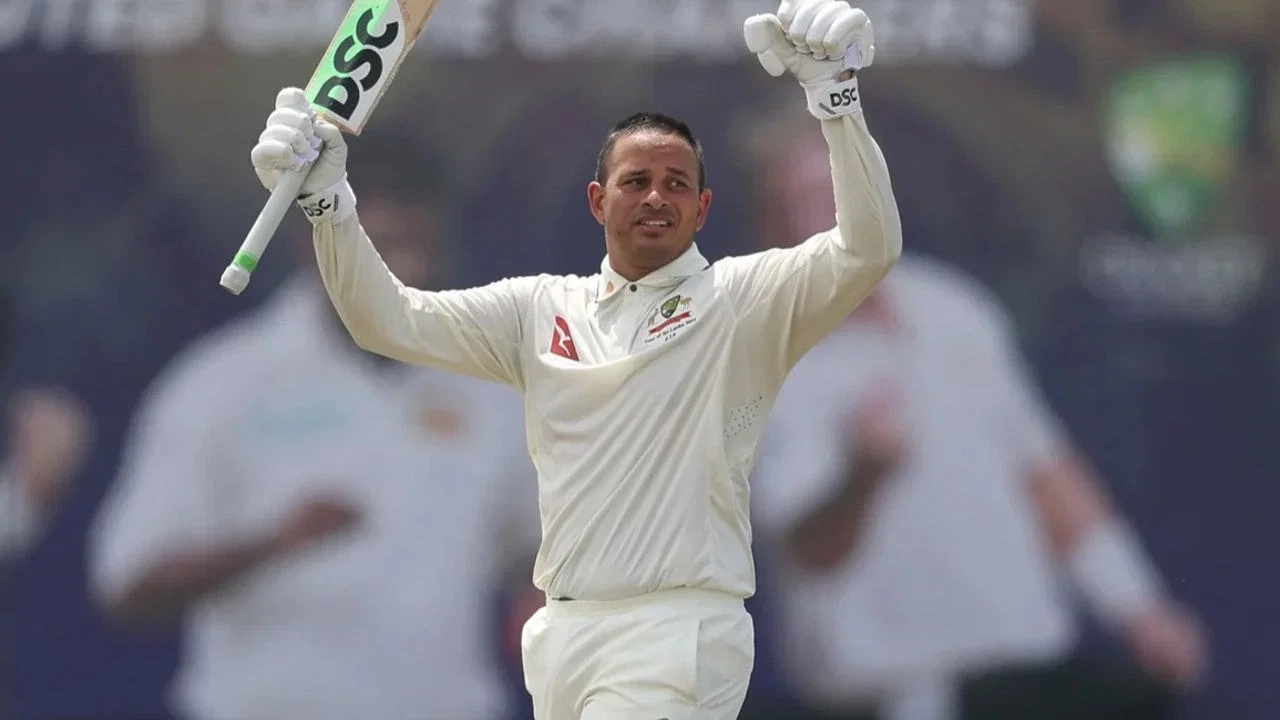
Usman Khawaja names Victoria the best at ball tampering in Australian domestic cricket
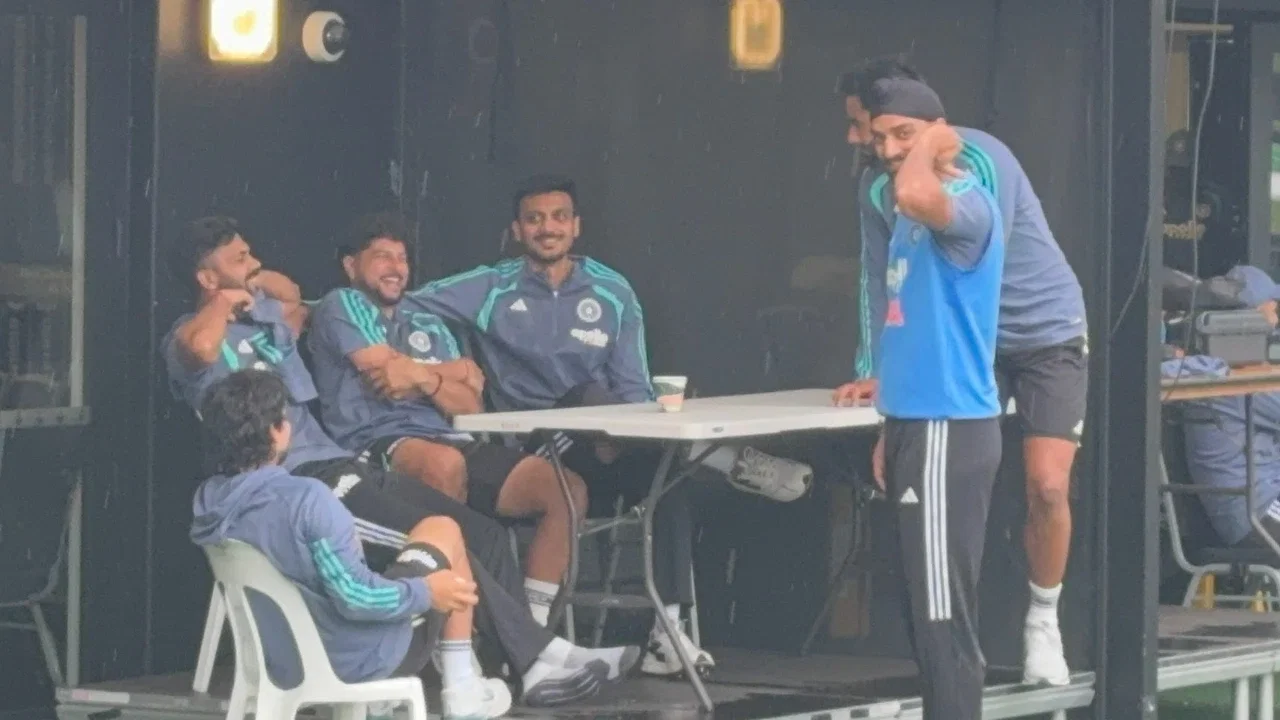
Axar Patel teases Arshdeep Singh with Mumbai Indians’ “Duniya Hila Denge” slogan
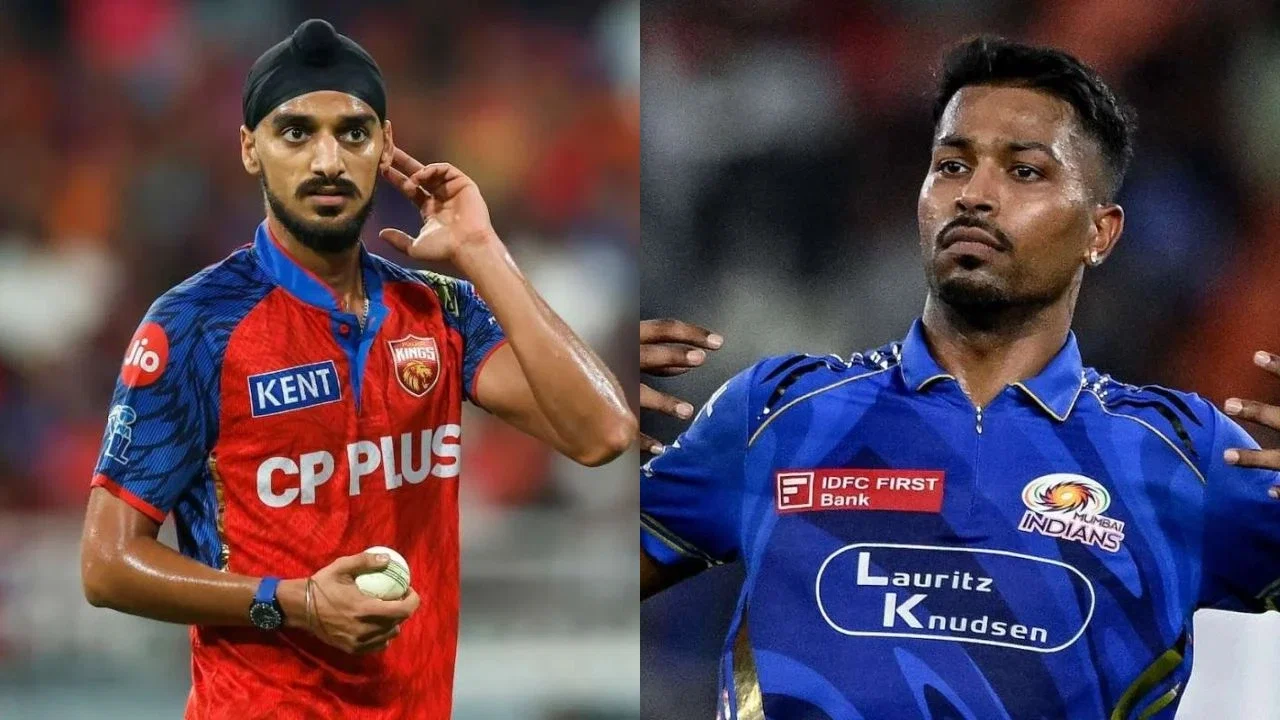
Hardik Pandya’s Mumbai Indians exit: Four options discussed before Punjab Kings deal
Steve Smith targets Sheffield Shield comeback after New York specialist visit
Bangladesh Test squad for South Africa tour announced, Mominul Haque returns