Mushfiqur Rahim creates world record, becomes first Bangladeshi to reach 7,000 Test runs
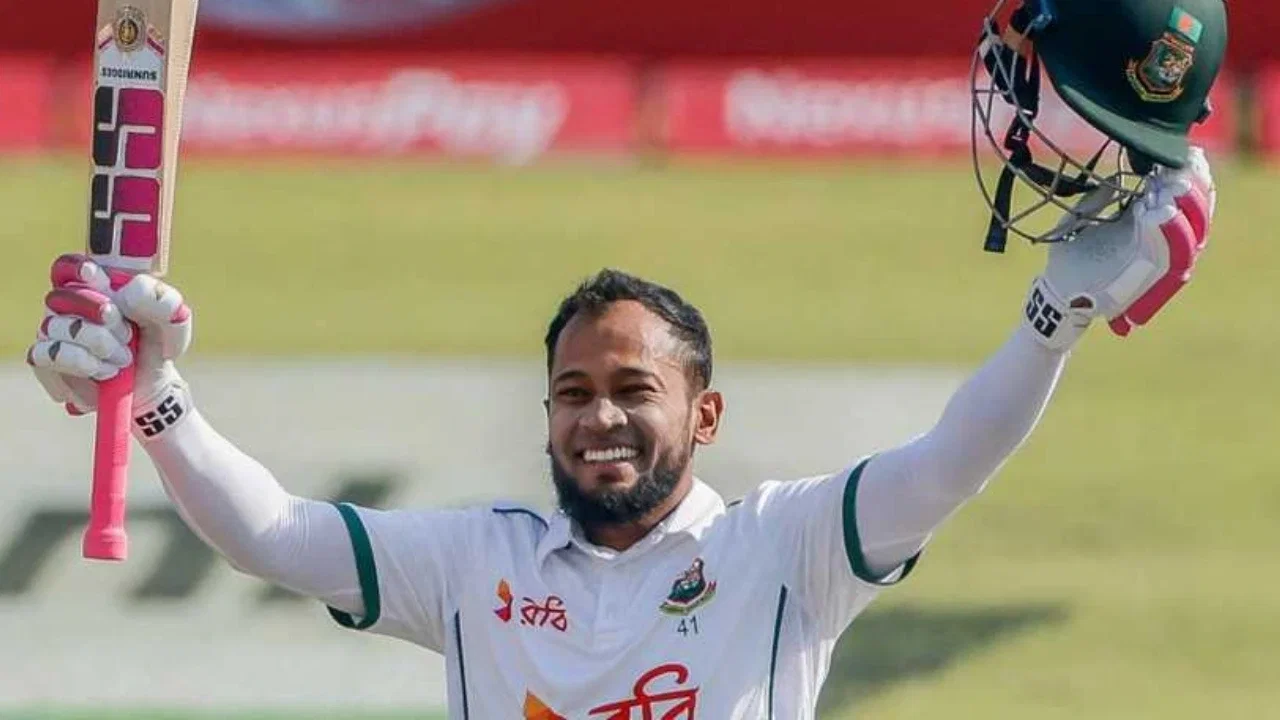
Mushfiqur Rahim Becomes Bangladesh’s First Batter to Reach 7,000 Test Runs
Bangladesh cricket icon Mushfiqur Rahim has reached a landmark no player from his country had achieved before, becoming the first Bangladeshi batter to score 7,000 runs in Test cricket. The veteran wicketkeeper-batter reached the milestone during the second and final Test against the West Indies at Sylhet International Cricket Stadium on Monday, November 9.
Rahim brought up the historic total shortly after lunch, taking a single off West Indies all-rounder Roston Chase. The moment was understated: Rahim initially appeared unaware that he had crossed the mark. He realised what had happened only after teammates in the dressing room rose to applaud him.
The achievement adds another landmark to a career that has helped shape Bangladesh’s progress in the longest format. It also offers a measure of Rahim’s remarkable longevity. More than two decades after making his international debut, he remains a central figure in the Test side and continues to add to a record that is likely to stand as a benchmark for future generations.
A Record-Breaking Career in Bangladesh Test Cricket
Rahim has been Bangladesh’s leading Test run-scorer for years, and the 7,000-run milestone extends his advantage at the top of the country’s all-time list. Mominul Haque occupies second place with 5,293 runs, while former opener Tamim Iqbal is third with 5,134 runs from 70 Tests.
The gap between Rahim and his closest challengers underlines the scale of his contribution. His record has been built through consistency across different batting positions, changing teams and conditions, and the many challenges Bangladesh have faced while establishing themselves in Test cricket.
Rahim was also the first Bangladeshi to reach 5,000 and 6,000 Test runs, achieving those milestones in 2022 and 2024. He has scored 14 Test centuries and 30 half-centuries. Mominul follows him on the national centuries list with 13, while Tamim has 10.
These numbers tell only part of the story. Rahim has often carried responsibility in difficult situations, whether rebuilding an innings after early wickets or helping Bangladesh turn a promising start into a substantial total. His ability to combine concentration with an attacking range has made him one of the country’s most dependable Test batters.
From Teenage Debut to Bangladesh’s Most-Capped Test Player
Rahim made his Bangladesh debut in 2005, beginning a career that has taken him from a young wicketkeeper-batter to one of the most experienced players in the national team. The Sylhet match was his 107th Test, making him Bangladesh’s most-capped player in the format.
Early in his career, he often batted in the lower middle order while also taking responsibility behind the stumps. Over time, his role grew, and he became a senior figure around whom Bangladesh could build their batting plans. His experience is especially valuable in Test cricket, where patience, decision-making and the ability to manage pressure can be as important as stroke-making.
One of the most memorable performances of Rahim’s career came against Zimbabwe in 2018, when he scored an unbeaten 219. The innings stood as Bangladesh’s highest individual Test score for several years. That record was surpassed in the ongoing Sylhet Test, where Towhid Hridoy made an unbeaten 242 in the first innings.
Test Cricket Remains Rahim’s Focus
Rahim’s impact extends beyond the longest format. He has scored 6,697 runs in One Day Internationals and 1,495 in T20 Internationals. Having retired from both white-ball formats, he now concentrates on Test cricket, where his experience and technical knowledge remain important assets for Bangladesh.
His return for the Sylhet Test carried added significance because he missed the series opener after suffering a finger injury. The comeback placed him straight into a high-pressure match, with Bangladesh needing a substantial effort to keep their hopes of levelling the two-Test series alive.
Rahim and Hridoy Keep Bangladesh’s Chase Alive
West Indies set Bangladesh a challenging target of 369 after declaring their second innings at 398 for six. With the match moving into its final day, the hosts needed both time and runs, and the pressure was considerable. Rahim and Hridoy responded with an unbeaten 113-run partnership, giving Bangladesh renewed hope.
Hridoy contributed a half-century and produced a historic match of his own. He became the first Bangladeshi batter to score a double-century and a fifty in the same Test, while also recording the highest match aggregate by a Bangladesh player in the format. His unbeaten 242 in the first innings had already put him among the standout performers of the contest.
At the point described, Bangladesh still required 207 runs from 30 overs to level the series. The chase remained demanding, but the partnership showed the value of calm, disciplined batting under pressure. Rahim’s experience and Hridoy’s confidence offered the home side a chance to keep the contest alive deep into the final day.
What the 7,000-Run Milestone Means for Bangladesh
Rahim’s latest achievement is more than a personal record. It reflects the growth of Bangladesh Test cricket and the contribution of a player who has been part of that journey from its earlier years. His career has spanned different generations of teammates, shifts in playing conditions and the gradual rise of Bangladesh as a more competitive Test nation.
For younger batters, Rahim’s record provides a clear example of what sustained performance in Test cricket demands: adaptability, resilience and the ability to keep contributing over a long career. His 7,000 runs, 14 centuries and 30 half-centuries give Bangladesh a formidable standard for future players to pursue.
Any prediction about how far Rahim’s total will ultimately rise depends on his fitness, form and the opportunities ahead. But the milestone itself is already secure: he is the first Bangladeshi to reach 7,000 Test runs, and his place at the top of the country’s record books reflects years of service, skill and consistency.
Latest News
“I liked looking at the mirror” – Kane Williamson on conversation with Virat Kohli before retirement
Scott Boland contradicts Usman Khawaja over ball tampering in Victorian cricket

Lance Morris suffers fresh injury setback hours after cricket comeback

Mike Hesson set to continue as Pakistan Test head coach until end of current WTC cycle
Mushfiqur Rahim creates world record, becomes first Bangladeshi to reach 7,000 Test runs
“A lot of coaches are scared”: Ryan ten Doeschate reveals how he approached Virat Kohli over batting struggles
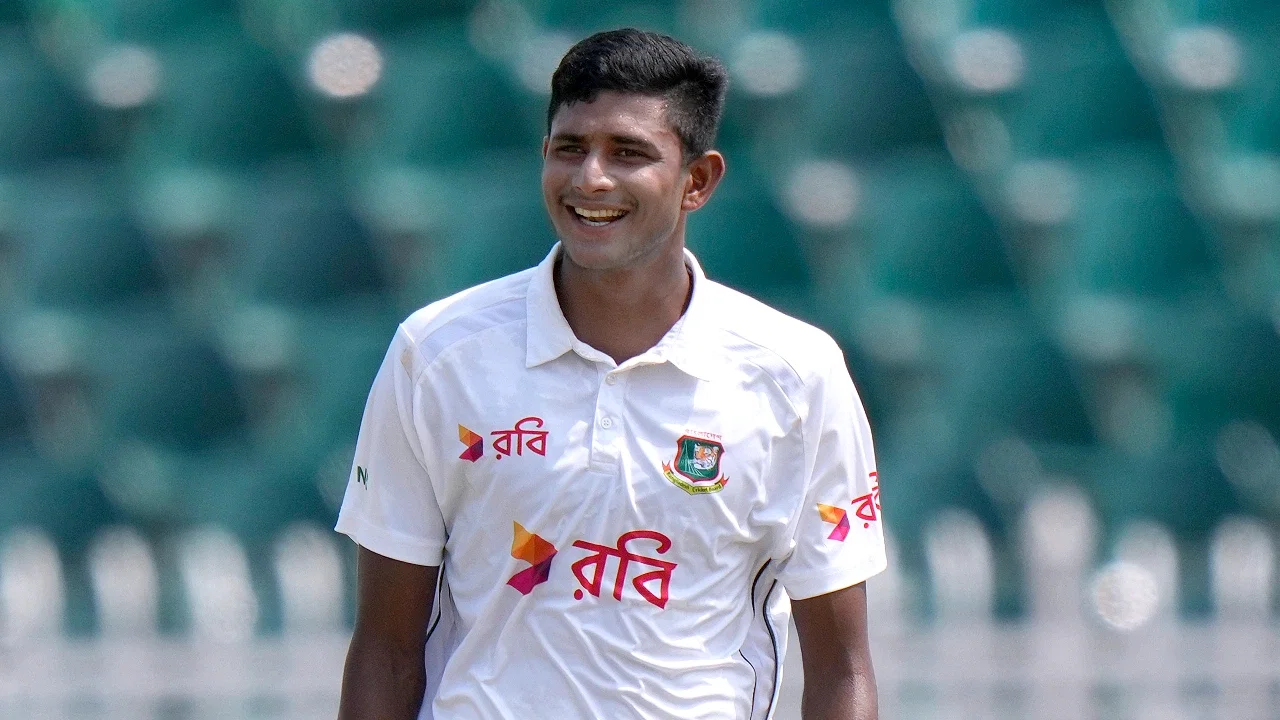
‘We don’t want to rush’: Bangladesh provide official update on Nahid Rana’s return
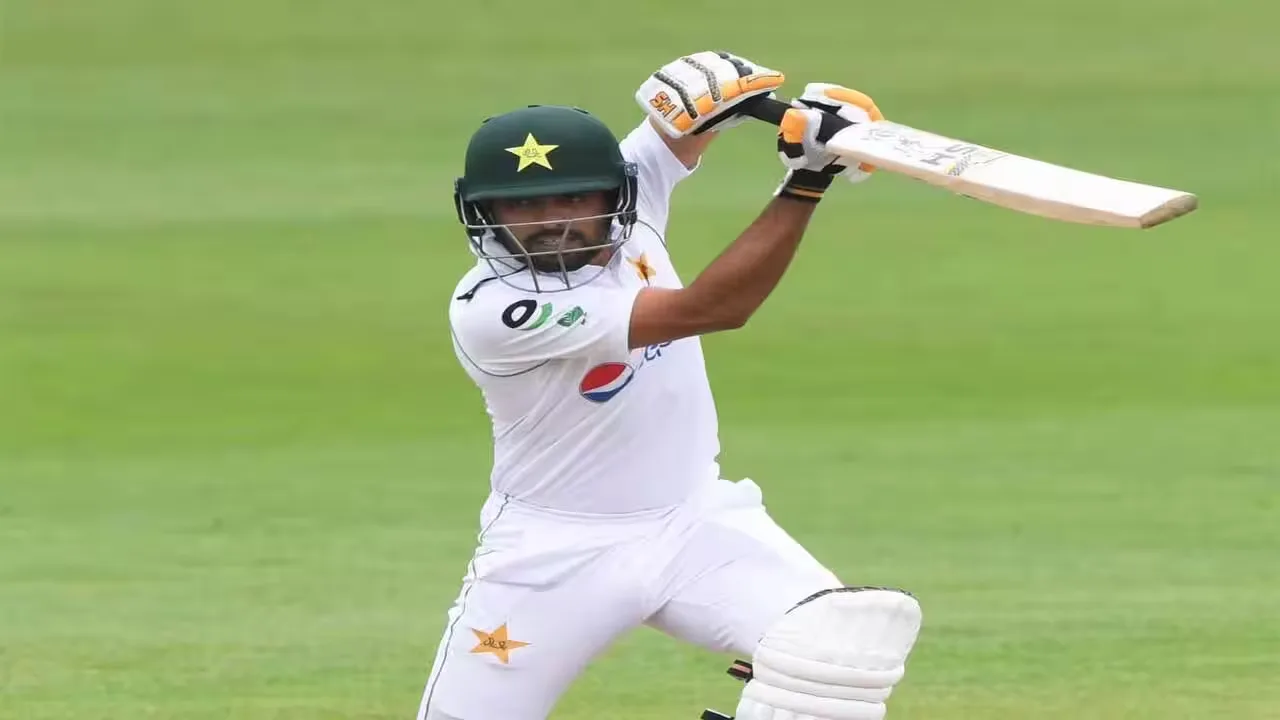
Babar Azam equals Misbah-ul-Haq’s Pakistan captaincy record during 1st Test against Sri Lanka

Prasidh Krishna to DC, Ashutosh Sharma to GT? IPL 2027 trade talks underway
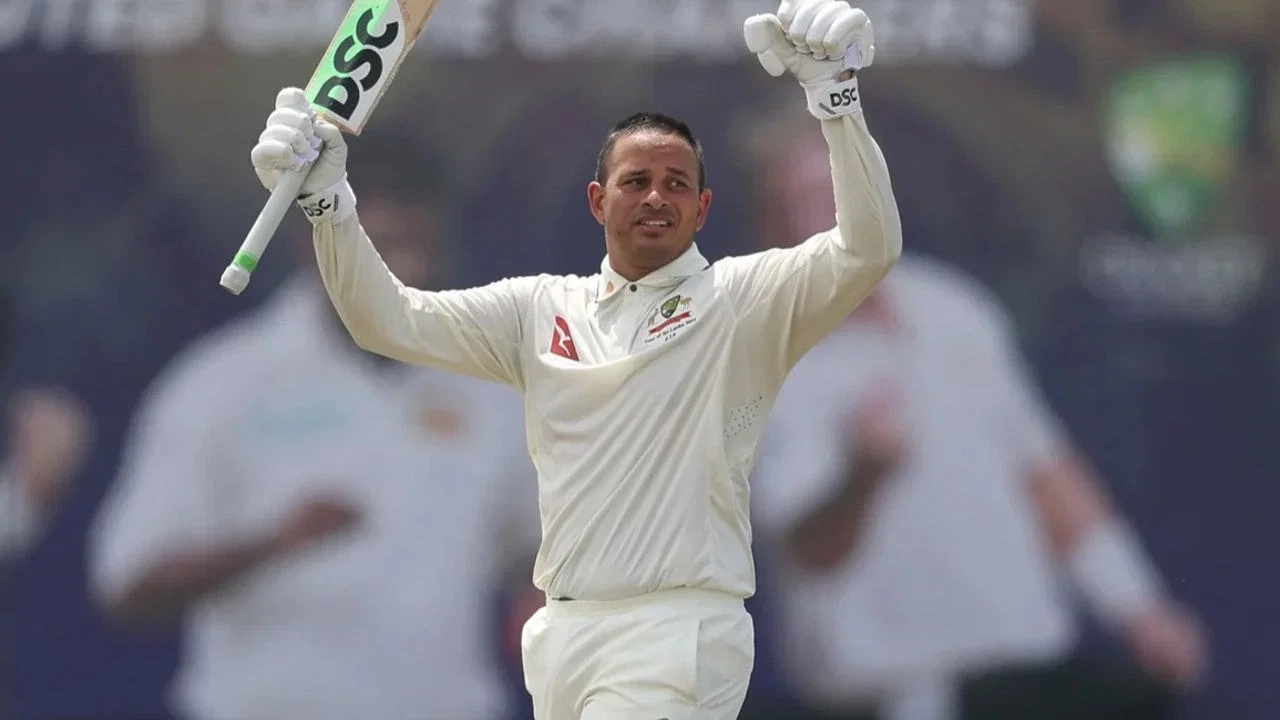
Usman Khawaja names Victoria the best at ball tampering in Australian domestic cricket

Axar Patel teases Arshdeep Singh with Mumbai Indians’ “Duniya Hila Denge” slogan

Hardik Pandya’s Mumbai Indians exit: Four options discussed before Punjab Kings deal
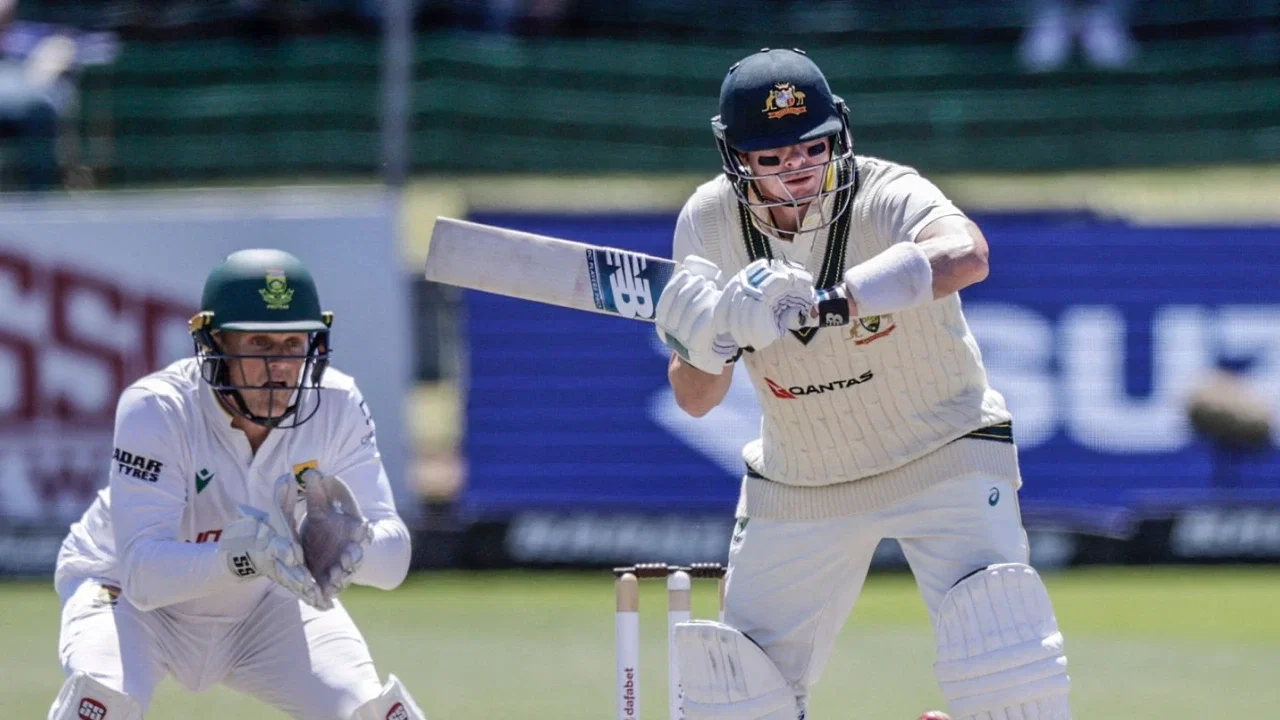
Steve Smith targets Sheffield Shield comeback after New York specialist visit
Bangladesh Test squad for South Africa tour announced, Mominul Haque returns