Usman Khawaja names Victoria the best at ball tampering in Australian domestic cricket
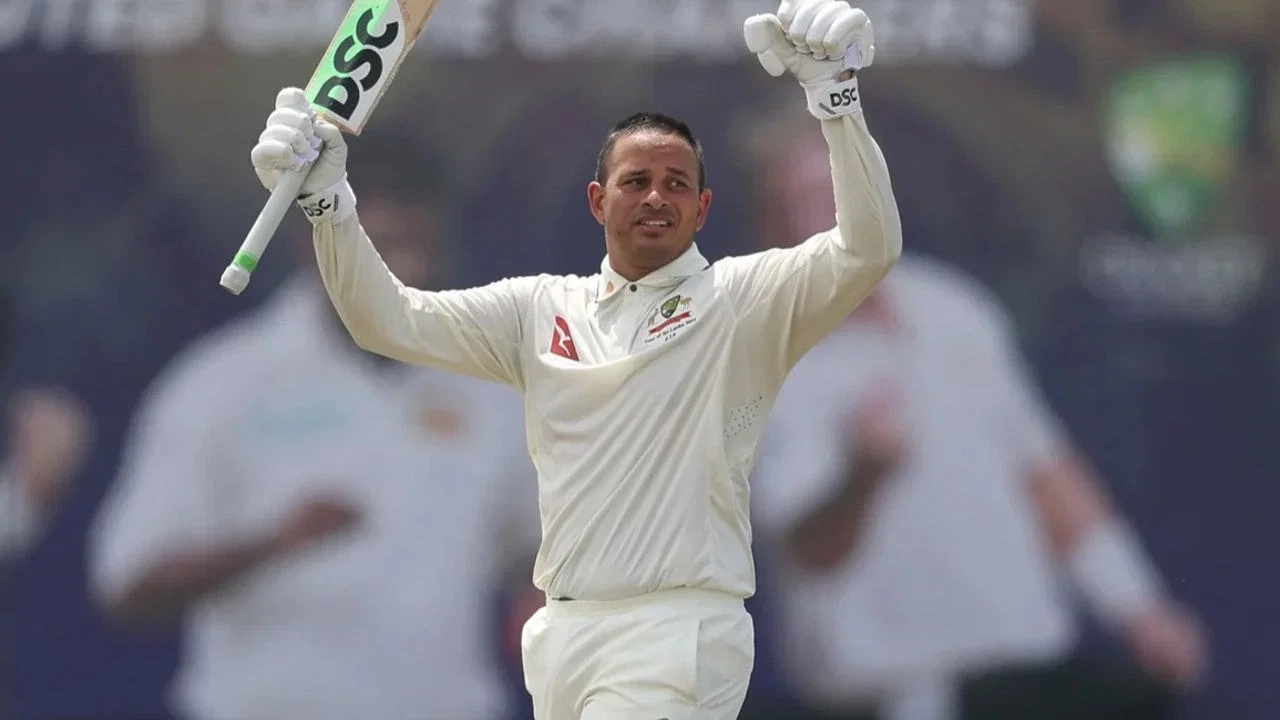
Usman Khawaja’s Ball-Tampering Claims Put Sheffield Shield Practices Back in the Spotlight
Australian opener Usman Khawaja has reignited debate about ball tampering in cricket, claiming that altering the ball was common in Sheffield Shield matches during his early career. In excerpts from his forthcoming autobiography, Sabr, Khawaja singles out Victoria’s teams from the 2000s and 2010s as especially adept at producing reverse swing—a skill he says was valuable on the often flat surface at the Melbourne Cricket Ground.
The revelations add another chapter to the discussion surrounding cricket’s long-running relationship with ball maintenance, reverse swing and the boundaries of fair play. They also arrive amid renewed scrutiny of Khawaja’s comments about Australia’s 2018 Cape Town ball-tampering scandal, including his claim that players and staff knew what was happening. Khawaja has faced criticism for speaking publicly years after that episode, but he has defended his decision to share his recollections now.
Why Reverse Swing Mattered at the MCG
In Sabr, Khawaja describes the MCG as a ground that could offer limited assistance to bowlers, particularly when its pitch was hard and unresponsive. In those conditions, reverse swing and spin could become important ways to create pressure and break partnerships. He portrays Victoria’s players as highly skilled at exploiting the ball’s condition to make it move late in its flight.
“The Victorians were probably the best at it,” Khawaja wrote, describing the MCG as “dead and flat” and saying reverse swing and spin were often essential to winning there. He also recalled players using different methods to rough up one side of the ball while keeping the other relatively smooth.
Khawaja’s account is a personal recollection, not a formal finding about every player or team involved. But its significance lies in the contrast it draws between practices that he says were familiar in domestic cricket and the strict standards applied to ball condition in the modern game. The legality of any particular action depends on cricket’s regulations and the circumstances in which it occurs; a player’s description alone does not establish that a specific offence took place.
Claim of a Super-Glue Method
One of the most striking stories in the book concerns an unnamed player Khawaja says he encountered during his first Sheffield Shield season. According to his account, the player had dried super glue on a towel and rubbed the rough side of the ball against it, apparently to help generate reverse swing.
Khawaja wrote that the method “worked a treat” and said the ball would “always reverse.” He did not identify the player in the excerpt, and the claim has not, by itself, been independently substantiated. The detail nevertheless illustrates how the pursuit of movement in the air can encourage experimentation—especially when conditions favour batters and bowlers are searching for an advantage.
Khawaja also drew a distinction between witnessing or knowing about alleged tampering and personally carrying it out. He said he had not scratched a ball himself, but acknowledged that he knew what was happening and was not opposed to it at the time. That admission has prompted discussion about responsibility in team environments: whether accountability rests only with the person handling the ball, or also with teammates who are aware of conduct and choose not to challenge it.
Connection to the 2018 Cape Town Scandal
The new passages are likely to be read alongside Khawaja’s earlier remarks about the 2018 Test against South Africa in Cape Town. That match became one of Australian cricket’s most damaging controversies after players were sanctioned over a plan to alter the ball’s condition. The fallout included suspensions, leadership changes and a wider review of team culture.
Khawaja’s broader point appears to be that ball tampering did not emerge suddenly in 2018, but was part of a culture he says he had encountered in domestic cricket. That context may help explain his perspective, but it does not excuse conduct prohibited by the rules. Nor does a claim that a practice was widespread remove individual or collective responsibility when players cross the line.
Timing has also become part of the story. Khawaja has been promoting Sabr, but the chapter containing the ball-tampering material was not released with the earlier promotional excerpts. Its publication has therefore raised questions about why the claims are being made now, several years after the events described. Khawaja has responded on social media, saying he did not believe he had thrown anyone “under the bus.”
Darren Lehmann Says the Practice Has Deep Roots
Former Australia coach Darren Lehmann has offered comments that echo the broader historical argument. Speaking on ABC Sport’s Summer Grandstand, Lehmann said ball tampering had been part of cricket for generations, while stressing that its long history did not make it acceptable.
“You do know ball tampering is going on because it’s been happening for 150 years,” Lehmann said. He added that the practice was now obsolete and acknowledged that Australia had paid a heavy price for the 2018 scandal.
Lehmann’s remarks underline an important distinction in the debate: describing past norms is not the same as endorsing them. Cricket’s laws and enforcement standards have changed, and players are expected to understand that manipulating the ball’s condition is not a legitimate substitute for skill, strategy or favourable conditions.
What the Claims Mean for Cricket’s Debate
Ball condition has always been central to the contest between bat and ball. Bowlers can legally maintain one side through permitted polishing, while wear and tear naturally affect the other. Reverse swing occurs when a ball’s condition, speed and airflow combine to make it move toward the rough side, often late in its trajectory. That movement can be difficult for batters to read, which is why even small changes to the ball have attracted intense scrutiny.
Khawaja’s account is likely to renew calls for clear standards and consistent enforcement across all levels of the sport. It also raises questions about how cricket should discuss past practices: through personal testimony, official investigations, or both. For readers following the story, the key distinction is between an individual’s recollection, a verified finding and a prediction about what the revelations may mean for the game’s future.
As Sabr reaches readers, further details may shape the response from former players, administrators and fans. For now, Khawaja’s claims have reopened a difficult conversation about culture, accountability and the gap between what may once have been tolerated and what cricket’s rules require today.
Latest News
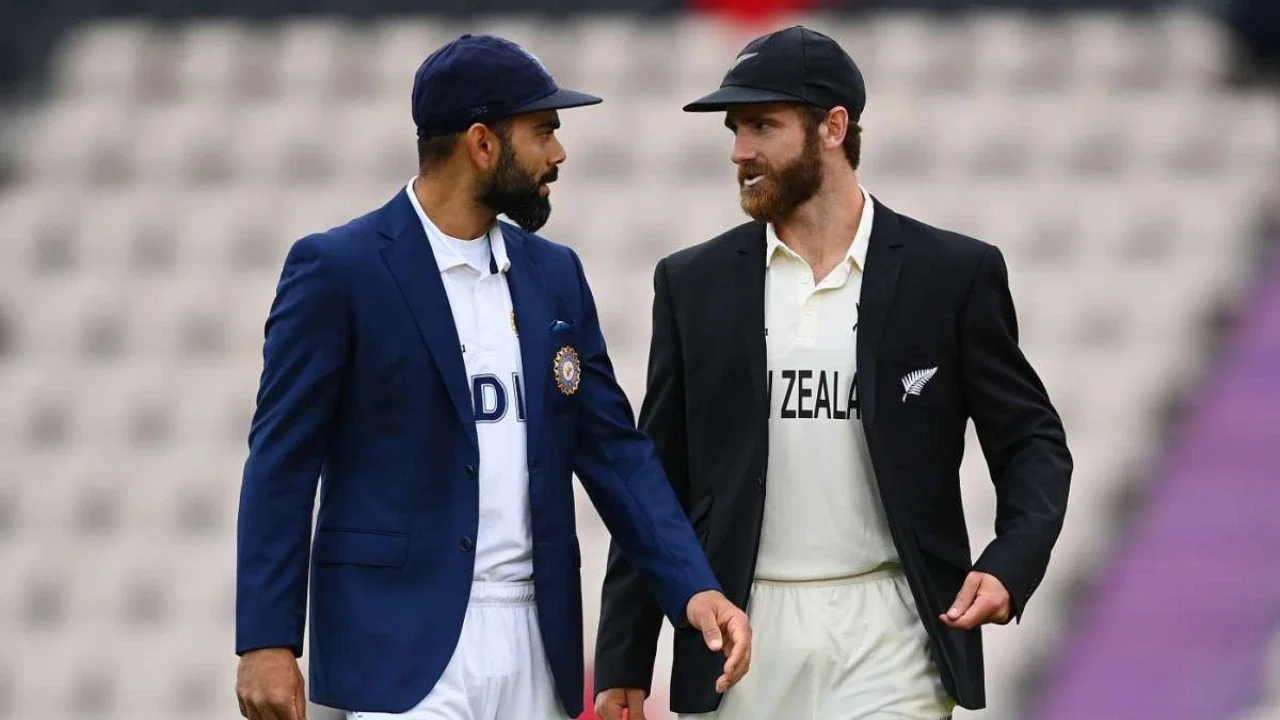
“I liked looking at the mirror” – Kane Williamson on conversation with Virat Kohli before retirement
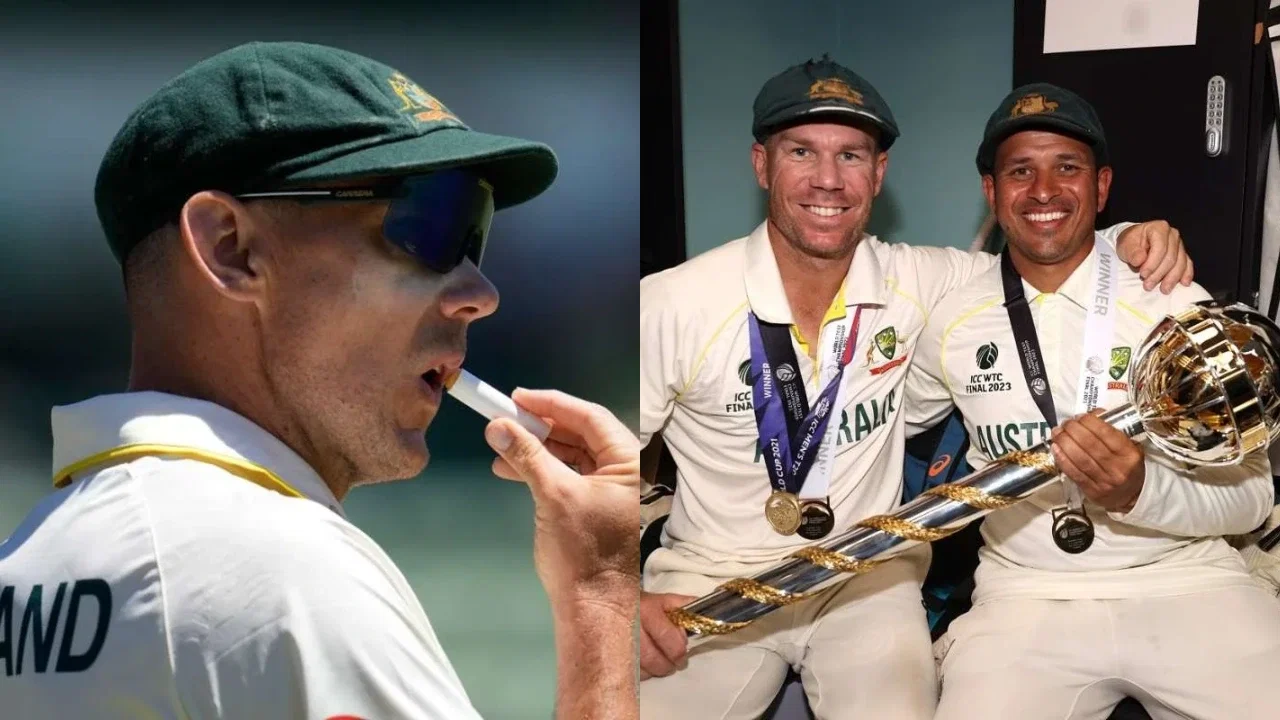
Scott Boland contradicts Usman Khawaja over ball tampering in Victorian cricket

Lance Morris suffers fresh injury setback hours after cricket comeback

Mike Hesson set to continue as Pakistan Test head coach until end of current WTC cycle

Mushfiqur Rahim creates world record, becomes first Bangladeshi to reach 7,000 Test runs
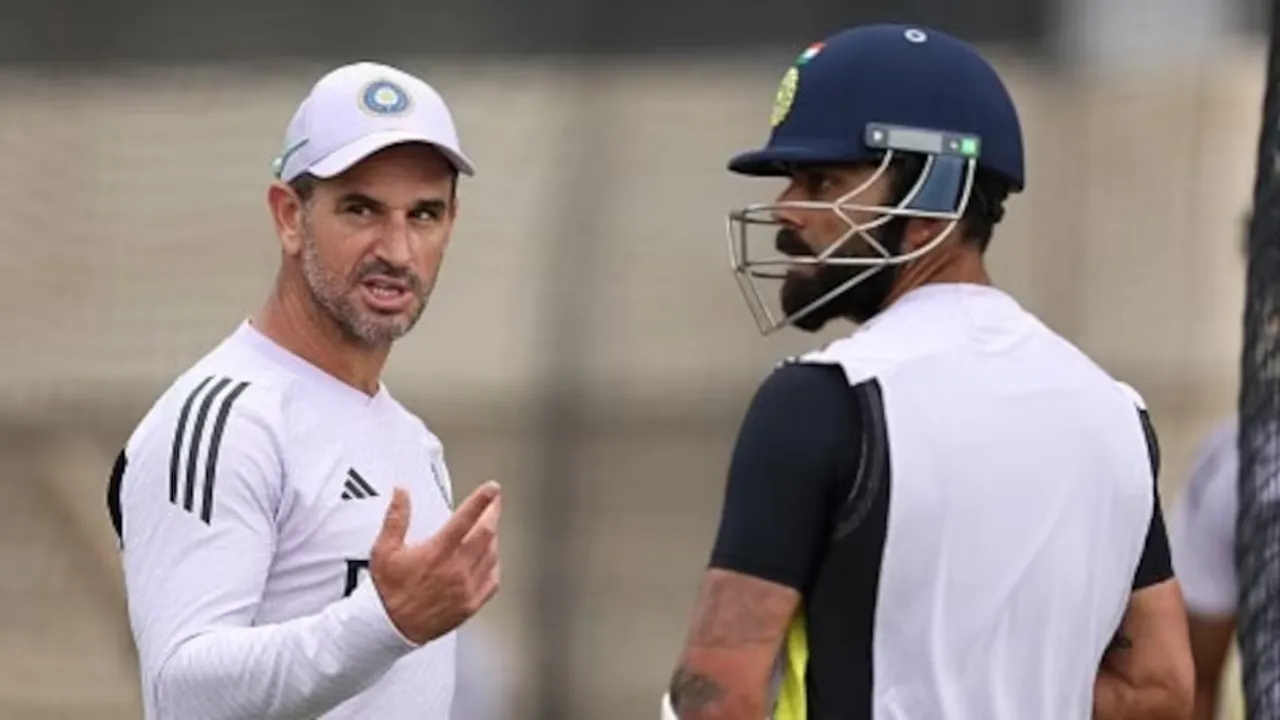
“A lot of coaches are scared”: Ryan ten Doeschate reveals how he approached Virat Kohli over batting struggles

‘We don’t want to rush’: Bangladesh provide official update on Nahid Rana’s return
Babar Azam equals Misbah-ul-Haq’s Pakistan captaincy record during 1st Test against Sri Lanka

Prasidh Krishna to DC, Ashutosh Sharma to GT? IPL 2027 trade talks underway
Usman Khawaja names Victoria the best at ball tampering in Australian domestic cricket

Axar Patel teases Arshdeep Singh with Mumbai Indians’ “Duniya Hila Denge” slogan

Hardik Pandya’s Mumbai Indians exit: Four options discussed before Punjab Kings deal
Steve Smith targets Sheffield Shield comeback after New York specialist visit

Bangladesh Test squad for South Africa tour announced, Mominul Haque returns