“I liked looking at the mirror” – Kane Williamson on conversation with Virat Kohli before retirement
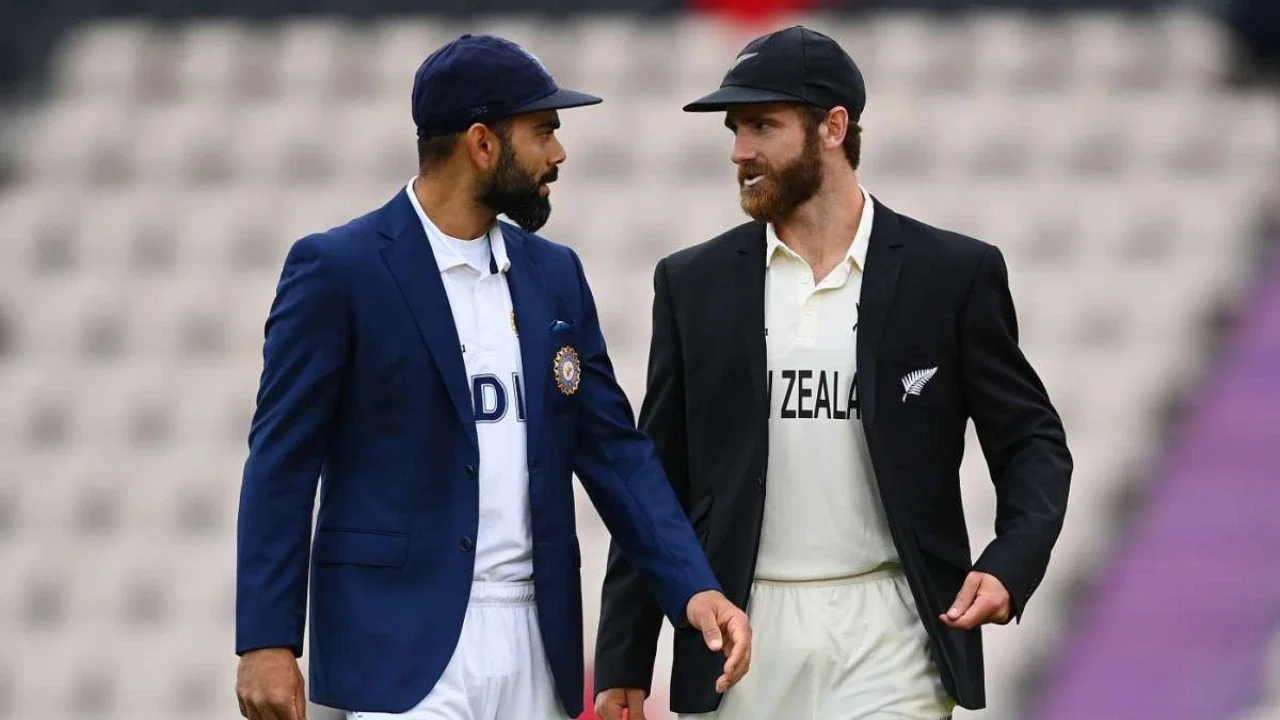
Kane Williamson Says Virat Kohli Conversation Helped Shape Retirement Decision
Former New Zealand captain Kane Williamson has revealed that a heartfelt conversation with Virat Kohli helped him recognise he was ready to leave international cricket. The pair spoke by phone on June 11, 2026, one day before Williamson announced his retirement, bringing an end to a 16-year career with the Black Caps.
Speaking on the Between Two Beers podcast, Williamson described the call as a rare chance to reflect with someone who understood the demands of an international career from the inside. Although Kohli was still playing at the time, Williamson said their shared experiences—including long-term leadership responsibilities and raising children while competing at the highest level—gave the conversation particular meaning.
Williamson said he had also sought advice from several people close to him. But talking with Kohli offered a different kind of perspective: the two could compare the pressures and personal changes that come with spending much of adult life in elite sport. After the call, Williamson said, his wife entered their hotel room and he told her, “It’s time.”
A conversation between two long-time rivals
Williamson and Kohli have faced each other across formats for years, including in major international tournaments and high-profile Test series. Their teams have often been rivals, but the New Zealand batter’s account highlights the respect that can develop between players who share similar professional journeys.
Williamson said the discussion allowed both men to speak candidly about their feelings and changing priorities. Their careers were not identical, and they represented different cricketing cultures, but their experiences had run along parallel lines: sustained public attention, the responsibility of captaincy and the challenge of balancing family life with a demanding international schedule.
That kind of perspective can be difficult to find, even within a player’s own dressing room. Teammates may understand the daily routine, but few will have occupied the same role for the same length of time or faced the same questions about when to step away. Williamson’s account suggests that Kohli’s insight was valuable not because he gave a direct instruction, but because he could relate to the decision-making process.
Why Williamson decided to retire from international cricket
Williamson announced his retirement on June 12, 2026, while New Zealand were touring England for a three-match Test series. His international career ended immediately, following the opening Test at Lord’s, where he scored zero and 18. Those innings were a brief final chapter in a career defined by far more than a single match or series.
Across 16 years, Williamson became one of New Zealand’s most accomplished batters and a central figure in the team’s modern era. He finished as the country’s leading international run-scorer, with 19,346 runs. His record reflects not only consistency but also the demands of representing New Zealand across formats, conditions and generations of teammates.
In the podcast interview, Williamson described how his approach to cricket had changed over time. For years, his focus had been relentless: how to improve each day, how to help the team improve and how to keep pursuing the next performance. He said that commitment had been a defining part of his life for a long period, but that personal circumstances and priorities naturally evolve.
His comments offer a useful insight into the thinking behind a major retirement prediction: the decision is not always prompted by a sudden loss of ability or a single disappointing result. For many elite athletes, it is a gradual realisation that the balance between sport and life outside it has shifted. Williamson said he could sense that his relationship with the game was changing, even though he did not want to make a drastic choice without first understanding what he was feeling.
“You do have to put it down”
Williamson acknowledged that walking away from a sport he had loved for so long was difficult. International cricket had shaped much of his adult life, bringing achievement, pressure, travel and intense public scrutiny. Yet he also recognised that continuing for reasons that no longer felt personal or meaningful would not be sustainable indefinitely.
He reflected on the contrast between the public image of professional sport and the reality of its results. Fans see major victories, memorable innings and leadership moments, but a player’s career also includes failures, losses and days when the numbers beside their name do not meet expectations. Williamson said the highs and lows are part of the experience, and the attention that comes with international cricket can make the decision to leave even more complicated.
His point was not that the game had stopped mattering. Rather, he had reached a stage where he needed to be honest about why he was continuing. After years of giving cricket his full attention, he felt it was important to recognise that life had changed—and to allow his choices to change with it.
A legacy built on consistency and leadership
Williamson’s retirement closes a significant chapter for New Zealand cricket. Known for his composed batting and thoughtful leadership, he helped guide the Black Caps through some of their most important years. His influence extended beyond his run tally: he was a prominent voice in the dressing room and a steady presence in high-pressure situations.
The conversation with Kohli also underscores a broader reality of modern international sport. Long careers can connect players across national boundaries through shared experiences that supporters may not always see. Captaincy, family responsibilities, constant travel and the pressure to perform can create common ground between competitors who otherwise meet as opponents.
Williamson’s decision ultimately belonged to him, but the call appears to have helped him view it more clearly. By speaking with someone who understood the demands of a comparable career, he was able to reflect on what had changed and what he wanted next. His story is a reminder that retirement is not simply an ending; it can also be a considered transition after years of commitment.
For New Zealand fans, Williamson’s international career will be remembered through its runs, leadership and defining performances. For the batter himself, the final decision seems to have come from a quieter place: an honest assessment of his priorities, supported by a conversation with a fellow great who understood the journey.
Latest News
“I liked looking at the mirror” – Kane Williamson on conversation with Virat Kohli before retirement
Scott Boland contradicts Usman Khawaja over ball tampering in Victorian cricket

Lance Morris suffers fresh injury setback hours after cricket comeback
Mike Hesson set to continue as Pakistan Test head coach until end of current WTC cycle
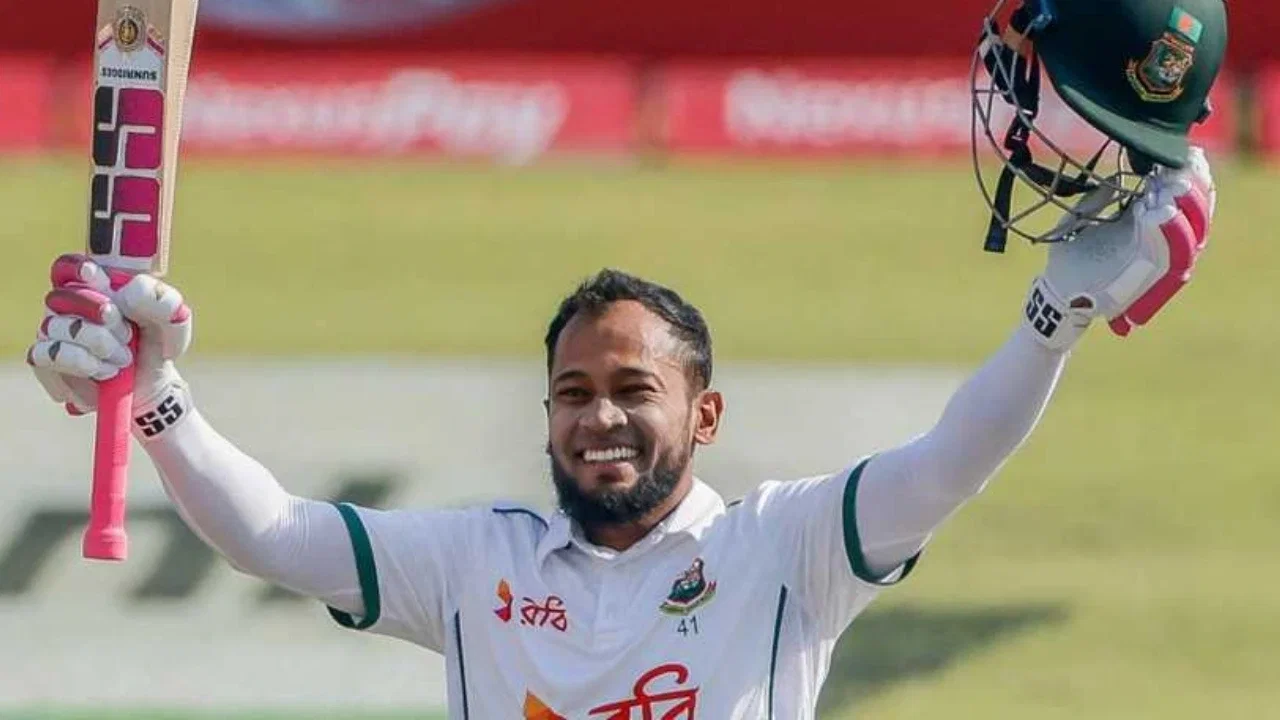
Mushfiqur Rahim creates world record, becomes first Bangladeshi to reach 7,000 Test runs
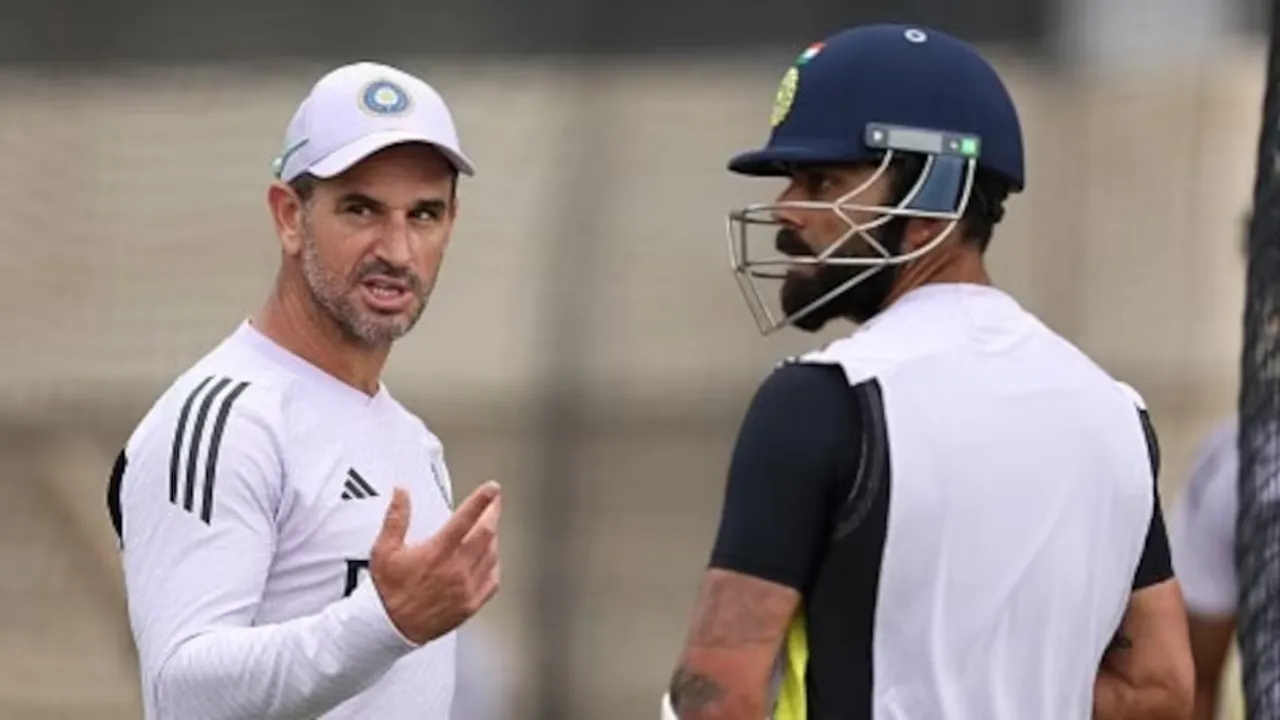
“A lot of coaches are scared”: Ryan ten Doeschate reveals how he approached Virat Kohli over batting struggles
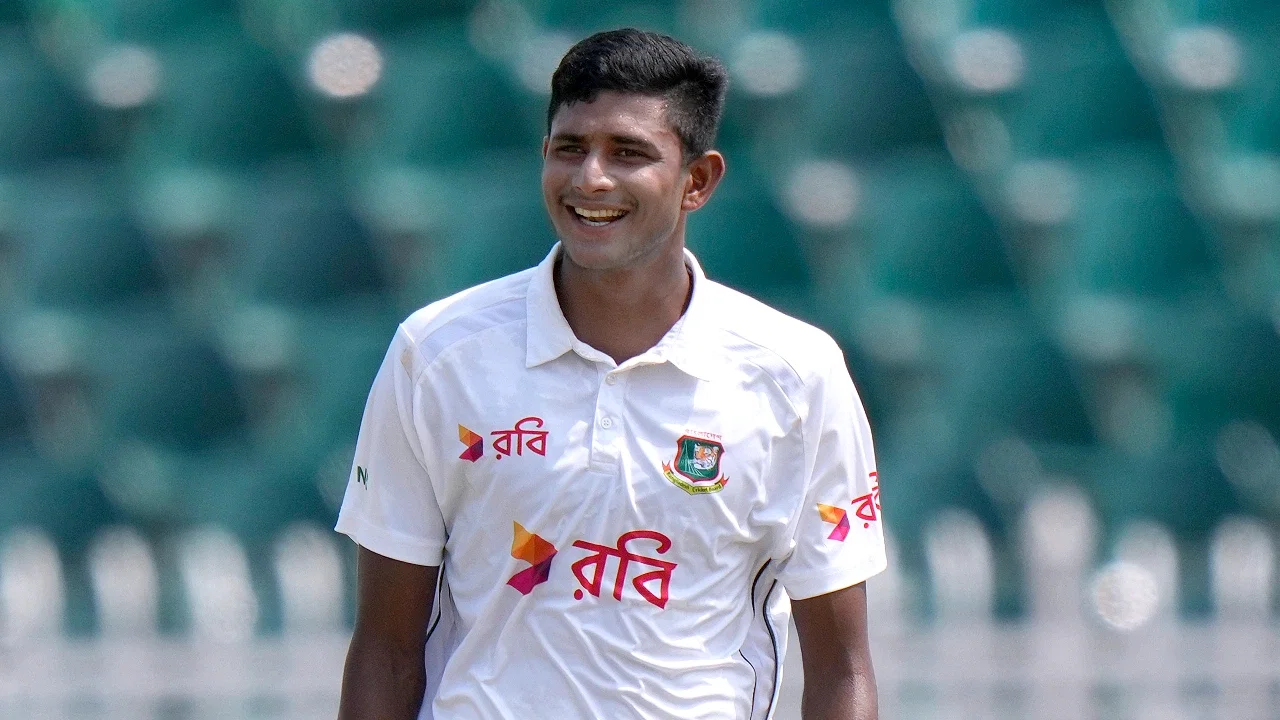
‘We don’t want to rush’: Bangladesh provide official update on Nahid Rana’s return
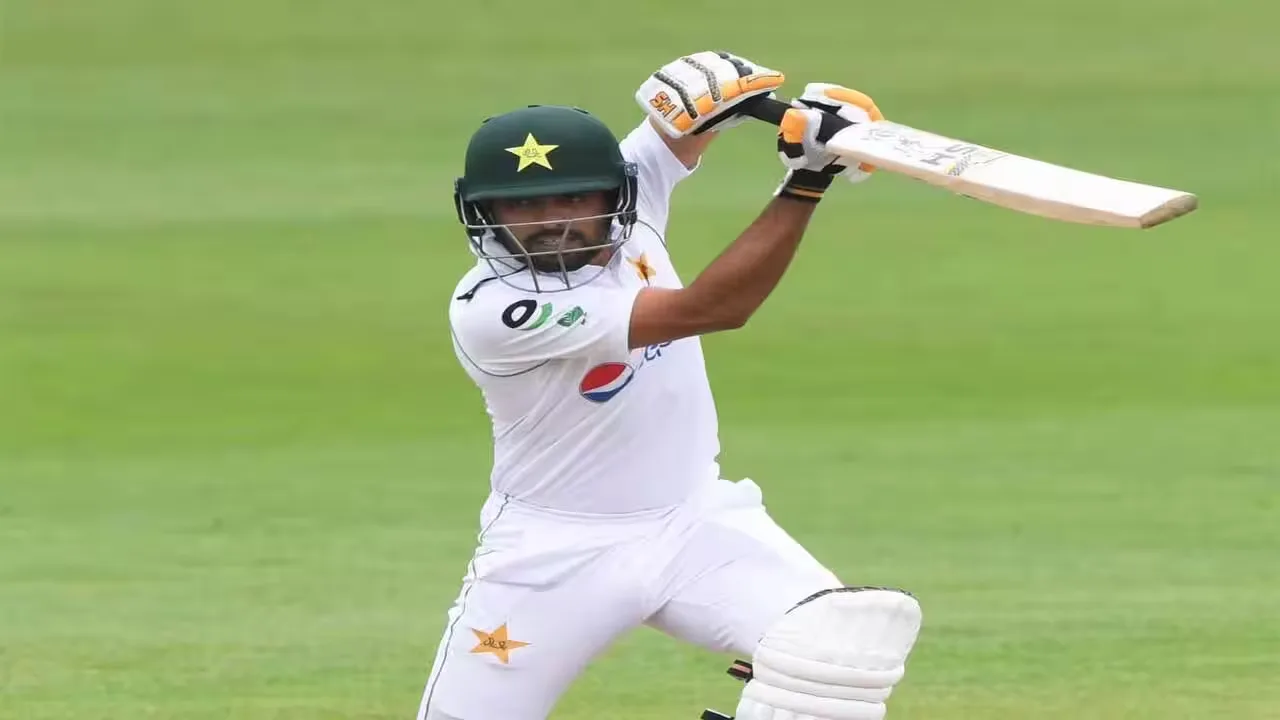
Babar Azam equals Misbah-ul-Haq’s Pakistan captaincy record during 1st Test against Sri Lanka
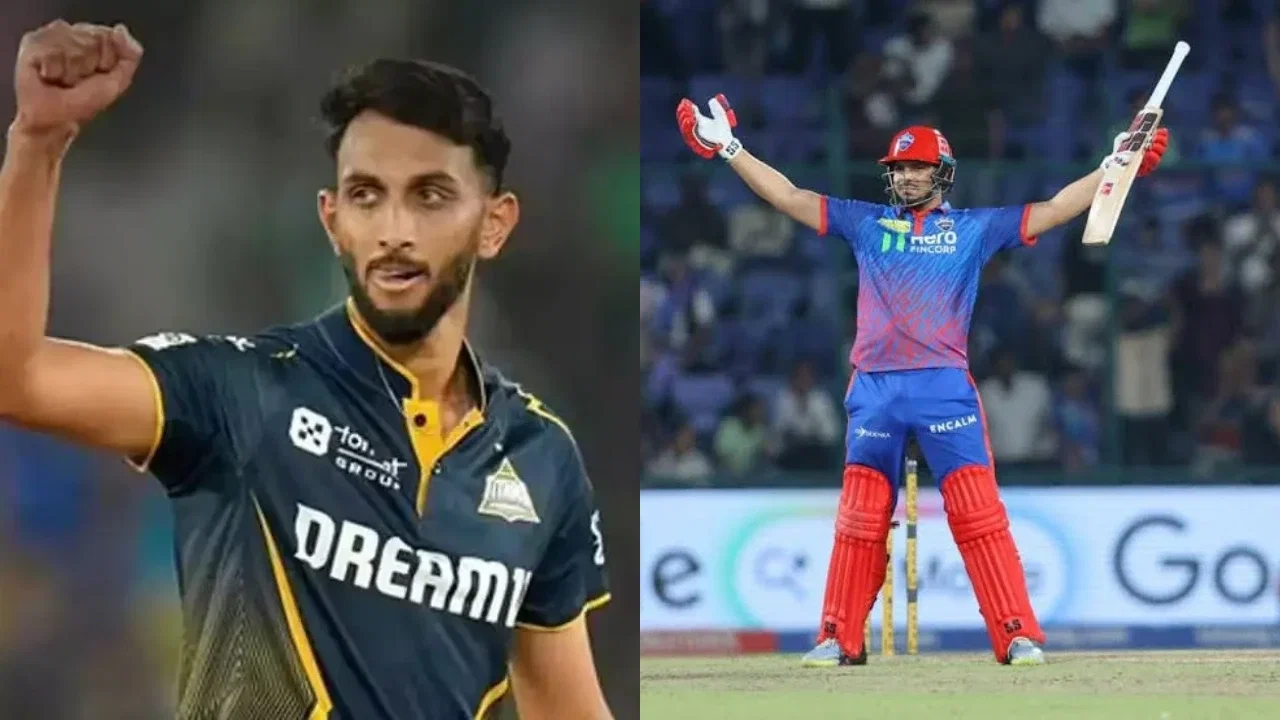
Prasidh Krishna to DC, Ashutosh Sharma to GT? IPL 2027 trade talks underway
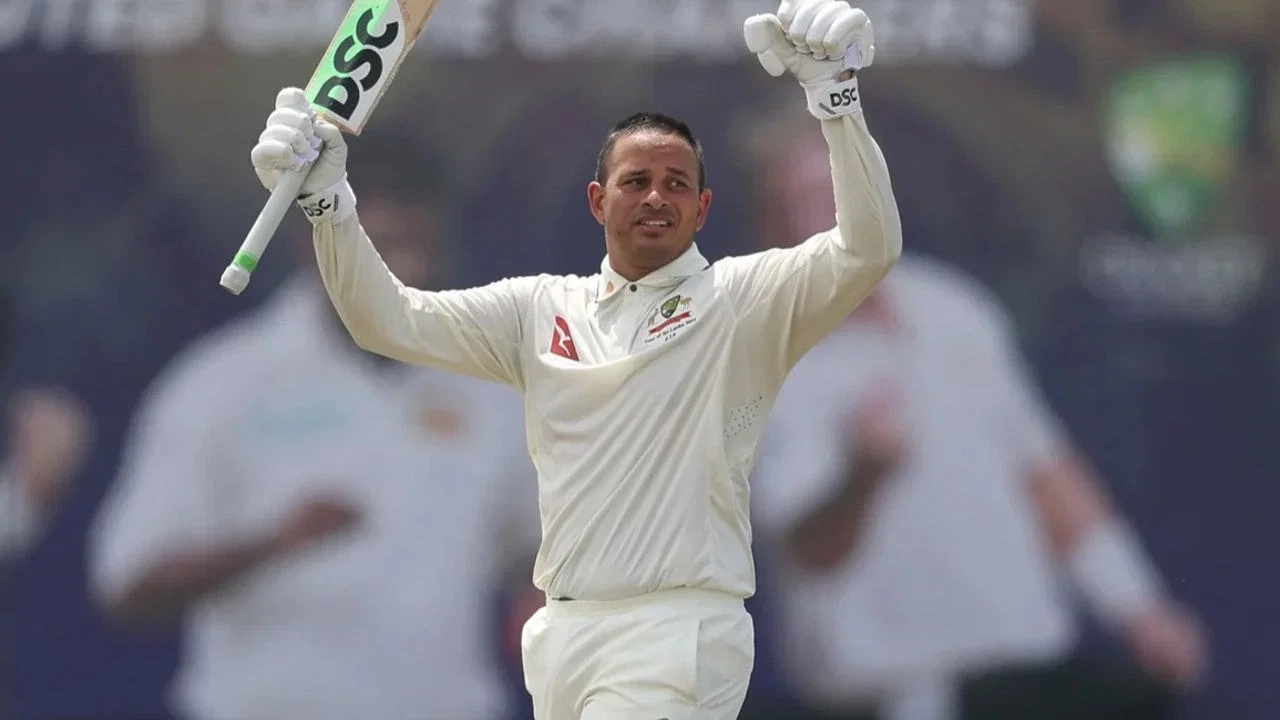
Usman Khawaja names Victoria the best at ball tampering in Australian domestic cricket
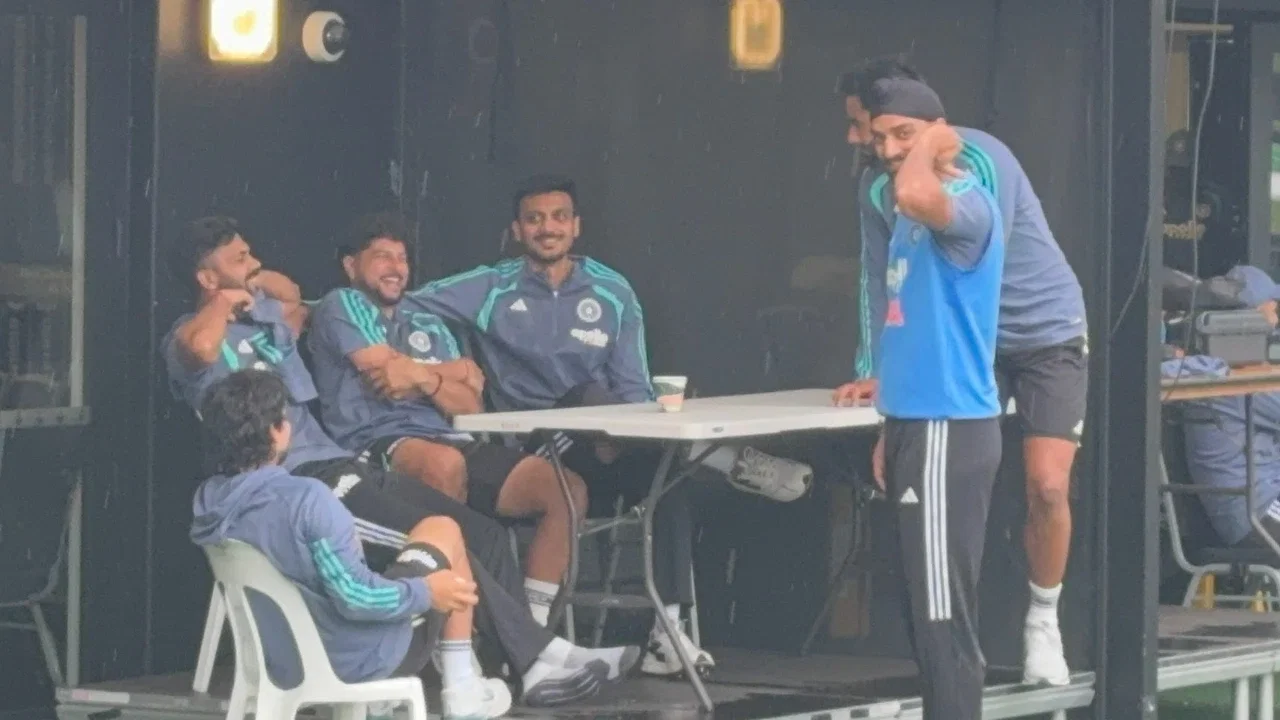
Axar Patel teases Arshdeep Singh with Mumbai Indians’ “Duniya Hila Denge” slogan

Hardik Pandya’s Mumbai Indians exit: Four options discussed before Punjab Kings deal
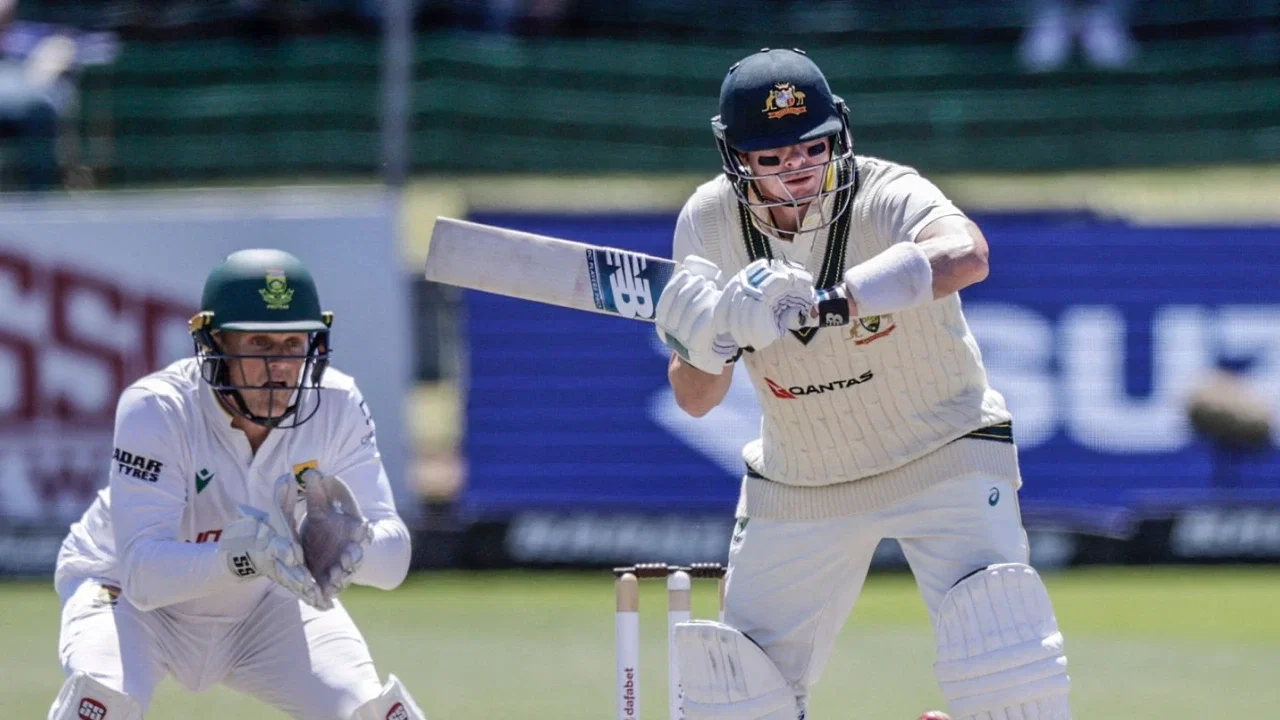
Steve Smith targets Sheffield Shield comeback after New York specialist visit
Bangladesh Test squad for South Africa tour announced, Mominul Haque returns