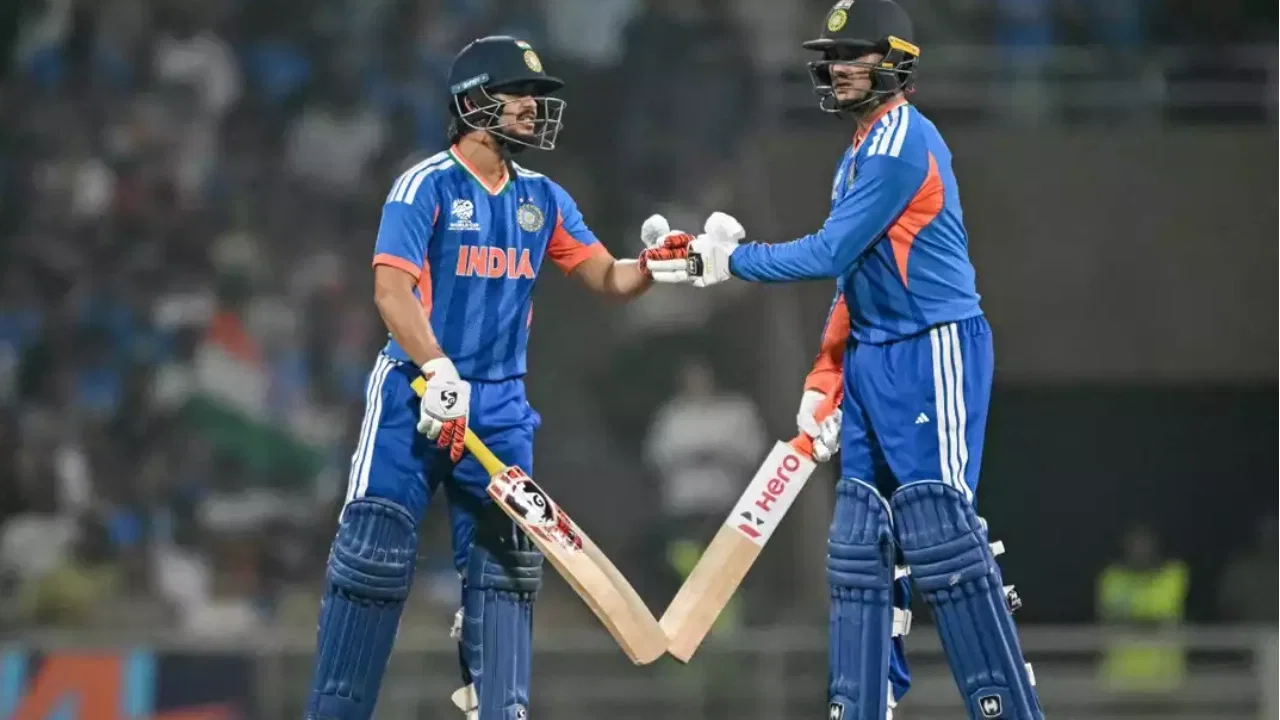
Ajinkya Rahane hails Team India’s move to send Vaibhav Sooryavanshi back as opener
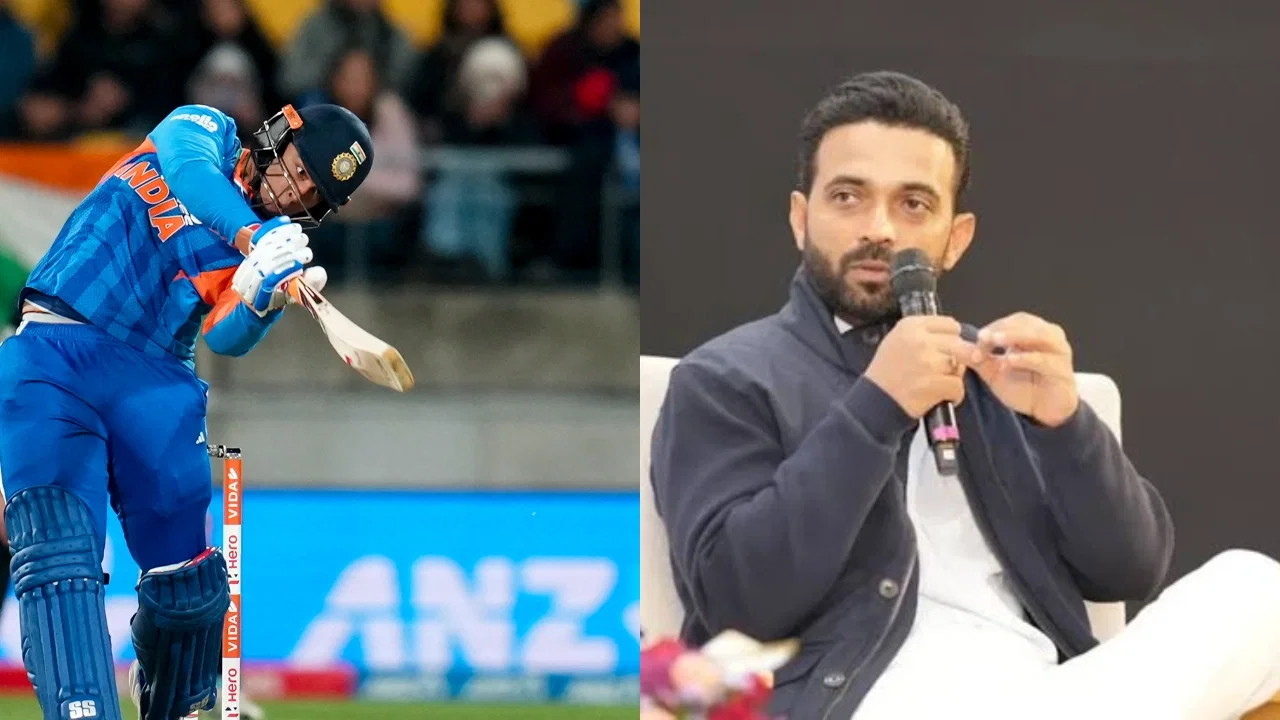
Ajinkya Rahane Backs Vaibhav Sooryavanshi’s Return to the Opening Slot
Former India batter Ajinkya Rahane has praised the team management’s decision to promote teenage prospect Vaibhav Sooryavanshi back to the top of the order in the third T20I against New Zealand. After batting at No. 3 in the previous match, Sooryavanshi opened alongside Abhishek Sharma—and the change helped India produce a commanding chase.
India reached their target of 199 with six wickets in hand and 40 balls remaining, taking a 2-1 lead in the five-match away series. The opening pair’s rapid start set the tone, with Sooryavanshi and Abhishek putting together 133 runs for the first wicket. Sooryavanshi fell five runs short of a half-century, but his aggressive contribution gave India a strong platform.
Speaking on his YouTube channel, Rahane said the promotion made sense because Sooryavanshi is naturally suited to batting early and playing with attacking intent. In his view, giving a young player a chance in a preferred role can help build confidence while allowing him to learn the demands of international cricket.
Why the Change in India’s Batting Order Worked
Sooryavanshi had moved to No. 3 for the second T20I, a position he had not previously occupied in the series. With Ishan Kishan unavailable for the second and third matches, India had room to adjust the order. For the third game, the management restored Sooryavanshi to the opening position and sent Sanju Samson in at No. 3.
Rahane described the reshuffle as a sensible decision rather than a permanent change. He noted that Sooryavanshi is still only 15 and will need time to become comfortable in different roles. At the same time, his current form and preference for taking on the new ball made the opening slot a logical place to use him.
“He is in good form and is the kind of player who likes to go out early, attack and dominate,” Rahane said. He added that the teenager would continue learning as his career develops, while the team’s combinations could change again when Kishan returns.
A Flexible Role as India Consider Future Combinations
India’s batting order may not remain the same for every match. If Kishan is available again, the management could revisit its opening partnership and decide where Samson fits best. That flexibility is a familiar feature of T20 cricket, where team selections often depend on player availability, match-ups and the balance between left- and right-handed batters.
For Sooryavanshi, however, the third T20I offered a valuable opportunity to show what he can do at the top. The result was not just a quick start but a substantial partnership that took pressure off the middle order. India still needed to complete the chase, but the openers’ 133-run stand left them firmly in control.
Rahane Highlights Sooryavanshi’s Confidence and Intent
Rahane said he particularly enjoyed the confidence Sooryavanshi showed from the first ball. The young batter’s willingness to attack immediately, including a shot over mid-on, stood out to the former India international. For Rahane, that early intent reflected a player who trusts his instincts and is prepared to take responsibility.
That approach can be valuable in a T20 opening role. Batters at the top have the chance to make use of fielding restrictions, but they must also judge when to take risks and when to build an innings. Sooryavanshi’s contribution against New Zealand showed how an assertive start can create momentum for the entire side, even when the opener does not reach a personal milestone such as a half-century.
Rahane welcomed the fact that the management gave Sooryavanshi an opportunity in the position where he appears most comfortable. He also made clear that one successful innings should not automatically determine the player’s role in every future match. The team can continue to assess his development while adapting its lineup to changing circumstances.
What the Third T20I Could Mean for India’s T20 Plans
India’s victory was significant not only for the series score but also for the way the top order responded under the pressure of a sizeable target. A successful chase of 199, completed with 40 balls to spare, underlined the value of a strong powerplay and a partnership that allowed the incoming batters to play with greater freedom.
Sooryavanshi’s performance also gives the team useful information for future selection decisions. His attacking style appears well suited to the demands of opening in T20 cricket, while his experience at No. 3 may help him become more adaptable over time. That versatility could prove useful as India manage different combinations across the remainder of the series and beyond.
Any prediction about Sooryavanshi’s long-term position in the national side would be premature. He is at an early stage of his career, and consistent performances, fitness and the team’s broader balance will all influence his opportunities. Still, the third T20I offered an encouraging sign: when given a chance in a role that suits his instincts, he can contribute decisively.
Rahane’s comments reflect a broader principle in player development: young batters benefit from clear opportunities, realistic expectations and room to grow. Sooryavanshi’s return to the opening slot delivered an immediate result for India, but the bigger takeaway may be the confidence the team showed in trusting the teenager’s natural game. With the series continuing, his next innings will offer another chance to see how he responds to the challenge.
Latest News
Yuzvendra Chahal set to make India comeback: Report
R Ashwin names Bhuvneshwar Kumar’s replacement for 4th T20I vs New Zealand
Ajinkya Rahane hails Team India’s move to send Vaibhav Sooryavanshi back as opener
Jos Buttler provides injury update, reveals when he could return to action
WPL 2027: Complete players’ list of all teams after the mini auction
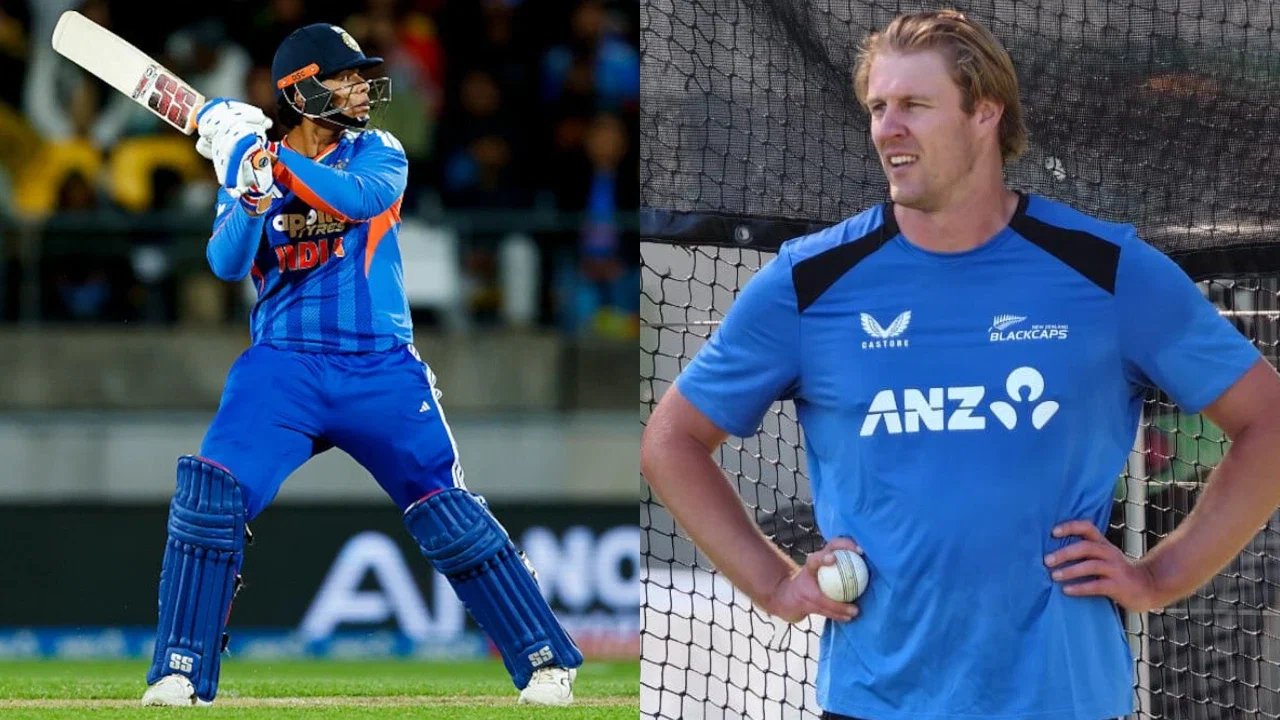
Kyle Jamieson stunned by Vaibhav Sooryavanshi’s talent and predicts an exciting future
Mohammed Siraj set to play for India A in 2nd unofficial Test against New Zealand A
Marnus Labuschagne becomes Australia’s worst batter in 147 years with 48-innings century drought
Faf du Plessis recalls shock decision to remove MS Dhoni as RPSG captain before IPL 2017
Musheer Khan achieves rare double after 35 years as Mumbai dominate Haryana in Ranji Trophy
Andrew McDonald set for fresh contract extension as Australia head coach
Nathan Lyon faces sandpaper taunt as 2018 ball-tampering scandal returns in Cape Town
R Ashwin sends clear message to Team India on Vaibhav Sooryavanshi’s batting position
Haris Rauf fined 20% of match fee by ICC for code of conduct breach against England