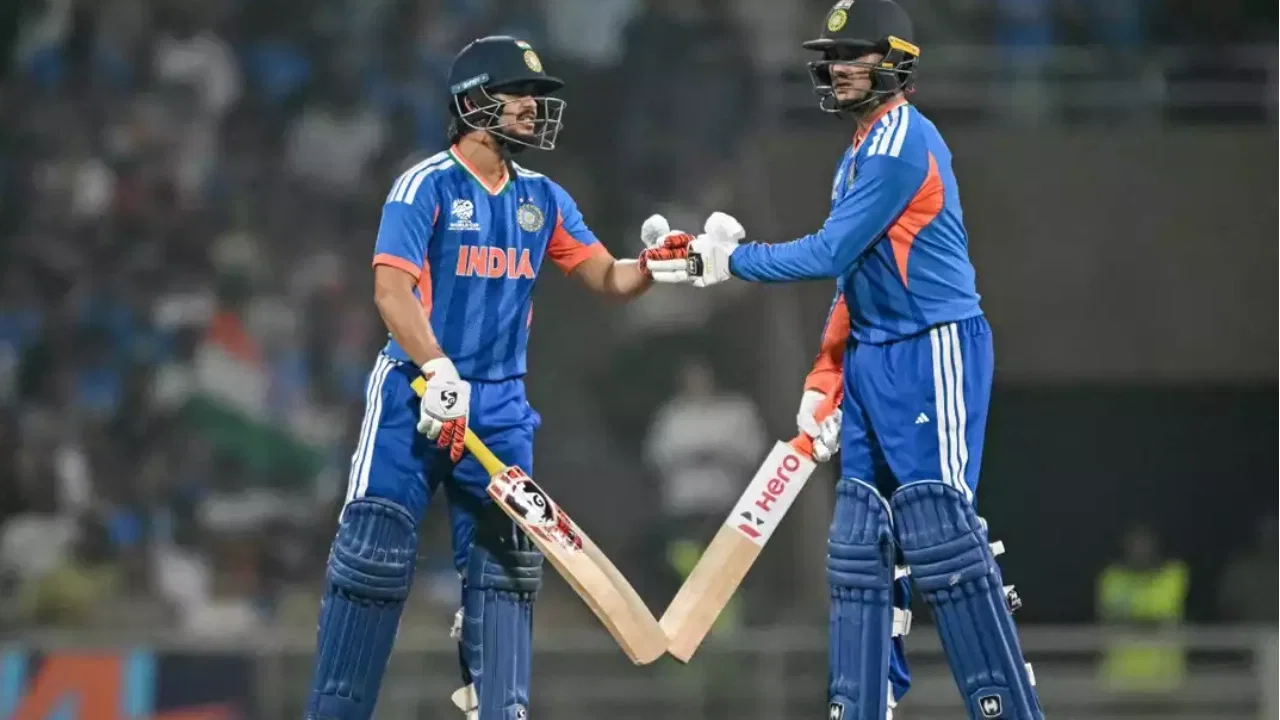
R Ashwin sends clear message to Team India on Vaibhav Sooryavanshi’s batting position
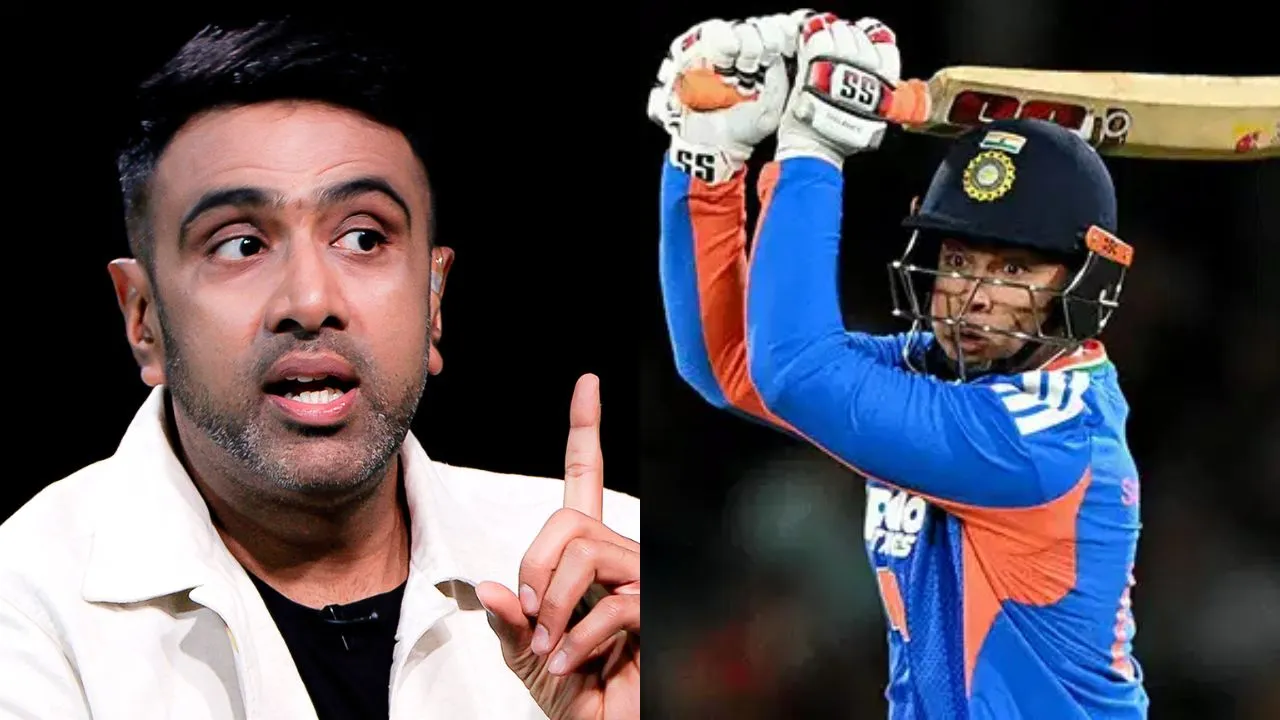
Ashwin backs Vaibhav Sooryavanshi as India’s opener in New Zealand T20I series
Former India spinner Ravichandran Ashwin believes the team should avoid changing Vaibhav Sooryavanshi’s batting position while Ishan Kishan is unavailable. After the teenager impressed as an opener in the third T20I against New Zealand, Ashwin said Sooryavanshi should continue at the top of the order, with Sanju Samson batting at No. 3.
The discussion over India’s batting order has gathered pace during the five-match series, particularly after Kishan’s injury prompted changes to the top four. Sooryavanshi was moved from his customary opening role to No. 3 for the second T20I, but struggled in the unfamiliar position. He returned to open in the next match and made an immediate impact, scoring 45 from just 19 deliveries.
Sooryavanshi makes his mark back at the top
Sooryavanshi has built his reputation as an aggressive opening batter in T20 cricket, where his ability to score quickly during the powerplay can give his team an early advantage. His innings in Wellington offered a timely reminder of why the role suits him: he attacked from the outset, helped India make a fast start and put pressure on New Zealand’s bowlers.
The 15-year-old’s place in the side had not been certain earlier in the series. He missed the home T20I series against the West Indies and was also left out of India’s opening match in New Zealand. Kishan’s injury created an opportunity, but the team’s decision to use Sooryavanshi at No. 3 in the second game raised questions about whether India were trying to fit several specialist batters into the same lineup.
His return to the opening position in the third T20I provided a clearer answer. Rather than asking him to adjust to a new role, India allowed him to bat where he is most familiar. His brisk 45 helped set the tone for the innings, and India went on to win the match, strengthening its control of the series.
Ashwin says India should keep the batting order simple
Speaking on his YouTube programme, Ash ki Baat, Ashwin argued that the team did not need to create uncertainty around Sooryavanshi’s position. He acknowledged that the teenager may not be India’s first-choice batter when the full group is available, but said the team should make practical choices based on the players in the XI for each match.
“I think we are creating confusion without reason,” Ashwin said, while noting that Abhishek Sharma and Samson would be among India’s preferred options at the top. His broader point was that a player’s role should reflect his strengths, rather than being changed simply to accommodate a temporary selection adjustment.
Ashwin also backed Samson for the No. 3 position until Kishan returns. Samson has experience in the middle order and, in Ashwin’s view, is better equipped to handle the demands of batting one-down than Sooryavanshi, whose strongest role is opening.
Why the No. 3 role matters
The No. 3 batter can face very different situations in a T20 innings. If an opener falls early, the incoming batter may need to steady the innings before accelerating. If the opening pair has made a strong start, the No. 3 batter may be expected to maintain the scoring rate and attack immediately. That flexibility makes experience valuable, especially in a series where India are testing combinations.
Samson’s ability to adapt to those scenarios makes him a natural candidate for the role while Kishan is sidelined. Meanwhile, keeping Sooryavanshi at the top gives India a specialist opener who can take advantage of the fielding restrictions. The arrangement also offers a straightforward way to preserve a balanced batting order without asking the young left-hander to move around unnecessarily.
There is a longer-term consideration, too. Young players often benefit from consistency as they adjust to international cricket. A settled role can help Sooryavanshi focus on decision-making, shot selection and handling different bowling plans, rather than learning a new position from match to match. India can still experiment when circumstances demand it, but Ashwin’s advice is to make role changes deliberately.
India take the series lead as a whitewash comes into view
India have won the first three matches of the five-game T20I series and have already secured the series against hosts New Zealand. The result gives the visitors room to assess their options in the remaining games, including how the batting order might look once Kishan is fit again.
The fourth T20I is scheduled for October 30 in Auckland, with India aiming to maintain its winning momentum. A victory in either of the final two matches would add to the series tally, while two more wins would complete a clean sweep and leave New Zealand without a victory in the contest.
For India, the remaining fixtures are an opportunity to balance immediate results with preparation for future competitions. The team can continue evaluating its top-order combinations, but Sooryavanshi’s latest innings has strengthened the case for keeping him in his preferred position.
India’s batting-order prediction for the next T20I
Based on Ashwin’s assessment and the performances so far, a likely short-term arrangement would see Abhishek Sharma and Sooryavanshi open, with Samson at No. 3 while Kishan remains unavailable. This is a prediction rather than a confirmed team selection, and the final order will depend on player fitness, match conditions and the management’s tactical plans.
Still, the logic is clear: retain Sooryavanshi as an opener, use Samson’s experience in the middle order, and revisit the combination when Kishan returns. The third T20I showed how effective that structure can be. If India maintain the same clarity in the remaining matches, the team may not only strengthen its series performance but also gain useful insight into its best T20 batting lineup.
Latest News
Yuzvendra Chahal set to make India comeback: Report
R Ashwin names Bhuvneshwar Kumar’s replacement for 4th T20I vs New Zealand
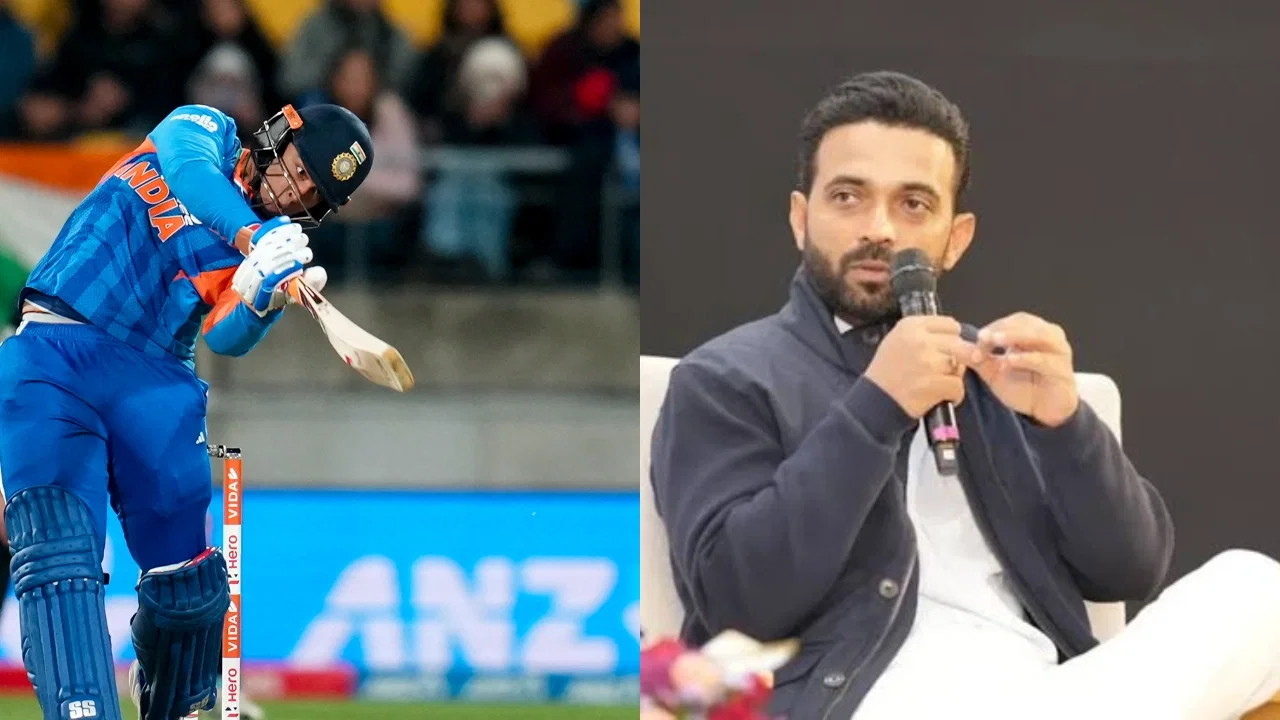
Ajinkya Rahane hails Team India’s move to send Vaibhav Sooryavanshi back as opener
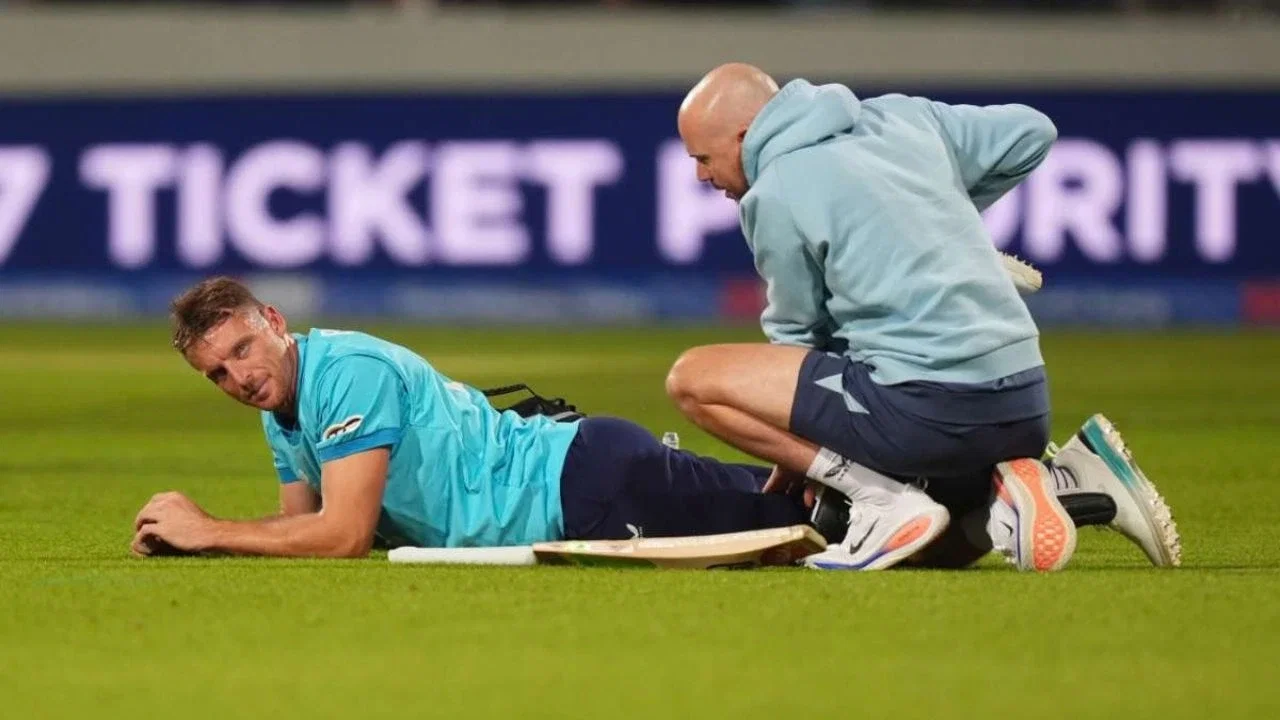
Jos Buttler provides injury update, reveals when he could return to action
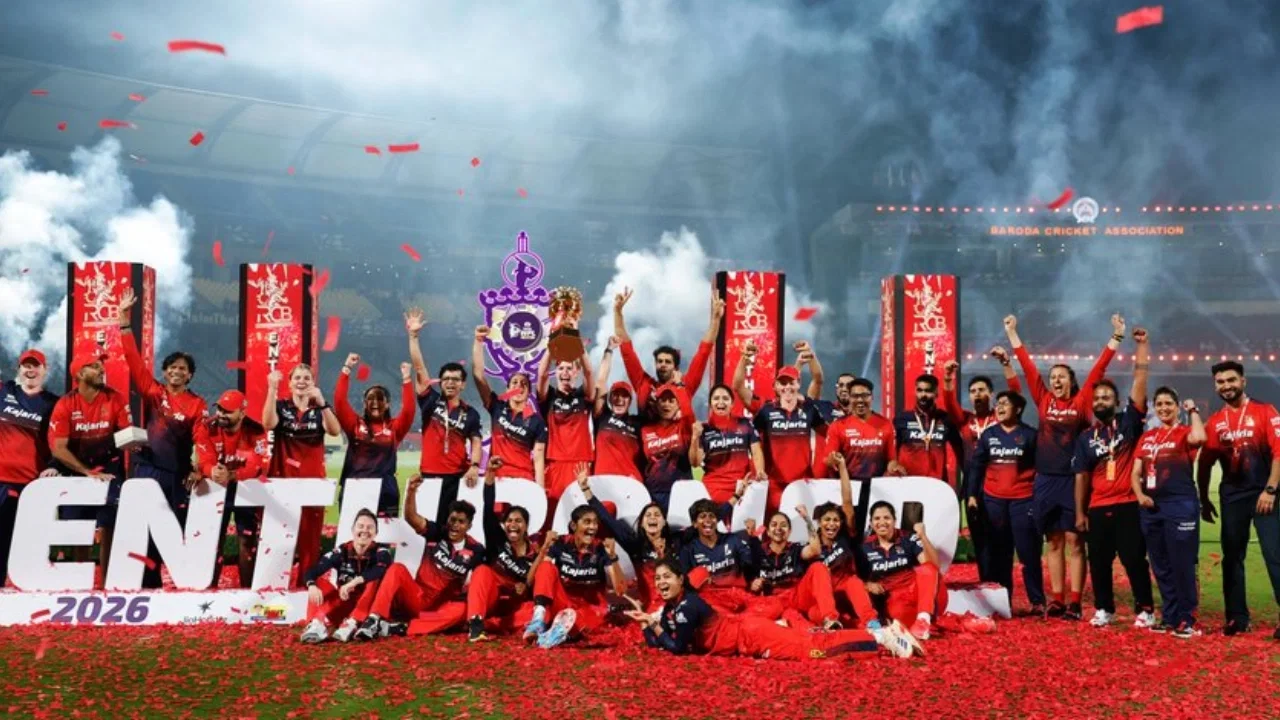
WPL 2027: Complete players’ list of all teams after the mini auction
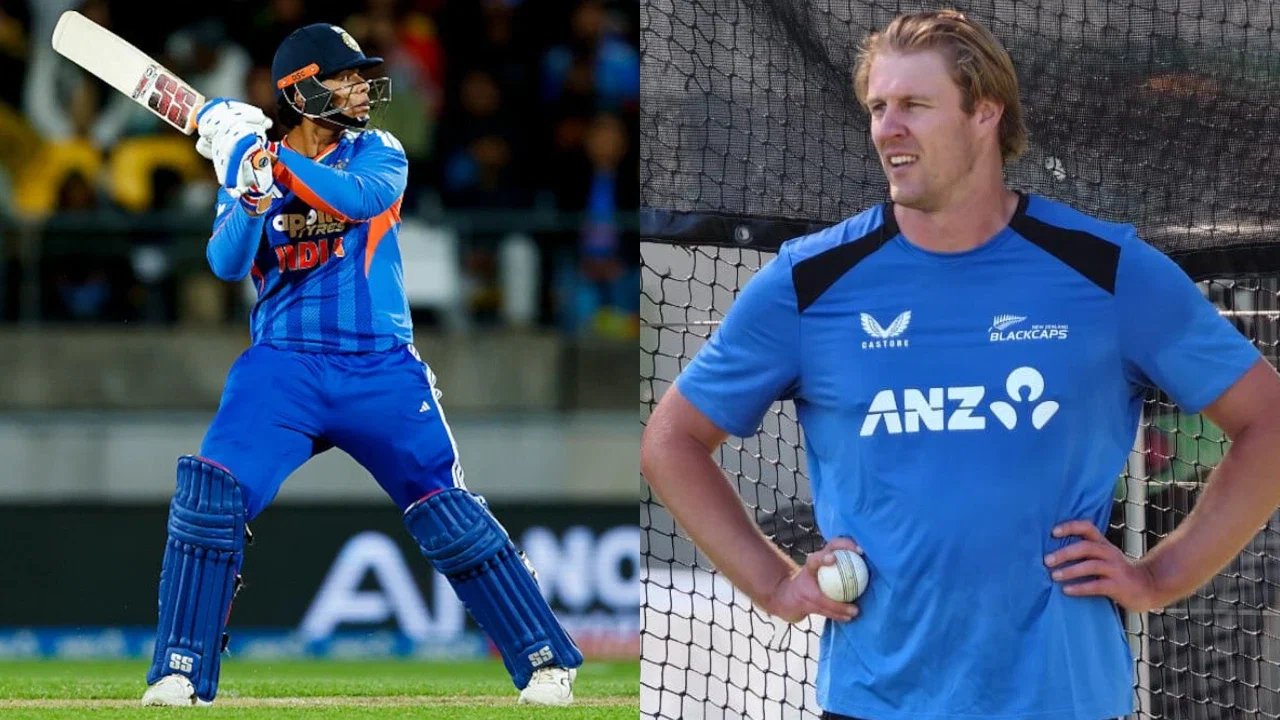
Kyle Jamieson stunned by Vaibhav Sooryavanshi’s talent and predicts an exciting future
Mohammed Siraj set to play for India A in 2nd unofficial Test against New Zealand A
Marnus Labuschagne becomes Australia’s worst batter in 147 years with 48-innings century drought
Faf du Plessis recalls shock decision to remove MS Dhoni as RPSG captain before IPL 2017
Musheer Khan achieves rare double after 35 years as Mumbai dominate Haryana in Ranji Trophy
Andrew McDonald set for fresh contract extension as Australia head coach

Nathan Lyon faces sandpaper taunt as 2018 ball-tampering scandal returns in Cape Town
R Ashwin sends clear message to Team India on Vaibhav Sooryavanshi’s batting position
Haris Rauf fined 20% of match fee by ICC for code of conduct breach against England