Marnus Labuschagne becomes Australia’s worst batter in 147 years with 48-innings century drought
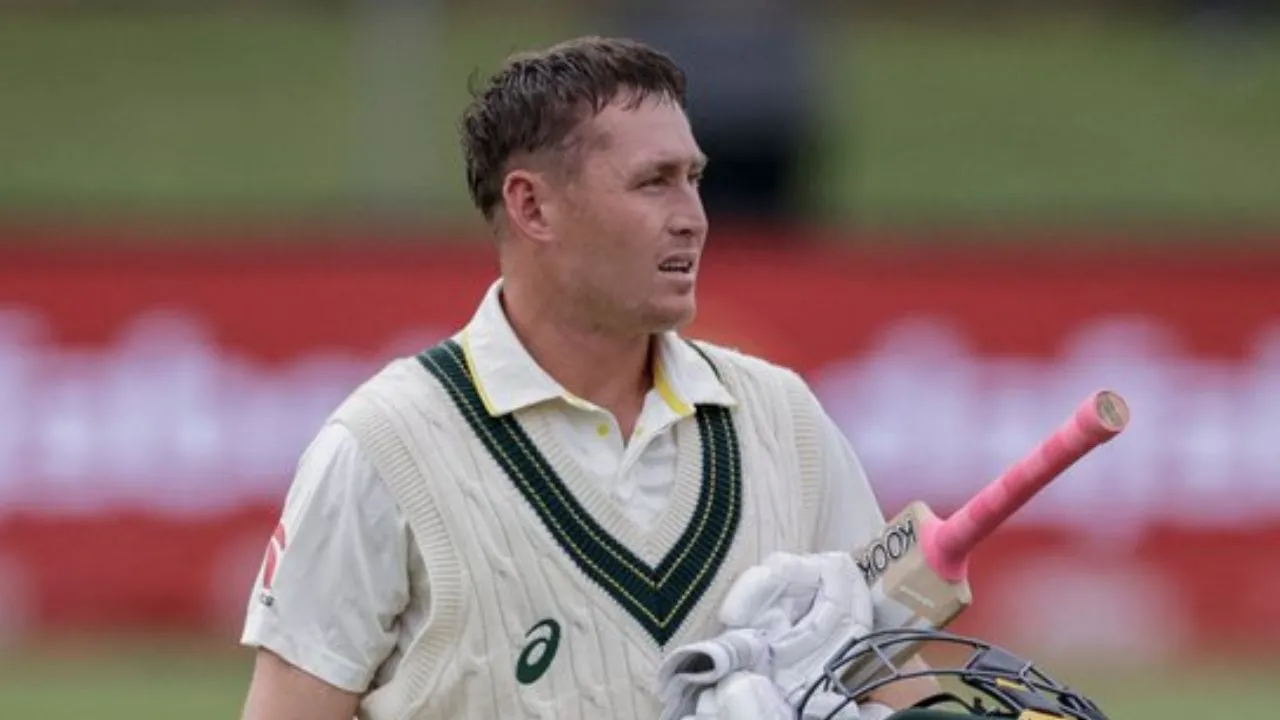
South Africa vs Australia: Marnus Labuschagne’s Test Drought Deepens in Cape Town Decider
South Africa and Australia are battling for the series in the third and final Test in Cape Town, with the contest level at 1-1. The Proteas are aiming to complete a comeback after losing the opening match, while Australia are seeking a response after a heavy defeat in the second Test. Amid the high stakes, Marnus Labuschagne’s latest failure has added another talking point: the Australian batter was dismissed for a five-ball duck in the first innings, extending a prolonged run without a major score.
Labuschagne’s dismissal came as Australia tried to steady their innings after South Africa posted 329. His difficult spell has now stretched to 15 Test innings without a half-century and 48 innings without a century, dating back to July 2023. The numbers have intensified scrutiny of the top-order batter, even as Australia’s selectors and coaching staff continue to back him.
Labuschagne sets an unwanted Australian record
Labuschagne’s latest innings has taken him past a longstanding mark associated with former Australia batter Alick Bannerman. According to the record cited during the series, Labuschagne has endured the longest century drought by an Australian top-four batter, surpassing Bannerman’s 47-innings wait between 1879 and 1893.
The contrast with Labuschagne’s earlier reputation is striking. At his best, he was known for occupying the crease, building long innings and making bowlers work for every wicket. His last Test century, however, came in July 2023, when he scored 111 against England in the fourth Ashes Test at Old Trafford. Since then, he has not reached three figures in the format.
That does not mean every recent innings has been a failure. Labuschagne’s highest score in the current series is 39, made in the second innings of the second Test. But a series-best score below 40 is unlikely to satisfy a player accustomed to being a central figure in Australia’s batting plans. The Cape Town decider offers him a chance to respond, although the pressure is mounting with each missed opportunity.
Promising preparation has not translated into Test runs
Labuschagne arrived in the series with reason to feel confident after scoring a century in a tour match. His familiarity with South African conditions also raised expectations that he could make a significant contribution. Instead, he has struggled to convert preparation and starts into substantial scores against the Test attack.
In the opening Test, he made 37 in each innings. In the second match, he scored 14 in the first innings and 39 in the second. His duck in Cape Town has made the pattern more difficult to ignore: he has been getting opportunities at the crease, but has yet to produce the innings that could change the course of the series.
A substantial second-innings contribution would be valuable not only for Australia’s match prospects but also for Labuschagne’s confidence. Reaching a half-century could help him settle, while a century would end the drought and provide a powerful answer to questions about his place in the side. For now, however, the focus is on whether he can regain composure and turn a difficult run into a fresh start.
South Africa build a strong first-innings total
The Cape Town Test began with Australia captain Pat Cummins winning the toss and choosing to field. The decision raised eyebrows, particularly given the importance of the match and the changes Australia had made to their lineup. One significant absence was Steve Smith, who was unavailable for the series finale, forcing the visitors to adjust their plans.
South Africa made the most of their chance to bat first, putting together a productive opening partnership of 158. Aiden Markram contributed 78, while Marques Ackerman led the innings with an impressive 95. Ackerman came close to a maiden Test century, but his dismissal before reaching three figures left South Africa just short of an even bigger total.
David Bedingham then added a useful 50, and Marco Jansen provided another important contribution with 52. Jansen’s runs were especially valuable lower down the order, helping the hosts push beyond 300 after the top-order platform had been established. South Africa were eventually dismissed for 329—a competitive score that gave their bowlers something substantial to defend.
Australia steady the innings after early setbacks
Australia’s reply began under pressure, with the visitors losing two wickets before they could fully settle. At 105 for two, however, they remained in a position to rebuild. Matt Renshaw and Cameron Green were at the crease, tasked with restoring momentum and preventing South Africa from taking control of the match.
Their partnership is important in the context of a series that has swung sharply between the teams. Australia dominated the first Test, winning by 214 runs. South Africa answered emphatically in the second, producing an innings victory, with captain Temba Bavuma playing a commanding role in the hosts’ recovery. The decisive third match has therefore become a test of how quickly each side can adapt after a setback.
Series prediction: the decider remains finely balanced
South Africa’s 329 gives them a solid platform, while Australia’s response will depend on whether their middle order can build a substantial partnership. The early loss of two wickets has handed the hosts an opening, but Renshaw and Green can shift the balance if they bat with patience and limit further damage.
For South Africa, the priority will be to keep applying pressure with disciplined bowling and make the most of any movement or uneven bounce on offer. For Australia, avoiding a collapse is essential: a competitive first-innings total would keep the match—and the series—within reach.
Labuschagne’s form remains one of the defining individual storylines of the decider. His record drought has increased attention on every innings, but the match is still unfolding, and a second-innings opportunity could offer a chance to change the narrative. With the series tied, the Cape Town Test promises a tense finish, as both teams chase a result and Australia’s experienced batter looks to rediscover the form that once made him a cornerstone of the lineup.
Latest News
Yuzvendra Chahal set to make India comeback: Report
R Ashwin names Bhuvneshwar Kumar’s replacement for 4th T20I vs New Zealand

Ajinkya Rahane hails Team India’s move to send Vaibhav Sooryavanshi back as opener
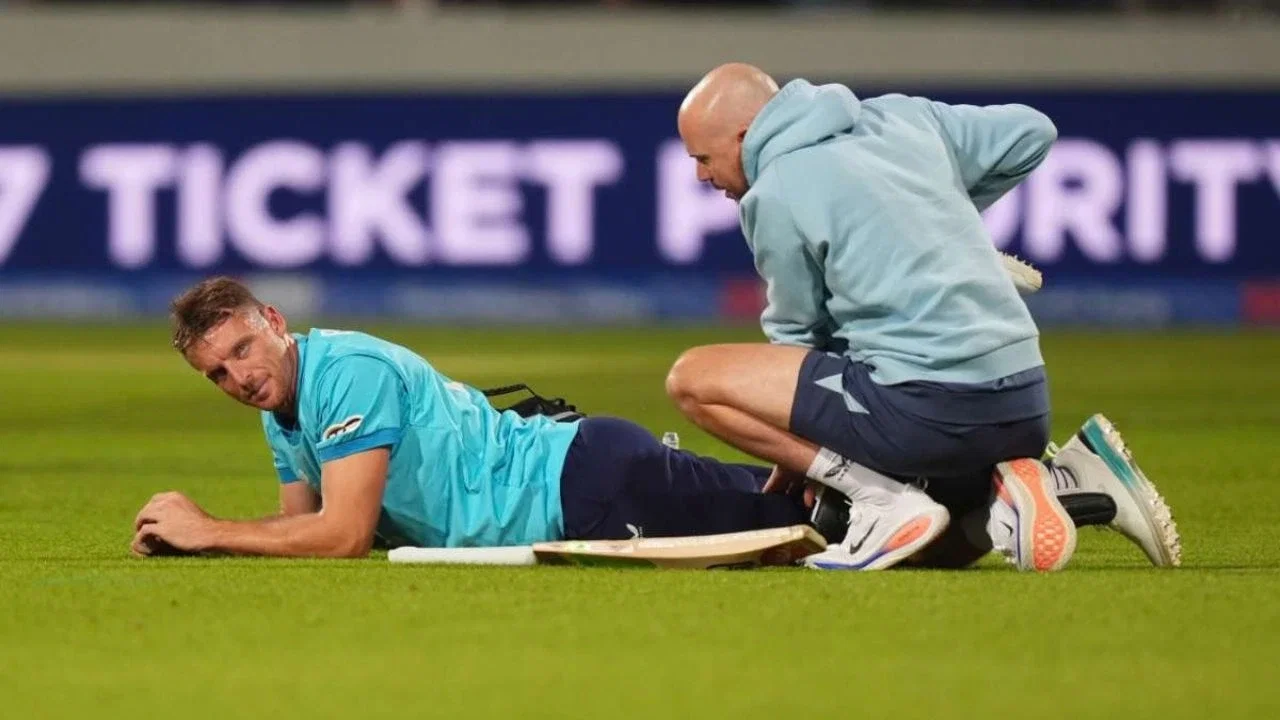
Jos Buttler provides injury update, reveals when he could return to action

WPL 2027: Complete players’ list of all teams after the mini auction
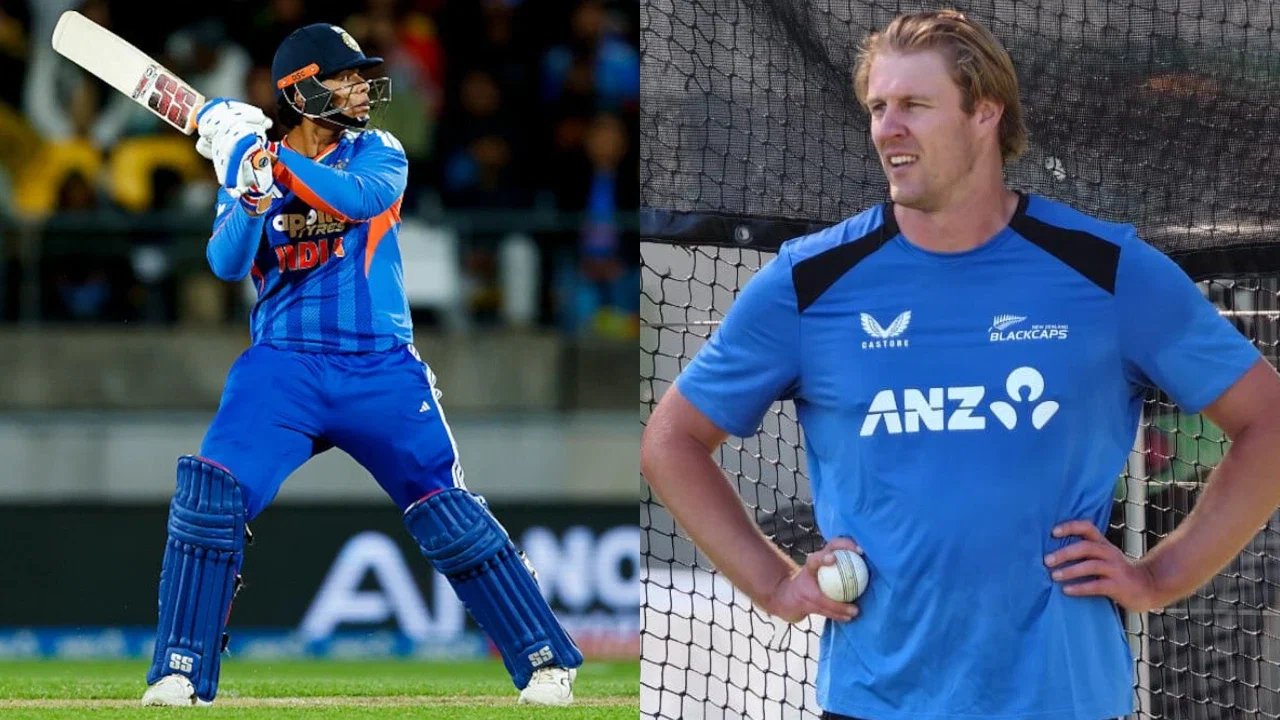
Kyle Jamieson stunned by Vaibhav Sooryavanshi’s talent and predicts an exciting future

Mohammed Siraj set to play for India A in 2nd unofficial Test against New Zealand A
Marnus Labuschagne becomes Australia’s worst batter in 147 years with 48-innings century drought

Faf du Plessis recalls shock decision to remove MS Dhoni as RPSG captain before IPL 2017
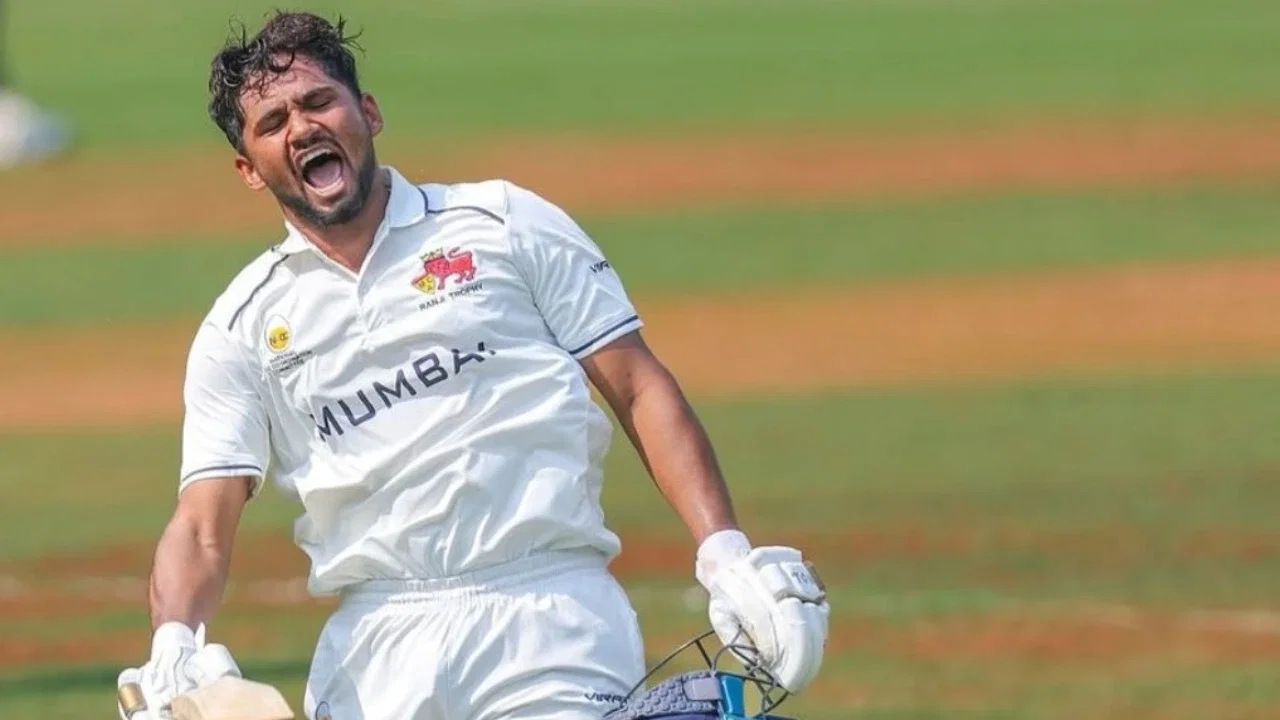
Musheer Khan achieves rare double after 35 years as Mumbai dominate Haryana in Ranji Trophy
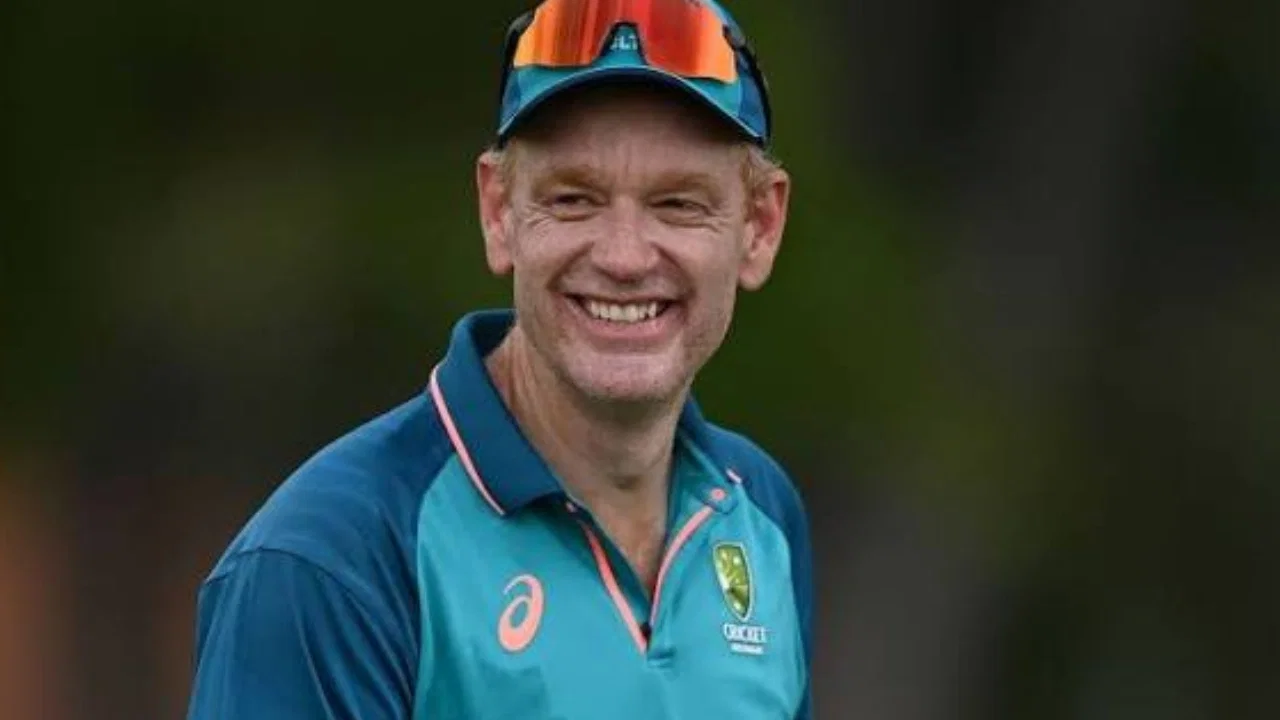
Andrew McDonald set for fresh contract extension as Australia head coach

Nathan Lyon faces sandpaper taunt as 2018 ball-tampering scandal returns in Cape Town
R Ashwin sends clear message to Team India on Vaibhav Sooryavanshi’s batting position
Haris Rauf fined 20% of match fee by ICC for code of conduct breach against England