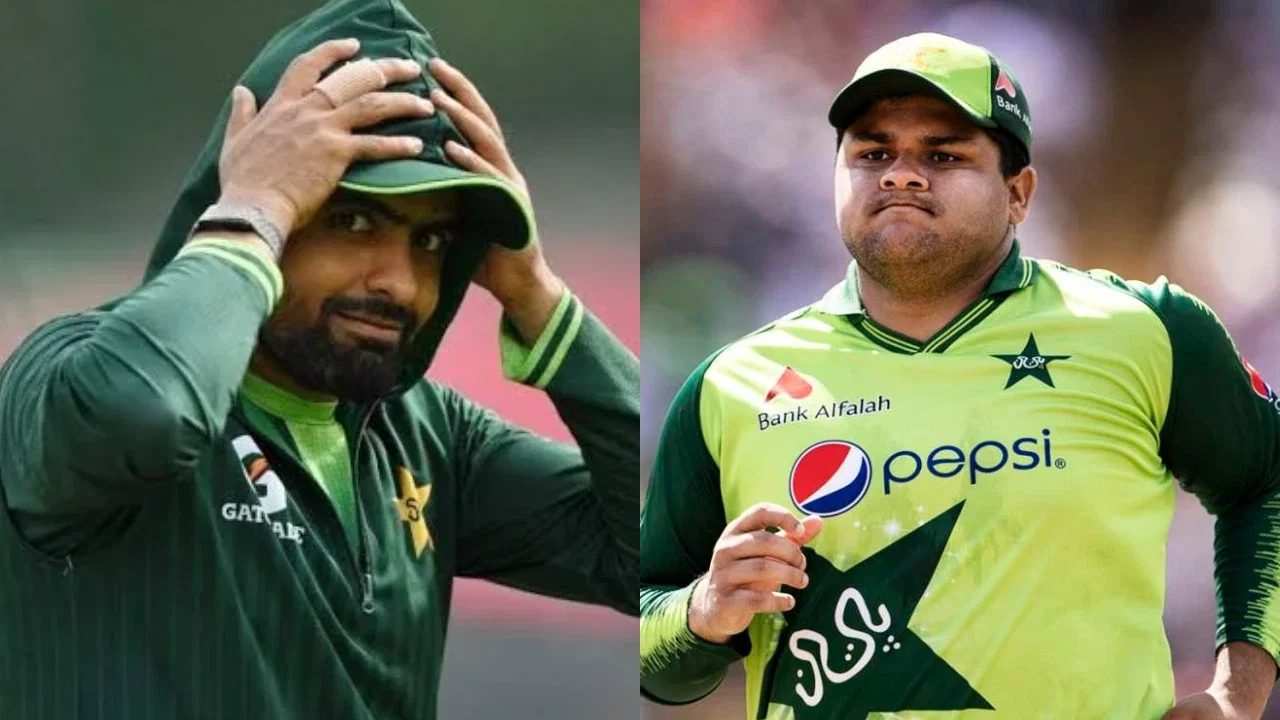
Allan Donald calls Temba Bavuma a “quiet little warrior” after South Africa’s Test series win over Australia

Allan Donald Praises Temba Bavuma’s Quiet Leadership After South Africa’s Test Triumph
South African cricket legend Allan Donald has praised Temba Bavuma for the calm, understated leadership that has helped shape the Proteas’ success in Test cricket. Bavuma’s influence was again on display as South Africa recovered from an opening defeat to beat Australia 2-1 in a three-match series, a result that strengthened the team’s standing in the ICC World Test Championship race.
For Donald, one small moment after the decisive match captured the essence of Bavuma’s captaincy. During the trophy presentation, the South African skipper passed the silverware to Simon Harmer, whose outstanding bowling had played a major role in the victory. Rather than claim the spotlight, Bavuma chose to recognise a teammate’s contribution.
A captain who puts the team first
Speaking to Hindustan Times, Donald said the gesture reflected a leader who prefers to let his work—and his team’s results—do the talking. Bavuma, he observed, is not someone who seeks attention or makes a show of authority. His leadership is quieter, built on composure, trust and a willingness to share credit.
“I don’t know if anybody noticed, but straight after the game, during the trophy presentation, he immediately gave the trophy to Simon Harmer. And that’s Temba,” Donald said. “Temba doesn’t want to be seen in the front row, doesn’t want to be seen as the guy who’s going to lift the trophy. He’s not going to make any noise. He’s a very quiet man.”
That approach has helped Bavuma earn respect in a team environment where individual performances often attract the headlines. His captaincy does not rely on theatrical speeches or constant displays of emotion. Instead, he appears to lead through preparation, personal example and the confidence he gives his players to perform their roles.
South Africa’s response to Australia’s early challenge
The series victory was especially significant because Australia began strongly, winning the opening Test and putting the hosts under immediate pressure. Australia remain one of the toughest opponents in international cricket, particularly in the longest format, and an early loss could have left South Africa struggling to regain momentum.
Instead, the Proteas responded with two consecutive wins to take the series. The turnaround highlighted the team’s resilience as well as Bavuma’s ability to keep the group focused after a difficult start. South Africa’s success also added weight to their World Test Championship ambitions, with the team looking to remain in contention for another final after winning the Test Mace in the previous WTC cycle.
A strong series result does not guarantee qualification. The championship race depends on results across the full cycle, and every match can influence the standings. Still, beating Australia after falling behind is the kind of performance that can strengthen a team’s confidence and improve its prediction for a successful campaign—provided the Proteas maintain the same level of consistency in the matches ahead.
Bavuma’s century under pressure
Donald also singled out Bavuma’s century in Port Elizabeth, describing it as one of the finest innings he had seen at the venue in a long time. The South African captain scored 179 after his side had suffered early setbacks, steadying the innings when the match—and the wider series—was at a critical point.
The innings was more than a personal milestone. It helped South Africa recover from a vulnerable position, shifted pressure back onto Australia and gave the home side a platform to compete. In a series where momentum changed sharply after the first Test, Bavuma’s ability to produce a major contribution under pressure proved crucial.
“The hundred he scored the other day was fantastic,” Donald said. “Under immense pressure, he delivered and led from the front.” For a captain, leading from the front can mean setting the tone with the bat as much as making tactical decisions in the field. Bavuma’s knock offered both: runs at a vital moment and a visible example of calm determination.
Why Bavuma’s leadership matters
Bavuma has sometimes been judged by his stature or by whether he fits the image of a conventional, outspoken sports leader. Donald’s comments challenge that narrow view. At around 5ft 4in, Bavuma is shorter than many of his teammates, but his impact cannot be measured by height or volume. Donald’s description of him as a “quiet little warrior” speaks to a player whose resolve becomes most apparent when the pressure is highest.
That quality is particularly valuable in Test cricket, where matches unfold over several days and teams must respond to setbacks without losing discipline. A captain needs to manage changing conditions, protect the team’s confidence and make decisions that may not produce immediate results. Bavuma’s measured style appears suited to that challenge: he can speak with authority without needing to dominate every moment.
His leadership also reflects a broader shift in how captaincy is understood. There is no single formula for guiding a successful team. Some leaders motivate through visible intensity, while others build trust through consistency and shared responsibility. Bavuma’s example suggests that a quieter captain can still command respect—and that giving teammates recognition can be as revealing as lifting the trophy himself.
Looking ahead for the Proteas
South Africa’s win over Australia gives the team a valuable boost, but the next test will be sustaining that form. The Proteas will need contributions from across the squad, not just their captain, if they are to remain strong contenders in the World Test Championship. Harmer’s match-winning bowling and Bavuma’s pressure-defying batting showed how complementary performances can turn a difficult series around.
For supporters, the most encouraging sign may be the balance between individual excellence and collective purpose. Bavuma’s century helped rescue his side, while his decision to hand the trophy to Harmer underlined that he sees success as a shared achievement. Donald’s praise captures why the captain has become such an important figure in South African cricket: he leads without demanding the spotlight, but his influence is difficult to miss.
Latest News
Prithvi Shaw opens up on his India return hopes after Maharashtra beat Bengal

Gloucestershire set to rebrand T20 Blast team as Bristol to attract local fans
Rishabh Pant shares recovery update ahead of India vs New Zealand Tests

Cameron Green in CSK’s sights? R Ashwin shares theory behind blockbuster signing

Mohammad Kaif questions Mohammed Siraj’s omission, hints at rift between selectors and team management

Virat Kohli receives heartfelt birthday wish from sister after match-winning ODI knock
Allan Donald calls Temba Bavuma a “quiet little warrior” after South Africa’s Test series win over Australia
Kieron Pollard’s coaching role takes a turn as he prepares to leave MI

Brendan Taylor scripts history with Test century at 40 against Afghanistan

Sourav Ganguly confirms DC’s interest in Jake Fraser-McGurk and Shai Hope ahead of IPL 2027 auction

“Going to be one of the greatest”: Allan Donald hails Kagiso Rabada after impressive show against Australia
Mohammed Siraj officially joins India’s ODI squad after missing series opener
BCCI announces venue change for India vs Sri Lanka ODI series opener to Visakhapatnam

Kolkata Knight Riders retained players list 2027: Predicted retentions ahead of IPL auction