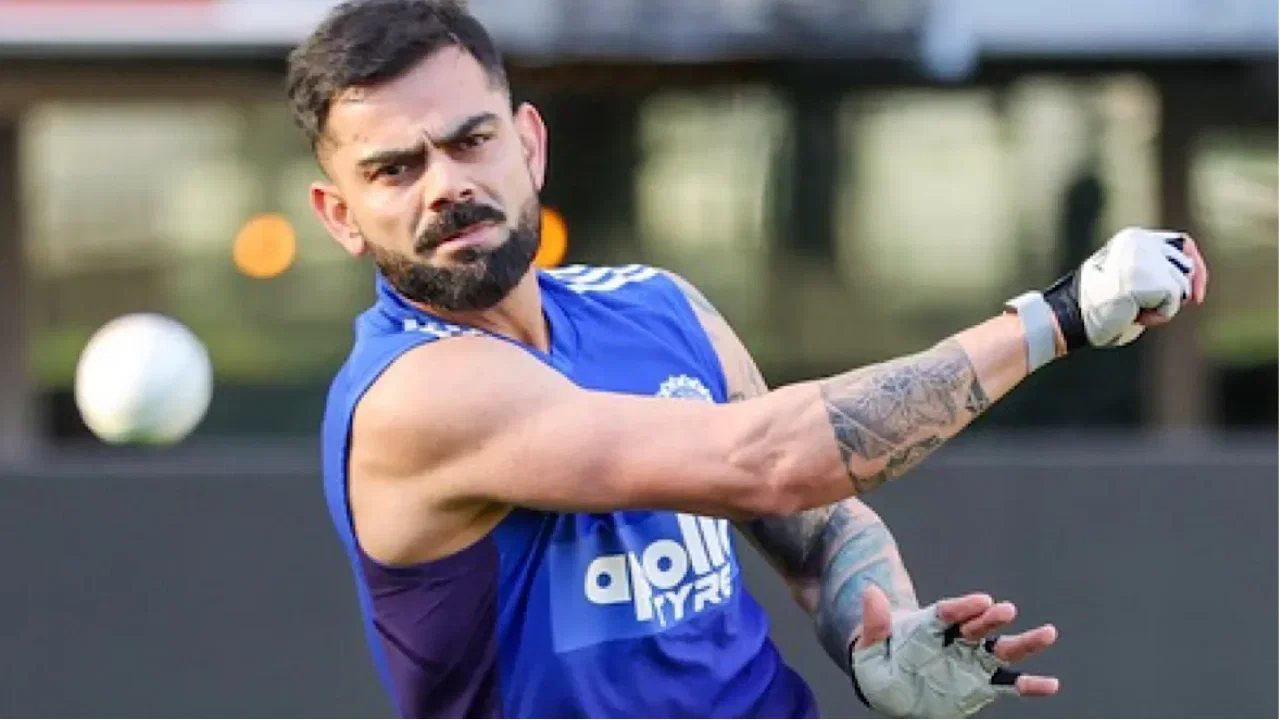
“Your mom will die”: Azam Khan reveals horrific abuse from Babar Azam fan
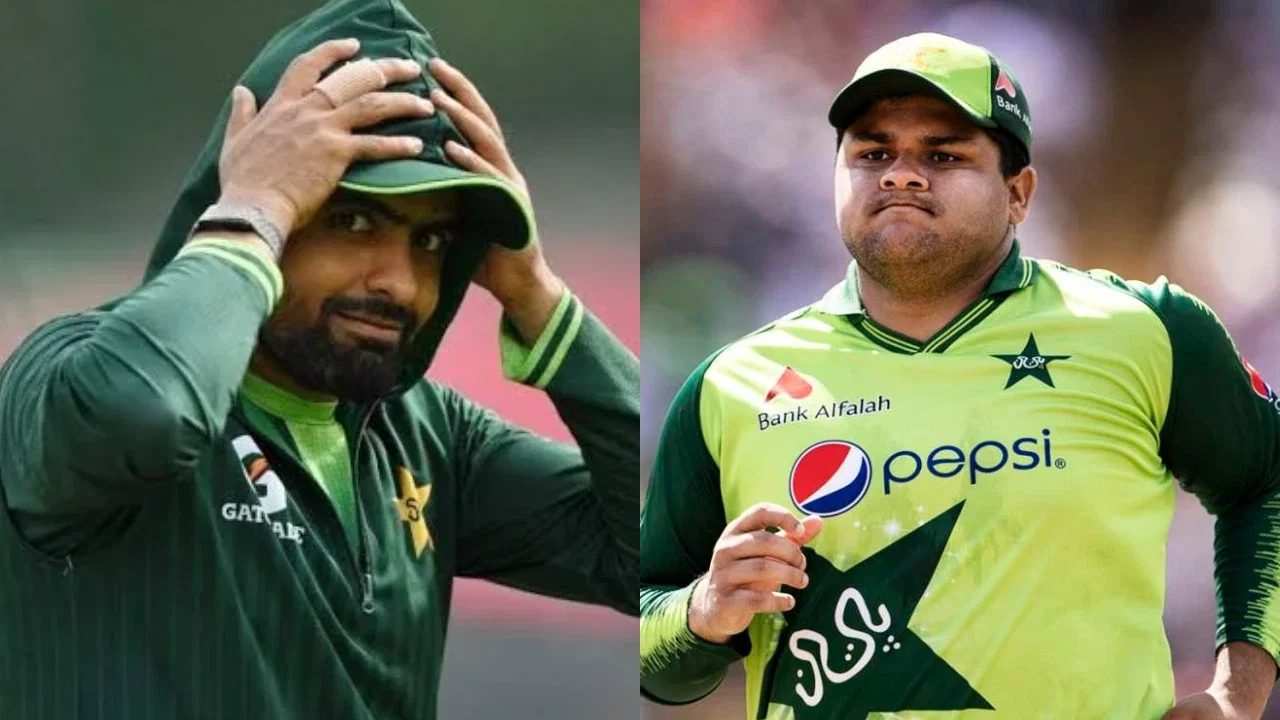
Azam Khan Calls Out Toxic Online Abuse From Babar Azam Fans
Pakistan wicketkeeper-batter Azam Khan has spoken candidly about the darker side of cricket fandom, revealing that he received a disturbing threat from a social media user during Pakistan’s tour of Ireland. The message, he said, targeted his parents and accused him of potentially preventing Babar Azam from scoring a century.
Sharing the story on the Backward Point Cricket Podcast, Azam criticised the behaviour of fans who take their support for individual players too far. He described some sections of Pakistan cricket’s online fan culture as toxic, while making clear that his comments were about abusive supporters—not Babar himself.
Threat Followed an Ireland Tour Match
Azam recalled batting alongside Babar during a match in Ireland. Babar was on approximately 75 runs, and Pakistan needed around 40 more to win. As the innings continued, a user left a threatening comment on one of Azam’s Instagram posts, warning that his mother would die and his father would develop cancer if Azam stopped Babar from reaching a hundred.
“It’s very bad,” Azam said on the podcast, describing the message as an example of how far some supporters can go. The threat shocked him because it turned a routine cricketing situation—two batters trying to complete a chase—into a reason to target a player’s family.
The incident highlights a troubling feature of online sports culture: criticism of a player’s performance can quickly become personal abuse, harassment or threats. Social media gives fans an immediate way to react to a match, but that access does not excuse intimidation. When a player is threatened over a teammate’s milestone, the conversation has moved well beyond ordinary support or rivalry.
Azam Separates Babar’s Game From His Fans’ Conduct
Although Azam strongly criticised the behaviour of some Babar supporters, he also defended the former Pakistan captain. He said he does not believe there is anything fundamentally wrong with Babar’s game and expressed confidence that the batter can return to form.
Azam’s distinction is important. His criticism was directed at fans who use abusive language or threats in the name of supporting a favourite player—not at Babar personally. In his view, that conduct can make the environment around a cricketer more difficult, particularly when every result or individual score becomes a source of intense online debate.
Pakistan’s leading players are routinely judged across formats, with strong performances often followed by scrutiny over selection, strike rate, fitness and leadership. Such discussion is part of professional sport, but threats against family members are not meaningful criticism. They can also create a hostile atmosphere for teammates who happen to be involved in a key moment during a match.
“The Comments Don’t Matter Now,” Says Azam
Azam also discussed how he handles criticism on Instagram. He said he no longer restricts his comments and has become less affected by what users post. After what he described as a difficult couple of years for Pakistan’s cricketers, he said online remarks have lost some of their power over him.
His approach reflects a common challenge for athletes in the social media era. Players can receive praise and criticism within seconds of a match ending, often from thousands of accounts at once. While some comments offer fair analysis, others focus on appearance, fitness or personal attacks. Learning to manage that constant attention has become part of the job for many professional cricketers.
Azam’s comments also underline the value of healthier fan engagement. Supporters can question a player’s choices, debate team selection and assess performances without threatening relatives or turning a sporting disagreement into abuse. Stronger moderation and responsible use of social platforms can help keep cricket discussion focused on the game.
Azam Responds to Questions About Fitness and Ability
During the podcast, Azam also pushed back against people who question his fitness and cricketing skills. He pointed to Pakistan’s defeat against India at the 2024 T20 World Cup as a reminder that cricket outcomes cannot be reduced to one player’s physical condition or reputation.
India were dismissed for 119 in New York, leaving Pakistan with a target that appeared within reach. Pakistan needed 48 runs from the final eight overs and still had eight wickets in hand, but India’s bowlers turned the contest around. Jasprit Bumrah claimed three wickets for 14 runs, helping trigger a late collapse. Pakistan finished on 113 for seven, falling six runs short.
Azam used the result to challenge what he saw as selective criticism. He questioned why fitness and skill were raised against him when Pakistan’s established players had also been unable to complete a modest chase in a high-pressure match. His point was not that fitness does not matter, but that criticism should be applied consistently and grounded in the broader performance of the team.
Prediction: Online Conduct Will Remain Part of Pakistan Cricket’s Debate
Prediction: As Pakistan’s players continue to compete under intense public scrutiny, the relationship between cricket fandom and social media is likely to remain a major talking point. Every selection decision, missed opportunity and individual milestone can prompt a wave of online reaction. The challenge for supporters is to keep that passion from becoming harassment.
Azam’s account offers a personal example of how online abuse can reach beyond the player and target family members. It also shows why athletes may choose to speak publicly about the issue: without clear boundaries, hostile comments can become normalised as part of being a public figure.
His message is ultimately twofold. Babar Azam should be judged on his cricket rather than the behaviour of people claiming to support him, and no player should face threats because of what happens during a match. Fans can be passionate, demanding and outspoken while still respecting the people on the field—and the families who should never be drawn into the contest.
Latest News
Kolkata Knight Riders retained players list 2027: Predicted retentions ahead of IPL auction
“Your mom will die”: Azam Khan reveals horrific abuse from Babar Azam fan
Faf du Plessis picks Hardik Pandya as KKR captain, names Rohit Sharma or Jasprit Bumrah for MI
Sachin Tendulkar backs Joe Root to break his all-time Test record, suggests changes for ODIs
CSK and SRH complete blockbuster four-player trade ahead of IPL 2027
Shaun Tait returns to PSL as Lahore Qalandars’ head coach
Irfan Pathan backs Anshul Kamboj for World Cup after standout spell against New Zealand

ICC announces October Player of the Month nominees featuring Marco Jansen and Shai Hope
IPL likely to continue Impact Player rule for 2027 after franchises raise concerns
Greg Chappell reveals what Marnus Labuschagne must do to regain form
Afghanistan Premier League in trouble? ICC approval and ECB concerns put English players in doubt
‘Hardik Pandya was cornered at MI’: Ambati Rayudu’s bold claim
Oman secure direct qualification for 2027 World Cup Qualifier; joins USA, Scotland and Netherlands
Rashid Khan’s Test comeback update arrives