Mohammad Kaif questions Mohammed Siraj’s omission, hints at rift between selectors and team management
Mohammad Kaif Questions Mohammed Siraj’s Omission from India’s ODI XI
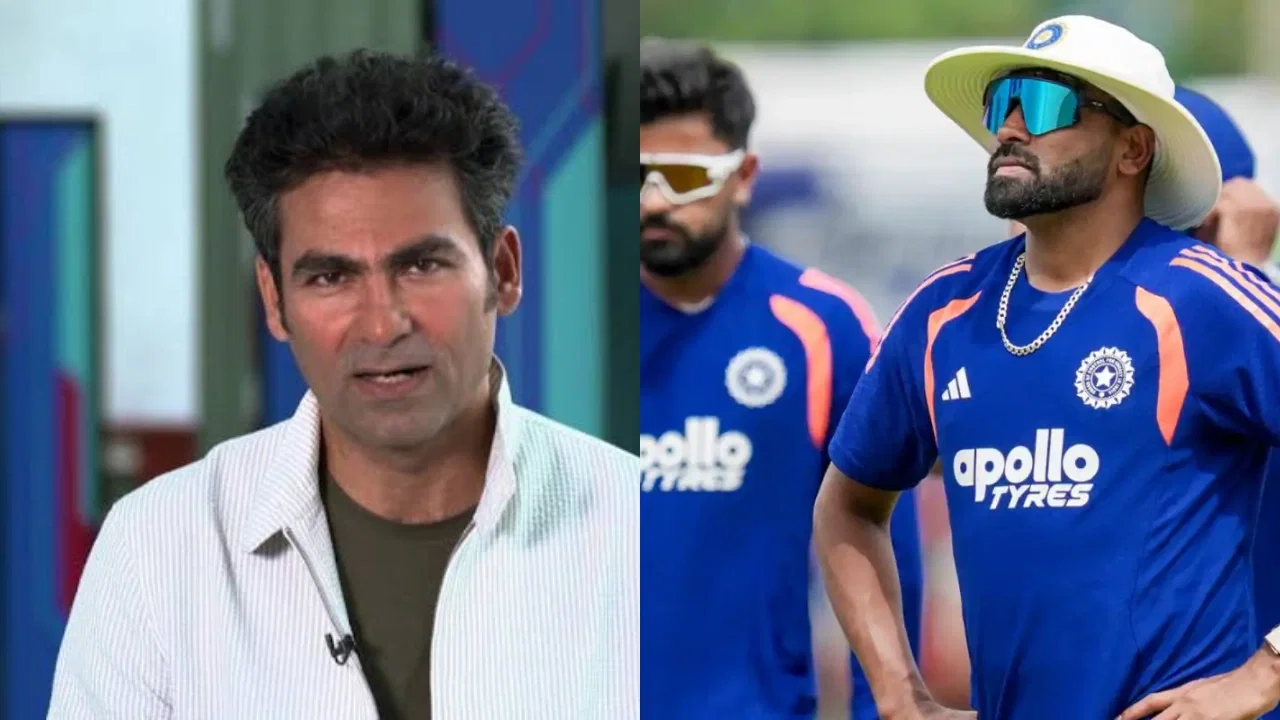
Former India batter Mohammad Kaif has questioned the thinking behind Mohammed Siraj’s omission from India’s playing XI for the opening ODI against New Zealand, raising concerns about whether the selectors and team management are aligned. Siraj was included in the squad for the series but watched from the sidelines as India opted for four other pace bowlers in Auckland.
India began the five-match series with a five-wicket victory at Eden Park in a low-scoring contest. The result gave the visitors an early advantage, but the selection decision prompted debate: if Siraj was fit and available, why was an established international fast bowler left out?
Why Was Siraj Left Out of the First ODI?
India selected Auqib Nabi, Arshdeep Singh, Gurnoor Brar and Anshul Kamboj as its pace options for the match. Siraj, who has featured prominently for India in Test cricket in recent times, was named in the ODI squad but did not make the final XI.
Kaif addressed the decision in a recent YouTube video, saying a player’s inclusion in a squad should reflect a genuine opportunity to contribute. He argued that leaving a proven bowler out after selecting him for the tour could create uncertainty about the team’s plans and the communication between the selectors and the coaching staff.
“If they consider Siraj only for Tests, why is he being picked in the squad?” Kaif asked. He added that if Siraj was available and selected, it was difficult to understand why he had not been given a chance in the ODI side.
The former batter’s comments do not establish that a rift exists between the selectors and team management. Rather, they highlight a question that often follows surprising team selections: whether squad choices and match-day combinations are being guided by the same long-term plan.
Could Batting Depth Have Influenced the Selection?
Kaif suggested that India may have favoured bowlers who can contribute with the bat. Nabi, Brar and Kamboj offer some lower-order batting ability, while Siraj is primarily selected for his work with the ball. In a team concerned about a possible top-order collapse, even a modest contribution from the tail can appear valuable.
That approach can be useful in certain conditions, especially in a low-scoring match where every run matters. However, it also involves a trade-off. A side that prioritises batting depth may leave out a specialist bowler capable of providing control, taking wickets and handling pressure in key phases of an innings.
Kaif said he could see batting cover as a possible explanation, but questioned whether it should outweigh the value of established bowlers. He also pointed to Kuldeep Yadav, suggesting that players without strong batting credentials could be vulnerable when the management seeks extra depth in the lower order.
Kaif Warns Against a “Wrong Trend”
In Kaif’s view, repeatedly selecting bowlers partly because they can bat risks sending the wrong message. Specialist bowlers, he argued, should not be disadvantaged simply because they offer less with the bat—particularly when senior all-rounders or frontline fast bowlers are unavailable.
He speculated that India’s management may be trying to protect itself against a top-order failure, including the possibility that senior batters such as Rohit Sharma and Virat Kohli do not produce a major score. But Kaif questioned whether that concern should determine the choice between a specialist bowler and a lower-order batting option.
There is a broader selection challenge behind the debate. Modern one-day cricket rewards teams that can bat deep, but it also demands bowlers who can take wickets and restrict scoring across different stages of an innings. A balanced XI must account for both needs rather than treating batting depth as an automatic priority.
What Siraj’s Omission Could Mean for India’s ODI Plans
Siraj’s place in the squad is likely to remain a talking point as the series continues. If India uses a rotation policy, the opening match may simply have been an opportunity to assess other bowlers and build experience within the group. A five-match series gives the management room to test combinations, manage workloads and evaluate players ahead of future competitions.
At the same time, omitting an experienced bowler can raise questions about role clarity. If Siraj is being considered for the ODI setup, regular opportunities would help the team assess his form, rhythm and suitability for the conditions. If the management sees him primarily as a Test specialist, his selection in the ODI squad may require a clearer explanation.
India’s decision may also depend on conditions and the balance of the attack. Eden Park is known for its distinctive dimensions, and teams can adjust their combinations based on the expected movement, surface and match-up requirements. One selection, therefore, does not necessarily reveal the full strategy for the series—but it can offer clues about the qualities the management currently values.
India vs New Zealand ODI Series: Prediction and Key Selection Question
India’s opening win gives the team a positive start, but the selection discussion is likely to continue into the next match. The central question is whether the management will stick with a batting-heavy combination or bring Siraj into the attack to strengthen its specialist pace options.
Any prediction about the next playing XI will depend on the team’s assessment of the conditions, player workload and the performance of the bowlers selected in Auckland. If India wants to test its newer options, it may retain a similar combination. If it prioritises experience and wicket-taking ability, Siraj could come into contention.
For now, Kaif’s criticism has brought attention to a wider issue in Indian cricket: how to balance batting insurance with specialist skills. The first ODI ended in a win for India, but the debate over Siraj’s role—and whether the team’s selection strategy is consistent—will remain an important storyline as the series unfolds.
Latest News
Prithvi Shaw opens up on his India return hopes after Maharashtra beat Bengal

Gloucestershire set to rebrand T20 Blast team as Bristol to attract local fans
Rishabh Pant shares recovery update ahead of India vs New Zealand Tests
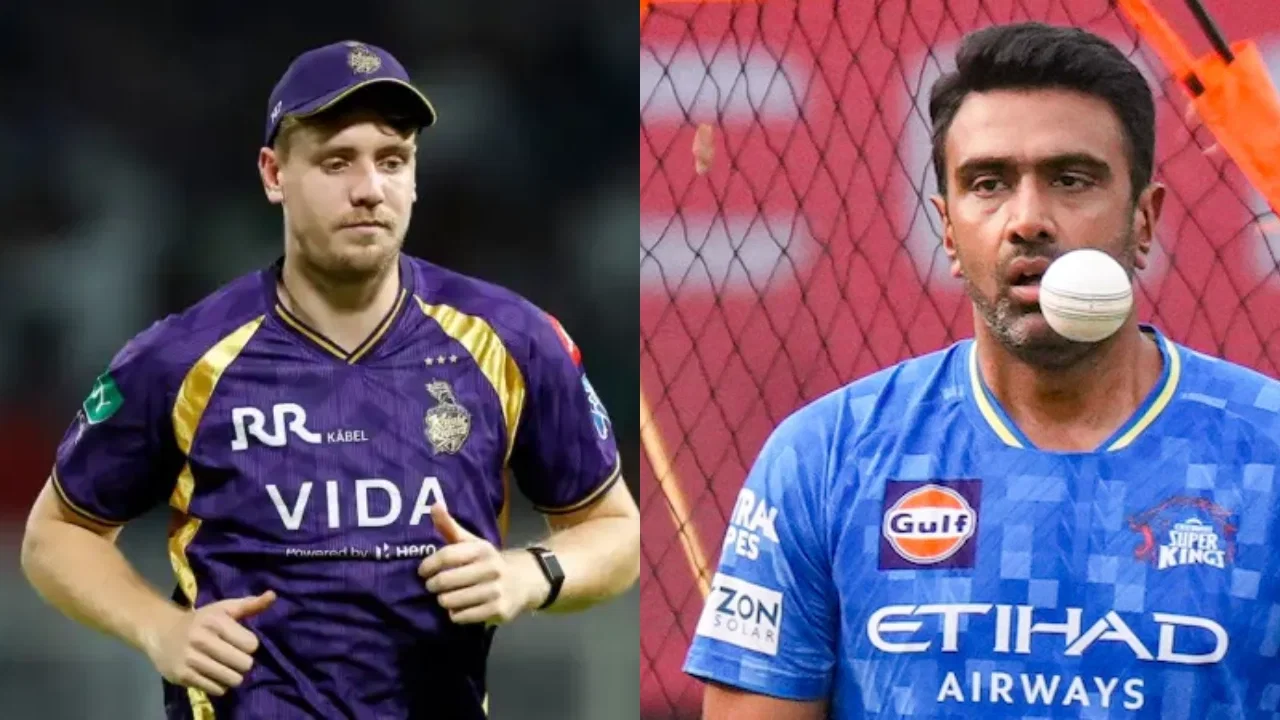
Cameron Green in CSK’s sights? R Ashwin shares theory behind blockbuster signing
Mohammad Kaif questions Mohammed Siraj’s omission, hints at rift between selectors and team management
Virat Kohli receives heartfelt birthday wish from sister after match-winning ODI knock
Allan Donald calls Temba Bavuma a “quiet little warrior” after South Africa’s Test series win over Australia
Kieron Pollard’s coaching role takes a turn as he prepares to leave MI

Brendan Taylor scripts history with Test century at 40 against Afghanistan
Sourav Ganguly confirms DC’s interest in Jake Fraser-McGurk and Shai Hope ahead of IPL 2027 auction
“Going to be one of the greatest”: Allan Donald hails Kagiso Rabada after impressive show against Australia
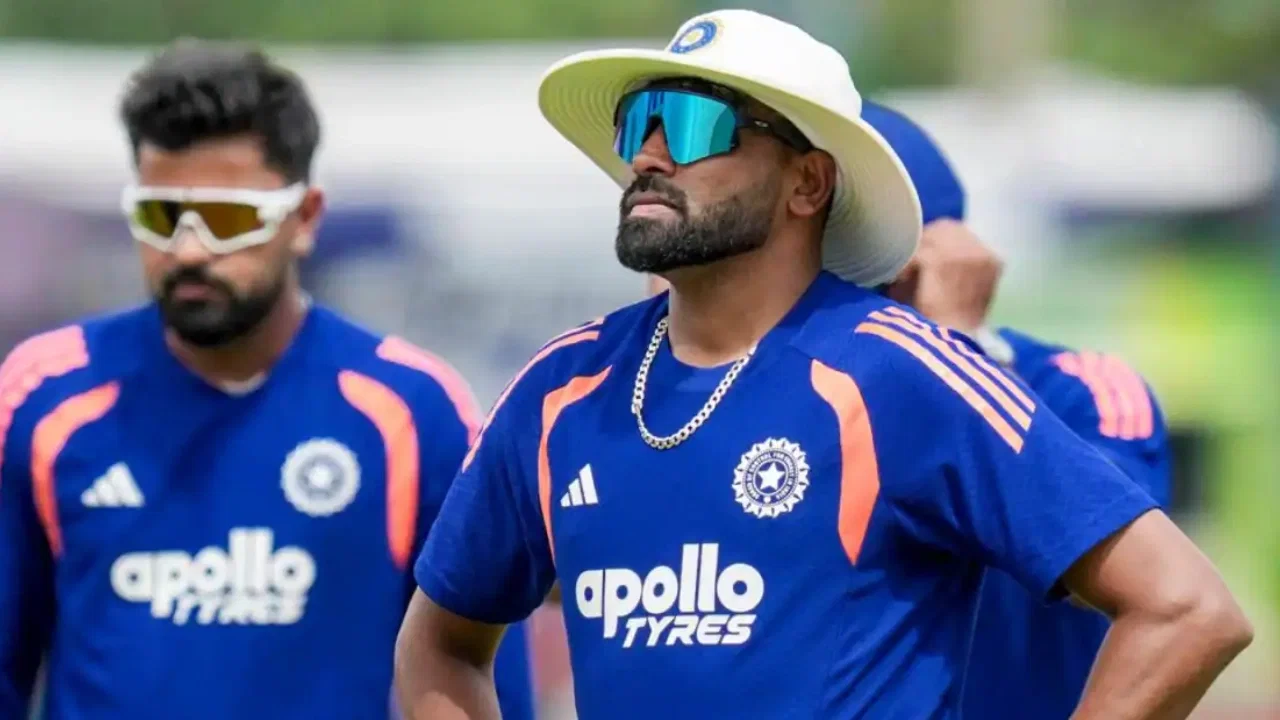
Mohammed Siraj officially joins India’s ODI squad after missing series opener
BCCI announces venue change for India vs Sri Lanka ODI series opener to Visakhapatnam
Kolkata Knight Riders retained players list 2027: Predicted retentions ahead of IPL auction