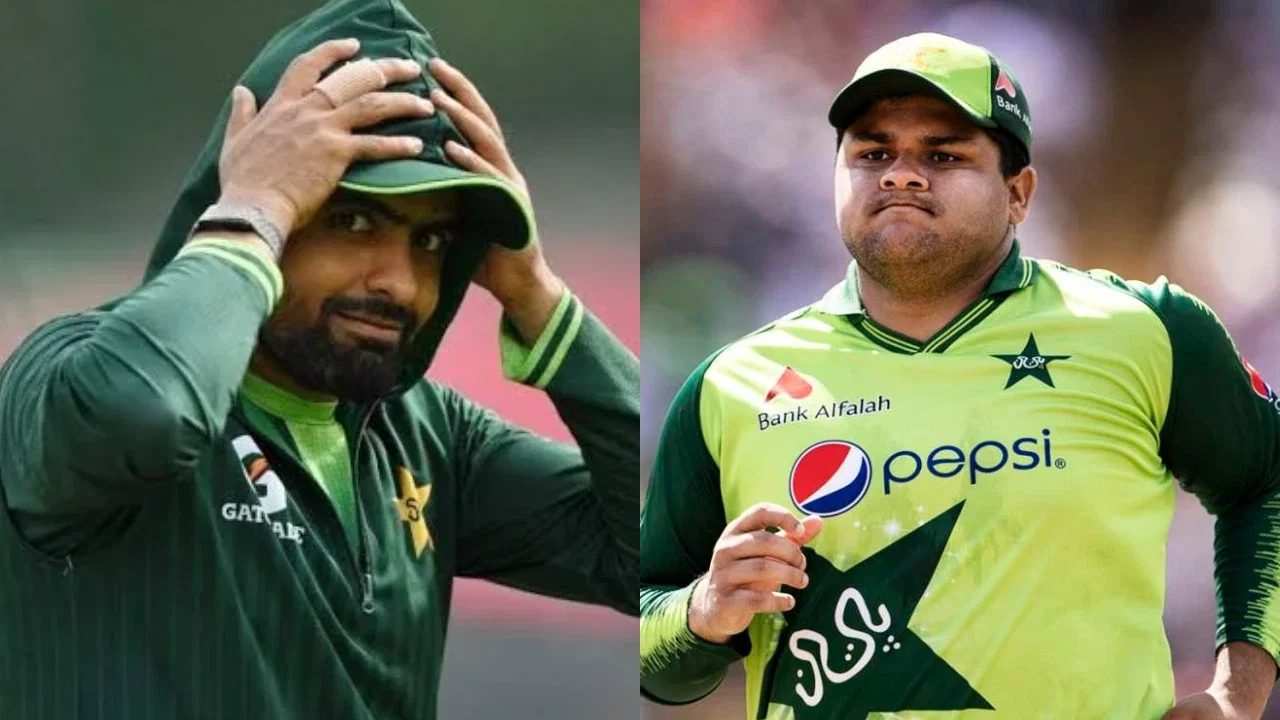
“Going to be one of the greatest”: Allan Donald hails Kagiso Rabada after impressive show against Australia

Allan Donald Hails Kagiso Rabada’s Impact in South Africa’s Test Series Win Over Australia
Former South African fast-bowling great Allan Donald has praised Kagiso Rabada for transforming the Proteas’ attack during their 2-1 home Test series victory over Australia. Rabada missed the opening match with a hamstring injury, but his return proved decisive: he claimed 10 wickets across the final two Tests and helped South Africa turn a series deficit into a memorable win.
Donald said Rabada’s absence was keenly felt in the first Test and that the fast bowler’s intensity lifted the team when he returned. His performance also strengthened the view that Rabada is already among South Africa’s leading quicks—and could eventually be regarded as the country’s greatest.
Rabada’s absence leaves a gap in the opening Test
Rabada was unavailable for the first Test in Durban after sustaining a right hamstring injury during winter training. He had not played competitive cricket since May, so South Africa’s captain, Temba Bavuma, and the team management opted against rushing him back before he was fully fit.
The decision was made with the series—and Rabada’s longer-term wellbeing—in mind. Still, the Proteas missed their premier strike bowler. Australia won the opening match by 214 runs, taking a 1-0 lead and putting South Africa under immediate pressure.
That defeat offered a clear reminder of what Rabada brings beyond his wicket tally. A frontline fast bowler can set the tone with pace, aggression and control, while also giving the rest of the attack confidence to maintain pressure. Without Rabada, South Africa had to find a way to replace both his threat and his presence.
A powerful comeback changes the series prediction
Rabada returned for the second Test in Gqeberha and quickly made his influence felt. He took six wickets across the match, repeatedly challenging Australia’s batters with pace and movement. Even stomach cramps on the second day did not prevent him from continuing to bowl and contribute to South Africa’s push for victory.
The Proteas won by an innings and 31 runs, levelling the series at 1-1. The result changed the series prediction dramatically: Australia had entered the second Test with the advantage, but South Africa now had momentum and the opportunity to complete a home-series turnaround.
Rabada carried that form into the deciding Test in Cape Town, where he claimed four more wickets. South Africa secured a 176-run victory to seal the series 2-1. Across the two matches he played, Rabada’s 10 wickets made him one of the defining figures of the contest.
His return also came with a major personal milestone. Rabada became the fastest bowler to reach 350 Test wickets, underlining the remarkable consistency he has maintained at the highest level. The achievement adds statistical weight to a career already marked by pace, skill and an ability to perform in high-pressure situations.
Donald compares Rabada’s value to Australian greats
Donald, who knows the demands of fast bowling at the highest level, said the first Test made Rabada’s importance especially clear. Speaking to Hindustan Times, he compared the effect of Rabada’s absence to what Australia might experience without legendary players Shane Warne or Glenn McGrath.
Donald also highlighted the intensity Rabada brought to the attack after returning. He noted that the bowler’s pace reached approximately 145 to 148 kilometres per hour during a spell in the second innings, helping him unsettle Australia’s batters and maintain pressure.
The comparison is significant because Warne and McGrath were central to Australia’s success for many years. Donald’s point was not simply that Rabada matches their playing styles, but that one elite player can alter the balance and confidence of an entire team. For South Africa, Rabada’s return provided a focal point for the bowling attack at a crucial stage of the series.
Why Rabada could become South Africa’s greatest fast bowler
Donald believes Rabada has the potential to become one of the greatest fast bowlers South Africa has produced. He praised the quick’s passion for representing the Proteas, particularly in matches against Australia, and suggested that Rabada raises his intensity when facing that opponent.
“He lifted himself because that’s what it means to play for South Africa for KG Rabada,” Donald said, adding that the bowler could become “one of, if not the greatest,” fast bowlers in the country’s history. With 350 Test wickets already behind him, Rabada’s age and continued athleticism leave room for further achievements.
Donald also described Rabada as a powerful athlete, noting his height and physical presence. The fast bowler’s fitness and capacity to generate high pace are important assets, but his value rests on more than speed. He can attack with the new ball, return for demanding spells and create pressure when a match is finely balanced.
A series win built on timing, resilience and pace
South Africa’s 2-1 victory was not solely the product of one player. The team needed to respond after a heavy opening defeat, and its success reflected a collective effort across the final two Tests. But Rabada’s return gave the bowling unit a proven match-winner just when the series was at a turning point.
His comeback also highlighted the importance of managing injuries carefully. South Africa chose not to risk him in Durban, then benefited from having him available for the decisive matches. The approach appeared to pay off: Rabada returned ready to bowl with pace and aggression, helping the Proteas level the contest before finishing the job in Cape Town.
For fans assessing South Africa’s prospects in future Test cricket, Rabada’s form is an encouraging sign. His 10 wickets in two matches, record-breaking milestone and ability to lift the attack all reinforce his status as a central figure in the team. Donald’s prediction that Rabada could become South Africa’s greatest fast bowler may still be a matter for history to decide—but this series offered a compelling example of why the conversation has begun.
Latest News
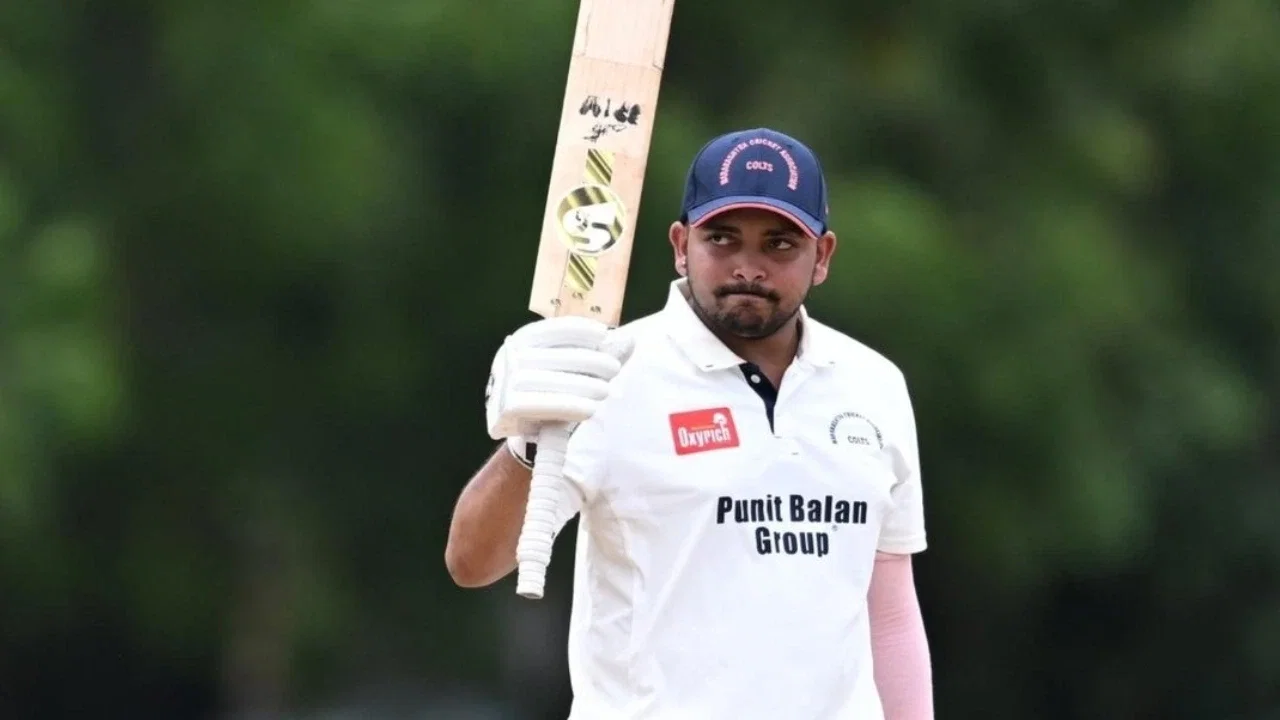
Prithvi Shaw opens up on his India return hopes after Maharashtra beat Bengal

Gloucestershire set to rebrand T20 Blast team as Bristol to attract local fans
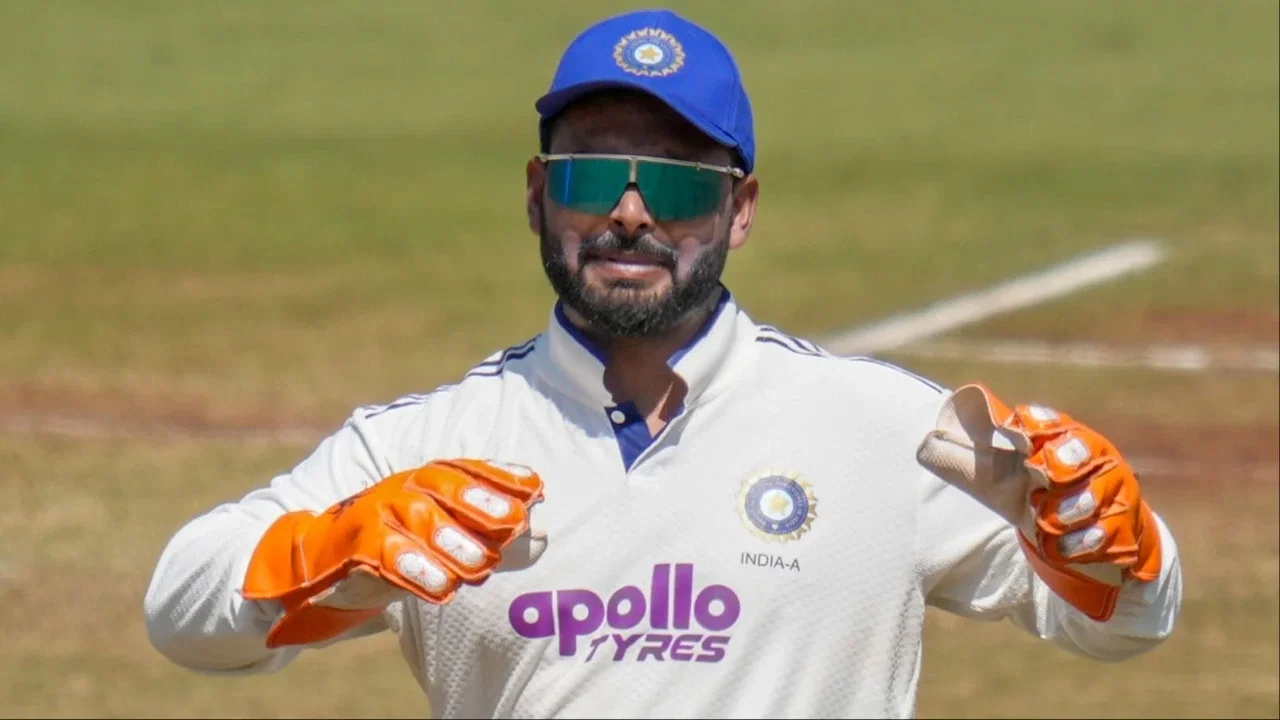
Rishabh Pant shares recovery update ahead of India vs New Zealand Tests

Cameron Green in CSK’s sights? R Ashwin shares theory behind blockbuster signing

Mohammad Kaif questions Mohammed Siraj’s omission, hints at rift between selectors and team management

Virat Kohli receives heartfelt birthday wish from sister after match-winning ODI knock

Allan Donald calls Temba Bavuma a “quiet little warrior” after South Africa’s Test series win over Australia
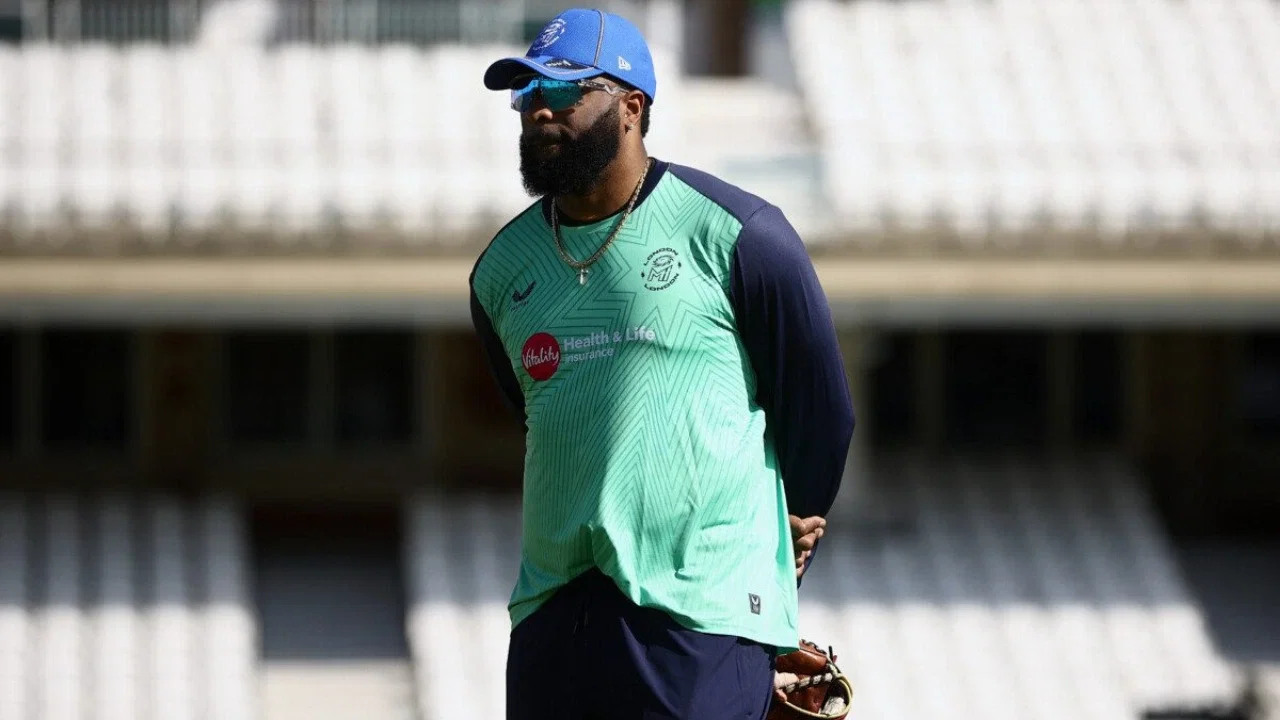
Kieron Pollard’s coaching role takes a turn as he prepares to leave MI
Brendan Taylor scripts history with Test century at 40 against Afghanistan

Sourav Ganguly confirms DC’s interest in Jake Fraser-McGurk and Shai Hope ahead of IPL 2027 auction
“Going to be one of the greatest”: Allan Donald hails Kagiso Rabada after impressive show against Australia
Mohammed Siraj officially joins India’s ODI squad after missing series opener
BCCI announces venue change for India vs Sri Lanka ODI series opener to Visakhapatnam
Kolkata Knight Riders retained players list 2027: Predicted retentions ahead of IPL auction