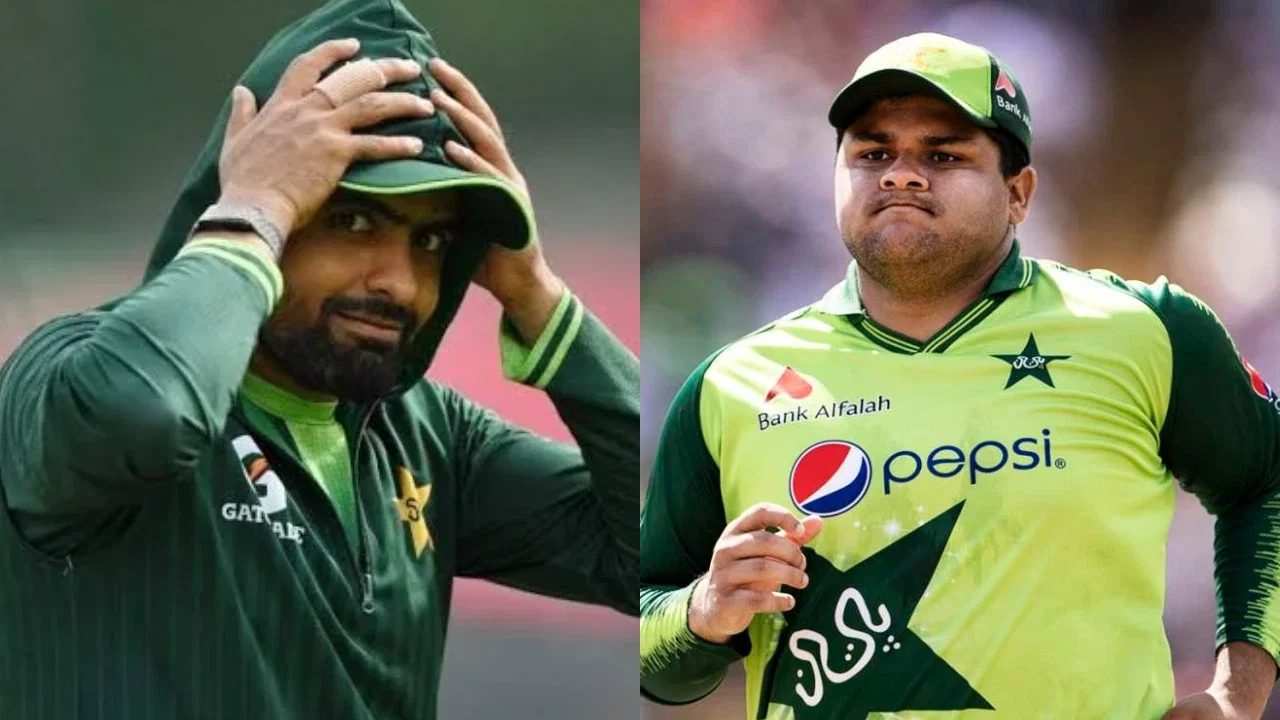
Mohammed Siraj officially joins India’s ODI squad after missing series opener
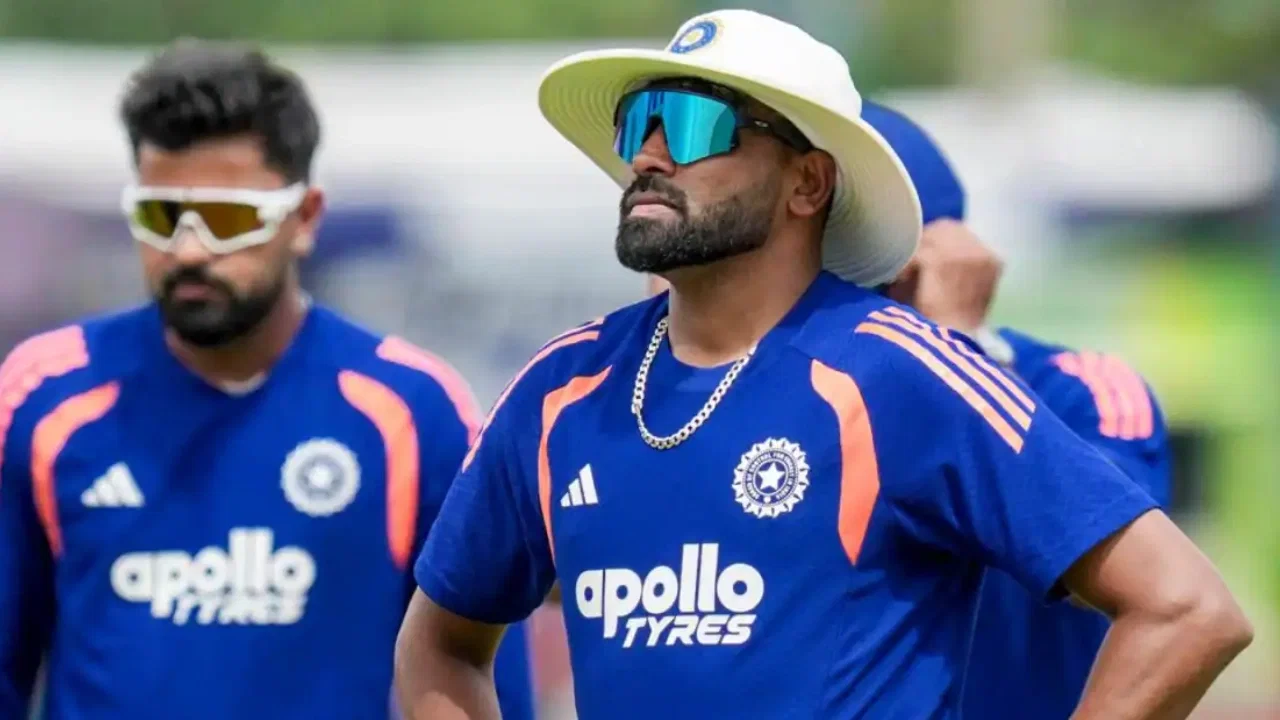
Mohammed Siraj has reportedly joined India’s ODI squad in New Zealand ahead of the second match of the series, raising the prospect of a change to the pace attack for the Wellington fixture. The fast bowler sat out the rain-affected opening ODI after featuring in an unofficial Test, where he delivered a demanding spell across 35 overs.
India began the five-match one-day series with a five-wicket victory over New Zealand in Auckland on November 4. With the second ODI scheduled for November 7 at Wellington Regional Stadium, attention has now turned to whether Siraj will return to the playing XI—and which quick could make way if the team management opts to bring him in.
Why Mohammed Siraj missed the first ODI
Siraj’s absence from the opening match was reportedly linked to his workload rather than a lack of confidence in his abilities. Before the ODI, he represented India in the second unofficial Test against New Zealand at Hagley Oval in Christchurch. The match ended in a draw, and Siraj bowled 35 overs in his side’s only innings in the field, finishing with figures of four for 118.
That assignment gave the India management an opportunity to assess the experienced seamer in longer-format conditions while also managing his preparation and recovery. Fast bowlers face a particular workload challenge during multi-format tours: they may be asked to switch between the physical demands of a long spell in red-ball cricket and the shorter, more concentrated bursts required in ODIs. Resting Siraj for the first one-day match may therefore have been part of a broader rotation plan.
His reported arrival with the ODI group, however, puts him firmly in the selection conversation for the next game. Siraj has established himself as an important member of India’s Test attack, but his ability to contribute in limited-overs cricket gives the team another experienced option as it looks to build momentum in the series.
India’s pace attack faces a selection decision
India’s bowlers made a strong impression in Auckland, using the conditions to restrict New Zealand to 185. The Indian side fielded four specialist fast bowlers: Arshdeep Singh, Gurnoor Brar, Anshul Kamboj and Auqib Nabi. Several of the seamers made useful contributions, while Nabi impressed despite finishing without a wicket.
The team’s performance makes the selection call more complicated. India will want to maintain the energy and balance that helped secure the opening win, but Siraj’s experience could be valuable in a match where conditions may again favour seam bowling. His control, ability to move the new ball and experience in international cricket could strengthen the attack, particularly if the Wellington pitch offers assistance to the fast bowlers.
The key question is not simply whether Siraj is available, but how the management wants to balance experience, workload and continuity. A change could give India a proven international bowler, while retaining the existing combination would reward the players who helped deliver the first victory. The final decision will likely depend on the conditions, the players’ fitness and the team’s assessment of how much bowling each quick can manage across the tour.
What to watch in the second ODI
Siraj’s inclusion would be one of the central talking points ahead of the Wellington match, but it is not yet certain that he will play. His presence in the squad would give the selectors an additional option; the playing XI will only become clear closer to the toss. Any change involving Nabi or another member of the attack would reflect a tactical decision, not necessarily a judgment on the bowler’s performance in Auckland.
Former India cricketer Mohammad Kaif had questioned Siraj’s omission from the opening ODI, drawing attention to the selection debate surrounding the fast bowler. His comments added to discussion about how India should use its senior players during a tour that includes multiple formats. With a long Test campaign to follow, managing the pace unit carefully will be as important as choosing the strongest available XI for each individual match.
ODI results matter, but the Test series is also in focus
The New Zealand tour presents India with a demanding schedule across formats. While the ODI series offers an immediate opportunity to build confidence, the team is also preparing for the upcoming two-Test contest. The Tests are scheduled to begin on November 19 at the Basin Reserve in Wellington, making workload management a major consideration for players expected to feature in both formats.
The Test series carries added importance for Shubman Gill’s side as India pursues a place in the final of the 2025–27 World Test Championship cycle. A strong result in New Zealand would help the team’s campaign, but the challenge is significant: the visitors must adapt to conditions that can reward disciplined batting and accurate seam bowling.
Jasprit Bumrah and Ravindra Jadeja are among the established players expected to feature in the Test series. Their availability gives India considerable experience in both departments, although the team will need to manage its resources carefully across the tour. Siraj’s role could be particularly important if he is selected for the Tests, making his workload in the ODI matches a factor in the broader planning process.
Rishabh Pant’s fitness remains a concern
India are also monitoring wicketkeeper-batter Rishabh Pant, who is undergoing rehabilitation at the Centre of Excellence in Bengaluru after suffering a side strain. His availability for the two-Test series remains uncertain, and no clear timeline has been confirmed for his return.
Pant’s absence would affect India’s options behind the stumps as well as the balance of the batting order. The team will need to assess his recovery carefully before making a decision, especially given the physical demands of Test cricket. Until his fitness situation becomes clearer, the selection picture for the longer format remains subject to change.
Prediction: Siraj’s return could depend on conditions
For the second ODI, the most useful prediction is that Siraj’s availability will create a genuine selection dilemma rather than guarantee an automatic place in the XI. If the Wellington surface appears likely to assist pace, India may be tempted to bring him in for added experience and control. If the management prioritises continuity or wants to protect his workload ahead of the Tests, it could retain the attack that played in Auckland.
Either way, Siraj’s reported arrival gives India greater flexibility. The team has already taken a 1–0 lead after a convincing opening win, but the next match will test how effectively it can balance immediate ODI ambitions with preparation for the crucial Test series. The final team selection—and the condition of the Wellington pitch—should provide the clearest clues about India’s plans.
Latest News
Prithvi Shaw opens up on his India return hopes after Maharashtra beat Bengal

Gloucestershire set to rebrand T20 Blast team as Bristol to attract local fans
Rishabh Pant shares recovery update ahead of India vs New Zealand Tests

Cameron Green in CSK’s sights? R Ashwin shares theory behind blockbuster signing
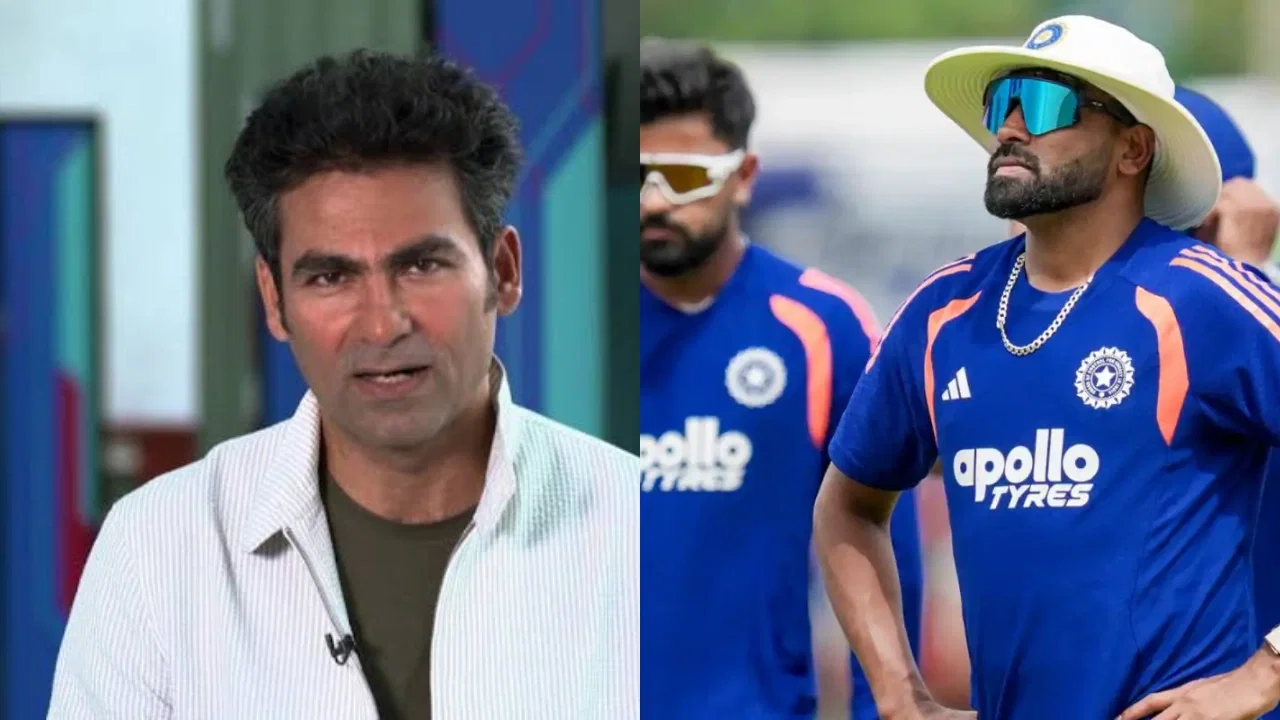
Mohammad Kaif questions Mohammed Siraj’s omission, hints at rift between selectors and team management
Virat Kohli receives heartfelt birthday wish from sister after match-winning ODI knock
Allan Donald calls Temba Bavuma a “quiet little warrior” after South Africa’s Test series win over Australia
Kieron Pollard’s coaching role takes a turn as he prepares to leave MI

Brendan Taylor scripts history with Test century at 40 against Afghanistan
Sourav Ganguly confirms DC’s interest in Jake Fraser-McGurk and Shai Hope ahead of IPL 2027 auction
“Going to be one of the greatest”: Allan Donald hails Kagiso Rabada after impressive show against Australia
Mohammed Siraj officially joins India’s ODI squad after missing series opener
BCCI announces venue change for India vs Sri Lanka ODI series opener to Visakhapatnam
Kolkata Knight Riders retained players list 2027: Predicted retentions ahead of IPL auction