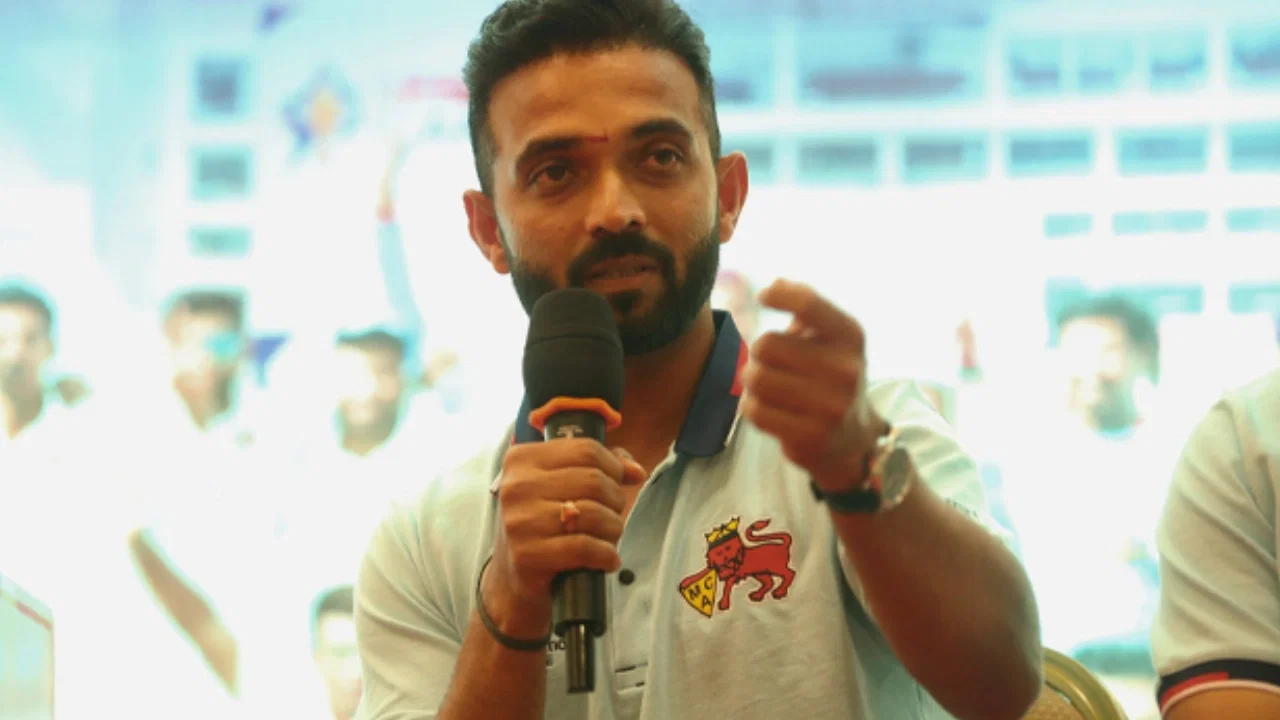
Babar Azam’s poor form continues after controversial dismissal in Quaid-e-Azam Trophy
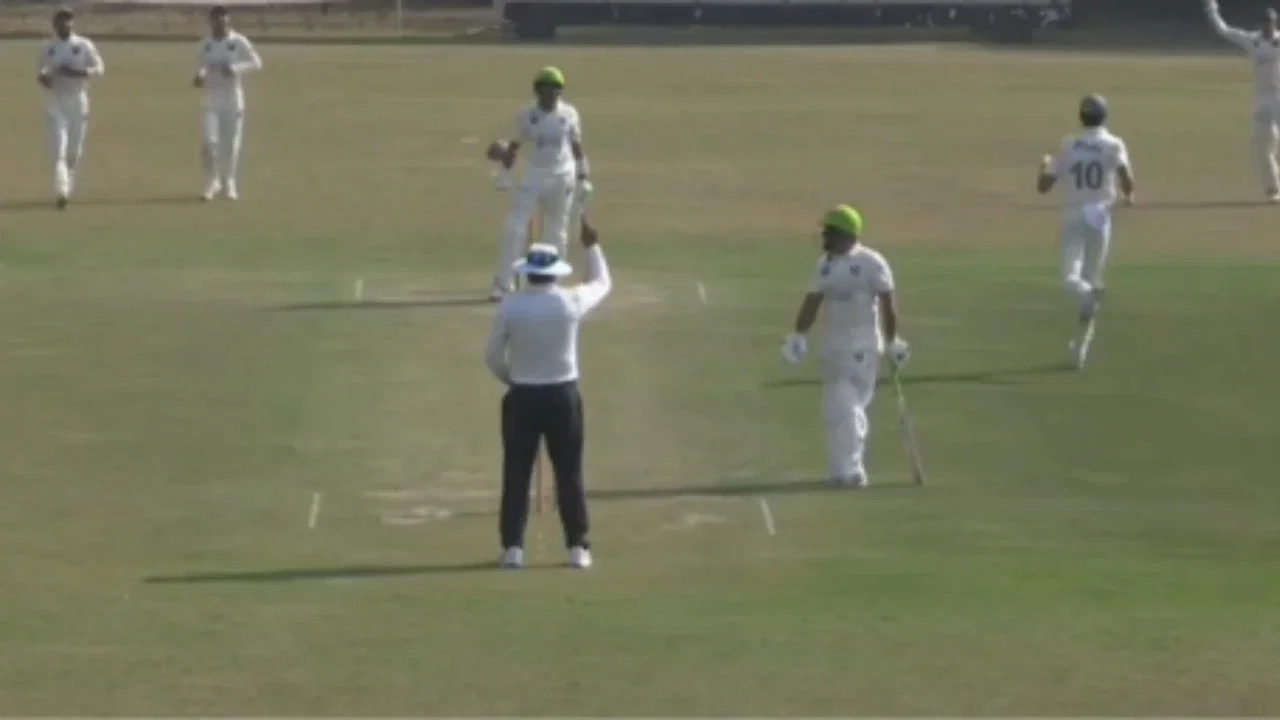
Babar Azam’s Controversial Quaid-e-Azam Trophy Dismissal Sparks Umpiring Debate
Pakistan batter Babar Azam’s difficult spell in red-ball cricket has come under fresh scrutiny after a disputed dismissal in the Quaid-e-Azam Trophy triggered criticism from fans. Playing for Lahore Whites against the FATA Region on November 4, Babar was given out for 28 from 40 balls, despite video footage appearing to show the delivery pass his bat and make contact with his thigh pad or trousers before reaching the wicketkeeper.
The decision quickly became a talking point online, with supporters questioning the on-field call and the absence of the Decision Review System (DRS) in the early stages of Pakistan’s premier first-class competition. The incident has also renewed discussion about Babar’s form, the support available to high-profile players in domestic cricket, and what steps might help him regain confidence.
Why Babar Azam’s dismissal caused controversy
Babar struck six boundaries during his brief innings, offering a glimpse of his usual timing before his stay at the crease ended. Replays circulating on social media appeared to suggest that the ball may have brushed his leg or clothing rather than his bat. Babar was also seen indicating to the umpire that he believed the ball had hit his pad.
Nevertheless, the umpire upheld the appeal, and without DRS available, Babar had no formal way to review the decision. He left the field after scoring 28 as Lahore Whites were eventually dismissed for 234 in their first innings against FATA.
The lack of a review system is not unusual across domestic cricket worldwide, where cost, infrastructure and competition priorities can make technology difficult to provide at every venue. But the episode has prompted fresh calls for the Pakistan Cricket Board (PCB) to consider whether more advanced decision-support tools should be used in its leading first-class matches—particularly when international players feature.
For fans, the issue is about more than one decision. A close call can shape an innings, affect a team’s position and influence a player’s confidence. In Babar’s case, the dismissal arrived during a period when his red-ball performances are already attracting attention, making the lack of a review option especially frustrating for supporters.
Fans call for DRS in Pakistan’s premier domestic competition
Social media users were divided over the incident, although many argued that the available footage did not appear to support the decision. Some also criticised the PCB for not providing DRS in a tournament that serves as a major pathway for Pakistan’s Test players and emerging domestic talent.
Introducing DRS across an entire domestic competition would require investment in equipment, trained operators and reliable broadcast coverage. A more targeted approach could be considered, such as using review technology in selected high-profile fixtures or later stages of the tournament. Even limited access, however, would not eliminate every controversy: technology can assist umpires, but it cannot replace the need for sound on-field judgement.
The debate also highlights the importance of consistent officiating in first-class cricket. Domestic matches give players a chance to develop their technique and build confidence under demanding conditions. Clear processes for handling close decisions can help ensure that attention remains on performance rather than controversy.
Mohammad Yousuf urges specialised coaching for Babar
The dismissal came amid broader concern about Babar’s recent results. Former Pakistan batter Mohammad Yousuf has argued that the star should address technical issues with specialised coaching before continuing to play first-class cricket. Yousuf’s comments followed Babar’s return of 118 runs in five matches during a recent ODI tri-series, at an average of 23.60 and a strike rate of 74.21.
In a post on X, Yousuf said he did not believe Babar should be playing first-class cricket until he had worked through his technical concerns. He suggested that the batter could benefit from individual training at a professional academy in England or Australia, where coaching could be tailored to his specific needs.
Yousuf also warned that repeated struggles in domestic matches might further affect Babar’s confidence and career. At the same time, he continued to describe him as Pakistan’s leading batter of his generation, expressing confidence that the right guidance and focused effort could help him return to his best. Yousuf added that he had raised similar concerns several years earlier and urged people to take the matter seriously now.
Should Babar continue playing first-class cricket?
Yousuf’s advice raises a wider question: is domestic cricket the right place for an out-of-form international batter to rebuild? First-class matches offer valuable time in the middle, exposure to changing conditions and an opportunity to practise against sustained bowling attacks. Those qualities can make domestic cricket an important part of a player’s recovery.
However, there is a difference between simply playing more matches and working deliberately on a technical weakness. If a player is repeatedly falling to the same type of delivery or struggling with a particular movement, targeted coaching may help identify the issue more efficiently. A balanced plan could combine specialist instruction with carefully chosen match appearances, rather than treating either approach as a complete solution.
For Babar, the challenge is to find a process that restores fluency without placing unnecessary pressure on every innings. His reputation and past performances mean that expectations remain high, but a short run of low scores does not by itself define a player’s ability. The key will be whether he and Pakistan’s support staff can identify the causes of his current difficulties and respond with a clear, practical plan.
What comes next for Babar Azam?
Babar’s Quaid-e-Azam Trophy dismissal has added an officiating controversy to an already closely watched period in his career. The available footage has fuelled debate, but the broader questions extend beyond one call: how can Pakistan improve confidence in domestic umpiring, should DRS be introduced in key first-class fixtures, and what kind of coaching will best support one of the country’s most prominent batters?
Any prediction about Babar’s return to peak form remains uncertain. His record and experience provide reasons for optimism, while his recent results underline the need for careful technical work. Whether that comes through specialised coaching, more time in domestic cricket or a combination of both, the priority will be to create an environment where he can make adjustments without allowing every innings to become a verdict on his future.
For now, the disputed decision has ensured that attention remains on both Babar’s batting and the conditions surrounding Pakistan’s domestic game. A fair review of the umpiring debate, alongside a measured plan for the batter’s development, could help turn a frustrating episode into a constructive moment for the player and the competition.
Latest News
“He should be looked at even for Tests”: Sunil Gavaskar urges India to consider Arshdeep Singh in Test

World Record Alert! Virat Kohli breaks Sachin Tendulkar’s major records with batting brilliance vs NZ
“One match doesn’t decide a career”: Anshul Kamboj after winning POTM in 1st ODI vs New Zealand
Virat Kohli gets special surprise at Eden Park ahead of 38th Birthday
Mohammad Rizwan roars back with a double hundred after being dropped from Pakistan Test squad
Babar Azam’s poor form continues after controversial dismissal in Quaid-e-Azam Trophy

Jacob Duffy reveals what makes Virat Kohli so difficult to bowl to
WPL 2027 schedule announced: RCB to face MI in opening fixture
Virat Kohli becomes first-ever No. 3 batter to score 13,000 runs in ODI cricket

Faf du Plessis names more valuable Test player than Marco Jansen; snubs Joe Root & Jasprit Bumrah
Irfan Pathan breaks silence on Mohammad Amir joining his APL team

Mitchell Starc overtakes Marco Jansen to become World’s No.1 Test bowler again
Zimbabwe announce squad for Afghanistan Tests; Brian Bennett named as captain

BAN vs WI Playing 11 Today, Live Streaming, Pitch & Weather: Bangladesh vs West Indies 2nd Test, 2026