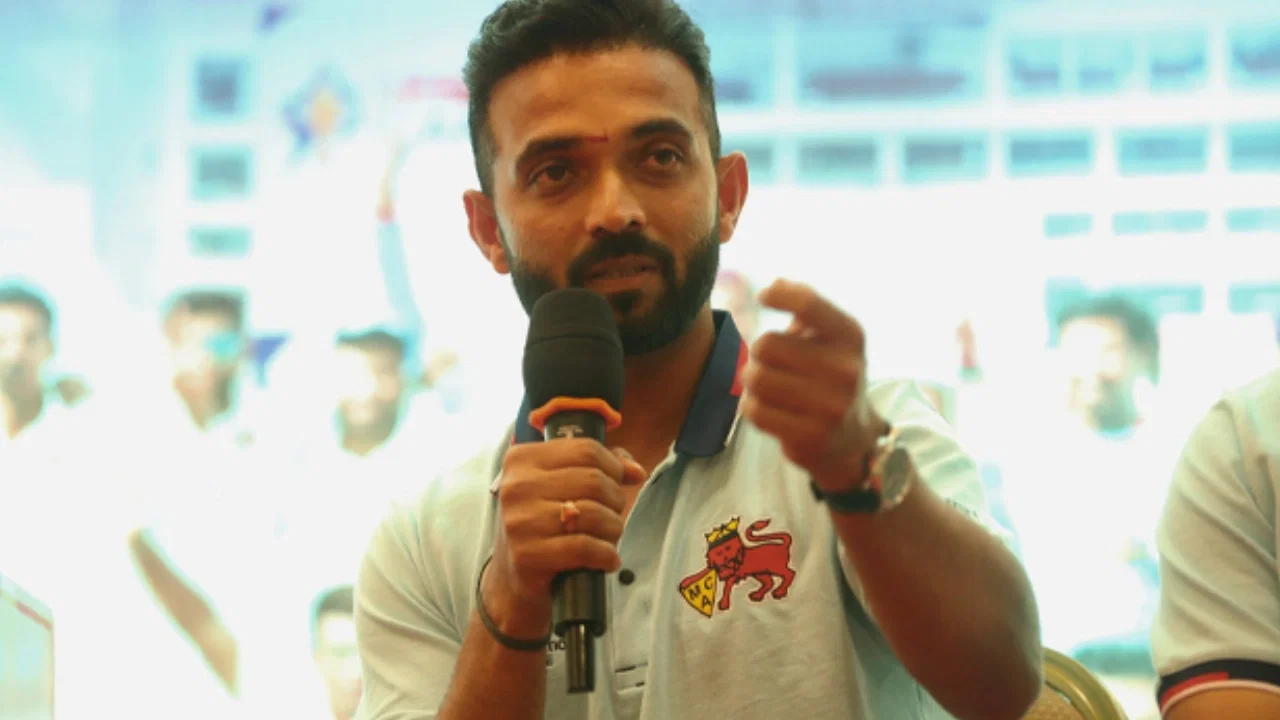
Jacob Duffy reveals what makes Virat Kohli so difficult to bowl to

Virat Kohli’s 74 Powers India to Victory as Jacob Duffy Admits the Challenge of Stopping Him
Virat Kohli produced another commanding performance against New Zealand, guiding India to a five-wicket win in the first ODI at Eden Park in Auckland on Wednesday, November 4. The former India captain struck 74 from just 51 deliveries, turning a rain-shortened chase into a brisk finish and reminding opponents why he remains one of cricket’s most formidable batters.
New Zealand fast bowler Jacob Duffy praised Kohli’s shot-making after the match, while acknowledging how difficult it was to contain him. With the target reduced and Eden Park’s compact boundaries offering little margin for error, Kohli’s aggressive start quickly shifted the pressure onto the home side’s bowlers.
Kohli Takes Control of India’s Revised Chase
Rain interrupted the opening ODI, reducing the match to 32 overs per side and setting India a revised target of 143. The visitors reached the mark in 22.4 overs, winning by five wickets and taking an early advantage in the series.
Kohli was central to the chase. His 74 included 13 fours and a six, with a blend of controlled placement and forceful stroke play. He made effective use of the short boundaries at Eden Park, but his innings was not simply a matter of swinging freely. He read the pace of the ball, responded confidently to the bounce and repeatedly found ways to move the scoreboard along.
In a shortened chase, a quick start can reshape the contest. Kohli’s intent meant New Zealand had little time to build pressure through dot balls or wait for a mistake. Once he settled in, India’s required rate became increasingly manageable, allowing the batting side to pursue the target with confidence.
Jacob Duffy: Kohli’s Intent Can Break a Chase Open
Duffy said that facing Kohli while defending a modest target can be especially frustrating for bowlers. A batter of Kohli’s experience can recognise the opportunity early, attack the right deliveries and make a chase feel shorter than it is.
“Yeah, it was a bit annoying, wasn’t it?” Duffy said after the match, according to RevSportz. He noted that when a player with Kohli’s ability comes out with the intention of finishing the chase quickly, the bowling side can find itself under pressure almost immediately.
The New Zealand seamer also highlighted Kohli’s comfort against the extra bounce at Eden Park. Rather than being hurried by the surface, Kohli used his balance and timing to play the hook and pull shots, while remaining capable of driving powerfully straight down the ground. That range made it difficult for the bowlers to settle on one length or one line.
Familiarity from Bengaluru Nets
Duffy’s comments carried an added note of familiarity. The fast bowler and Kohli have shared the Royal Challengers Bengaluru dressing room, giving Duffy an opportunity to watch the Indian star work in the nets. He said he had seen Kohli execute similar shots during practice in Bengaluru, so the display in Auckland did not come as a surprise.
“No surprise, he’s a good player. He’s done it for a lot of years, and he did that to me in the nets a lot in Bangalore,” Duffy said. His remarks underline a key part of Kohli’s success: the shots that look spectacular in a match are often the product of years of repetition, preparation and familiarity with different bowling styles.
That experience can be particularly valuable in changing conditions. A rain-affected match often requires batters to adjust quickly to a revised target and a compressed schedule. Kohli’s ability to assess the situation and choose when to attack helped India avoid a tense finish.
Finding a Weakness Is No Easy Task
Asked how New Zealand might limit Kohli in the next match, Duffy was reluctant to reveal the team’s plans. He did, however, concede that identifying clear weaknesses in the batter’s game is difficult. Kohli’s ability to use a bowler’s pace, exploit gaps and clear the boundary gives captains several problems to solve at once.
Duffy also raised an intriguing tactical question: whether Kohli would maintain the same attacking approach if India were batting first or chasing a larger total. The situation can influence a batter’s risk assessment, and New Zealand will likely look for ways to test Kohli under different match conditions rather than relying on a single plan.
“There are not many weaknesses in his game,” Duffy said, adding that Kohli uses the pace well on smaller grounds and can hit the ball over the bowler’s head. For New Zealand, that means execution will matter as much as strategy. A loose delivery can be punished, while predictable bowling may allow Kohli to dictate the field.
What Kohli’s Knock Means for the ODI Series
India’s win gives the visitors momentum, while Kohli’s innings offers an early talking point ahead of the remaining fixtures. His performance combined urgency with control—an especially useful balance in a shortened ODI, where teams have fewer overs to recover from a poor start.
The match also showed why Eden Park can be a challenging venue for bowlers. Its compact dimensions can reward confident stroke-makers, but success still depends on timing, decision-making and the ability to handle bounce. Kohli displayed all three, making the most of the conditions without appearing rushed.
For fans following the series, the next contest will provide a fresh prediction challenge. New Zealand may adjust its fields and bowling lengths, while India will hope Kohli can continue to set the tempo. The key question is whether the hosts can create pressure early enough to prevent him from settling into another fluent innings.
Duffy’s assessment was candid: Kohli is difficult to stop when he is in rhythm. In Auckland, that judgment proved accurate. With a rapid 74, the Indian star shaped the chase, secured a valuable win for his side and once again demonstrated how quickly his intent can change the course of an ODI.
Latest News

“He should be looked at even for Tests”: Sunil Gavaskar urges India to consider Arshdeep Singh in Test
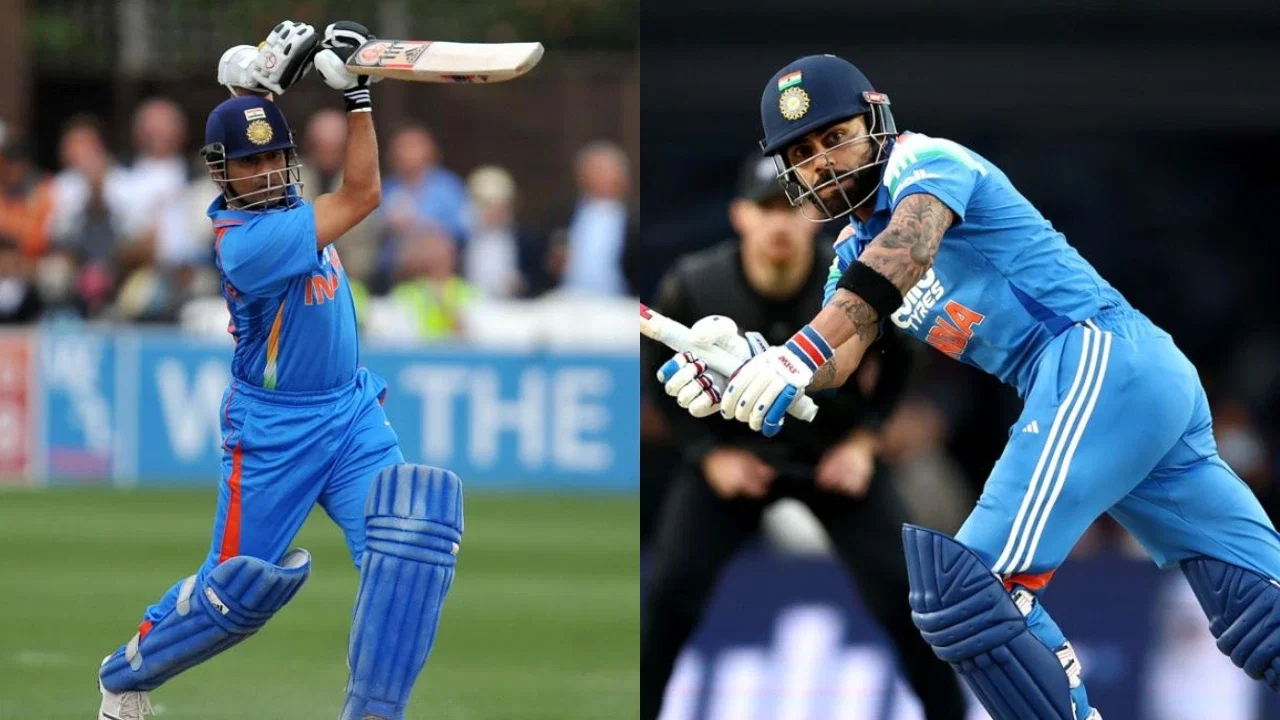
World Record Alert! Virat Kohli breaks Sachin Tendulkar’s major records with batting brilliance vs NZ
“One match doesn’t decide a career”: Anshul Kamboj after winning POTM in 1st ODI vs New Zealand
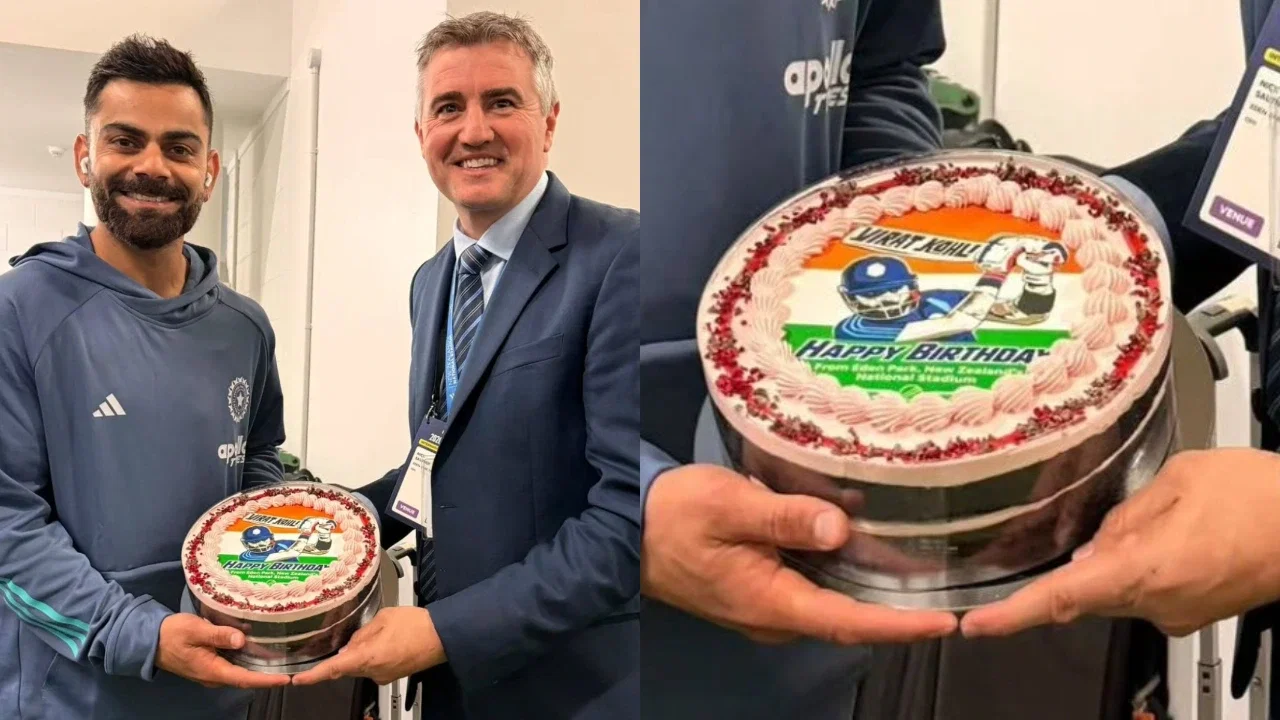
Virat Kohli gets special surprise at Eden Park ahead of 38th Birthday

Mohammad Rizwan roars back with a double hundred after being dropped from Pakistan Test squad

Babar Azam’s poor form continues after controversial dismissal in Quaid-e-Azam Trophy
Jacob Duffy reveals what makes Virat Kohli so difficult to bowl to

WPL 2027 schedule announced: RCB to face MI in opening fixture
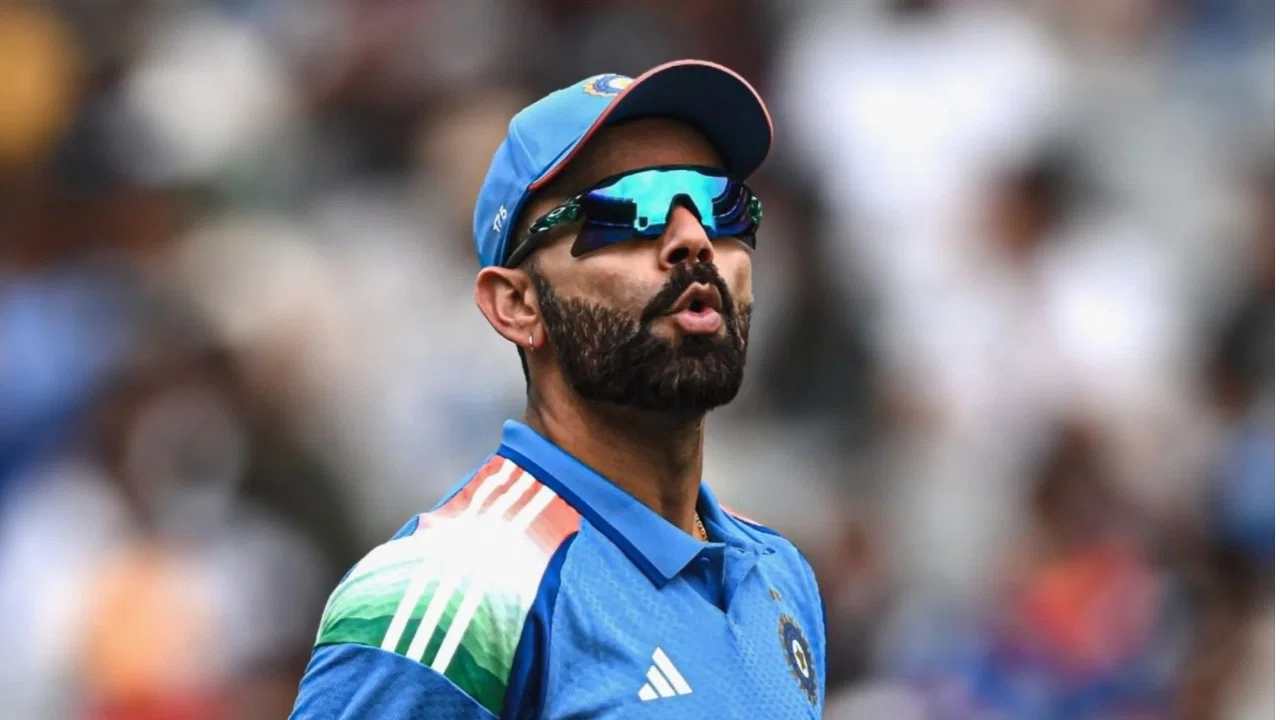
Virat Kohli becomes first-ever No. 3 batter to score 13,000 runs in ODI cricket

Faf du Plessis names more valuable Test player than Marco Jansen; snubs Joe Root & Jasprit Bumrah

Irfan Pathan breaks silence on Mohammad Amir joining his APL team

Mitchell Starc overtakes Marco Jansen to become World’s No.1 Test bowler again
Zimbabwe announce squad for Afghanistan Tests; Brian Bennett named as captain

BAN vs WI Playing 11 Today, Live Streaming, Pitch & Weather: Bangladesh vs West Indies 2nd Test, 2026