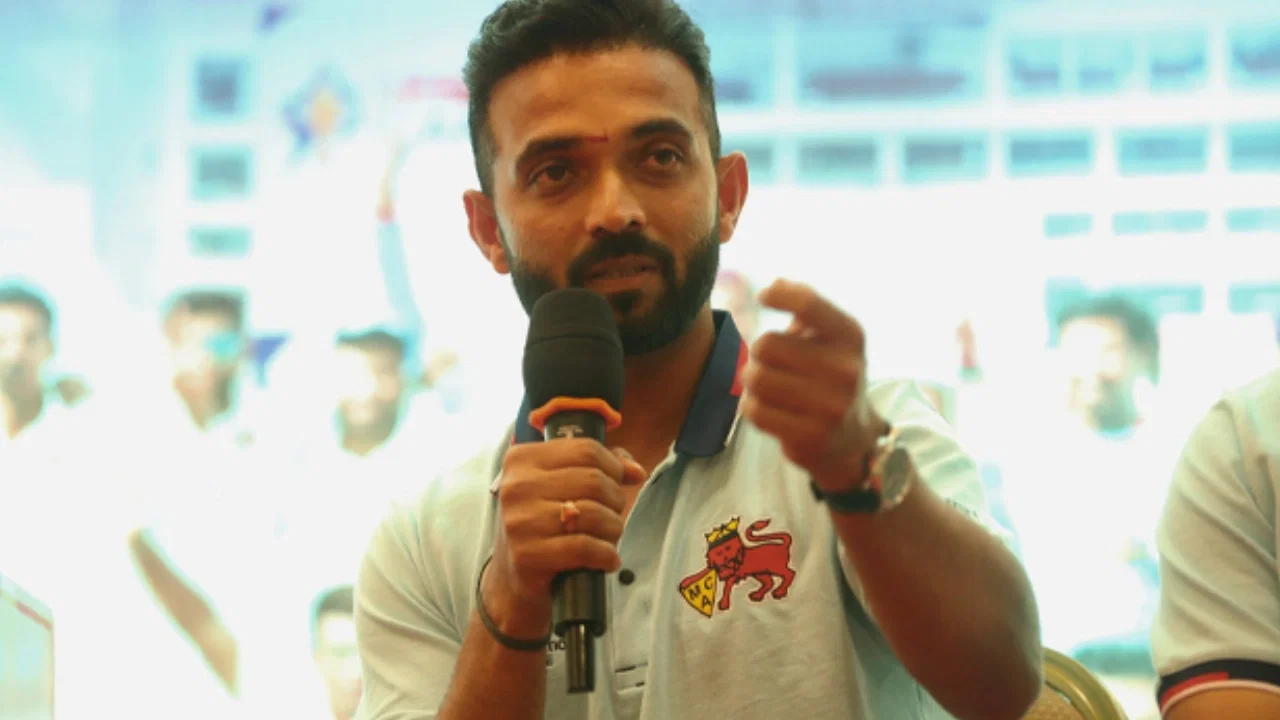
“One match doesn’t decide a career”: Anshul Kamboj after winning POTM in 1st ODI vs New Zealand
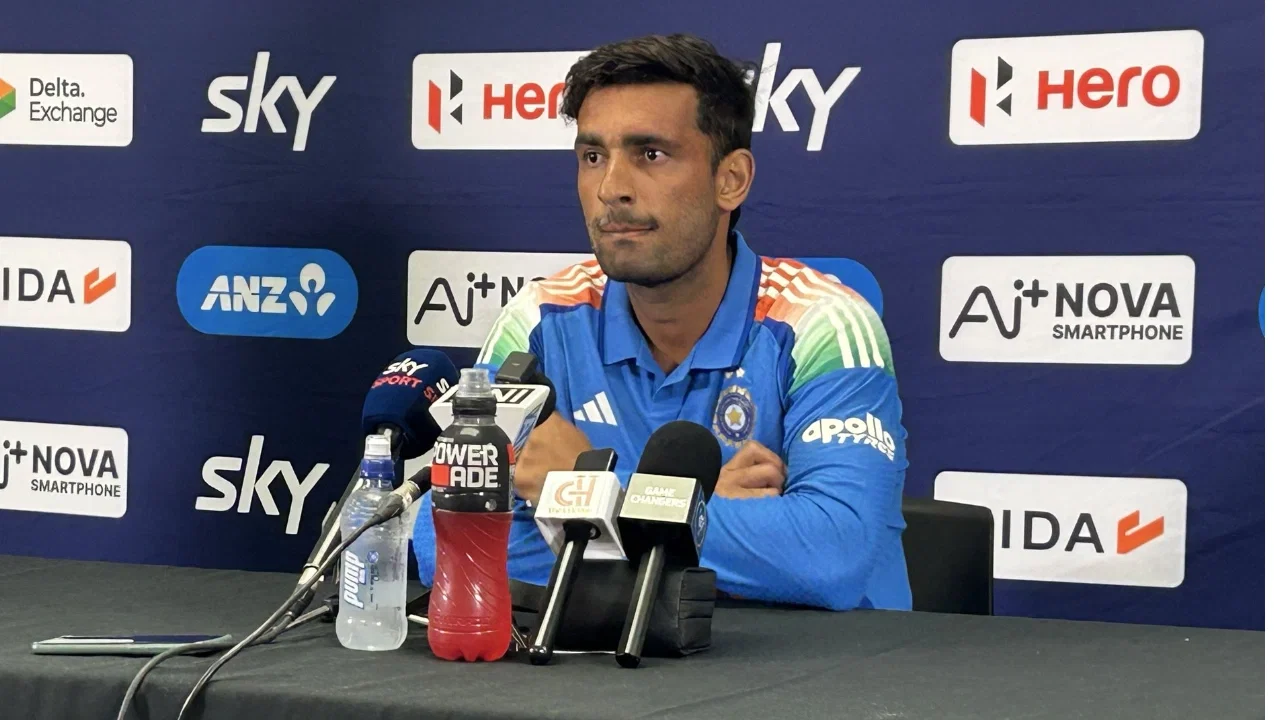
Anshul Kamboj’s disciplined spell earns Player of the Match in India’s Auckland ODI win
India began its ODI series against New Zealand with a five-wicket victory in a rain-affected opener in Auckland on November 4, with fast bowler Anshul Kamboj making a decisive impact. The right-armer was named Player of the Match after restricting the hosts with an economical spell that helped set up India’s successful chase under the Duckworth-Lewis-Stern (DLS) method.
Kamboj finished with figures of 2 for 22 from 10 overs, including two maidens. His economy rate of 2.20 stood out in a format usually marked by aggressive scoring, particularly as New Zealand struggled to build partnerships and keep the scoreboard moving. The hosts were eventually dismissed for 185, giving India’s bowlers a platform to take control of the rain-shortened contest.
Kamboj keeps New Zealand’s batters under pressure
Kamboj is known for his ability to swing the ball and maintain a consistent line and length. In Auckland, those strengths were on display as he made scoring difficult without relying on extravagant variations. Rather than chase wickets with every delivery, he focused on accuracy, challenged the batters’ patience and limited their options for easy runs.
That approach was especially valuable in a match interrupted by rain, when changes to the available overs can quickly alter a team’s plans. Every quiet over increased the pressure on New Zealand to take risks elsewhere, while Kamboj’s control allowed India to keep the hosts from building the kind of late-innings momentum that can prove decisive in a shortened ODI.
India completed the chase with five wickets in hand, securing the first win of the bilateral series. The result gave the visitors an early advantage, but Kamboj’s performance also offered a clear reminder of how effective disciplined fast bowling can be, even when conditions and match calculations are changing.
“One match doesn’t decide a career”
After receiving the award, Kamboj spoke about the importance of staying focused after being left out of the team. The Haryana-born fast bowler made his international debut in 2025, earning an opportunity during a period when injuries and fitness concerns had reduced India’s selection options.
He was called into the squad for the Anderson-Tendulkar Test series and made his Test debut in Manchester. Although he took one wicket in that appearance, he was subsequently dropped. Rather than allow the setback to define his progress, Kamboj said he continued working on his game and avoided being distracted by outside commentary.
“One match doesn’t decide a career. I have been doing the same things. I got motivation to do well after the Manchester Test. I don’t pay attention to outside talk,” he said. Kamboj added that thorough preparation gives him confidence and helps ensure there are no surprises when he steps onto the field.
His comments reflect a practical approach to the pressures of international cricket. Selection can change quickly, particularly for a young player still establishing himself, but consistent preparation gives a fast bowler a stronger chance of making the most of the next opportunity. Kamboj’s Auckland performance was an example of that readiness translating into results.
Adapting to conditions and embracing an all-round role
Kamboj also noted that the dimensions in Auckland were different from those he had encountered previously. However, he said changing ground conditions did not have to become a distraction when the pitch offered assistance. For a bowler, reading the surface and adjusting to what it provides can matter more than trying to impose a fixed plan.
He described the all-rounder’s responsibilities in straightforward terms: concentrate on batting when holding the bat and on bowling when holding the ball. That mindset keeps attention on the immediate task rather than on expectations attached to a broader role. Although Kamboj’s Player of the Match award came through his bowling, his comments underline the value of being prepared to contribute in multiple phases of a match.
A notable entry in India’s ODI award records
Kamboj’s spell also placed him in a select statistical group. He became one of a small number of Indian players to win an ODI Player of the Match award after taking two or fewer wickets without facing a ball in the innings. The milestone highlights how a player can shape a match without scoring runs or producing a large wicket tally: economy, pressure and timing can be just as influential.
Other Indian bowlers to achieve the feat include Jasprit Bumrah, Mohit Sharma, Bhuvneshwar Kumar, Anil Kumble and Javagal Srinath. Their performances came in different eras and against different opponents, but each showed the match-changing value of a controlled bowling spell.
The list includes Kamboj’s 2 for 22 against New Zealand in Auckland in 2026; Bumrah’s 2 for 19 against Pakistan in Ahmedabad in 2023 and 2 for 28 against South Africa at The Oval in 2017; and Mohit Sharma’s 2 for 26 against Zimbabwe in Bulawayo in 2013. Bhuvneshwar Kumar, Kumble and Srinath also feature for similarly effective contributions in earlier ODI matches.
What Kamboj’s performance could mean for India
One strong outing does not guarantee a permanent place in a competitive Indian bowling attack, and Kamboj himself was careful not to treat a single match as a career-defining moment. Still, his Auckland spell gives selectors and supporters a useful measure of his strengths: accuracy, composure and the ability to maintain pressure over a full quota of overs.
For India, those qualities could be valuable across the rest of the series, especially if weather continues to influence match conditions. The prediction for the next fixtures will depend on team selection, pitch behaviour and the availability of the full bowling group, but Kamboj has made a compelling case for continued consideration. His performance was not built on dramatic celebrations or a burst of wickets; it came from disciplined execution, patience and a clear understanding of his role.
India’s five-wicket win gave the visitors a strong start, while Kamboj’s Player of the Match display marked an encouraging step in his international journey. By responding to an earlier setback with preparation rather than frustration, the young seamer turned his Auckland opportunity into a memorable contribution—and a reminder that in ODI cricket, control can be every bit as decisive as pace.
Latest News
“He should be looked at even for Tests”: Sunil Gavaskar urges India to consider Arshdeep Singh in Test
World Record Alert! Virat Kohli breaks Sachin Tendulkar’s major records with batting brilliance vs NZ
“One match doesn’t decide a career”: Anshul Kamboj after winning POTM in 1st ODI vs New Zealand
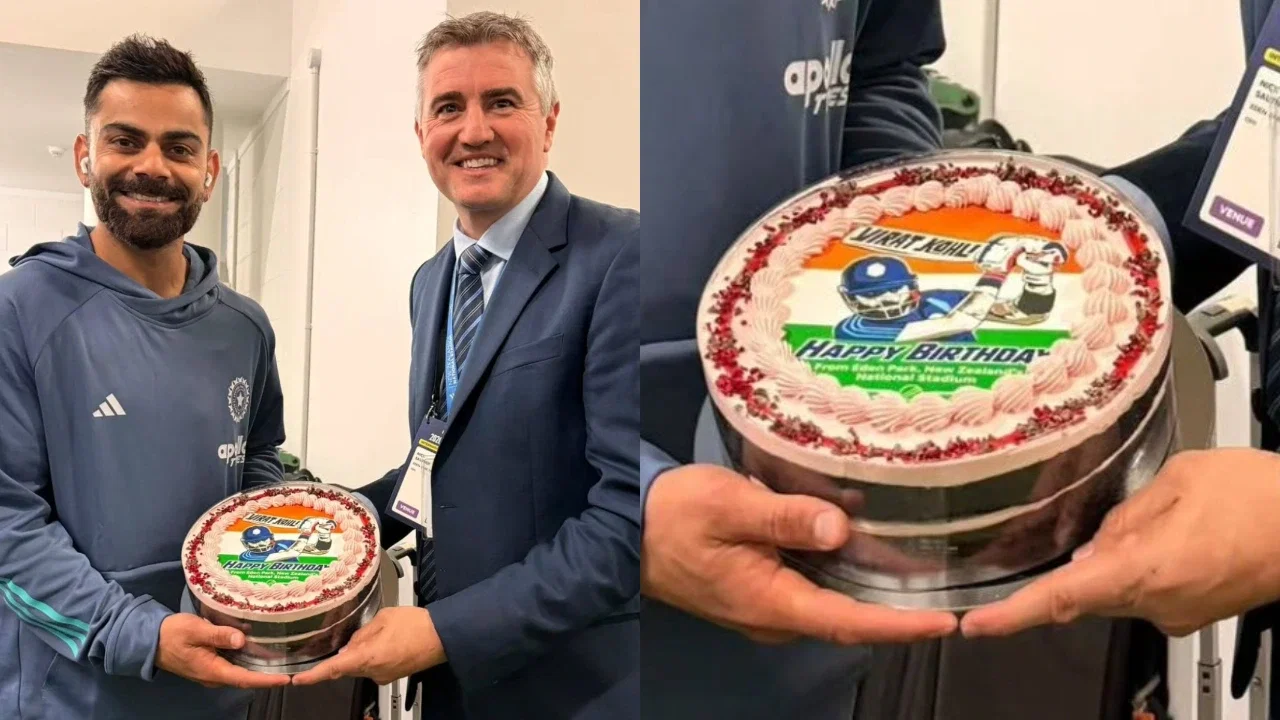
Virat Kohli gets special surprise at Eden Park ahead of 38th Birthday
Mohammad Rizwan roars back with a double hundred after being dropped from Pakistan Test squad

Babar Azam’s poor form continues after controversial dismissal in Quaid-e-Azam Trophy

Jacob Duffy reveals what makes Virat Kohli so difficult to bowl to
WPL 2027 schedule announced: RCB to face MI in opening fixture
Virat Kohli becomes first-ever No. 3 batter to score 13,000 runs in ODI cricket

Faf du Plessis names more valuable Test player than Marco Jansen; snubs Joe Root & Jasprit Bumrah

Irfan Pathan breaks silence on Mohammad Amir joining his APL team

Mitchell Starc overtakes Marco Jansen to become World’s No.1 Test bowler again
Zimbabwe announce squad for Afghanistan Tests; Brian Bennett named as captain

BAN vs WI Playing 11 Today, Live Streaming, Pitch & Weather: Bangladesh vs West Indies 2nd Test, 2026