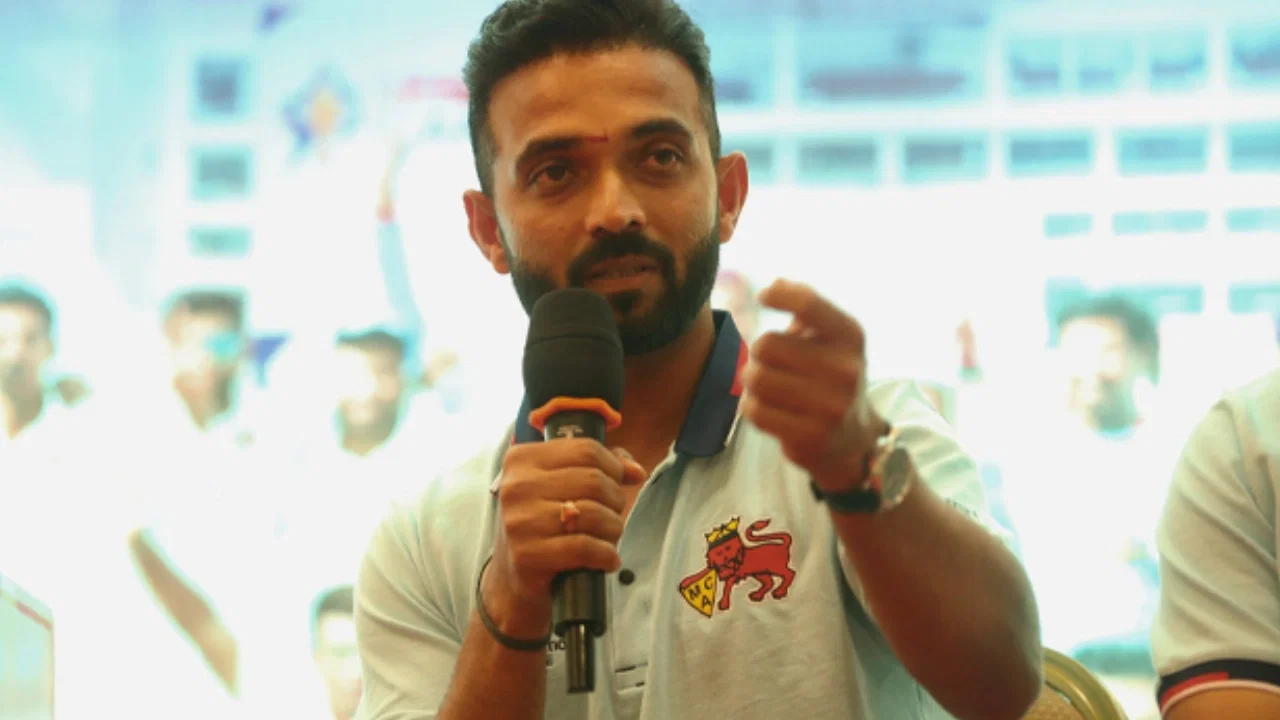
“He should be looked at even for Tests”: Sunil Gavaskar urges India to consider Arshdeep Singh in Test
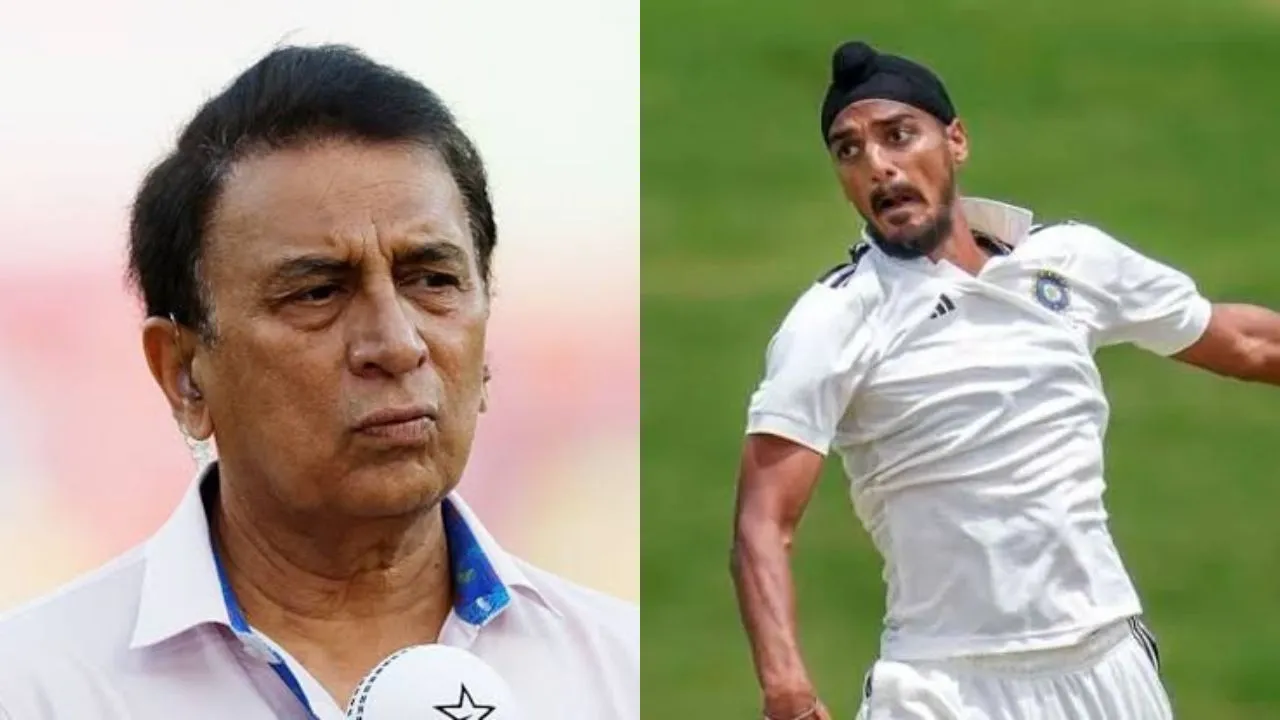
Sunil Gavaskar and Ajinkya Rahane Back Arshdeep Singh for a Test Opportunity After Auckland ODI
India made a winning start to their ODI campaign in New Zealand, defeating the hosts by five wickets in the opening match at Eden Park, Auckland. The result gave Shubman Gill’s side an early advantage in the series and prompted renewed discussion about the future of left-arm fast bowler Arshdeep Singh. Former India captain Sunil Gavaskar and ex-batter Ajinkya Rahane both said the 27-year-old has the skills to be considered for Test cricket.
Arshdeep impressed with a four-wicket haul, finishing with figures of 4 for 70 from his 10 overs. His ability to move the ball in both directions, maintain a testing line and bring a different angle to India’s attack stood out. For Gavaskar and Rahane, those qualities are not limited to white-ball cricket: they believe Arshdeep’s control and wicket-taking threat could also translate to the red-ball format.
India Breaks a Long Wait for an ODI Win in New Zealand
The opening victory was significant beyond the series scoreline. India had gone seven years without winning an ODI in New Zealand, enduring four defeats during that stretch, while two other matches ended without a result. Ending that run in Auckland gives the visitors confidence as they pursue a series win on New Zealand soil for the first time since the 2018–19 tour.
Eden Park can be a challenging venue for visiting teams. Its compact boundaries can reward attacking batters, while the movement available to seamers may make the early overs especially important. In that setting, India’s bowlers needed to combine discipline with the ability to create uncertainty. Arshdeep did both, using swing and a well-directed length to make the New Zealand batters work for their runs.
India’s five-wicket win also gives the team a useful platform, but the series remains open. New Zealand will be keen to respond, and India will need sustained contributions from both its batting and bowling units to turn a strong start into a series triumph.
Gavaskar: Arshdeep’s Swing and Length Could Suit Test Cricket
Speaking on Sony Sports after the match, Gavaskar highlighted Arshdeep’s capacity to swing the ball both ways. That ability, he explained, can force batters to make decisions late: they must judge whether a delivery is moving away or coming back towards them, often while also protecting their stumps.
Gavaskar was particularly impressed by the bowler’s length and line in Auckland. Arshdeep repeatedly made right-handed batters play across the line around middle and off stump, while the occasional ball coming back in prevented them from settling into a predictable response. That combination can be valuable in Test cricket, where a bowler has more time to build pressure through repeated spells and sustained accuracy.
“He can swing the ball both ways, inswing and outswing. That creates doubt for batters about which ball is coming,” Gavaskar said. He added that Arshdeep’s length was excellent and that he had been advocating for the seamer to be considered for Tests after watching him over the past two or three years.
Gavaskar’s comments point to a broader selection question for India: how to build a varied pace attack for longer formats. A left-arm fast bowler can offer a different angle to right-handed batters, complementing right-arm quicks and giving a captain another option when conditions favour movement.
Rahane Sees Red-Ball Potential in Arshdeep’s Skill Set
Rahane also backed the case for a Test opportunity. He said Arshdeep’s skill in moving the white ball in both directions suggests that he could pose a threat with the red ball as well. While the formats differ in workload, tactics and ball behaviour, the fundamentals of seam position, control and creating uncertainty remain important in each.
Rahane further noted the value of having a left-arm seamer in the attack. The angle can draw batters into different lines of play and may create useful variations in how they defend or score. In a Test match, a left-armer can also complement a right-arm bowling group by targeting different areas of the pitch and making the batting side adjust its approach.
“He should definitely get a chance,” Rahane said, pointing to Arshdeep’s movement and wicket-taking ability. He added that the bowler has the skills to operate with the red ball. Rahane’s support reflects the growing conversation around whether Arshdeep’s international experience and white-ball performances have earned him a closer look in the Test setup.
Arshdeep’s Recent Form Strengthens the Test Selection Conversation
Arshdeep arrived in the ODI after a productive T20I series, in which he led India’s wicket-taking charts with six dismissals across five matches. He then carried that momentum into the first ODI, claiming four wickets and becoming one of the standout performers in India’s bowling attack.
He has represented India in 19 ODIs and 104 T20Is but has yet to make his Test debut. His experience across international white-ball cricket gives selectors a substantial body of performances to assess, though a place in the Test side would bring different demands. Test fast bowlers must manage longer spells, maintain accuracy over several days and adapt to changing pitch and match conditions.
The Auckland performance offers encouraging evidence, but one match alone is unlikely to settle the question. Consistency across the remainder of the ODI series and future domestic or international opportunities could help show how well Arshdeep’s control holds up under varied conditions. His fitness and capacity to sustain a red-ball workload would also be important considerations for selectors.
What Arshdeep’s Test Prediction Means for India
Gavaskar and Rahane’s comments have added weight to the prediction that Arshdeep could eventually receive a chance in Test cricket. Their support is based not simply on his left-arm angle, but on a combination of swing, line, length and a demonstrated ability to take wickets. Those traits could give India greater variety, particularly when conditions offer assistance to seam bowling.
For now, Arshdeep’s immediate focus will be helping India build on its first-match victory and maintain pressure throughout the ODI series. If he continues to deliver, the discussion about a Test call-up is likely to grow. India’s selectors will ultimately need to balance current form with the demands of the longest format, but the Auckland display has strengthened the case for giving the left-armer serious consideration.
Latest News
“He should be looked at even for Tests”: Sunil Gavaskar urges India to consider Arshdeep Singh in Test
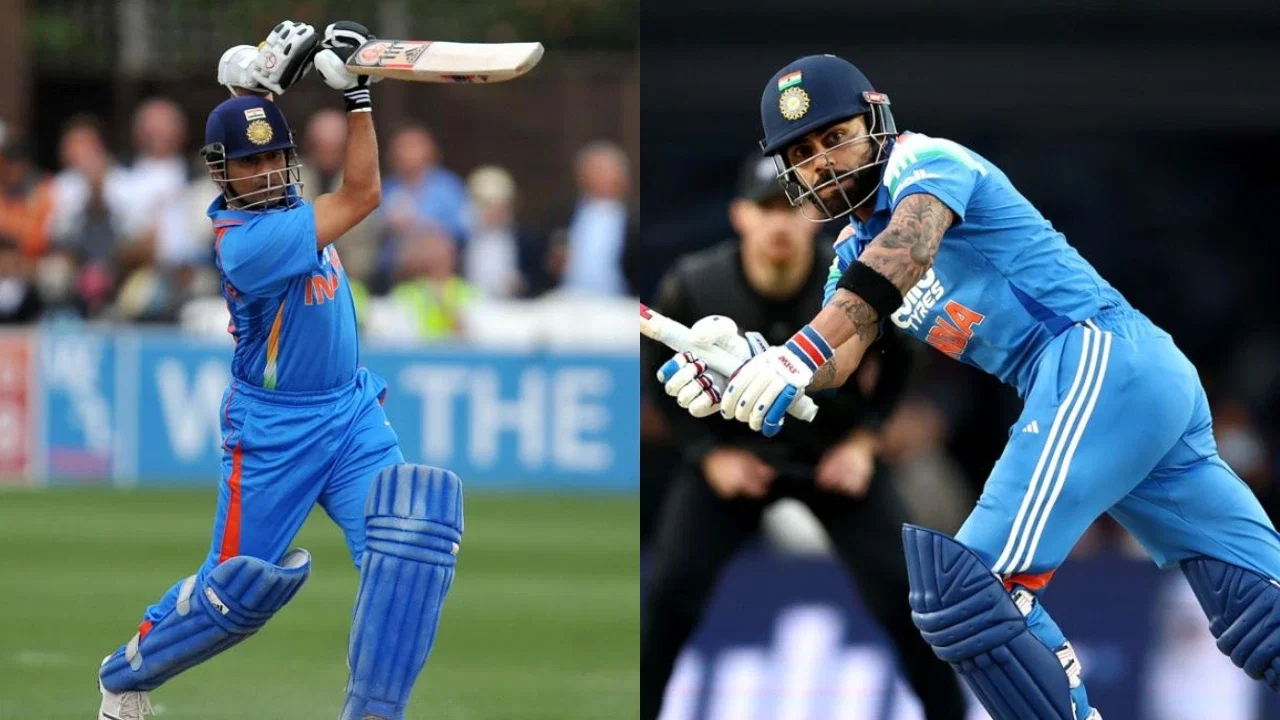
World Record Alert! Virat Kohli breaks Sachin Tendulkar’s major records with batting brilliance vs NZ
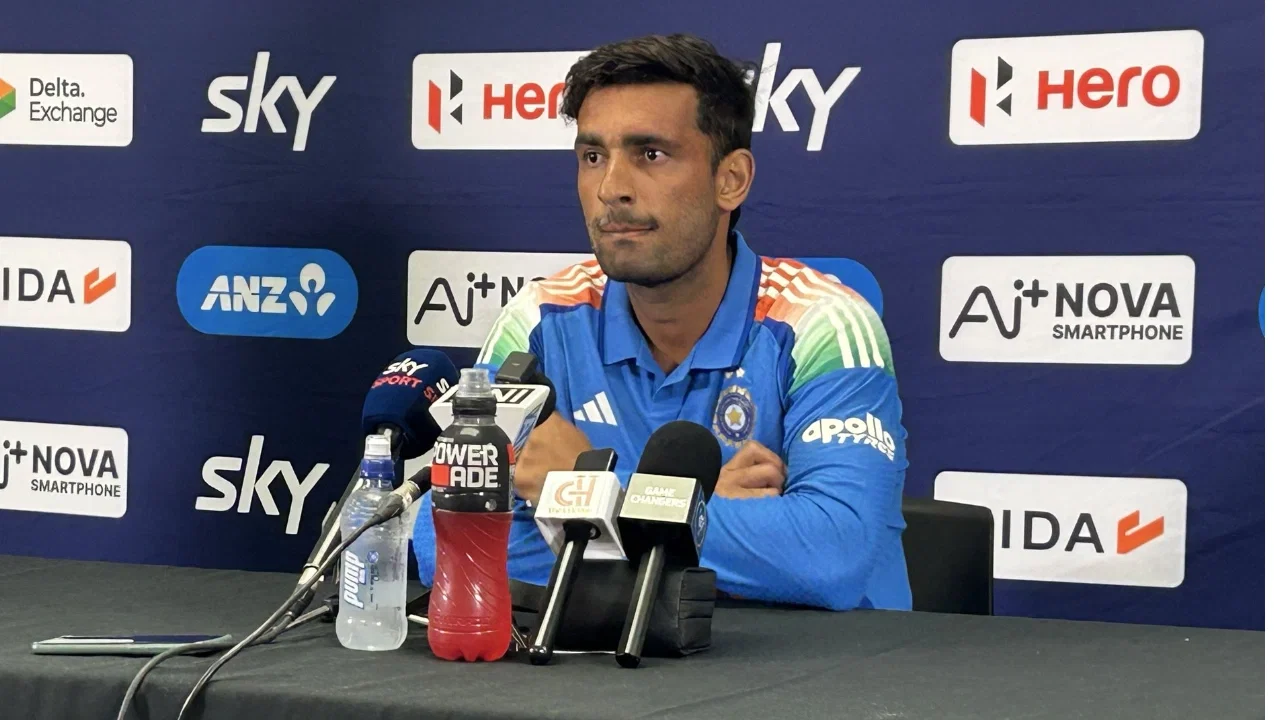
“One match doesn’t decide a career”: Anshul Kamboj after winning POTM in 1st ODI vs New Zealand
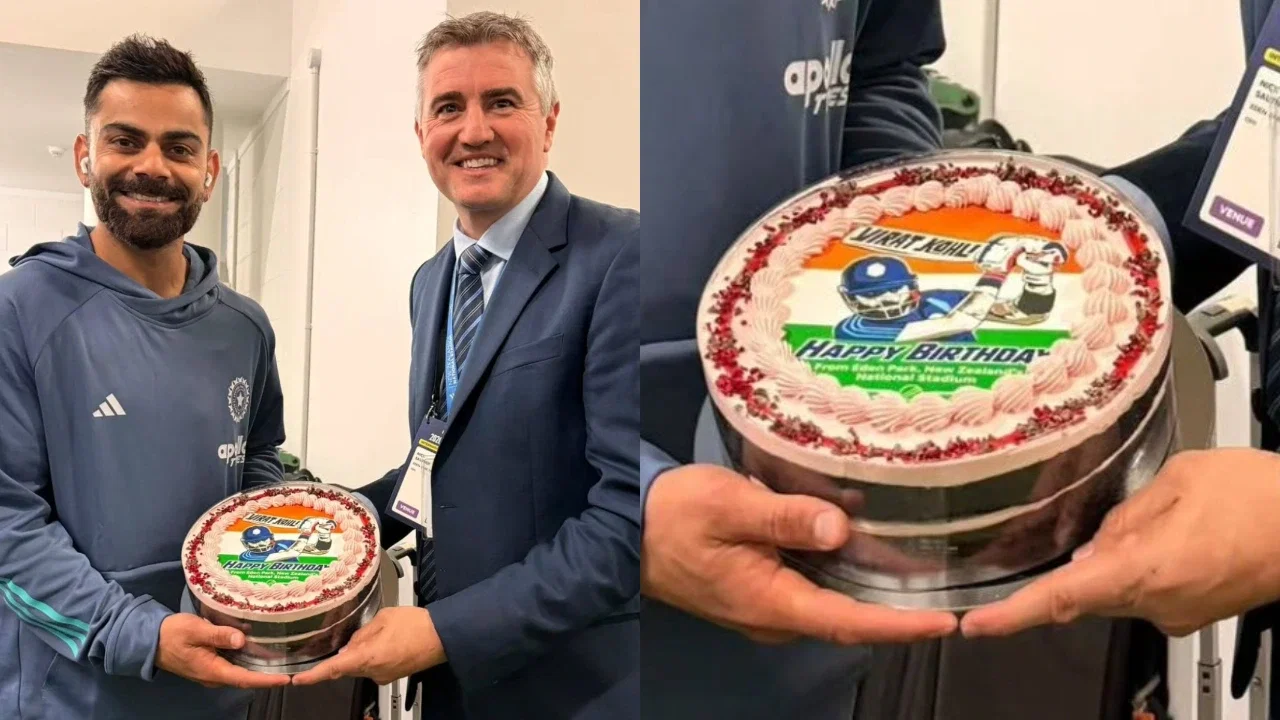
Virat Kohli gets special surprise at Eden Park ahead of 38th Birthday
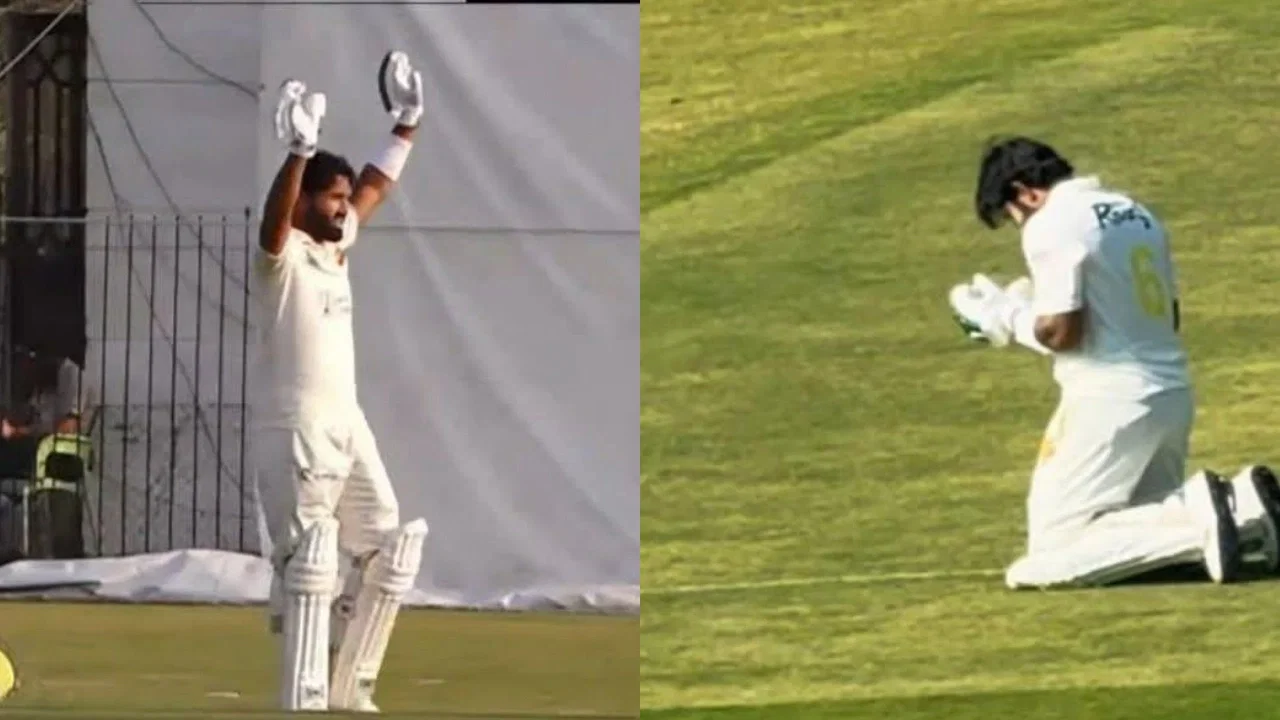
Mohammad Rizwan roars back with a double hundred after being dropped from Pakistan Test squad
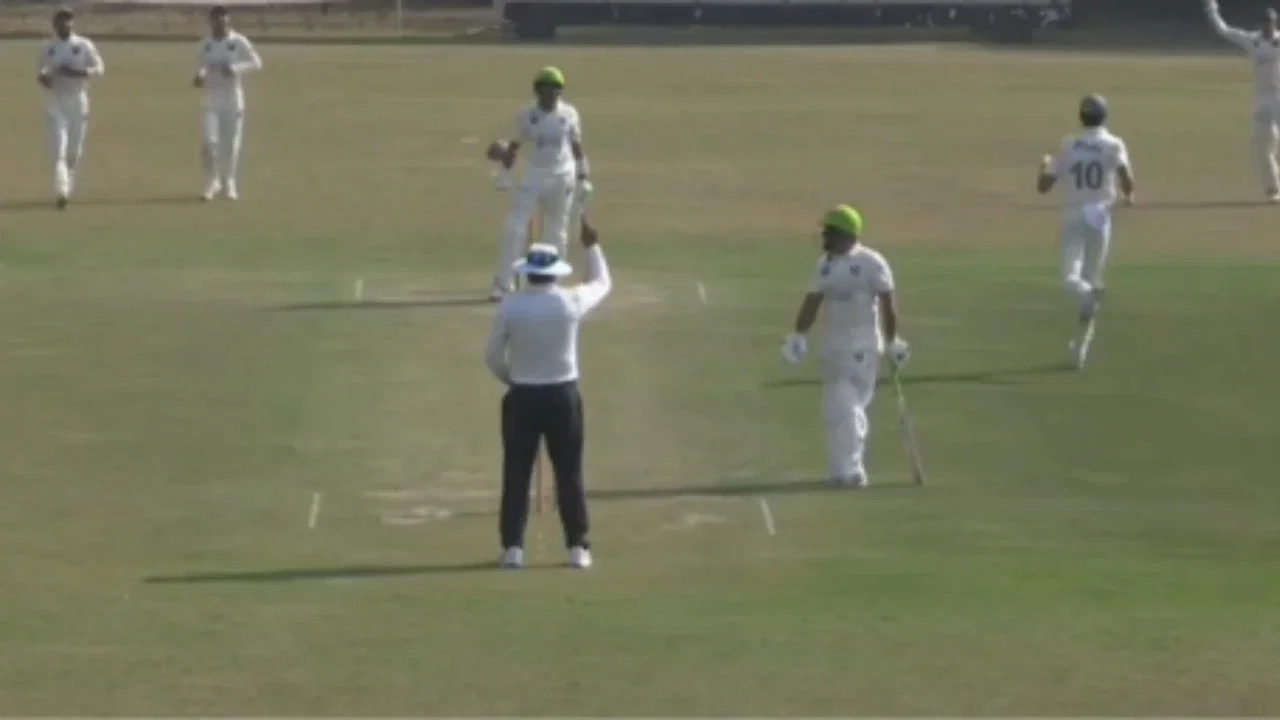
Babar Azam’s poor form continues after controversial dismissal in Quaid-e-Azam Trophy
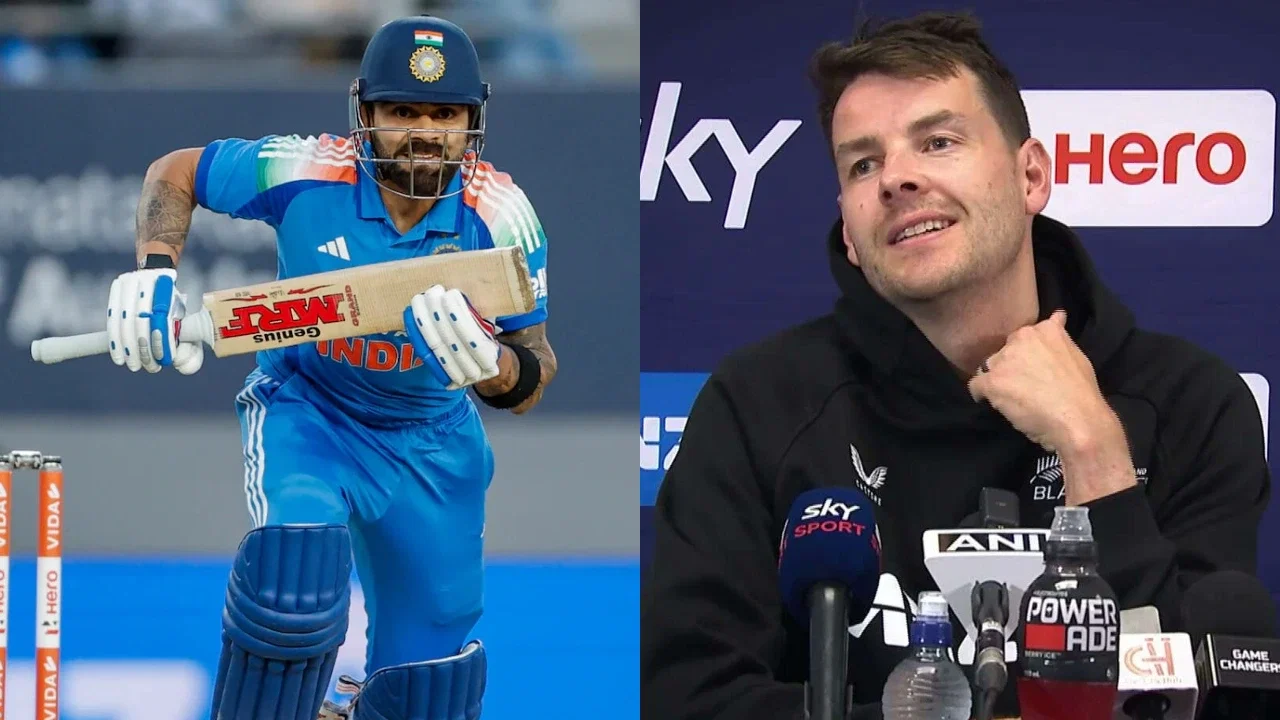
Jacob Duffy reveals what makes Virat Kohli so difficult to bowl to
WPL 2027 schedule announced: RCB to face MI in opening fixture
Virat Kohli becomes first-ever No. 3 batter to score 13,000 runs in ODI cricket

Faf du Plessis names more valuable Test player than Marco Jansen; snubs Joe Root & Jasprit Bumrah
Irfan Pathan breaks silence on Mohammad Amir joining his APL team
Mitchell Starc overtakes Marco Jansen to become World’s No.1 Test bowler again
Zimbabwe announce squad for Afghanistan Tests; Brian Bennett named as captain
BAN vs WI Playing 11 Today, Live Streaming, Pitch & Weather: Bangladesh vs West Indies 2nd Test, 2026