

“Bigger issues at play”: MCC reacts to ongoing India-Pakistan handshake controversy
MCC Says It Cannot Compel Players to Shake Hands Amid India-Pakistan Cricket Tensions
The Marylebone Cricket Club (MCC) has acknowledged that it cannot require cricketers to shake hands, even as it continues to champion the gesture as a visible expression of sportsmanship. Fraser Stewart, the MCC’s Head of Cricket, said the club’s influence is limited when political tensions shape decisions made around a match.
Handshakes are a familiar part of cricket’s pre-match and post-match rituals, but they are not mandatory under the Laws of Cricket or International Cricket Council (ICC) regulations. Players can therefore choose whether to take part. The issue has drawn renewed attention during India-Pakistan fixtures, where teams have repeatedly avoided the customary exchange amid heightened tensions following the April 2025 Pahalgam terror attack.
Stewart: Some issues extend beyond the cricket field
Speaking on the sidelines of the ILT20 in Sharjah, Stewart was asked whether it was becoming more difficult to uphold the Spirit of Cricket as players continued to refuse handshakes. He said that geopolitical circumstances could not always be addressed through cricket’s rules or by the MCC.
“There are certain instances that transcend cricket and come from a level that’s above my station to talk about geopolitical situations,” Stewart said.
He stressed that the MCC would prefer players to acknowledge one another, but distinguished between the club’s ideals and its authority. In his view, cricket officials can set expectations for conduct during play, including respect for opponents, umpires and the decisions made by match officials. They cannot, however, resolve political disputes that influence how teams approach a fixture.
“What we can control is on the field: the players respect each other, they respect the umpires and the authority of the umpires and the game,” Stewart said.
MCC has no power to enforce a handshake
Stewart also addressed the possibility that players might be following instructions from political leaders or other authorities outside cricket. He said the MCC could not intervene in such circumstances, even if it hoped the traditional gesture would return.
“If there are edicts coming from above about handshakes, that’s not something that MCC can control,” he said, adding that the issue involved concerns beyond the reach of the club and the game’s laws.
The distinction is important: the Spirit of Cricket encourages fairness, respect and gracious conduct, but it does not make every customary gesture compulsory. A handshake may carry strong symbolic meaning, especially in a high-profile rivalry, yet its absence does not automatically constitute a breach of cricket’s formal rules.
How the India-Pakistan handshake boycott developed
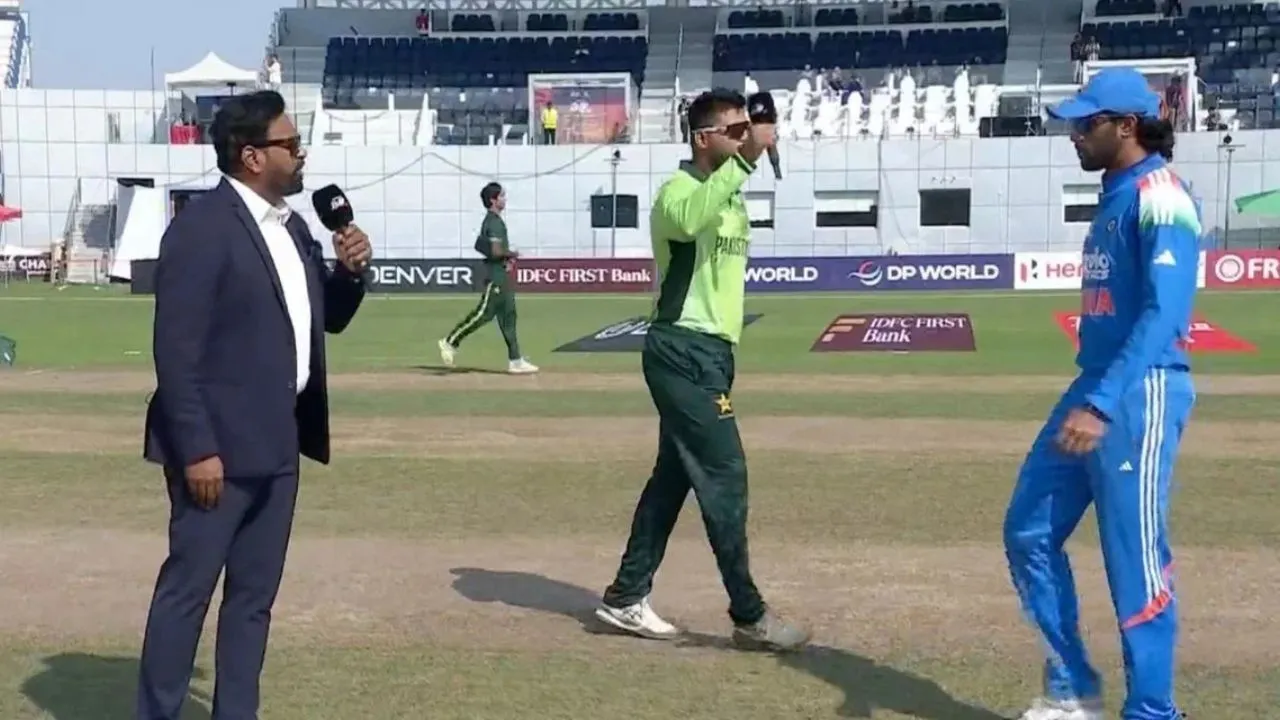
The latest period of handshake refusals began during the men’s Asia Cup in Dubai on September 14, 2025. At the toss for the group-stage match, India captain Suryakumar Yadav and Pakistan skipper Salman Ali Agha did not exchange the customary greeting.
India went on to win by seven wickets. After the match, Suryakumar and Shivam Dube left the field without shaking hands with their opponents, while the Indian team remained in its dressing room. Suryakumar dedicated the victory to the victims of the Pahalgam attack and to the Indian armed forces.
Salman did not attend the post-match presentation. The Pakistan Cricket Board (PCB) subsequently complained about match referee Andy Pycroft, alleging that he had advised the captains not to shake hands at the toss. The dispute briefly raised the possibility that Pakistan could withdraw from the tournament, adding another layer of tension to an already closely watched contest.
The practice continued through the Asia Cup, including the Super Four meeting and the final. It later appeared in women’s cricket during the Women’s Cricket World Cup in October 2025, showing that the issue was no longer confined to one men’s tournament or a single match-day decision.
Refusals spread across age groups and competitions
India-Pakistan fixtures at younger levels have also featured the same pattern. During the ICC Under-19 World Cup in February, India captain Ayush Mhatre and Pakistan skipper Farhan Yousaf did not shake hands. The teams also avoided the gesture in their men’s T20 World Cup group-stage match in Colombo.
The most recent incident cited in the dispute came at the ACC Men’s Asia Cup Rising Stars match between India A and Pakistan A in Doha. Captains Tilak Varma and Abdul Samad did not shake hands at the toss, and the teams did not exchange post-match handshakes after Pakistan A won by 48 runs.
Because the pattern has appeared in senior, women’s and age-group cricket, each new fixture attracts attention beyond the result. For supporters, broadcasters and tournament organisers, the handshake has become a highly visible signal that can be interpreted as a reflection of the wider relationship between the two countries. That symbolism can sometimes overshadow the cricket itself, including the performances and decisions that determine the match.
What the handshake debate means for cricket
The MCC’s position highlights a tension at the heart of modern international sport: cricket promotes respect and shared traditions, while its participants operate within political and social realities that the game cannot control. Officials can encourage players to show courtesy and can enforce rules governing play, but a voluntary gesture is difficult to turn into an obligation without changing the nature of the tradition.
For now, there is no indication that the Laws of Cricket will be amended to make handshakes compulsory. Any future change would also raise practical questions about enforcement and whether a refusal should carry a sporting penalty. The MCC’s comments instead point to a more limited approach: uphold respect in the contest, while recognising that decisions shaped by forces outside cricket may remain beyond the governing body’s reach.
As future India-Pakistan matches approach, the handshake question is likely to remain part of the pre-match prediction and post-match discussion. Yet Stewart’s remarks make clear that the MCC cannot guarantee the gesture will return. Its preference is for players to show mutual respect, but the ultimate choice remains with the teams—and, in some cases, with circumstances far removed from the boundary rope.
Latest News
“Bigger issues at play”: MCC reacts to ongoing India-Pakistan handshake controversy
Will Jacks ruled out of Australia vs England T20I series with broken hand
Harshit Rana involved in heated on-field exchanges with Pakistan batters in Doha
Vaibhav Sooryavanshi leaves field after collision with Vipraj Nigam in IND vs PAK game
Jasprit Bumrah scripts special Test record after dismissing Tom Latham in 1st Test vs New Zealand
Yuzvendra Chahal makes political debut, gets special role in BJP
“None of them are bad guys”: David Warner’s manager offers solution to Australia’s Sandpapergate row
Irfan Pathan picks SIX Indians in World Test XI, leaves out several big names
Dinesh Karthik backs Anshul Kamboj for ODI World Cup squad after impressive nightwatchman knock
Saba Karim explains why Rishabh Pant is “required in international cricket”
Jacob Bethell undergoes second knee surgery, reveals comeback timeline
Jamshed Alam creates history with stunning five-wicket haul on T20 debut in SMAT
Noor Ahmad reveals two things CSK players will miss most about MS Dhoni
“Spend some time in the house:” Usman Khawaja’s childhood coach hits back over Sandpaper Gate claims

