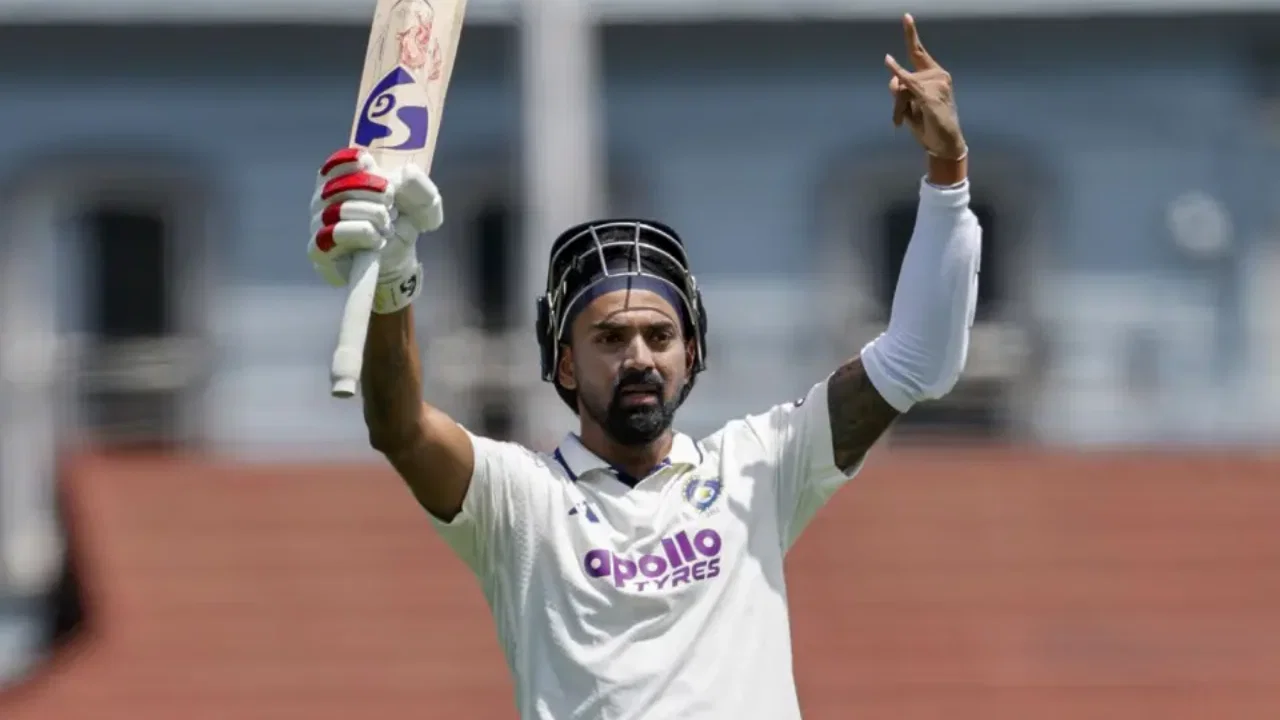
“None of them are bad guys”: David Warner’s manager offers solution to Australia’s Sandpapergate row
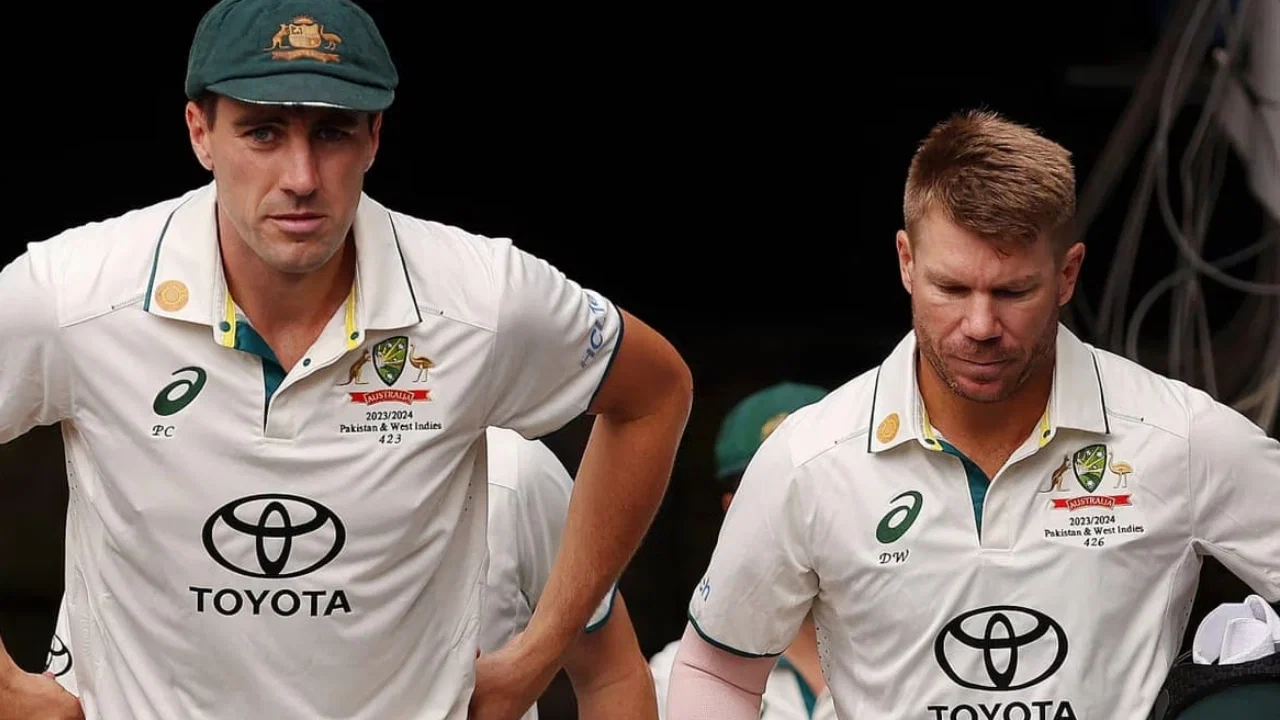
Sandpapergate Controversy Returns as Khawaja’s Claims Spark Fresh Debate
Australia’s 2018 ball-tampering scandal has resurfaced, bringing renewed scrutiny to one of the most damaging episodes in the country’s cricketing history. Years after the incident appeared to have settled, comments from Usman Khawaja have reignited debate over who knew what during the Cape Town Test—and whether responsibility extended beyond the three players who were formally punished.
The latest exchange has shifted attention away from on-field results and toward the relationships, recollections and unresolved tensions surrounding Sandpapergate. Former Australia batter David Warner’s manager, James Erskine, has now urged those involved to address the dispute privately, rather than continuing a public cycle of accusations and denials.
Why Sandpapergate Is Back in the Headlines
The scandal dates to Australia’s 2018 Test match against South Africa in Cape Town. Television footage showed Cameron Bancroft using a piece of sandpaper on the ball, prompting an investigation by Cricket Australia. The governing body subsequently issued suspensions to Bancroft, then-captain Steve Smith and vice-captain David Warner.
All three eventually returned to professional cricket after serving their bans. For a time, the affair seemed to have receded into the background, although questions about the team environment and the extent of players’ knowledge never entirely disappeared.
Khawaja has brought those questions back into focus with claims made ahead of the publication of his autobiography. He has suggested that the ball-tampering episode was not limited to the three players who received sanctions, and that involvement or awareness may have extended across the wider team. His comments have added a new chapter to an argument that has repeatedly resurfaced whenever former players revisit the events of 2018.
Pat Cummins Rejects Khawaja’s Account
Pat Cummins was part of Australia’s touring squad in South Africa and is now the team’s Test captain. Asked about Khawaja’s claims, Cummins rejected the suggestion that the wider team was involved in the ball-tampering plan.
The disagreement is significant because it places competing accounts from prominent Australian cricketers in direct opposition. Khawaja’s version has received support from Warner and Bancroft, both of whom have also indicated that the incident involved more than the three players who were punished. Cummins, by contrast, has stood by a narrower account of responsibility.
That contrast has turned the controversy into a broader debate about memory, accountability and the pressures of speaking publicly about a high-profile scandal. The players’ comments are not simply competing recollections; they also shape how the episode may be understood by supporters, cricket historians and future generations of Australian players.
Former Players Join the Debate
The dispute has drawn reactions beyond the current and former Australian dressing room. Former England cricketers have called for greater scrutiny of Cummins, particularly as Australia prepared for a Test series against New Zealand. Meanwhile, Cummins has received public support from Australian fast bowler Josh Hazlewood and former coach Darren Lehmann.
As more voices enter the discussion, the original question—what happened in Cape Town and who was responsible—has become entangled with a second one: how should the players deal with the continuing fallout? Public statements may offer supporters new details, but they can also deepen divisions when accounts conflict and no shared resolution is reached.
Erskine Calls for a Private Resolution
Erskine, who manages Warner, has argued that the players should settle their differences directly, without managers or Cricket Australia mediating the conversation. Speaking to CODE Sports, he said the ongoing dispute was damaging and that those involved should meet, discuss what happened and apologise to one another.
Erskine described the situation as a case of “dishonour among cheats,” while adding that he did not believe the players were bad people. His proposed solution was for Cummins, Warner and the wider group to sit down privately, acknowledge the harm caused and make clear that their actions were not intended to act maliciously or shift blame onto a teammate.
His comments reflect a view that the public argument has reached a point where further statements may do little to clarify the past. A private meeting would not necessarily settle every disagreement, but it could give the players an opportunity to speak candidly without the immediate pressure of headlines, interviews and social media reaction.
What the Latest Sandpapergate Prediction Means
Any prediction about how the controversy will end remains uncertain. There has been no confirmed agreement among the players to meet, and the differences between their public accounts remain substantial. If the dispute continues through interviews and media coverage, the scandal is likely to remain part of the conversation around Australian cricket, particularly whenever the 2018 team or its senior figures are discussed.
There is also a risk that the debate becomes less about establishing a complete record and more about defending individual reputations. That outcome could make reconciliation harder, especially for players who believe their roles or statements have been misrepresented. On the other hand, a direct conversation could help separate personal grievances from the broader questions about team culture and responsibility.
A Lasting Test for Australian Cricket
Sandpapergate was a major reputational crisis for Australian cricket. The suspensions were intended to impose consequences and allow the team to move forward, but the latest claims show that formal penalties did not necessarily resolve every concern among those involved.
For supporters, the renewed controversy is a reminder that sporting scandals rarely end when bans expire. Their legacy can persist through conflicting recollections, changing perspectives and the personal consequences experienced by players. The challenge for Australian cricket is to address those questions without allowing the dispute to overshadow the game itself.
Whether the players accept Erskine’s call for a private discussion or continue to make their cases publicly, the latest Sandpapergate fallout has reopened a difficult chapter. A clear, shared account may remain elusive, but a more constructive conversation could help the people involved—and Australian cricket—move closer to closure.
Latest News
Will Jacks ruled out of Australia vs England T20I series with broken hand
Harshit Rana involved in heated on-field exchanges with Pakistan batters in Doha
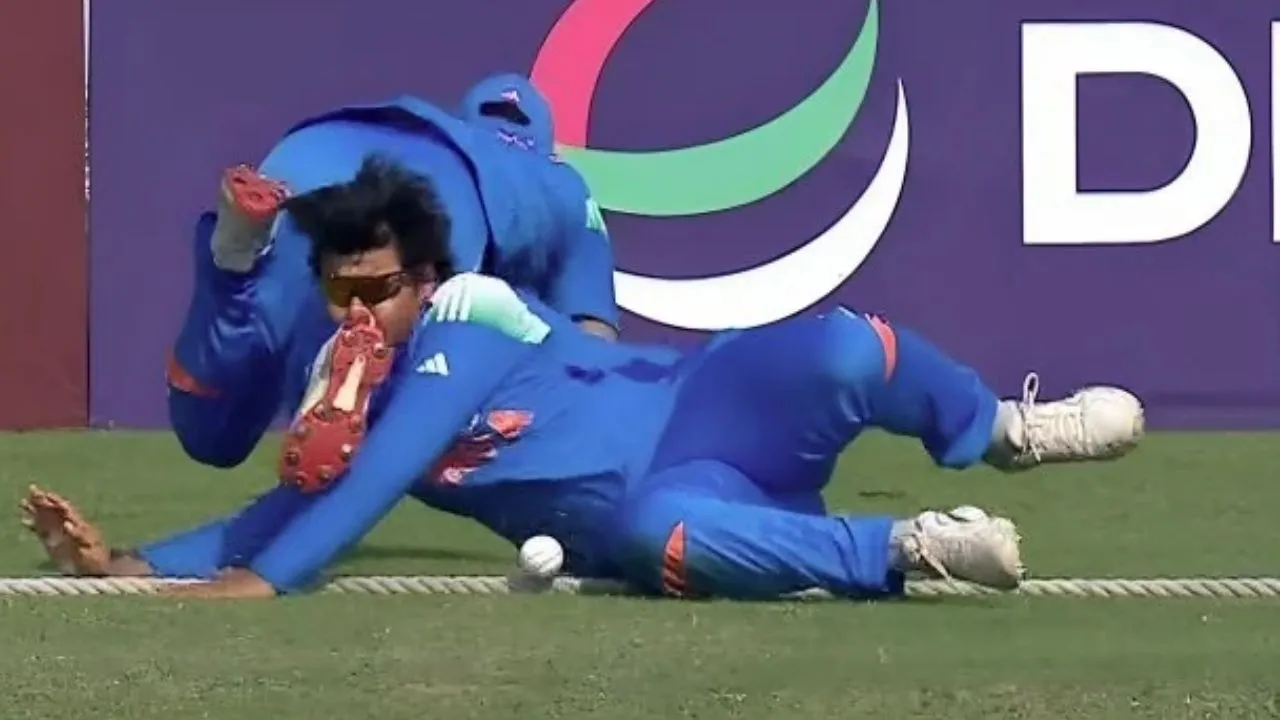
Vaibhav Sooryavanshi leaves field after collision with Vipraj Nigam in IND vs PAK game
Jasprit Bumrah scripts special Test record after dismissing Tom Latham in 1st Test vs New Zealand
Yuzvendra Chahal makes political debut, gets special role in BJP
“None of them are bad guys”: David Warner’s manager offers solution to Australia’s Sandpapergate row

Irfan Pathan picks SIX Indians in World Test XI, leaves out several big names
Dinesh Karthik backs Anshul Kamboj for ODI World Cup squad after impressive nightwatchman knock

Saba Karim explains why Rishabh Pant is “required in international cricket”

Jacob Bethell undergoes second knee surgery, reveals comeback timeline

Jamshed Alam creates history with stunning five-wicket haul on T20 debut in SMAT
Noor Ahmad reveals two things CSK players will miss most about MS Dhoni
“Spend some time in the house:” Usman Khawaja’s childhood coach hits back over Sandpaper Gate claims
IND vs PAK: Tilak Varma and Abdul Samad skip handshake in Rising Stars Asia Cup clash