“Spend some time in the house:” Usman Khawaja’s childhood coach hits back over Sandpaper Gate claims
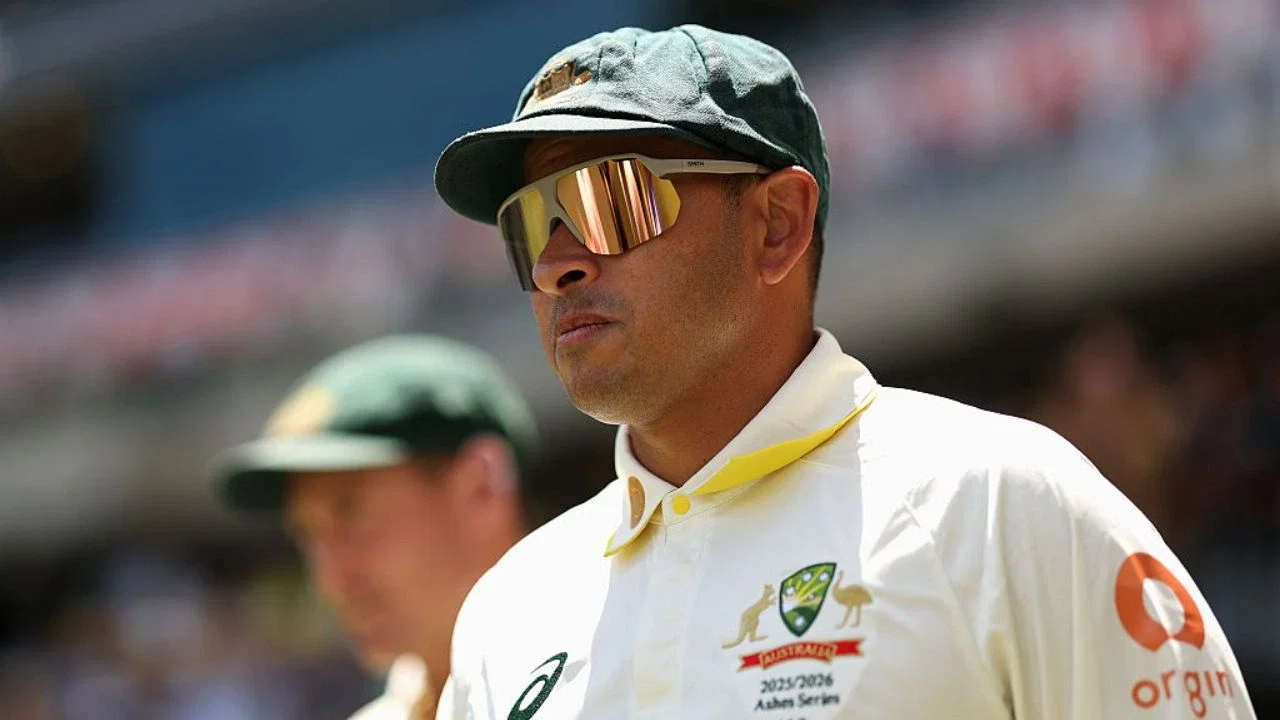
Anthony Stuart Fires Back at Usman Khawaja Over Coaching Criticism in Sabr
Former Australia fast bowler and New South Wales coach Anthony Stuart has publicly challenged Usman Khawaja’s account of their time together, accusing the former Test batter of taking “cheap shots” in his autobiography, Sabr, without including what Stuart says is important context.
The dispute has reopened discussion about Khawaja’s early years in professional cricket, the relationship between players and coaches, and the continuing fallout from Australia’s 2018 ball-tampering scandal. Stuart’s comments present a sharply different version of events from the one Khawaja describes in his book. The allegations made by both men remain their own accounts of past events.
What Khawaja Wrote About Stuart’s Coaching
Khawaja, who played for New South Wales before moving to Queensland, described Stuart as a decent person but said he did not feel the coach helped him develop as a batter. In Sabr, he wrote that he had tried to build a rapport by talking with Stuart about his life and family, but felt those efforts were not returned.
His criticism focused on the professional relationship rather than personal hostility. Khawaja’s account suggested that he wanted more communication and guidance during a formative stage of his career, but did not believe he received the coaching support he needed.
Stuart, however, rejected the suggestion that Khawaja’s description told the full story. In a response addressing the autobiography, he said he had stayed silent for years out of courtesy but was no longer willing to accept what he viewed as an incomplete portrayal of their time together. He also criticised Khawaja’s manager, describing dealings with the pair as difficult.
Stuart’s Claims About Training and Team Expectations
Stuart raised several examples that he said reflected tensions during Khawaja’s New South Wales stint. He alleged that Khawaja sometimes continued wearing his batting pads around training after facing the bowlers, making it harder for teammates to bowl to him. Stuart also claimed that Khawaja had refused requests from the captain to wear the team’s travel kit on the journey back to the hotel in Perth.
These points offer a glimpse into the everyday expectations that can shape a cricket team: sharing training opportunities, following team routines and responding to leadership. Such matters may appear minor in isolation, but disagreements over standards and conduct can influence trust between players, coaches and captains—particularly when a young player is trying to establish his place in a competitive squad.
Stuart further claimed that Khawaja resisted feedback about his fitness and his ability to play spin bowling. He also recalled a disagreement over batting order, alleging that Khawaja and his manager objected strongly when he was asked to open against Tasmania. According to Stuart, their position was that the team’s best batter should bat at No. 3.
Batting-order decisions are a familiar source of debate in cricket. Coaches may move a player up or down to address a team need, test adaptability or give another batter a particular role. A player, meanwhile, may see a preferred position as central to performing consistently. Stuart’s account frames the Tasmania selection as a clash over team strategy and personal expectations; Khawaja’s book, as described in the dispute, offers a broader criticism of the coaching relationship.
Cape Town Scandal Adds a Wider Dimension
The exchange became more serious when Stuart referred to the 2018 ball-tampering scandal in Cape Town. He accused Khawaja of sitting beside Cameron Bancroft without intervening as Bancroft used sandpaper on the ball. Stuart also argued that other players had carried the consequences of the episode for years.
Khawaja’s account in Sabr challenges what he describes as the accepted version of the scandal. He has alleged that knowledge of plans to alter the ball extended beyond the three players who received the most prominent sanctions: Steve Smith, David Warner and Bancroft. He has also claimed that ball-tampering practices were not confined to the Cape Town Test, referring to the preceding Test in Port Elizabeth and the 2017–18 home Ashes series.
Those claims are significant because the Cape Town episode became one of the defining controversies in modern Australian cricket. The public response, official investigations and disciplinary outcomes centred on Smith, Warner and Bancroft, while questions about how widely the conduct was known have continued to draw attention. Khawaja’s allegations add another perspective to that debate, but they should be understood as claims made in his book rather than as independently established findings.
Why the Dispute Matters to Australian Cricket
The disagreement is more than a personal exchange between a former player and coach. It highlights how memories of a sporting environment can differ sharply depending on where someone stood: a batter seeking support, a coach responsible for standards, or teammates navigating selection and team culture.
It also illustrates the power of autobiography to revisit old disputes. A book can give a player space to explain experiences that were not widely discussed at the time, while prompting others named in the account to defend their own actions. In this case, Stuart’s response adds specific allegations about training, team protocol, fitness, batting position and the ball-tampering controversy.
For readers following the story, the key distinction is between what each man says happened and what can be independently verified. Khawaja’s criticism of Stuart’s coaching and Stuart’s counterclaims are competing recollections of events from years ago. Neither account, on its own, settles every question raised by the other.
What Comes Next?
There is no clear indication that the dispute will lead to a formal review or further action. Its immediate impact is likely to be renewed public discussion of Khawaja’s autobiography and the lingering questions surrounding Australia’s cricket culture before and after Cape Town.
Any prediction about whether more former teammates or officials will respond remains uncertain. Still, the exchange shows that the legacy of the scandal—and the relationships formed within elite teams—has not faded. As Sabr continues to prompt debate, Stuart’s rebuttal ensures that the story of Khawaja’s New South Wales years will be viewed through more than one account.
Latest News
Will Jacks ruled out of Australia vs England T20I series with broken hand

Harshit Rana involved in heated on-field exchanges with Pakistan batters in Doha
Vaibhav Sooryavanshi leaves field after collision with Vipraj Nigam in IND vs PAK game
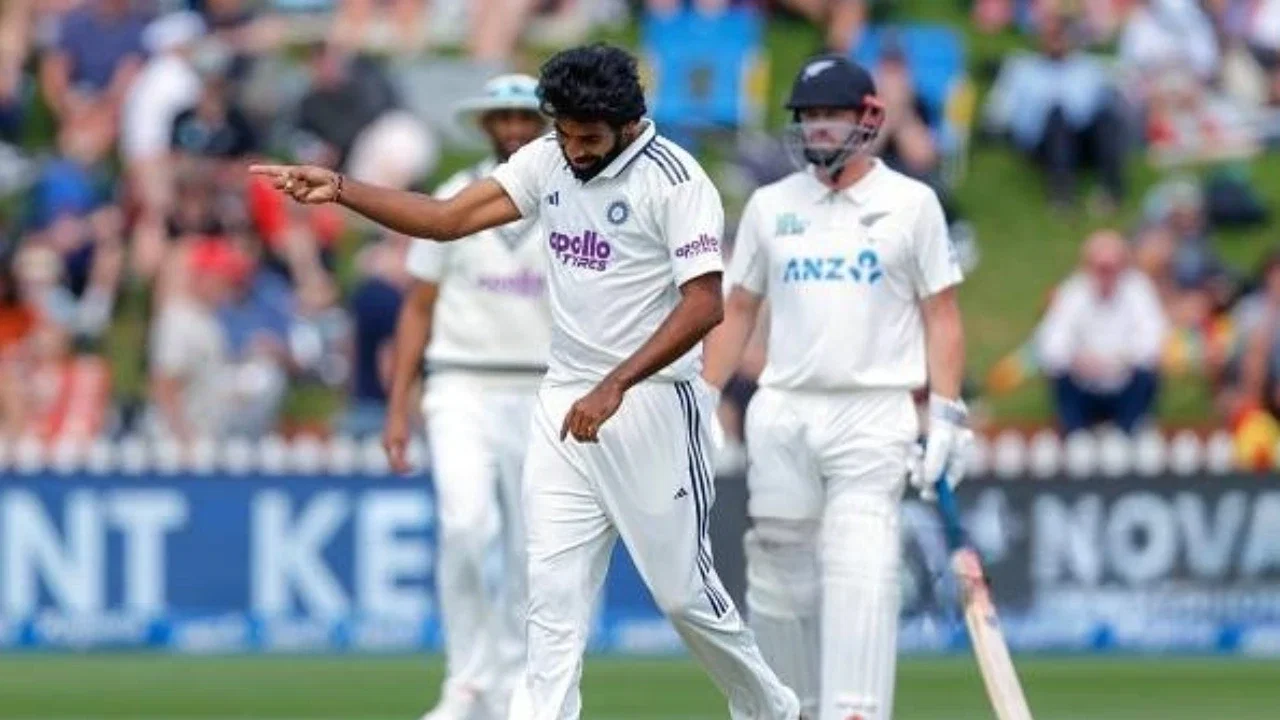
Jasprit Bumrah scripts special Test record after dismissing Tom Latham in 1st Test vs New Zealand
Yuzvendra Chahal makes political debut, gets special role in BJP
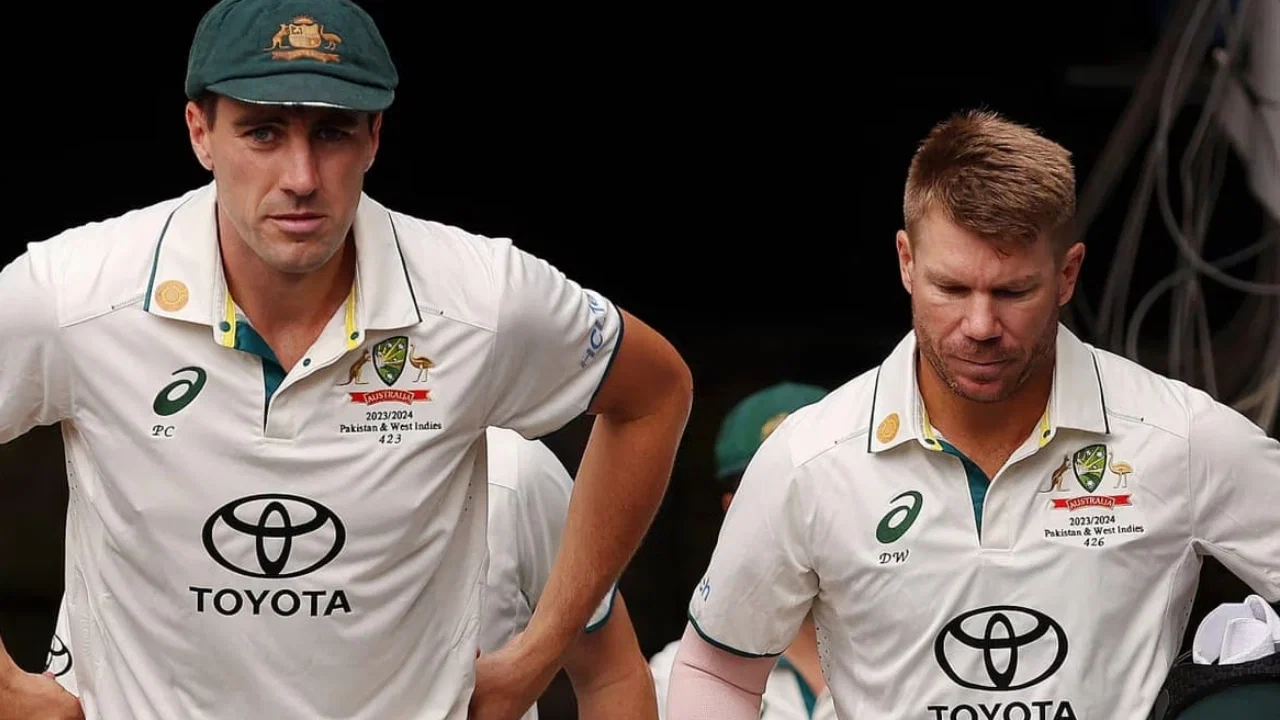
“None of them are bad guys”: David Warner’s manager offers solution to Australia’s Sandpapergate row

Irfan Pathan picks SIX Indians in World Test XI, leaves out several big names

Dinesh Karthik backs Anshul Kamboj for ODI World Cup squad after impressive nightwatchman knock

Saba Karim explains why Rishabh Pant is “required in international cricket”

Jacob Bethell undergoes second knee surgery, reveals comeback timeline

Jamshed Alam creates history with stunning five-wicket haul on T20 debut in SMAT
Noor Ahmad reveals two things CSK players will miss most about MS Dhoni
“Spend some time in the house:” Usman Khawaja’s childhood coach hits back over Sandpaper Gate claims
IND vs PAK: Tilak Varma and Abdul Samad skip handshake in Rising Stars Asia Cup clash