Cricket Scotland refuses non-ICC matches against Afghanistan; reason revealed

Cricket Scotland rules out non-ICC matches against Afghanistan men’s team
Cricket Scotland has confirmed that its men’s national team will not play Afghanistan in bilateral series or other competitions outside the International Cricket Council’s (ICC) official events. The decision reflects the board’s concerns about the treatment of women and girls under Afghanistan’s Taliban-led government, while preserving Scotland’s commitment to fixtures required by ICC competition rules.
The policy applies specifically to Scotland’s men’s team. Cricket Scotland has not announced an equivalent restriction involving its women’s national side. The board says it will not proactively arrange bilateral matches or take part in tri-series featuring Afghanistan, and that the position also covers practice matches outside ICC events.
ICC fixtures remain an exception
Scotland will still face Afghanistan if the teams are drawn against one another in an ICC tournament. In its statement, Cricket Scotland said it would honour fixtures determined by ICC regulations, while stressing that participation should not be taken as support for Afghanistan’s authorities or their policies.
The distinction is significant: Scotland’s decision is not a withdrawal from international competition, but a limit on the types of cricketing relationships it is willing to pursue. ICC events are governed by tournament obligations and schedules, whereas bilateral and invitational fixtures are arranged directly by cricket boards or organisers.
For fans, that means an Afghanistan–Scotland match remains possible at a World Cup or another ICC competition. However, a standalone series or a privately arranged tri-series involving the two men’s teams will not be scheduled by Cricket Scotland under the current policy.
Human rights concerns behind the decision
Cricket Scotland said its position was motivated by concern over restrictions affecting Afghan women and girls. The board has indicated that it will not consider non-ICC matches against Afghanistan unless there is meaningful progress in women’s cricket and in the broader human rights situation.
The issue extends beyond sport. Since the Taliban returned to power in 2021, Afghan women and girls have faced sweeping limits on education, employment and participation in public life. Those restrictions have also created difficult questions for international sporting bodies, which must balance their competition commitments with calls to respond to human rights concerns.
Cricket Scotland’s announcement places it among several boards that have taken a cautious approach to bilateral cricket with Afghanistan. The England and Wales Cricket Board (ECB) has opposed arranging bilateral matches against the Afghan men’s team, although England has played Afghanistan in ICC tournaments. Cricket Australia has also suspended bilateral cricket ties with Afghanistan.
These positions do not necessarily prevent Afghanistan from competing internationally. Instead, they limit the scope for individual boards to organise additional fixtures, making ICC events the main setting in which some of these teams may meet.
What the policy means for future scheduling
Cricket schedules are often shaped years in advance, with bilateral tours providing teams with regular competition beyond major tournaments. By ruling out those arrangements, Scotland is drawing a clear boundary around its future men’s fixtures with Afghanistan. The policy may also influence decisions about warm-up games or other matches that sit outside ICC competition requirements.
At the same time, Cricket Scotland has left open the possibility that its position could change if conditions improve. Its reference to progress in women’s cricket and human rights suggests that any review would depend on developments in Afghanistan, rather than on sporting considerations alone.
Will Scottish players be allowed to join the Afghanistan Premier League?
The board’s announcement has also raised questions about Scottish players taking part in the Afghanistan Premier League (APL). George Munsey was the only Scottish cricketer selected in the league’s recent player draft, prompting interest in whether he could receive a No Objection Certificate (NOC) from Cricket Scotland.
An NOC is typically required when a player under a national board’s jurisdiction seeks permission to participate in an overseas league. Cricket Scotland has not issued a blanket refusal. Instead, it says any decision will depend on the circumstances, including whether the APL receives ICC sanction and what obligations apply under its contracts with players.
The board also emphasised that a player’s participation, if approved, would not represent an endorsement of Afghanistan’s government or its policies. That distinction mirrors its position on ICC fixtures: sporting involvement may occur under specific rules, but it should not be interpreted as political approval.
For Munsey and other players, the outcome will depend on the league’s status, the relevant contractual terms and Cricket Scotland’s assessment of the request. Until those details are clear, an appearance in the APL should not be treated as confirmed.
Prediction: the policy is likely to remain under scrutiny
Prediction: Cricket Scotland’s stance is likely to remain in place while the board sees no substantial improvement in the situation facing women and girls in Afghanistan. The policy may be revisited if conditions change, but no timeline or specific benchmark for a review has been announced.
For now, the practical outlook is straightforward: Scotland will honour Afghanistan fixtures required by ICC competitions, but it will not arrange or join men’s bilateral and tri-series matches outside that framework. Decisions about Scottish players in overseas leagues will be considered separately, with ICC approval and player contracts among the factors.
The wider debate is unlikely to disappear. Cricket boards face pressure from supporters, players and human rights advocates to explain how they balance sporting commitments with ethical concerns. Scotland’s decision makes its position clear, while leaving room for future review if circumstances in Afghanistan change.
Latest News

Aakash Chopra explains why Mumbai Indians can manage without Hardik Pandya ahead of IPL 2027

‘He must be careful’: AB de Villiers shares advice for Liam Livingstone after CSK move

Bihar Cricket Association faces fresh controversy over alleged age fraud in age-group cricket

Ravi Shastri calls Anshul Kamboj ‘workhorse’ ahead of India vs New Zealand Tests
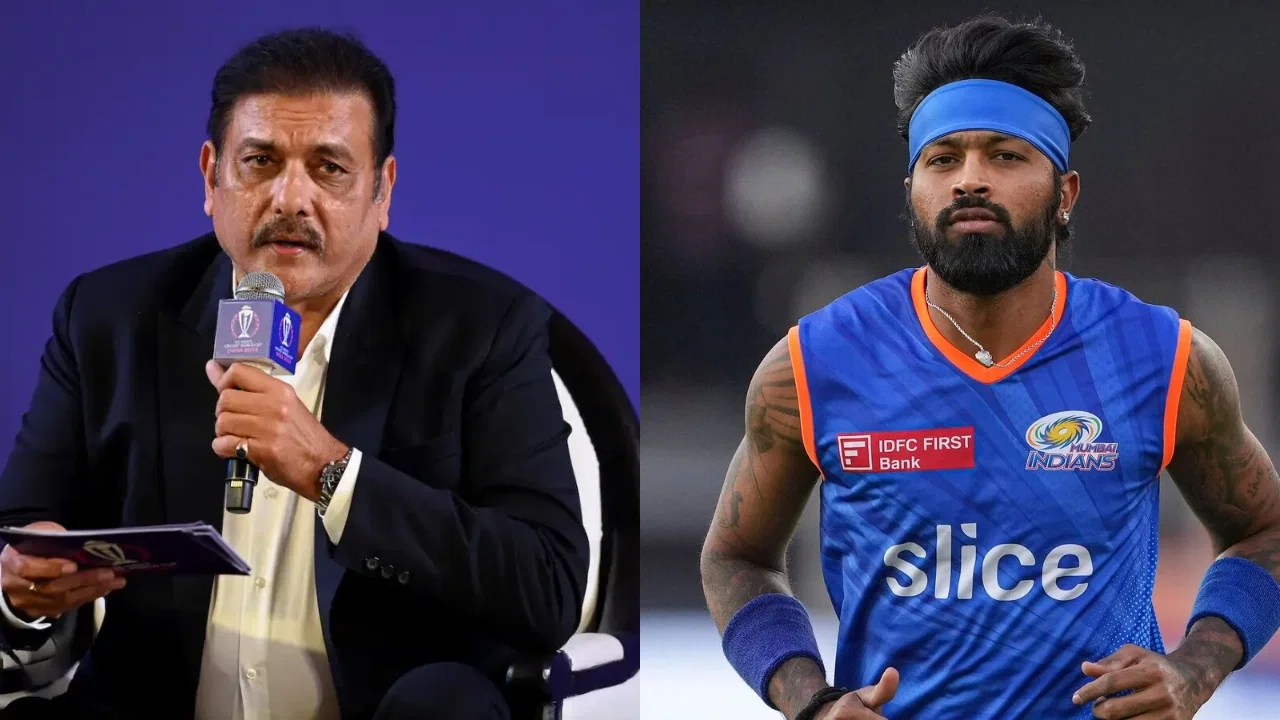
Ravi Shastri reveals why Hardik Pandya could be a big match-winner for Punjab Kings in IPL 2027
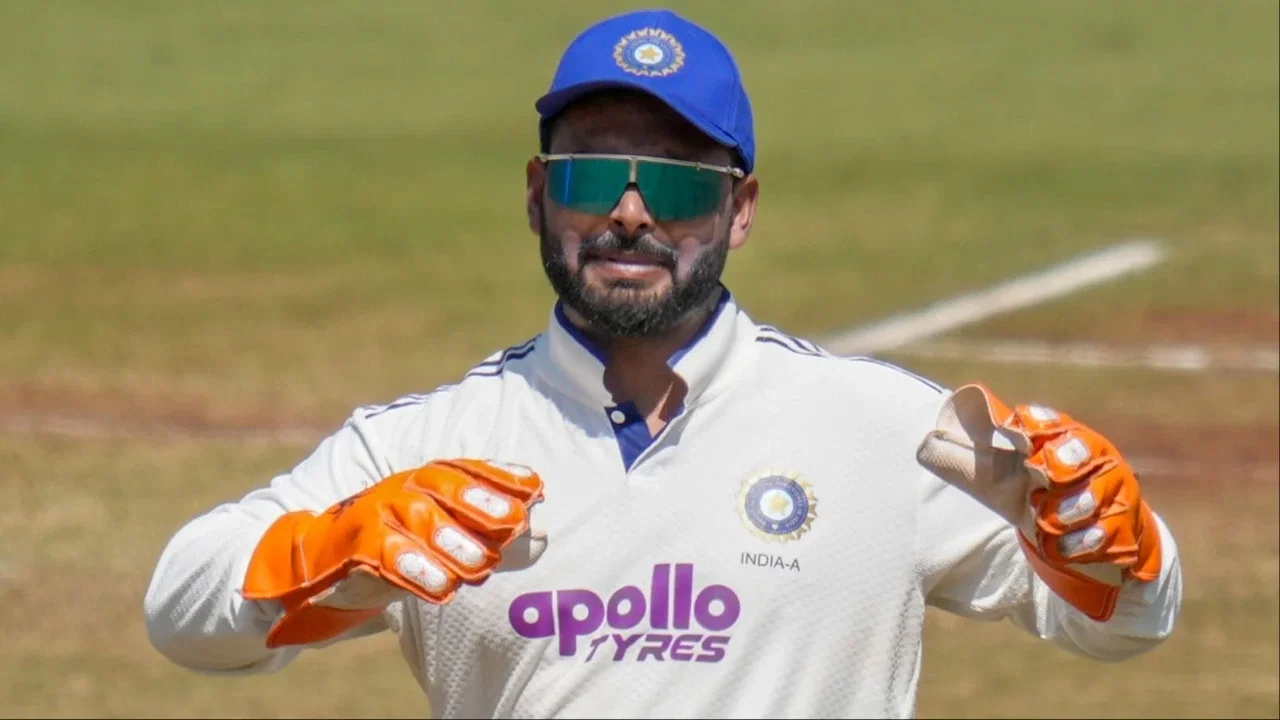
Rishabh Pant injury update: India star set to join squad for NZ Tests on this date

Watch: Mitchell Santner cheekily calls Rohit Sharma “skipper”, hints at MI captaincy role
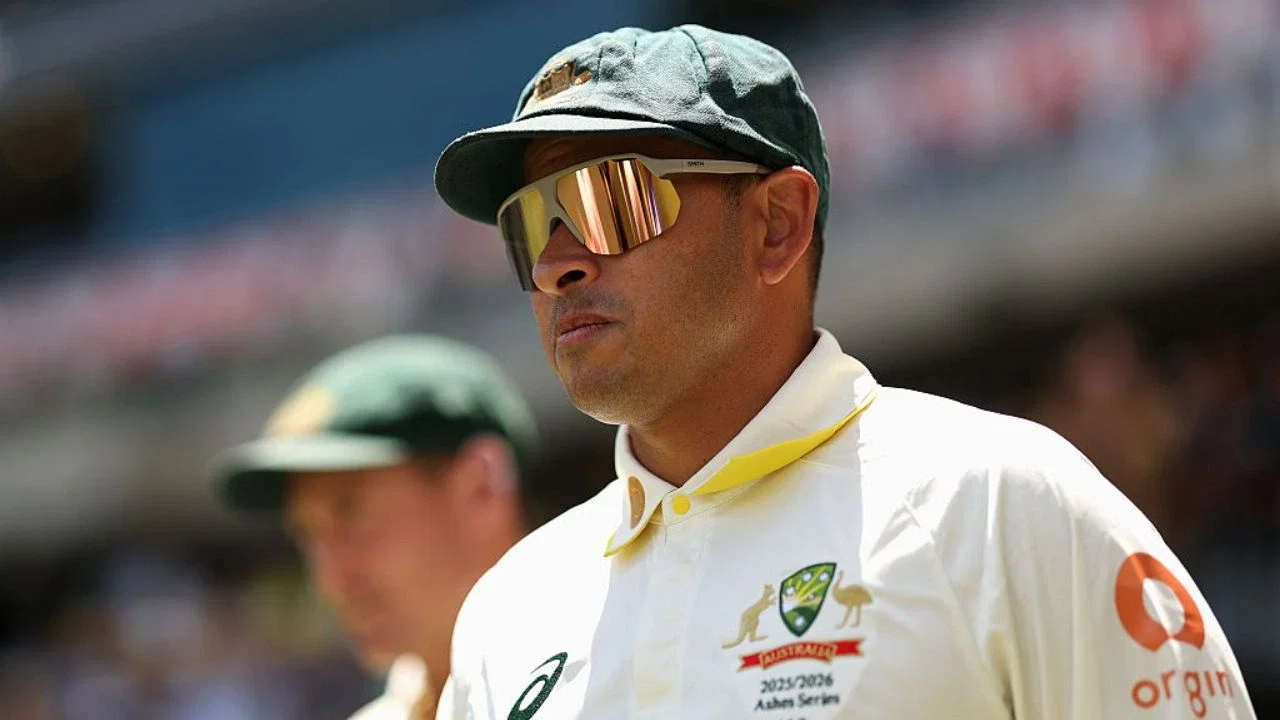
Usman Khawaja makes fresh Sandpapergate revelation, claims Australia used sandpaper in Port Elizabeth Test
Cricket Scotland refuses non-ICC matches against Afghanistan; reason revealed
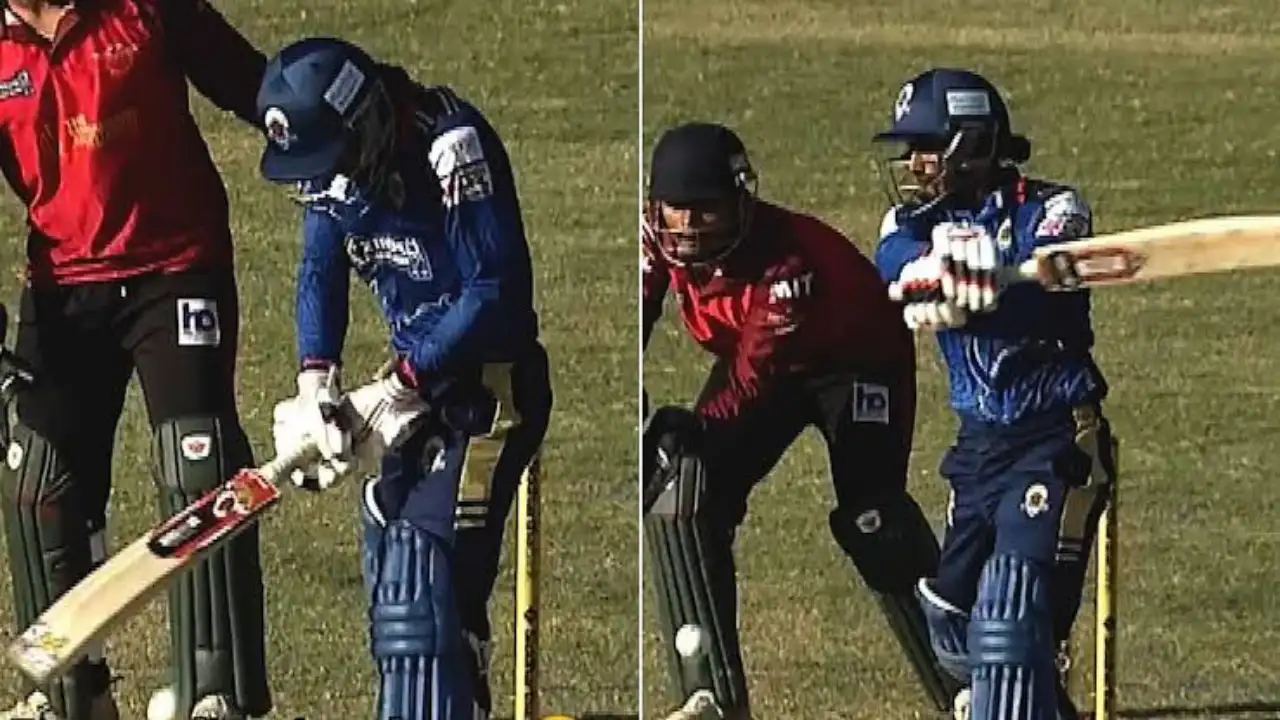
Watch: Sompal Kami suffers bizarre dismissal during Nepal Premier League 2026

Top 10 biggest trade and transfer deals in IPL history, Hardik Pandya-Arshdeep Singh swap at No.3

Rohit Sharma goes MISSING in Hamilton amid IND vs NZ ODI series, here’s what happened next

IPL 2027: Ruturaj Gaikwad to remain CSK captain, Noor Ahmad set to stay

Michael Clarke calls out Pat Cummins over Usman Khawaja’s Sandpapergate revelations, seeks fresh probe