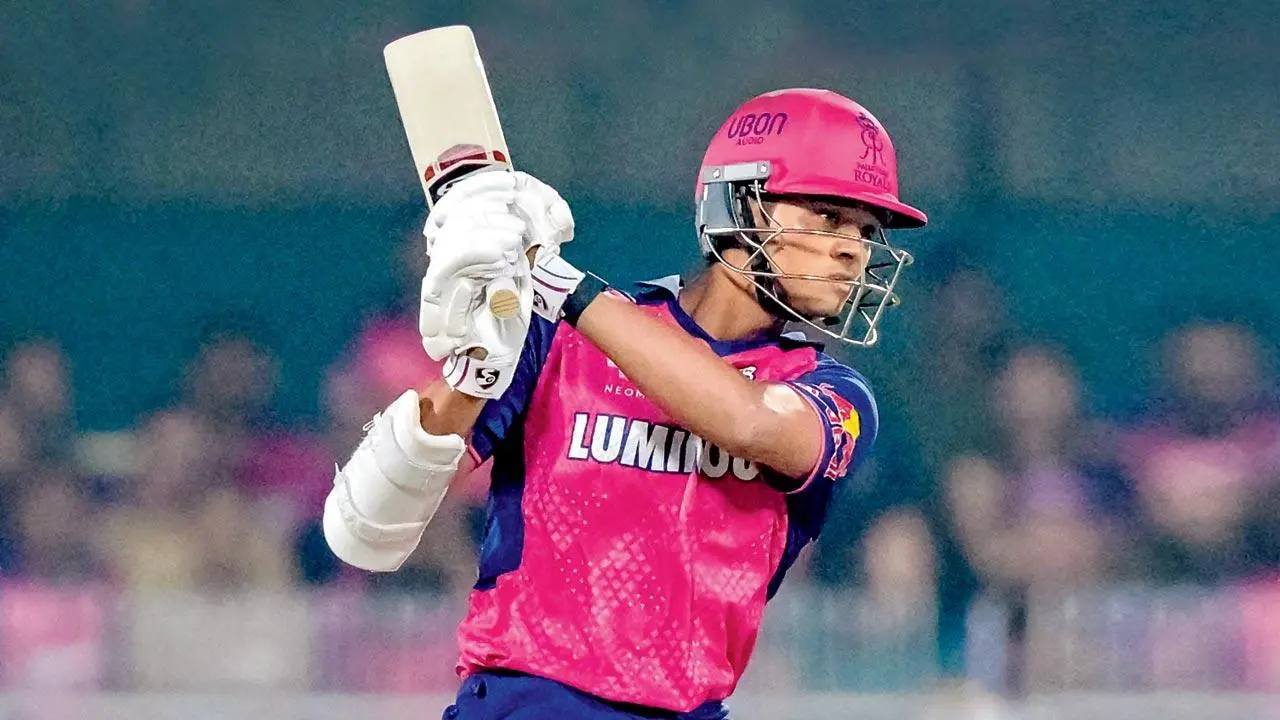
Ravi Shastri calls Anshul Kamboj ‘workhorse’ ahead of India vs New Zealand Tests

Ravi Shastri Backs Anshul Kamboj for India’s New Zealand Test Tour
As attention turns from India’s ongoing ODI campaign to the upcoming Test series against New Zealand, former India head coach Ravi Shastri has put emerging fast bowler Anshul Kamboj firmly in the selection conversation. Shastri believes the Haryana pacer could offer India a valuable option in challenging overseas conditions, particularly if the team needs a bowler capable of delivering long, disciplined spells.
The two-match Test series is scheduled to begin in Wellington on November 19 and will form part of the World Test Championship (WTC) cycle. With the third match of the ongoing five-game ODI series abandoned because of heavy rain, the broadcast discussion turned to the different demands of Test cricket—and the difficult choices facing India’s selectors as they consider their playing XI.
Why Kamboj Could Fit India’s Test Plans
India are expected to have several experienced pace options available, including Jasprit Bumrah, Mohammed Siraj, Prasidh Krishna and Akash Deep. The final balance of the bowling attack, however, will depend on conditions at the venue, the weather and the state of the match. New Zealand’s climate can be demanding for visiting teams, with wind, moisture and changing conditions often requiring patience as well as pace.
That is where Shastri sees a possible role for Kamboj. Rather than viewing him only as a strike bowler, the former coach described the young pacer as a potential “workhorse”—someone who can keep one end under control, bowl extended spells and give the captain greater flexibility during difficult passages of play.
In Test cricket, that role can be just as important as producing a burst of wickets. A reliable bowler who maintains a consistent line and length can build pressure, allow the captain to rotate the attack and create opportunities for teammates at the other end. If conditions are breezy or the pitch is not immediately helpful, India may need a bowler who is prepared to keep working without losing discipline.
Shastri’s Case for a Long-Spell Bowler
Speaking on a Sony Sports programme, Shastri pointed to Kamboj’s ability to contribute through the middle overs and his potential to move the ball. He also highlighted the broader value of India’s fast bowlers in that phase of the ODI series, noting that they had helped take wickets at a time when teams often turn to spin.
“In a country like New Zealand, in Test match cricket, you will need a workhorse,” Shastri said, explaining that Kamboj could be the kind of bowler who delivers around 15 overs and holds one end when the conditions become tough. His comments were not simply a prediction that Kamboj should automatically start; they were an argument for selecting a player whose strengths may suit the demands of the tour.
Shastri also praised Kamboj’s accuracy and experience across formats for Haryana. Domestic cricket can provide a useful foundation for overseas Tests, where bowlers must often adapt their plans, manage workloads and remain effective when conditions change. A player who has regularly bowled long spells at home may be better prepared for the patience required in a five-day match.
More Than a Bowling Option
Kamboj’s potential value is not limited to his work with the ball. Shastri noted that the pacer can contribute with the bat, an attribute that can help India strengthen the lower order. A tailender who can add useful runs may change the shape of an innings, particularly in close contests where a small partnership can make a meaningful difference.
For a touring side, lower-order runs also provide breathing room for the top and middle order. They can help India build a larger first-innings total, reduce pressure on the bowlers and make the opposition work longer in the field. While batting depth alone is unlikely to decide a selection call, it can be an important advantage when two bowlers are competing for a place.
Shastri described Kamboj as a player who hits the ball and suggested that his domestic experience could make him useful in New Zealand. The broader selection principle is familiar in cricket: teams should consider whether a player’s specific skills match the conditions, rather than choosing solely on reputation or headline statistics. In that sense, Kamboj’s accuracy, stamina, movement and batting potential could make him a “horses for courses” candidate.
India’s Pace-Bowling Selection Challenge
India’s selectors and team management will have to weigh Kamboj’s promise against the experience and established roles of the other fast bowlers in the squad. Bumrah’s ability to lead the attack, Siraj’s intensity and the options provided by Krishna and Akash Deep give India several combinations to consider. The number of seamers in the XI may also depend on whether the pitch favours pace, how much assistance the weather offers and how the team wants to balance its attack with spin.
A bowler like Kamboj could be especially useful if India want someone to take responsibility for sustained spells while the strike bowlers are rotated. That approach can help preserve the leading pacers for key moments, including new-ball spells and late-day breakthroughs. It may also prevent the attack from becoming overly dependent on one or two players.
There are, of course, no guarantees. Test selection is shaped by fitness, form, match-ups and conditions, and a promising profile does not necessarily translate into an immediate debut. Kamboj would still need to demonstrate that he can maintain control against an international batting line-up and adjust when the pitch offers little assistance. Shastri’s endorsement nevertheless gives the young pacer a strong vote of confidence ahead of a significant tour.
What Kamboj Could Bring to the Test Series
The upcoming India-New Zealand series will test more than the visitors’ ability to bowl quickly. It will demand endurance, tactical awareness and the capacity to keep applying pressure across long periods. Shastri’s prediction is that Kamboj could provide precisely that kind of support: a dependable bowler who can hold an end, contribute with the bat and give the captain another way to manage the attack.
Whether Kamboj makes the first Test XI remains to be seen. But his name is now part of a broader conversation about how India can build a balanced pace unit for overseas conditions. If the team chooses to prioritise stamina and control alongside strike power, the Haryana fast bowler may have a compelling case for an opportunity in New Zealand.
Latest News

Aakash Chopra explains why Mumbai Indians can manage without Hardik Pandya ahead of IPL 2027

‘He must be careful’: AB de Villiers shares advice for Liam Livingstone after CSK move

Bihar Cricket Association faces fresh controversy over alleged age fraud in age-group cricket
Ravi Shastri calls Anshul Kamboj ‘workhorse’ ahead of India vs New Zealand Tests

Ravi Shastri reveals why Hardik Pandya could be a big match-winner for Punjab Kings in IPL 2027
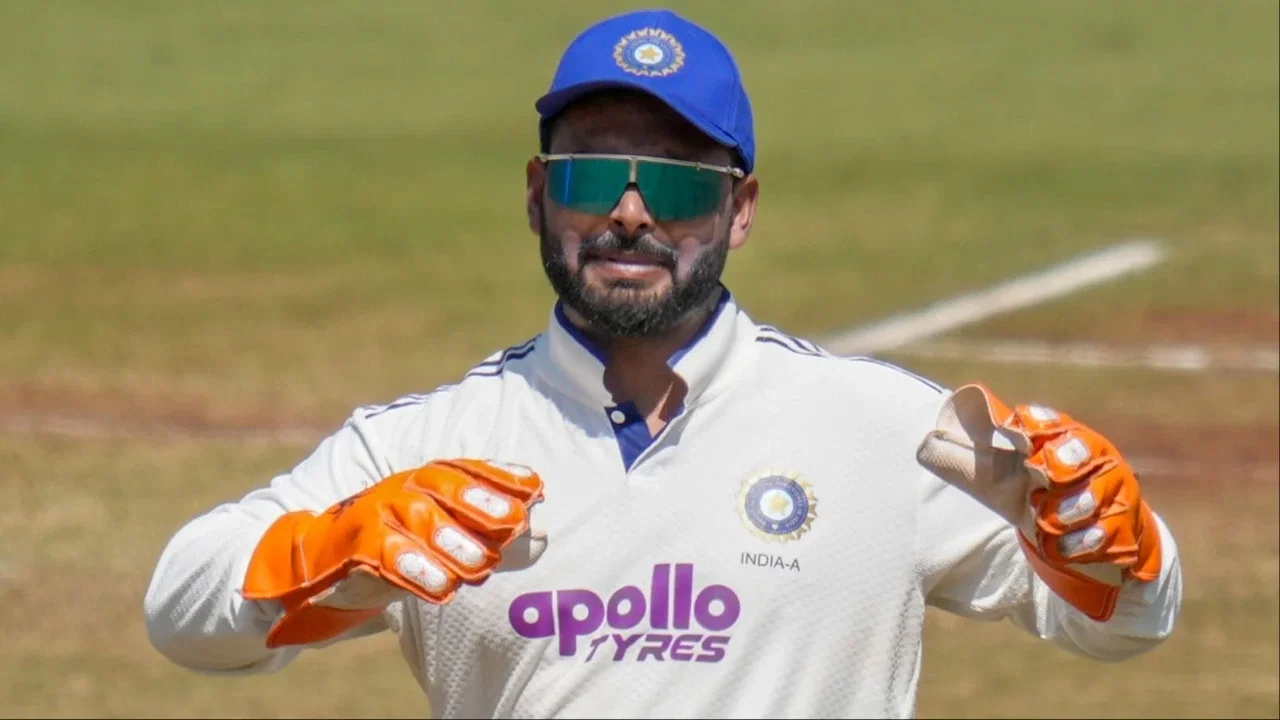
Rishabh Pant injury update: India star set to join squad for NZ Tests on this date

Watch: Mitchell Santner cheekily calls Rohit Sharma “skipper”, hints at MI captaincy role
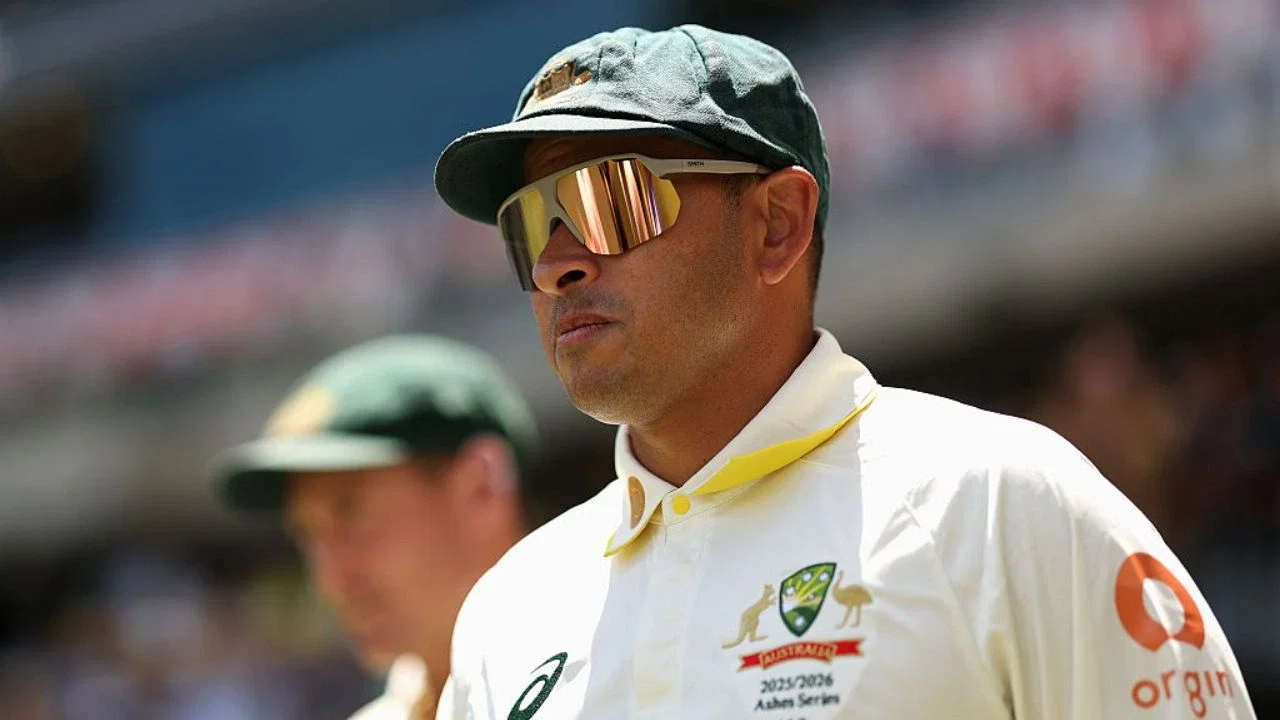
Usman Khawaja makes fresh Sandpapergate revelation, claims Australia used sandpaper in Port Elizabeth Test

Cricket Scotland refuses non-ICC matches against Afghanistan; reason revealed
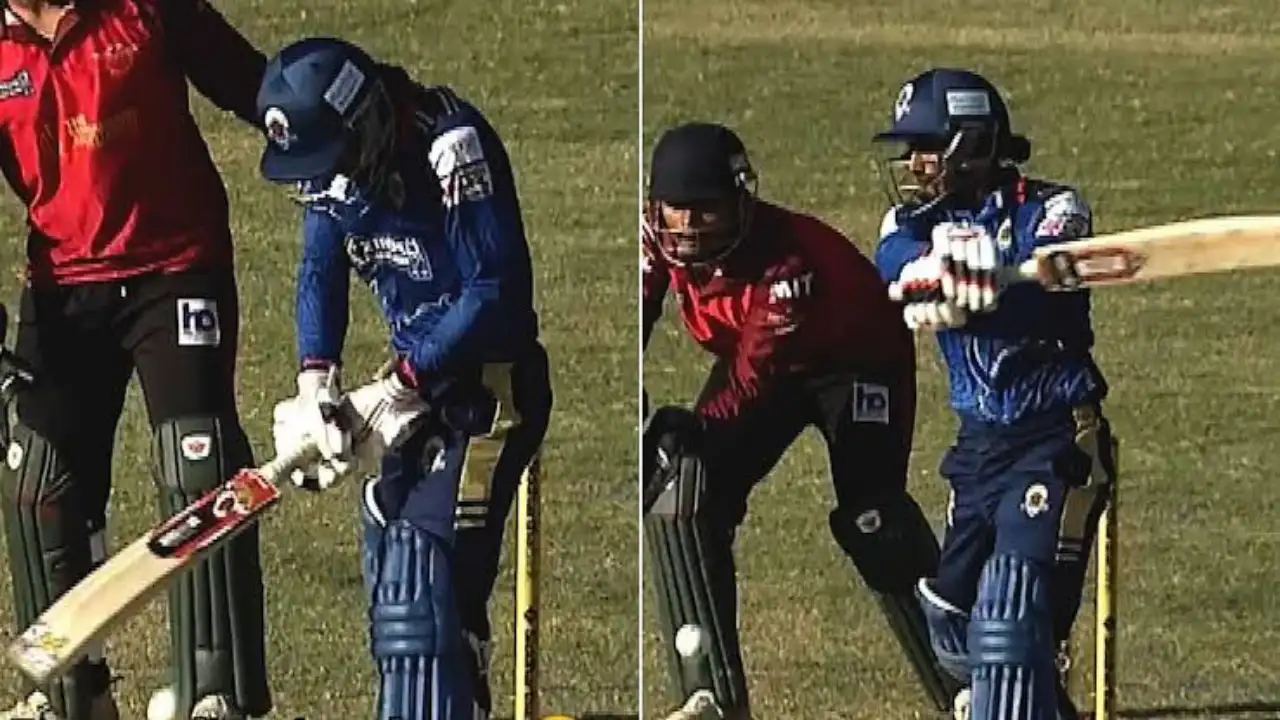
Watch: Sompal Kami suffers bizarre dismissal during Nepal Premier League 2026

Top 10 biggest trade and transfer deals in IPL history, Hardik Pandya-Arshdeep Singh swap at No.3

Rohit Sharma goes MISSING in Hamilton amid IND vs NZ ODI series, here’s what happened next

IPL 2027: Ruturaj Gaikwad to remain CSK captain, Noor Ahmad set to stay

Michael Clarke calls out Pat Cummins over Usman Khawaja’s Sandpapergate revelations, seeks fresh probe