Michael Clarke calls out Pat Cummins over Usman Khawaja’s Sandpapergate revelations, seeks fresh probe
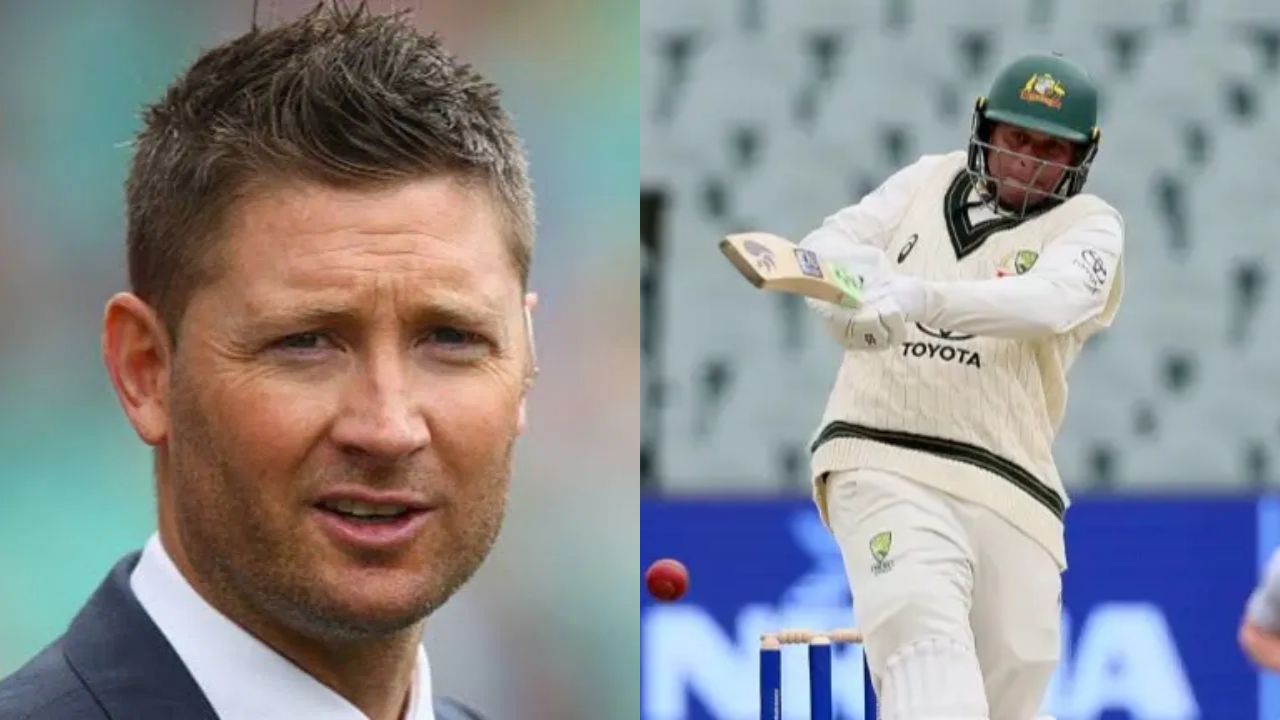
Michael Clarke Calls for Sandpapergate Investigation to Be Reopened After Usman Khawaja’s Claims
Former Australia captain Michael Clarke has urged Cricket Australia to reconsider its investigation into the 2018 ball-tampering scandal, saying fresh claims from Usman Khawaja have renewed questions about who knew what during the team’s tour of South Africa.
The controversy, widely known as Sandpapergate, erupted during the third Test in Cape Town after television cameras showed Cameron Bancroft using sandpaper on the ball. Steve Smith, then Australia’s captain, and vice-captain David Warner were also sanctioned. Cricket Australia’s original inquiry concluded that Smith, Warner and Bancroft were the only players aware of the plan.
But Khawaja’s account in his autobiography, Sabr, has put that conclusion back under scrutiny. Clarke says the latest allegations deserve a thorough response—not only to establish what happened, but to help restore public confidence in Australian cricket.
What Usman Khawaja Says Happened Before Cape Town
In Sabr, released on November 10, Khawaja revisits Australia’s 2018 tour and alleges that discussions about altering the ball began before the Cape Town Test. He says the team had talked about ways to change its condition during the second Test against South Africa at Port Elizabeth, now known as Gqeberha.
Khawaja further claims Bancroft volunteered to use sandpaper during that match, when Australia were seeking reverse swing. He alleges that more players knew about the plan than the three individuals identified in Cricket Australia’s investigation—and that the practice was not limited to the infamous Cape Town game.
The former Australia opener has also described his proximity to Bancroft during the third Test, saying he was seated beside him and witnessed interactions involving the batter. Khawaja says investigators did not interview him, despite his presence around the events in question. That detail has become central to calls for Cricket Australia to explain how its original inquiry gathered evidence and determined the scope of player knowledge.
Clarke Says Australian Fans Still Want Answers
Speaking on 2DayFM’s Breakfast with Nath & Emma, Clarke argued that the scandal has never been fully put to rest. In his view, repeated opportunities to clarify the episode—in 2018, after Bancroft’s later comments in 2021, and now following Khawaja’s book—have failed to settle the most important questions.
“We haven’t moved on,” Clarke said, adding that some supporters remain unsure what to believe. He called for everyone with relevant knowledge to provide their account so the public can understand whether the original findings were complete.
Clarke’s central prediction is not about the outcome of a new inquiry, but about the consequences of leaving the issue unresolved: ongoing speculation is likely to continue damaging trust. He said the key questions are whether the wider team knew about the plan and whether ball tampering had occurred in the Test before Cape Town.
“For me, right now, there’s more questions than answers,” Clarke said. He stressed that the public needs clarity on whether players who previously denied knowledge were aware of the alleged plan, as well as on the claim that the practice began earlier in the tour.
Why Pat Cummins’ Response Matters
Clarke also questioned why current Australia captain Pat Cummins had not publicly addressed Khawaja’s latest claims. Cummins was part of the team’s bowling attack on the 2018 tour. In 2021, after Bancroft made comments that prompted renewed discussion about whether bowlers might have noticed the ball’s condition, Cummins joined Mitchell Starc, Josh Hazlewood and Nathan Lyon in issuing a statement denying knowledge of the use of a foreign substance.
Clarke believes Cummins’ position as national captain gives his response particular significance. He also pointed to the scandal’s lasting impact on Australian leadership: Smith lost the captaincy, Tim Paine later took over, and Cummins eventually became captain. Clarke argued that, without the Cape Town incident, the leadership path could have unfolded very differently.
That does not establish that any player beyond those named in the original inquiry knew about the plan. Rather, it highlights why a clear, consistent account from those involved may matter to supporters seeking to distinguish confirmed facts from renewed allegations.
Cricket Australia Maintains Its Original Findings
Cricket Australia chief executive Todd Greenberg has ruled out reopening the investigation, saying the governing body remains satisfied with the original findings. The position leaves a sharp divide between calls for further scrutiny and the organisation’s view that the matter has already been examined.
The original sanctions were substantial. Smith and Warner received year-long suspensions, while Bancroft was banned for nine months. The episode also prompted a broader debate about team culture, leadership, accountability and the pressure to produce results in elite sport.
For Cricket Australia, reopening the case could raise difficult questions about the evidence available in 2018, the fairness of the penalties imposed and whether new testimony changes the established record. For critics, however, Khawaja’s claim that he was never interviewed—and his allegation that the plan was discussed earlier—are reasons to explain in greater detail how the inquiry reached its conclusions.
What Happens Next in the Sandpapergate Debate?
At this stage, Khawaja’s account has not led Cricket Australia to announce a fresh investigation. Clarke’s comments add pressure for a public response, while Warner has also backed Khawaja’s claims. The central issue remains unresolved in the public debate: whether the original inquiry captured the full extent of what players knew and when they knew it.
A renewed review, if one were ever considered, would need to weigh the original findings against the new claims and any available supporting evidence. It would also need to distinguish between direct knowledge, suspicion and awareness of unusual ball movement—questions that can easily become blurred when accounts are revisited years later.
Until Cricket Australia changes its position or those involved offer further detail, the scandal is likely to remain a sensitive chapter in the national team’s history. Clarke’s appeal reflects a broader concern among supporters: that lasting confidence depends not only on imposing consequences, but also on providing a credible explanation of how a defining moment in Australian cricket unfolded.
Latest News
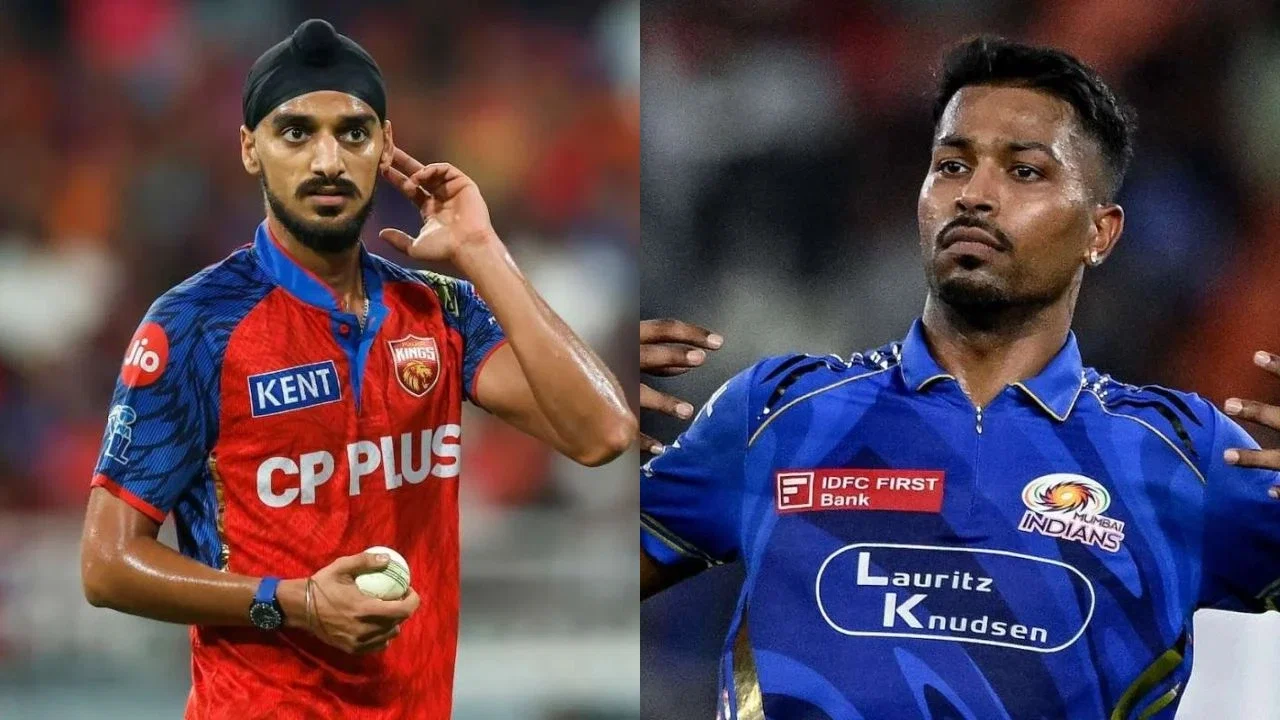
Top 10 biggest trade and transfer deals in IPL history, Hardik Pandya-Arshdeep Singh swap at No.3
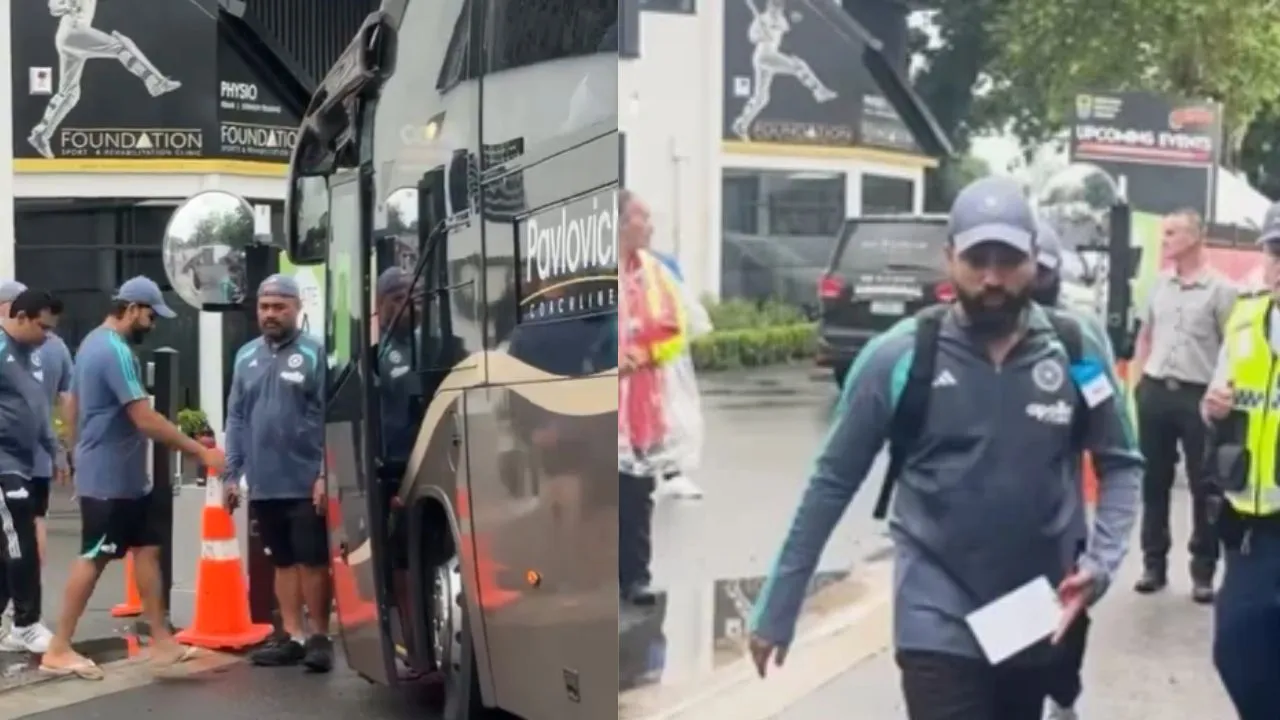
Rohit Sharma goes MISSING in Hamilton amid IND vs NZ ODI series, here’s what happened next
IPL 2027: Ruturaj Gaikwad to remain CSK captain, Noor Ahmad set to stay
Michael Clarke calls out Pat Cummins over Usman Khawaja’s Sandpapergate revelations, seeks fresh probe
No Yashasvi Jaiswal to LSG as franchise finalizes core squad ahead of IPL 2027 auction
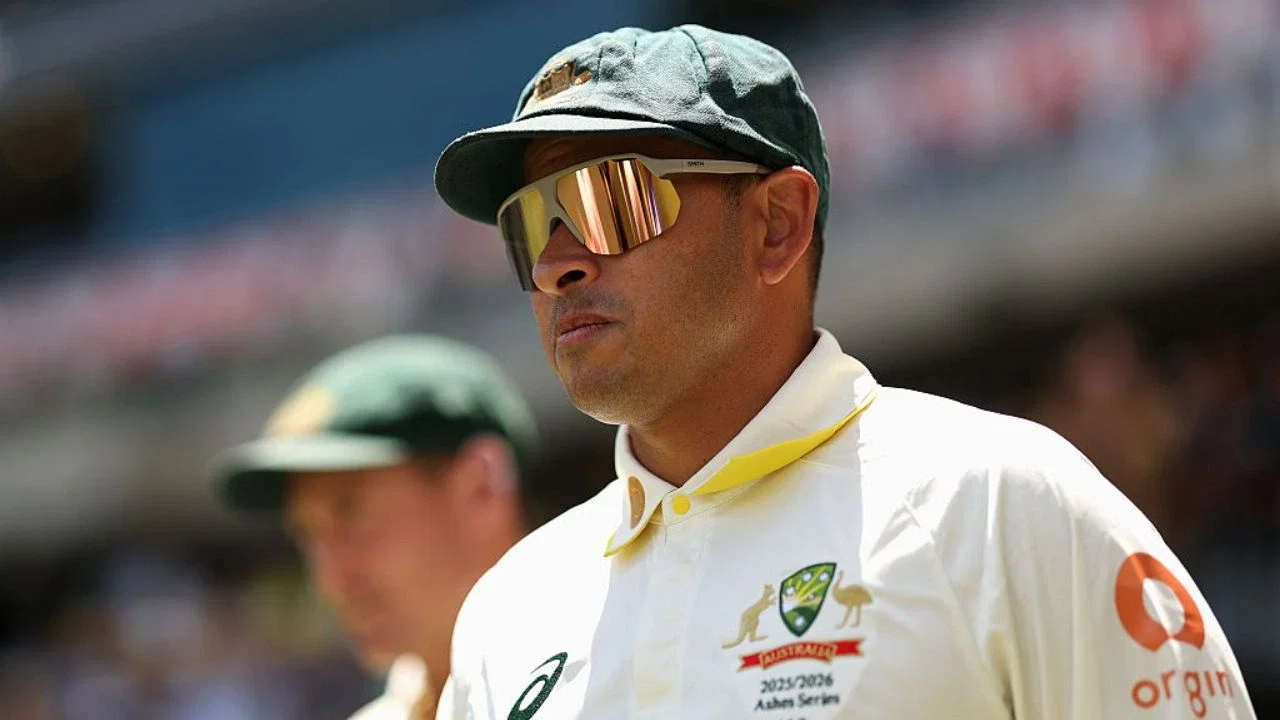
Australian Cricketers’ Association breaks silence on Usman Khawaja’s Sandpapergate claims
“IPL has earned the right to influence the calendar – KKR Co-owner Juhi Chawla proposes new window
Marnus Labuschagne reveals Test comeback plan after Australia axing
Usman Khawaja set to join Sky Sports’ broadcast team for next Ashes series
Mitchell Starc reacts to Usman Khawaja’s Sandpapergate revelations
Vaibhav Sooryavanshi accused of influencing Bihar T20 team selection ahead of SMAT 2026
IPL set for expansion to 12 teams in 2028, Pune and Vadodara among likely destinations
Arshdeep Singh’s father confirms Mumbai Indians move ahead of IPL announcement
Zimbabwe become first team in Test history to score 500-plus in both innings, Zia-ur-Rehman records unwanted feat