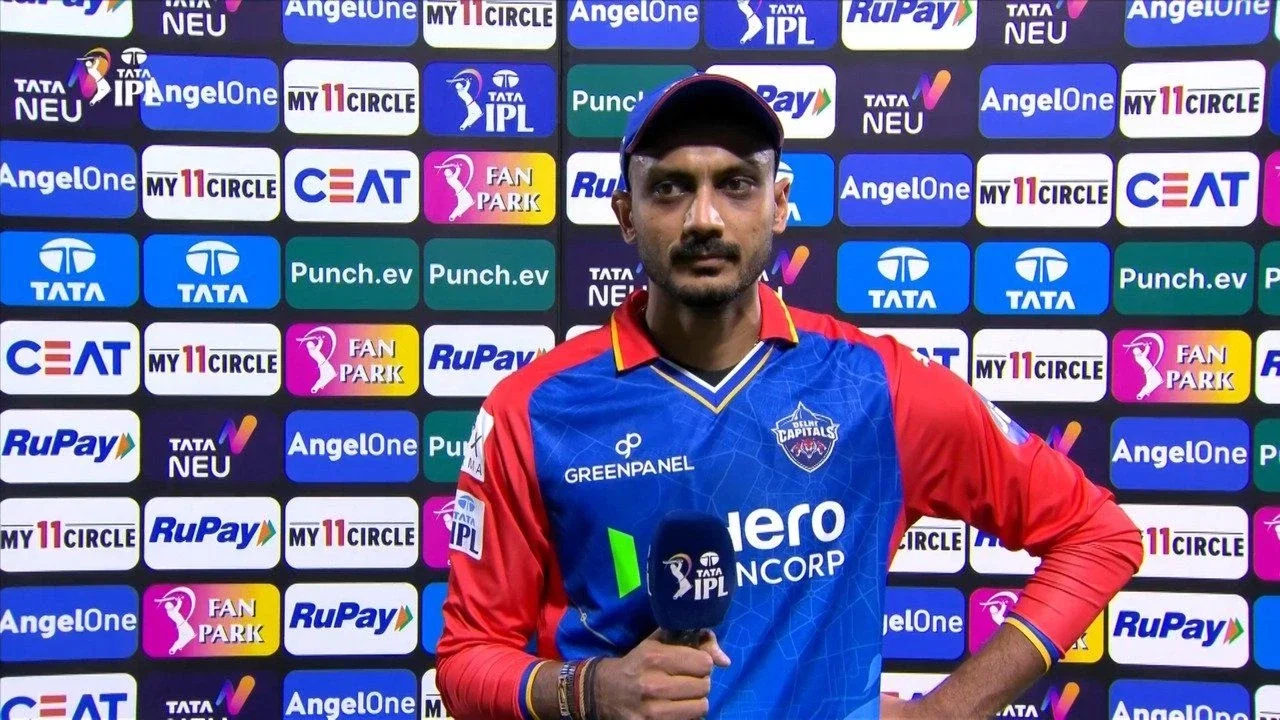
Top 10 biggest trade and transfer deals in IPL history, Hardik Pandya-Arshdeep Singh swap at No.3
IPL’s Biggest Trades and Transfers: The Deals That Reshaped Team Strategies
As franchises prepare for the next Indian Premier League auction cycle, player retention, transfers and salary-cap planning are once again in focus. The retention deadline is set for November 17, ahead of the December 16 mini-auction, giving teams a limited window to decide which players remain central to their plans—and where a trade could solve a pressing squad need.
In the IPL, a transfer can be more than a change of shirt. A proven opener may give a team greater stability at the top, while a fast-bowling all-rounder can strengthen both the batting order and the bowling attack. Trades can also help franchises manage their auction purse, balance overseas and domestic options, or make room for a new captain. The deals below illustrate how dramatically a single move can alter a team’s strategy.
10 Major IPL Trades and Transfer Deals
10. Quinton de Kock: Royal Challengers Bengaluru to Mumbai Indians
Mumbai Indians addressed their opening combination in 2019 by acquiring South African wicketkeeper-batter Quinton de Kock from Royal Challengers Bengaluru in an all-cash transfer worth ₹2.8 crore. The left-hander proved to be an immediate fit. He scored 529 runs in 16 matches in his first season with Mumbai, then added 503 runs in 2020.
Those consecutive 500-run campaigns helped make de Kock a dependable presence at the top of the order during Mumbai’s back-to-back title-winning seasons. The deal is a useful reminder that a relatively modest transfer fee can deliver substantial value when a player’s role and a team’s needs align.
9. Marcus Stoinis: Punjab Kings to Royal Challengers Bengaluru
RCB brought Australian all-rounder Marcus Stoinis into their squad ahead of the 2019 season in a deal valued at ₹6.2 crore. The move also involved Indian batter Mandeep Singh going the other way to Punjab Kings, then known as Kings XI Punjab.
Stoinis offered RCB a flexible option: he could contribute in the lower middle order and provide medium-pace bowling. He scored 211 runs in 10 appearances, averaging 52.75 at a strike rate of 135.26, and took two wickets. Although RCB finished last that year, the transfer reflected a familiar auction strategy—target players who can cover more than one role.
8. Lockie Ferguson: Gujarat Titans to Kolkata Knight Riders
Kolkata Knight Riders reacquired New Zealand fast bowler Lockie Ferguson from Gujarat Titans in November 2022 for ₹10 crore. Ferguson had previously played for KKR before joining Gujarat at the 2022 mega-auction, so the transfer brought a familiar high-speed option back into Kolkata’s pace attack.
His ability to bowl at extreme pace offered KKR a potential point of difference, particularly in the middle and death overs. His return did not produce a large on-field sample, however: Ferguson played three matches in the 2023 season, taking one wicket and conceding at an economy rate of 12.52. The move highlights the risk involved in paying a premium for a specialist whose impact depends heavily on conditions and opportunities.
7. Shardul Thakur: Delhi Capitals to Kolkata Knight Riders
KKR signed Indian all-rounder Shardul Thakur from Delhi Capitals for ₹10.75 crore ahead of the 2022 season. Delhi received uncapped Indian player Aman Khan as part of the arrangement. Thakur’s appeal came from his ability to attack with the ball and add quick runs lower down the order.
In 11 matches for Kolkata in 2023, he scored 113 runs at a strike rate of 161.42 and claimed seven wickets. His unbeaten 68 against RCB was a standout contribution, demonstrating the value of a lower-order batter who can change a match’s momentum in a short spell.
6. Rishabh Pant: Lucknow Super Giants to Delhi Capitals
Rishabh Pant’s return to Delhi Capitals from Lucknow Super Giants became a major talking point after the 2026 season. LSG had signed the wicketkeeper-batter for a record ₹27 crore at the 2025 auction. Following a difficult campaign in which the team finished at the bottom of the table, Pant stepped down from the leadership role and moved back to the franchise where he had spent nine seasons.
The transfer was completed at a revised fee of ₹15 crore, a substantial reduction from his original contract. Across two seasons with Lucknow, Pant scored 581 runs in 28 matches, including a century in 2025. For Delhi, his return brings back a familiar top-order batter and a player with extensive experience in the franchise’s environment.
5. Kuldeep Yadav: Delhi Capitals to Lucknow Super Giants
Left-arm wrist-spinner Kuldeep Yadav moved from Delhi to Lucknow as part of the transfer arrangement linked to Pant. He joined LSG at his existing fee of ₹13.5 crore, giving the franchise an experienced Indian spin option and a potential leader for its slow-bowling group.
Kuldeep had taken 72 wickets in 65 matches for Delhi after joining the side in 2022. His record makes the move significant beyond the financial details: quality Indian spinners can be difficult to replace, and their value often rises on surfaces that reward turn and variation. The transfer also leaves Lucknow with a different balance of batting and bowling resources ahead of the next season.
4. Cameron Green: Mumbai Indians to Royal Challengers Bengaluru
RCB acquired Australian all-rounder Cameron Green from Mumbai Indians before the 2024 season in an all-cash deal worth ₹17.5 crore. Mumbai had to create financial room for other squad plans, while RCB gained a young player capable of contributing with both bat and ball.
Green scored 255 runs in 13 matches at a strike rate of 143.26 and took 10 wickets. His all-round contribution helped RCB reach the playoffs after a strong second-half run in the league stage. The transfer showed why teams are willing to invest heavily in players who can provide multiple tactical options, even when the price occupies a significant share of the purse.
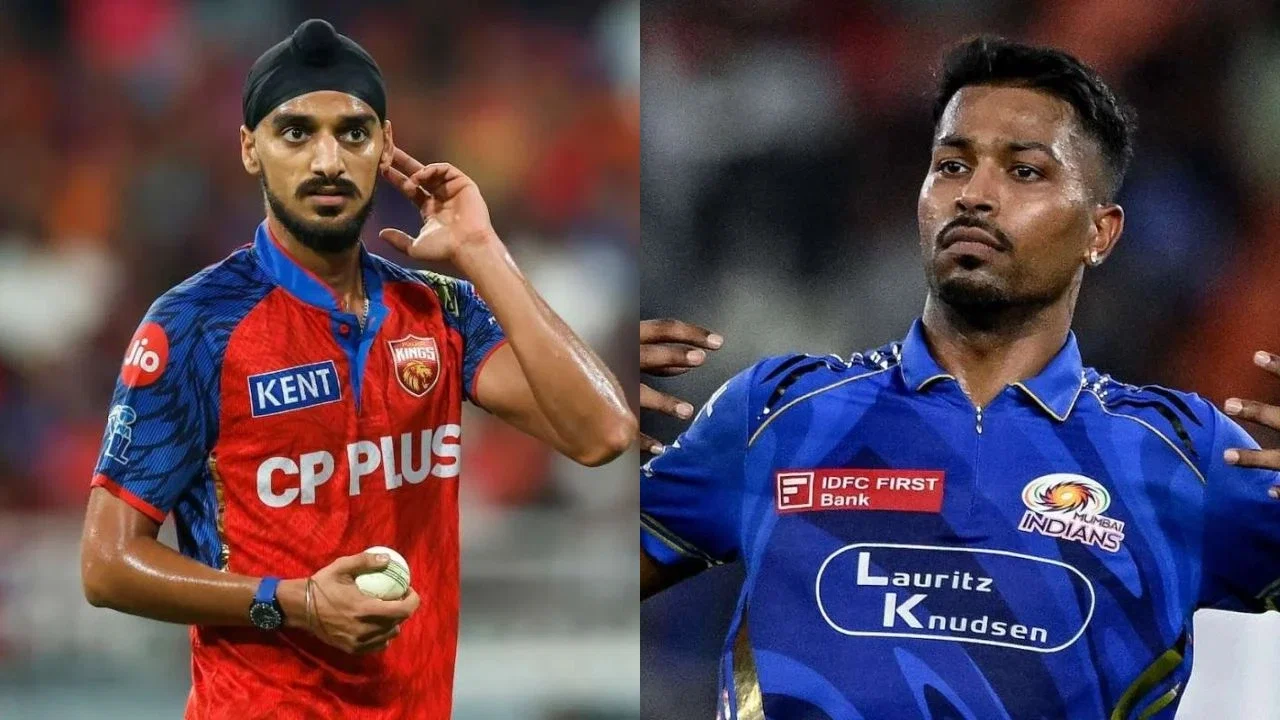
3. Hardik Pandya and Arshdeep Singh: A Potential Swap
A proposed exchange involving Mumbai Indians and Punjab Kings would see all-rounder Hardik Pandya move to Punjab, with left-arm fast bowler Arshdeep Singh heading to Mumbai. As a potential deal, it stands apart from completed transfers, but the cricketing logic is easy to understand: Punjab would gain an experienced seam-bowling batter, while Mumbai would add a proven Indian left-arm pace option.
Pandya has scored 646 runs and taken 29 wickets across the 2024, 2025 and 2026 seasons since returning to Mumbai. Arshdeep’s ability to bowl with the new ball and at the death could address a specific need for Mumbai, while the proposed move would give Punjab another high-profile all-round option. Any such transfer would depend on the franchises’ final squad and financial calculations.
2. Sanju Samson, Ravindra Jadeja and Sam Curran: A Three-Player Deal
Chennai Super Kings made a major move in the 2026 auction cycle by acquiring Rajasthan Royals wicketkeeper-batter Sanju Samson for ₹18 crore. Rajasthan received a significant return: Ravindra Jadeja moved to his former franchise at a revised fee of ₹14 crore, alongside England all-rounder Sam Curran.
Samson had spent more than a decade with Rajasthan and captained the team to the 2022 final. He made an impressive start at Chennai, scoring 477 runs in 14 matches in 2026 at a strike rate of 165.05. Two centuries—an unbeaten 115 against Delhi Capitals and 101 against RCB—underlined the impact he could have in a new batting environment. For both teams, the deal represented a major reshaping of leadership, batting and all-round resources.
1. Hardik Pandya: Gujarat Titans to Mumbai Indians
Hardik Pandya’s return to Mumbai Indians ahead of the 2024 season remains one of the IPL’s most prominent transfers. He moved from Gujarat Titans in a one-way cash deal worth ₹15 crore after captaining Gujarat to the 2022 title and the 2023 final. Pandya had first developed into a star at Mumbai before leaving to lead the newly formed Gujarat franchise.
His return carried both sporting and leadership significance: Mumbai appointed him captain, placing him at the centre of a major team transition. Pandya scored 216 runs and took 11 wickets in 2024, then claimed 14 wickets while scoring 224 runs in 2025. In 2026, he added 206 runs and four wickets. The move remains a clear example of how a transfer can affect not only a playing XI but also a franchise’s leadership structure and public identity.
What These IPL Deals Reveal About Team Building
The biggest IPL transfers are rarely judged by price alone. A successful deal depends on role clarity, availability, team balance and the conditions a player is likely to encounter. De Kock’s move delivered immediate value through consistent opening runs, while Green’s all-round skills gave RCB options across both innings. Other transfers show the risks: a costly specialist may have limited opportunities, and a high-profile signing can bring leadership expectations as well as performance pressure.
As the next retention deadline and mini-auction approach, franchises will weigh those factors alongside salary-cap flexibility and the availability of replacements. For supporters, each trade offers a fresh prediction about how a team might play: which players will anchor the innings, who will take responsibility at the death, and whether a new combination can turn potential into results. In a competition where small tactical advantages can decide a season, the transfer window remains one of the most consequential parts of IPL planning.
Latest News
Top 10 biggest trade and transfer deals in IPL history, Hardik Pandya-Arshdeep Singh swap at No.3
Rohit Sharma goes MISSING in Hamilton amid IND vs NZ ODI series, here’s what happened next
IPL 2027: Ruturaj Gaikwad to remain CSK captain, Noor Ahmad set to stay
Michael Clarke calls out Pat Cummins over Usman Khawaja’s Sandpapergate revelations, seeks fresh probe
No Yashasvi Jaiswal to LSG as franchise finalizes core squad ahead of IPL 2027 auction
Australian Cricketers’ Association breaks silence on Usman Khawaja’s Sandpapergate claims
“IPL has earned the right to influence the calendar – KKR Co-owner Juhi Chawla proposes new window
Marnus Labuschagne reveals Test comeback plan after Australia axing
Usman Khawaja set to join Sky Sports’ broadcast team for next Ashes series
Mitchell Starc reacts to Usman Khawaja’s Sandpapergate revelations
Vaibhav Sooryavanshi accused of influencing Bihar T20 team selection ahead of SMAT 2026
IPL set for expansion to 12 teams in 2028, Pune and Vadodara among likely destinations
Arshdeep Singh’s father confirms Mumbai Indians move ahead of IPL announcement
Zimbabwe become first team in Test history to score 500-plus in both innings, Zia-ur-Rehman records unwanted feat