Usman Khawaja makes fresh Sandpapergate revelation, claims Australia used sandpaper in Port Elizabeth Test
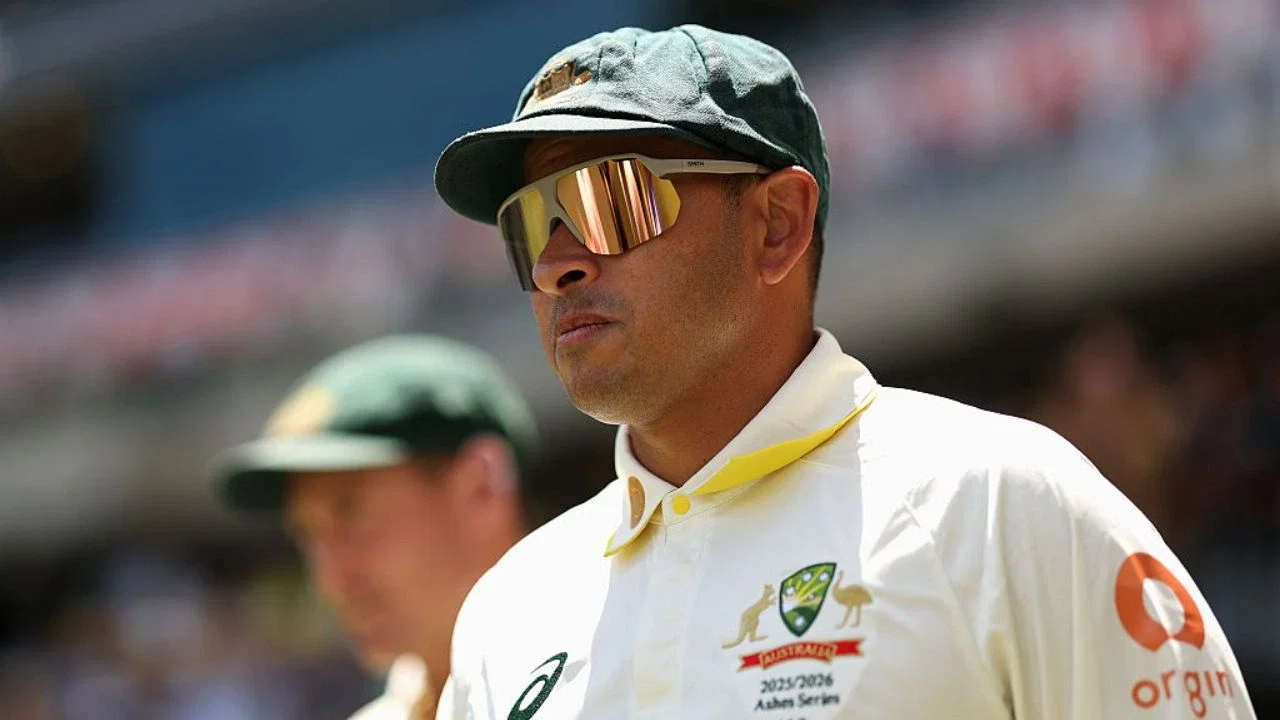
Usman Khawaja’s Sandpapergate Claims Raise New Questions About Australia’s 2018 Tour
Former Australia opener Usman Khawaja has reignited debate around the 2018 Sandpapergate scandal, alleging that ball tampering with sandpaper took place before the incident that was exposed in Cape Town. In an account from his autobiography, Khawaja describes an episode during the Port Elizabeth Test against South Africa, claiming that the ball had been deliberately roughened during a break in play.
The allegations add a new dimension to one of cricket’s most damaging controversies. The Cape Town incident resulted in lengthy Cricket Australia suspensions for captain Steve Smith, vice-captain David Warner and Cameron Bancroft. Khawaja’s account, if accurate, suggests the conduct may not have been limited to the match in which Bancroft was caught on camera.
What Khawaja Says Happened in Port Elizabeth
According to Khawaja’s account, Bancroft took the ball onto the field during an interval while other players were away. Khawaja alleges that sandpaper was used to roughen one side, creating conditions that helped the ball reverse swing earlier and more dramatically than expected.
In the passage quoted by ESPNcricinfo, Khawaja describes the ball as having a pronounced contrast between its shiny side and a rough, dry surface. He says the ball was then passed around the field, including to him at gully, where he noticed how readily it appeared to move in the air.
Khawaja’s description links the alleged tampering to a striking spell of Australian bowling. He recalls South Africa losing four wickets for 28 runs in a late session, with the ball reversing sharply. The passage presents the episode as a moment when the Australian attack took advantage of the conditions—but also raises questions about whether those conditions had been deliberately created.
A comment in the huddle
Khawaja also recounts a conversation among Australian players after a wicket. He says one bowler remarked that the ball was moving so much that the team should not do anything more to it. Khawaja writes that the players laughed, adding that, in his account, the damage had already been done during the interval.
The anecdote is significant because it suggests, according to Khawaja, that several players understood the ball’s condition and the unusual amount of movement. However, an account in a memoir is not the same as a formal investigation or independently verified evidence. The claims should therefore be understood as Khawaja’s recollection, rather than as findings established by cricket authorities.
Why the Port Elizabeth Test Matters
The match in question was the second Test of Australia’s 2018 tour of South Africa, played at St George’s Park in Port Elizabeth. Australia made 243 in their first innings, and South Africa’s response suffered a late collapse, with four wickets falling for 28 runs in the final session of the day.
At the time, the match did not become the defining symbol of the tour. That distinction went to the third Test in Cape Town, where television footage showed Bancroft handling a small piece of yellow tape-like material and attempting to conceal it. The subsequent investigation found that sandpaper had been used to alter the ball’s surface.
Smith, Warner and Bancroft received suspensions from Cricket Australia, while the scandal prompted wider scrutiny of the team’s culture, leadership and approach to the game. The episode also led cricket authorities and broadcasters to pay closer attention to how players handle the ball during matches.
“We Got Caught in Cape Town”—But Was It the First Time?
Khawaja’s central point is that being caught in Cape Town does not necessarily mean the behaviour began there. In the passage from his book, he challenges readers to distinguish between the incident that became public and what may have happened earlier on the tour.
He also claims that knowledge of the plan was not confined to the three players who received the most prominent punishments. That assertion, if supported by further evidence, could reopen discussion about who knew what and how responsibility was distributed within the team. It could also prompt renewed questions about whether the original investigation captured the full scope of events.
At the same time, the claims are serious and should be treated carefully. Khawaja’s account is based on his personal recollection, and the details may be examined alongside the findings of the original Cricket Australia investigation, other players’ accounts and any available match evidence. The distinction between what an individual remembers and what can be independently corroborated is especially important in a controversy with lasting reputational consequences.
Fresh Scrutiny for a Defining Cricket Scandal
The timing of Khawaja’s revelations has brought Sandpapergate back into the news as he promotes his autobiography. The book offers a former teammate’s perspective on a period that reshaped the public image of Australian cricket and left a deep mark on the careers of Smith, Warner and Bancroft.
For cricket followers, the new account is likely to renew interest in the Port Elizabeth Test and the conditions that produced South Africa’s late collapse. It also highlights the difficulty of assessing reverse swing: ball movement can be influenced by ordinary wear, weather, pitch conditions and bowling skill, but deliberate surface alteration can create an unfair advantage and undermine confidence in the contest.
The wider lesson extends beyond one match. Ball tampering is not merely a technical breach; it challenges the sport’s expectation that both teams compete under the same conditions. When allegations emerge years later, they can affect players’ legacies and public trust, making accuracy, transparency and careful verification essential.
What Comes Next?
Khawaja’s claims have revived questions about whether sandpaper was used in more than one Test during the 2018 South Africa tour and whether additional players were aware of it. His account may lead to further responses from former teammates, cricket officials and the Australian Cricketers’ Association, while readers and analysts compare his recollections with the established record.
For now, the Port Elizabeth episode remains an allegation described in Khawaja’s book—not a newly confirmed ruling. But the account has made the prediction of renewed debate around Sandpapergate an easy one: even years after Cape Town, the scandal continues to shape conversations about accountability, team culture and the integrity of international cricket.
Latest News

Aakash Chopra explains why Mumbai Indians can manage without Hardik Pandya ahead of IPL 2027

‘He must be careful’: AB de Villiers shares advice for Liam Livingstone after CSK move

Bihar Cricket Association faces fresh controversy over alleged age fraud in age-group cricket

Ravi Shastri calls Anshul Kamboj ‘workhorse’ ahead of India vs New Zealand Tests

Ravi Shastri reveals why Hardik Pandya could be a big match-winner for Punjab Kings in IPL 2027
Rishabh Pant injury update: India star set to join squad for NZ Tests on this date

Watch: Mitchell Santner cheekily calls Rohit Sharma “skipper”, hints at MI captaincy role
Usman Khawaja makes fresh Sandpapergate revelation, claims Australia used sandpaper in Port Elizabeth Test

Cricket Scotland refuses non-ICC matches against Afghanistan; reason revealed
Watch: Sompal Kami suffers bizarre dismissal during Nepal Premier League 2026

Top 10 biggest trade and transfer deals in IPL history, Hardik Pandya-Arshdeep Singh swap at No.3

Rohit Sharma goes MISSING in Hamilton amid IND vs NZ ODI series, here’s what happened next

IPL 2027: Ruturaj Gaikwad to remain CSK captain, Noor Ahmad set to stay

Michael Clarke calls out Pat Cummins over Usman Khawaja’s Sandpapergate revelations, seeks fresh probe