ICC imposes heavy fine on India for slow over-rate in 5th ODI against New Zealand
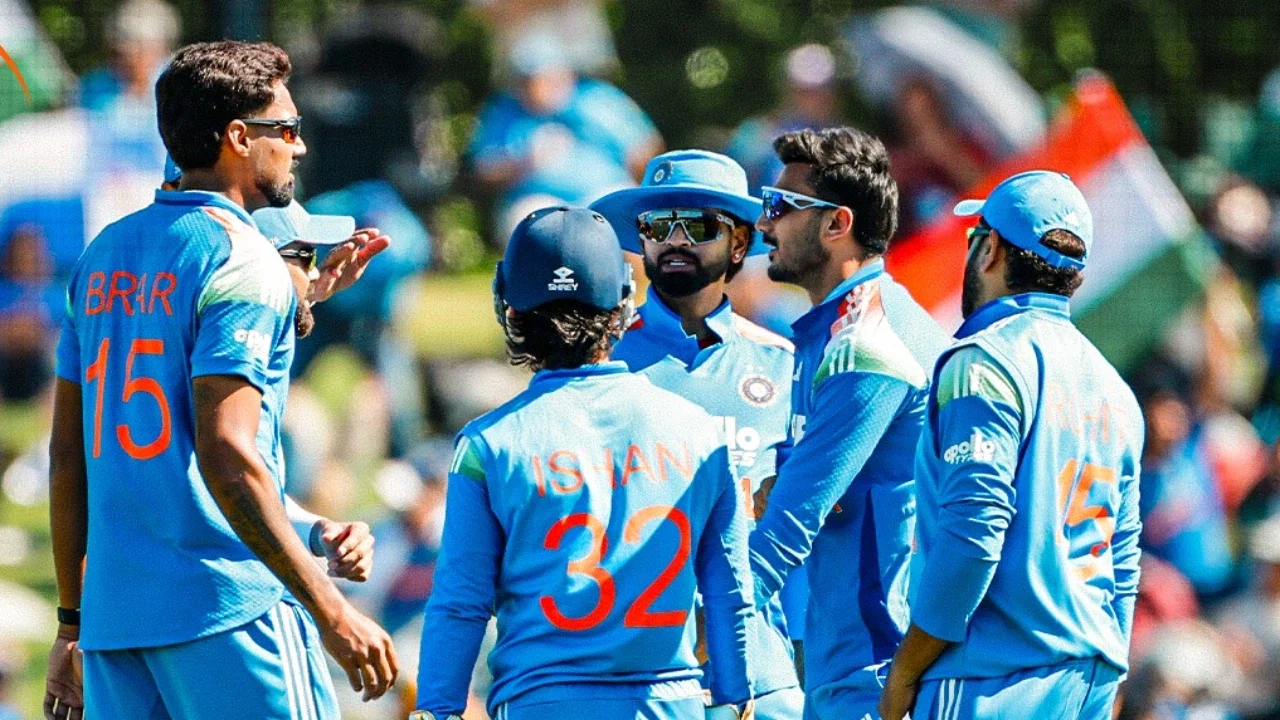
India Fined for Slow Over Rate in Fifth ODI Against New Zealand
India’s victory in the fifth and final ODI against New Zealand came with a disciplinary consequence: the International Cricket Council (ICC) fined the team 35% of its match fee for maintaining a slow over rate. The low-scoring contest took place in Mount Maunganui on 15 November, with India winning by 22 runs to secure the series.
According to the ICC, India were seven overs behind the required rate by the end of the match. Stand-in captain Shreyas Iyer accepted responsibility and the proposed sanction on behalf of the team. Because he admitted the offence, the matter did not require a formal hearing.
How the ICC Penalty Was Calculated
The fine was imposed under Article 2.22 of the ICC Code of Conduct for Players and Player Support Personnel. Under that provision, players are fined a percentage of their match fee for every over their team fails to bowl within the allotted time. India’s penalty was set at five percent per over, adding up to 35% for the seven-over shortfall.
Slow-over-rate penalties are intended to keep international matches moving at an appropriate pace. Teams are expected to complete their overs within the time available, while accounting for permitted allowances and other match conditions. When a side falls behind, the captain can face added scrutiny, making over-rate management an important part of on-field leadership as well as match strategy.
India Finish the ODI Series with a 3-1 Win
The sanction followed the conclusion of a five-match ODI series that India won 3-1. The final result gave the visitors a strong finish after a competitive stretch of cricket, including a rain-affected third match and a New Zealand win in the fourth ODI.
India’s regular captain, Shubman Gill, was rested for the final two games, leaving Iyer to lead the side. The change in leadership added responsibility at a crucial stage of the tour, as India looked to respond after losing the fourth match and close out the series. The team did so by defending a modest total in the decider, showing composure under pressure even as the batting conditions proved difficult.
India had also enjoyed success in the T20I series before the ODIs, giving the visitors momentum across the limited-overs portion of the tour. Attention now turns to the two-match Test series, where the demands of longer-format cricket will require a different approach from both teams.
Fifth ODI: India Defend a Challenging Total
The series finale was a low-scoring contest on a surface that offered assistance to the pace bowlers. India were dismissed for 209, with New Zealand’s attack keeping the pressure on throughout the innings. The early departures of Rohit Sharma, Ruturaj Gaikwad and Virat Kohli left India needing a recovery effort to reach a competitive total.
Axar Patel and Ishan Kishan provided that response, contributing important runs when the innings needed stability and momentum. Their efforts helped India rebuild after the top-order setbacks and put some pressure back on the New Zealand bowlers. Late contributions from Mohammed Siraj and Arshdeep Singh were also valuable, lifting India beyond the 200-run mark and giving the bowlers a total to defend.
New Zealand’s chase never fully gathered pace. The home side managed 187 before being bowled out, falling 22 runs short. While India’s total was far from imposing, disciplined bowling and the pressure of the target helped the visitors control the contest. The result sealed the series and underscored how decisive small partnerships and lower-order runs can be in a match shaped by challenging batting conditions.
What the Result Means for India’s Next Challenge
India’s series win offers a positive platform ahead of the Test matches, but the fifth ODI also highlighted two areas that captains and coaches will want to monitor: batting resilience on difficult pitches and the ability to maintain the required over rate. The fine does not change the result, yet it serves as a reminder that match management extends beyond tactics and team selection.
For supporters looking ahead, any prediction about the Test series will depend on how both sides adapt to the longer format, the conditions, and the balance between pace and spin. India can take confidence from its ability to defend a modest score, while New Zealand will look to build on its fourth-ODI performance and make better use of home conditions.
Ultimately, the final ODI produced a clear series outcome and a close contest, but the ICC’s decision placed the slow over rate in the spotlight. India leave the limited-overs leg with a 3-1 series victory—and a reminder that keeping the game on schedule is part of the responsibility of leading an international side.
Latest News

IPL 2027: Abishek Porel takes inspiration from Hardik Pandya after DC release
Temba Bavuma ruled out of 1st Test against Bangladesh after suffering calf strain
ICC imposes heavy fine on India for slow over-rate in 5th ODI against New Zealand
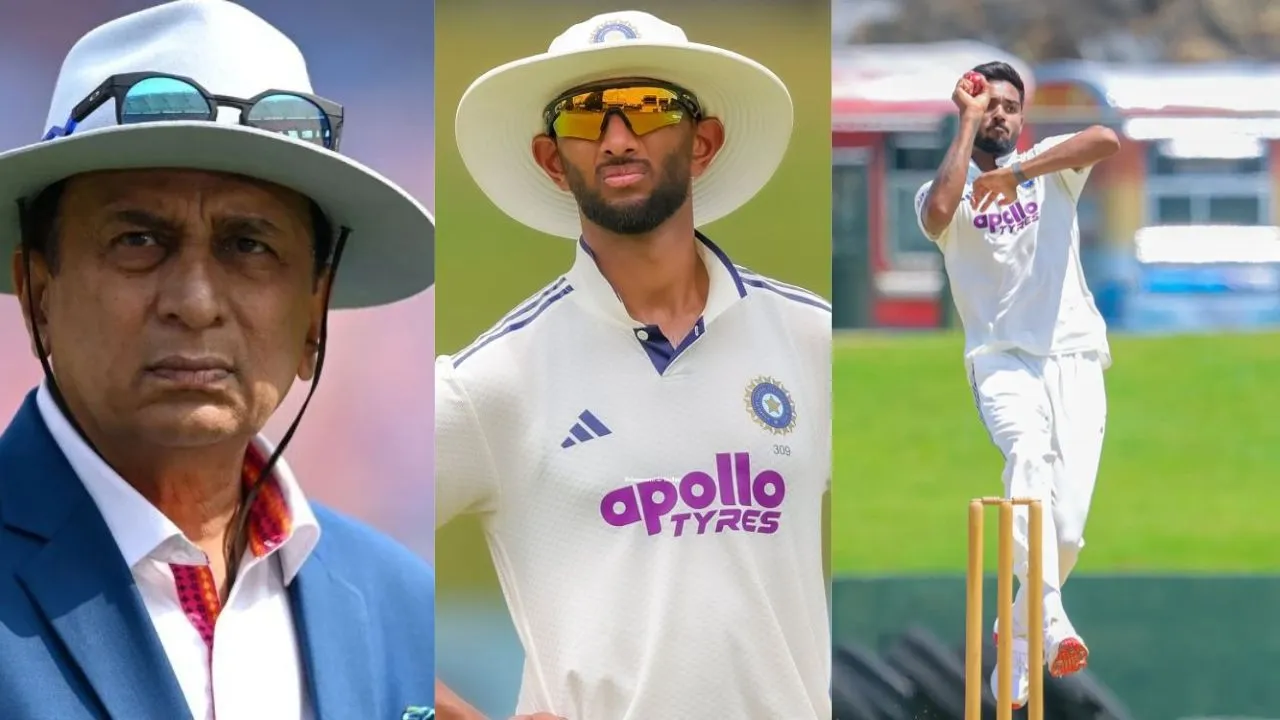
‘Prasidh Krishna is not fully fit’: Sunil Gavaskar backs Gurnoor Brar’s inclusion for 1st Test vs New Zealand
‘Pat Cummins has a big decision to make’: Michael Vaughan reacts to fresh Sandpapergate claims
“Real joy”: Sachin Tendulkar and Suryakumar Yadav share emotional tributes to MS Dhoni
Litton Das creates world record in Test cricket, becomes first wicketkeeper to achieve rare feat vs South Africa
IPL 2027: CSK retire MS Dhoni’s iconic No.7 Jersey

Ian Bell appointed Birmingham Phoenix head coach ahead of The Hundred 2027
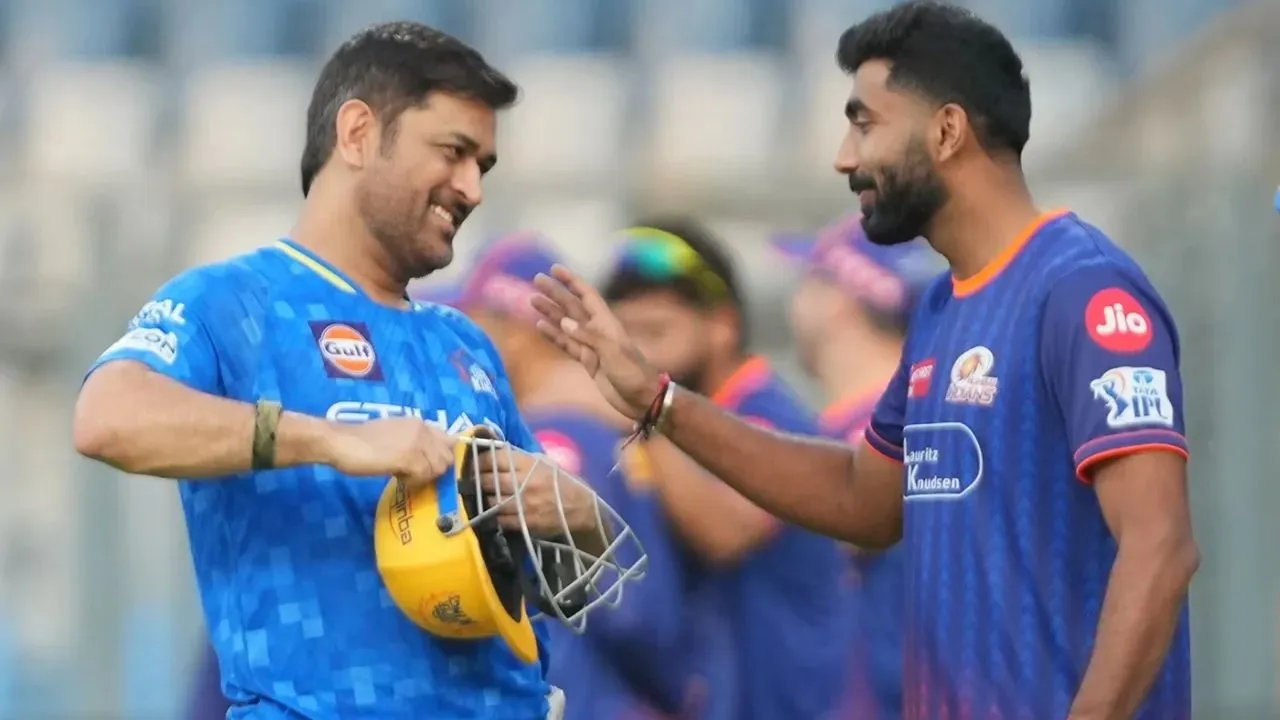
‘My favourite player’: Jasprit Bumrah calls MS Dhoni his idol after former captain announced IPL retirement

“Utter mess”: Nasser Hussain reacts to Cameron Bancroft’s comments amid fresh Sandpapergate controversy

IPL 2027: Yuvraj Singh mentors Prithvi Shaw, Sam Curran emerges as LSG captain, SRH target Shai Hope
EAGLES vs LIONS Dream11 Prediction Today Match, My11Circle Prediction, Dream11 Team Today, Fantasy Cricket Tips, Playing XI, Pitch Report, Injury Update- Abu Dhabi Cup T10 2026, Match 27
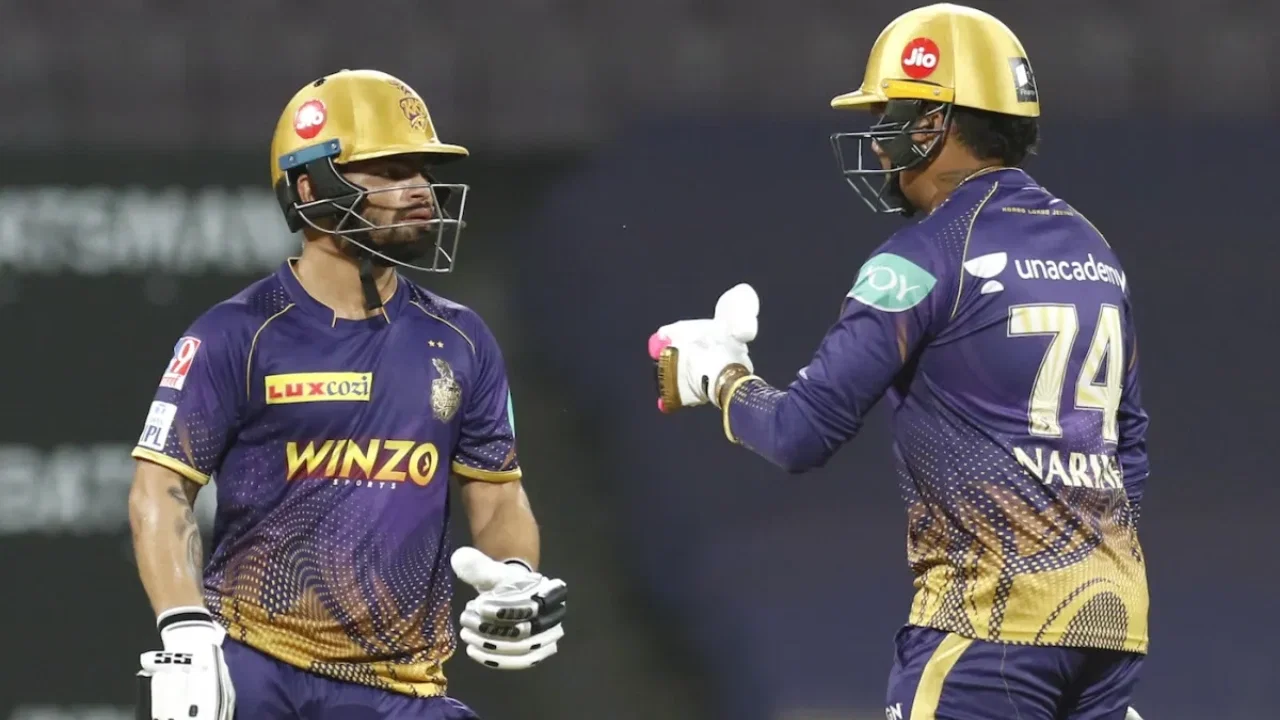
Sunil Narine picked over Rinku Singh as KKR’s next captain for IPL 2027