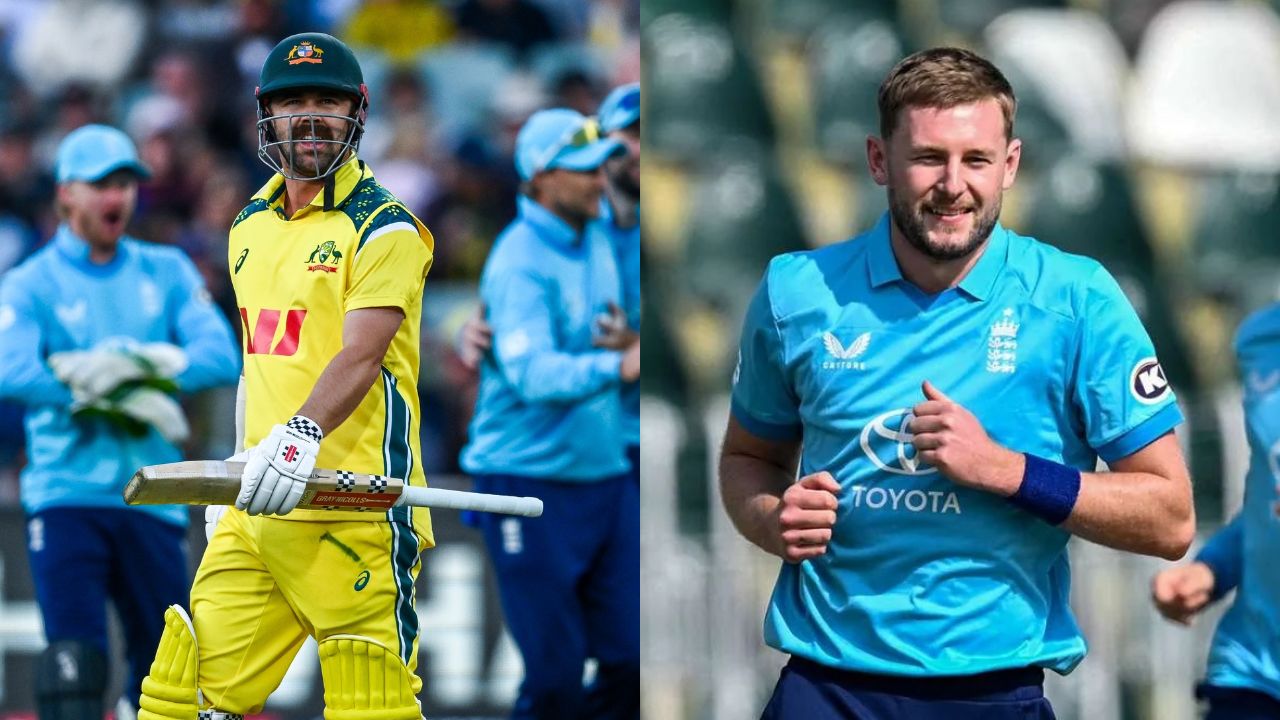
‘Pat Cummins has a big decision to make’: Michael Vaughan reacts to fresh Sandpapergate claims
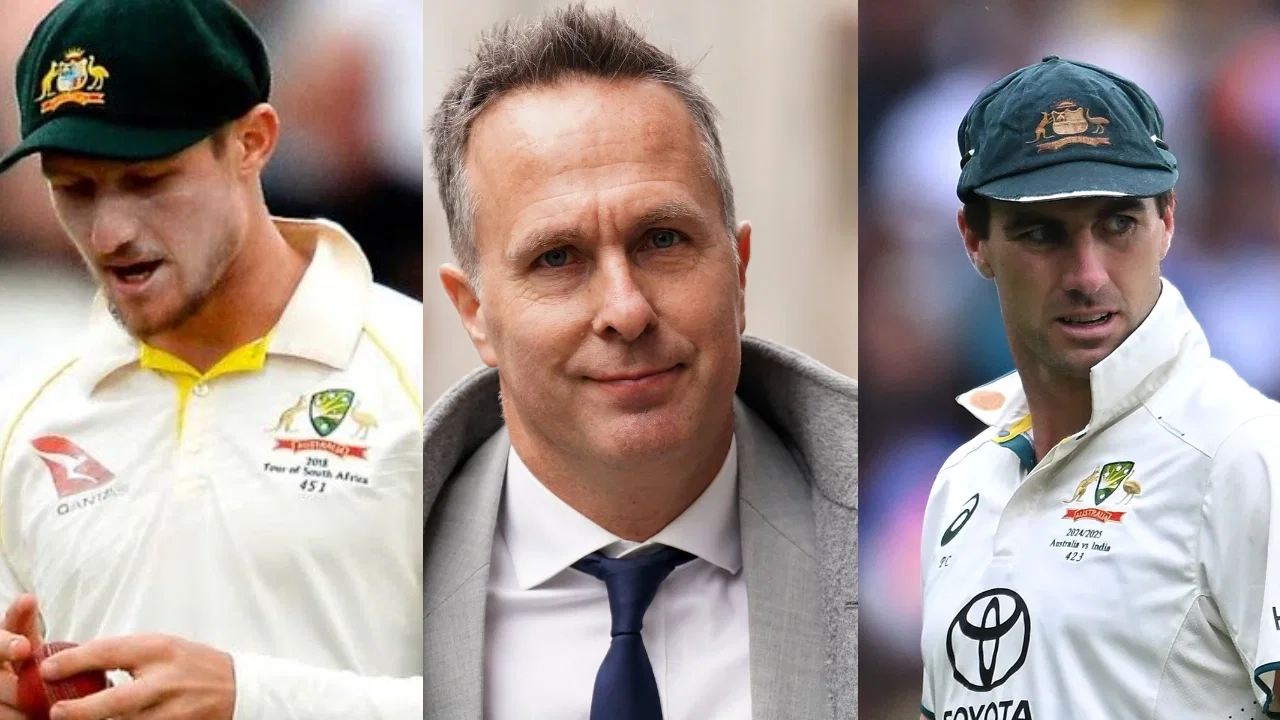
Pat Cummins Faces Renewed Questions After Cameron Bancroft’s Sandpapergate Claims
Australia’s 2018 ball-tampering scandal has returned to the spotlight after Cameron Bancroft published a detailed account challenging the completeness of Cricket Australia’s original investigation. His claims have also renewed scrutiny of Test captain Pat Cummins, who has rejected suggestions that the wider team knew about the plan to alter the ball’s condition.
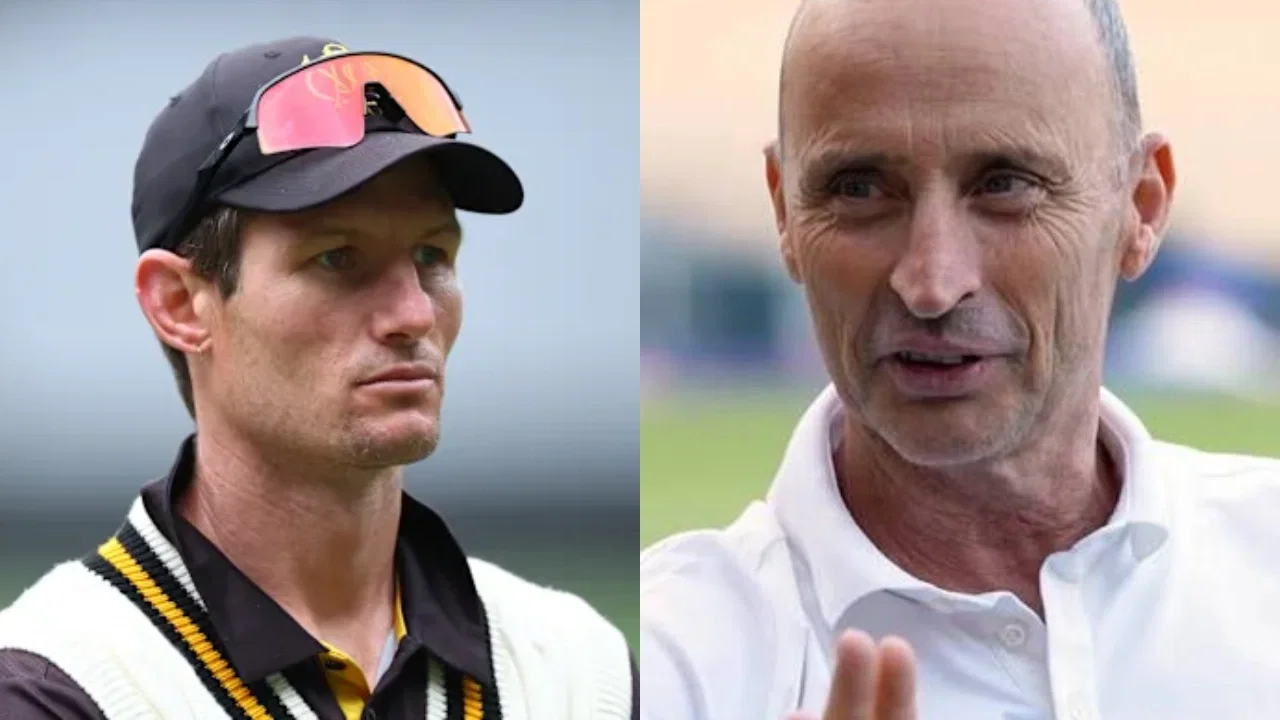
Bancroft, one of the players at the centre of the Cape Town controversy, submitted a 4,000-word article to The West Australian. In it, he argued that the inquiry did not provide a “complete and truthful account” of what happened. He also claimed that he, then-captain Steve Smith and vice-captain David Warner were made scapegoats, despite the team being aware of the intention to tamper with the ball.
The allegations have reopened a difficult question for Australian cricket: how much did the rest of the team know, and when? That question is now being raised publicly by former players and commentators, including ex-England captain Michael Vaughan.
Cummins Rejects Khawaja’s Account of the Scandal
The latest debate followed comments from Usman Khawaja about the 2018 scandal. When asked to respond, Cummins described Khawaja’s claims as “utter nonsense,” firmly rejecting the suggestion that the ball-tampering plan was known more broadly within the Australian side.
Cummins was part of Australia’s squad during the tour of South Africa, where the scandal erupted, although he was not among the players disciplined for the plot. He later became Australia’s Test captain in 2021. His presence on that tour means his perspective carries particular weight as the controversy resurfaces, even as he has consistently denied wider team involvement.
The original incident took place during the third Test against South Africa in Cape Town in March 2018. Television footage showed Bancroft using a piece of yellow sandpaper on the ball and then attempting to conceal it. Smith and Warner were subsequently suspended, while Bancroft also received a significant ban. The sanctions were followed by a period of intense public criticism and soul-searching for Australian cricket.
Why Bancroft’s New Account Matters
Bancroft’s latest intervention is significant because it challenges the impression that the misconduct was confined to a small group. His account does not, by itself, establish what every player knew or prove that the entire team was involved. But it gives fresh momentum to calls for a clearer explanation of how the plan developed and whether warning signs were missed.
One important distinction in the debate is the difference between knowing that a ball was being deliberately altered and knowing precisely how or when it was done. A player might have been aware of a plan in general without seeing the sandpaper used during a particular passage of play. That nuance has become central to the competing accounts of what happened in South Africa.
Bancroft’s claims also raise questions about the scope and transparency of Cricket Australia’s investigation. If the original inquiry did not capture the full picture, critics may ask whether the governing body should revisit the matter or explain more clearly how it reached its conclusions. Any renewed review, however, would need to distinguish verifiable evidence from recollections and allegations made years after the event.
Michael Vaughan Says Cummins Has a “Big Decision” to Make
Vaughan told BBC Sport that Cummins now faces a difficult choice: whether to address the latest claims more fully or maintain his existing position. Vaughan argued that it was hard to believe a team would have no awareness of a plan to change the ball’s condition, while allowing that some bowlers may not have known sandpaper was being used at a particular moment.
“Pat Cummins now has a big decision to make,” Vaughan said, adding that the team deserved to understand what had happened in Cape Town. His comments do not amount to proof of broader knowledge, but they reflect the pressure facing Australian cricket as the competing accounts attract renewed attention.
Vaughan also suggested that the ball-tampering discussion may extend beyond the Cape Town Test. He said he found it difficult to accept that only a handful of players knew something was being used to alter the ball and referred to the possibility that the practice had begun earlier in the tour, including during the Port Elizabeth Test.
At the same time, Vaughan drew a distinction between the earlier match and the events in Cape Town. He said it was plausible that some bowlers might not have known about the use of sandpaper on the day of the Cape Town incident, but questioned whether the team could have been unaware of a broader plan if it had been used previously. Those comments remain Vaughan’s assessment, rather than established findings.
Calls for More Than a Brief Response
Vaughan also warned Cricket Australia against assuming that a short press conference would settle the renewed controversy. In his view, the latest claims require a more substantial response if the governing body hopes to reassure supporters and protect the credibility of its past investigation.
That does not necessarily mean reopening the case or imposing new sanctions. The players involved have already served their punishments, and any further action would require reliable evidence and a clear process. But an explanation of how the investigation was conducted—and what it did or did not establish—could help address lingering uncertainty.
The issue also presents a challenge for Cummins. As captain, he is responsible for leading the current Australian side, not adjudicating every dispute from a previous generation. Yet his role in the 2018 tour and his public response to Khawaja’s comments mean that questions about the scandal are unlikely to disappear without further discussion.
Sandpapergate Prediction: What Happens Next?
For now, the most likely prediction is that the controversy will continue through public debate rather than lead immediately to formal action. Bancroft’s article has put pressure on Cricket Australia to clarify its position, while Vaughan’s comments have increased attention on Cummins and the question of team knowledge.
Whether the governing body responds with a detailed statement, a fresh review or no further investigation remains uncertain. Much will depend on whether Bancroft’s account includes evidence that can be independently checked and whether other people from the tour are willing to speak publicly.
More than eight years after the Cape Town Test, the scandal remains a defining episode in Australian cricket. The latest claims may not settle what happened, but they have revived the demand for a fuller account—one that separates confirmed facts from speculation and gives supporters a clearer picture of how one of the sport’s most damaging controversies unfolded.
Latest News

IPL 2027: Abishek Porel takes inspiration from Hardik Pandya after DC release
Temba Bavuma ruled out of 1st Test against Bangladesh after suffering calf strain
ICC imposes heavy fine on India for slow over-rate in 5th ODI against New Zealand

‘Prasidh Krishna is not fully fit’: Sunil Gavaskar backs Gurnoor Brar’s inclusion for 1st Test vs New Zealand
‘Pat Cummins has a big decision to make’: Michael Vaughan reacts to fresh Sandpapergate claims

“Real joy”: Sachin Tendulkar and Suryakumar Yadav share emotional tributes to MS Dhoni
Litton Das creates world record in Test cricket, becomes first wicketkeeper to achieve rare feat vs South Africa
IPL 2027: CSK retire MS Dhoni’s iconic No.7 Jersey
Ian Bell appointed Birmingham Phoenix head coach ahead of The Hundred 2027
‘My favourite player’: Jasprit Bumrah calls MS Dhoni his idol after former captain announced IPL retirement
“Utter mess”: Nasser Hussain reacts to Cameron Bancroft’s comments amid fresh Sandpapergate controversy

IPL 2027: Yuvraj Singh mentors Prithvi Shaw, Sam Curran emerges as LSG captain, SRH target Shai Hope
EAGLES vs LIONS Dream11 Prediction Today Match, My11Circle Prediction, Dream11 Team Today, Fantasy Cricket Tips, Playing XI, Pitch Report, Injury Update- Abu Dhabi Cup T10 2026, Match 27
Sunil Narine picked over Rinku Singh as KKR’s next captain for IPL 2027