‘Prasidh Krishna is not fully fit’: Sunil Gavaskar backs Gurnoor Brar’s inclusion for 1st Test vs New Zealand
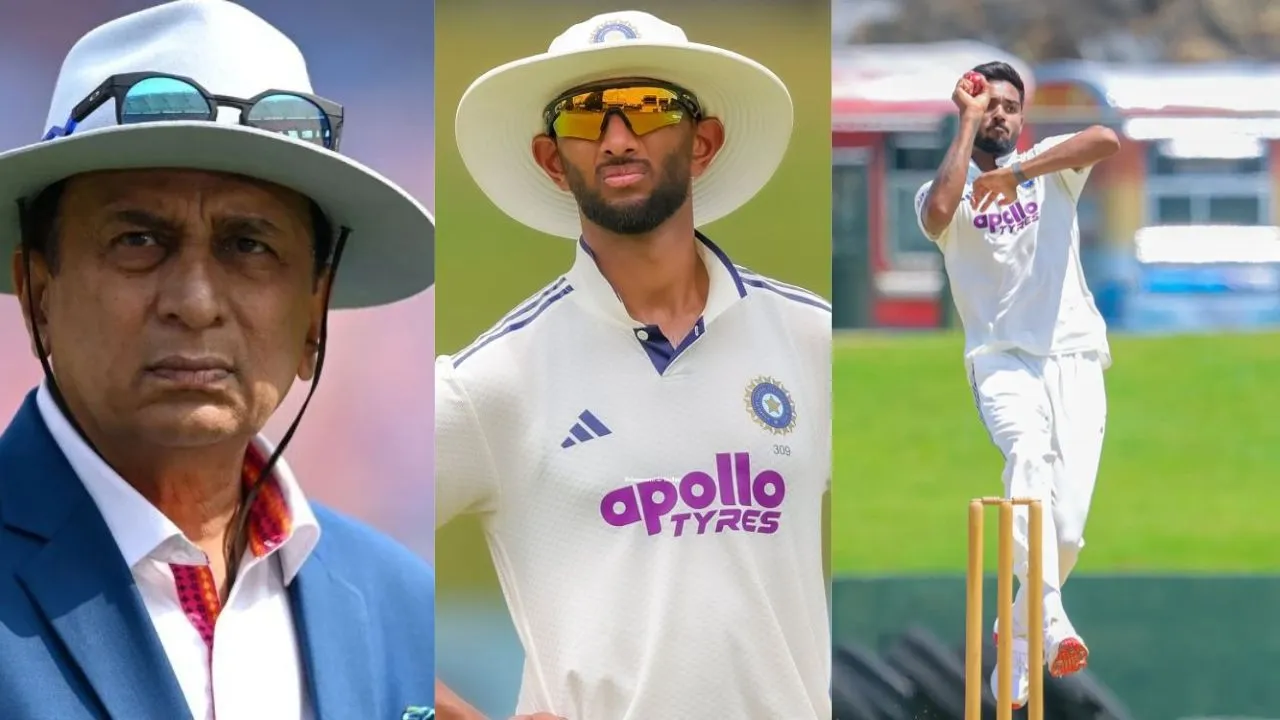
Sunil Gavaskar backs Gurnoor Brar for India’s Wellington Test against New Zealand
India are preparing for a demanding start to their two-match Test series against New Zealand at Wellington’s Basin Reserve, where the conditions could place a premium on pace, bounce and disciplined seam bowling. With the series carrying important consequences for India’s hopes of reaching the ICC World Test Championship final, former captain Sunil Gavaskar believes the team should select Gurnoor Brar ahead of Prasidh Krishna.
Gavaskar’s selection prediction is based on two factors: the expected conditions and the bowlers’ recent match readiness. A green surface in Wellington could offer fast bowlers early movement, while Brar arrives with recent overs under his belt and encouraging performances against New Zealand. Prasidh, by contrast, is returning from injury and has had limited competitive cricket to prepare for the Test.
Why Gavaskar expects Brar to get the nod
Speaking on Sony Sports Network, Gavaskar said Kuldeep Yadav’s omission from the likely combination would be a decision shaped by the pitch rather than a reflection on the spinner’s ability. If the Basin Reserve surface offers the pace and carry suggested by pre-match reports, India may prefer an additional seam option to a specialist wrist-spinner.
Gavaskar also suggested that Brar could take Krishna’s place in the XI. Krishna has played only one match since returning from injury, leaving questions about whether he is fully prepared for the workload of a Test. Brar, meanwhile, has been active and has recently shown that he can make use of seam-friendly conditions.
“Kuldeep’s exclusion was purely condition-based, and Brar can take advantage of the pace and bounce on these pitches as we saw in the ODIs,” Gavaskar said, according to the Times of India. He added that Krishna’s limited match practice could count against him, while Brar’s recent cricket makes him a more ready option.
The decision would reflect a familiar challenge for visiting teams in New Zealand: choosing a bowling attack that can exploit helpful conditions without sacrificing balance. If India opt for four frontline seamers, the selectors will be looking for bowlers who can maintain pressure over long spells, attack the stumps and extract movement from the surface.
Brar’s recent performances strengthen his case
Brar’s latest displays against New Zealand have given the team management a compelling reason to consider him. After less productive outings in England and at home against the West Indies, he responded strongly in conditions that suited his style. His ability to hit the pitch hard and generate pace and bounce troubled the New Zealand batters throughout the three-match series.
Brar finished as the series’ leading wicket-taker, claiming nine wickets and earning Player of the Series honours. Those figures do not guarantee a Test debut, but they provide useful evidence of his current form and confidence. Against a New Zealand side accustomed to playing on seaming surfaces, India may value a bowler who has already found success against the same opponents.
His ability to contribute with the bat could also help his selection case. A lower-order fast bowler who can add useful runs gives a side greater flexibility, particularly in a Test where conditions may make batting difficult. However, the primary question will be whether Brar can translate his recent limited-overs success into the patience and consistency required in the longer format.
What a four-seamer strategy could mean
If India select four specialist seamers, the attack would be designed to keep New Zealand’s batters under pressure across changing conditions. The new ball could offer movement, while a hard length may bring the Basin Reserve’s bounce into play. A deeper pace group can also help the captain rotate bowlers and avoid overworking any one option during extended spells.
The trade-off is reduced specialist spin. That may be a reasonable choice if the pitch remains green, but conditions can change over five days. As the surface wears, India’s seamers will need to adapt their lengths and use reverse swing or variation if conventional movement fades. The final team balance will therefore depend not only on the look of the pitch but also on how the surface is expected to behave later in the match.
Gavaskar tips Padikkal for the No. 3 role
Gavaskar also offered a prediction about India’s batting order, backing Devdutt Padikkal to occupy the No. 3 position. The left-hander has impressed in recent opportunities, including performances in Sri Lanka and warm-up cricket. Gavaskar believes that form gives Padikkal an edge as India consider how to fill a key position near the top of the order.
Padikkal’s selection would give India a left-handed option in the top three and could help disrupt New Zealand’s bowling plans. His challenge, however, would be to adjust quickly to the demands of Test cricket in Wellington, where the ball can move in the air and off the pitch. A patient start and a willingness to leave deliveries outside off stump would be particularly important.
Gavaskar said Padikkal had strengthened his claim through his batting in Sri Lanka and the warm-up matches. He also noted that Sai Sudharsan has shown promise but may need more experience to establish himself consistently at Test level. The choice between the two would give India a selection dilemma based on current form, experience and suitability to the conditions.
India’s Test series carries major stakes
India have already won the preceding T20I and ODI contests, but the Test series presents a different challenge. New Zealand have been a difficult opponent for India in the traditional format since 2015, and success at the Basin Reserve would require discipline with both bat and ball. The visitors must also manage the pressure of a World Test Championship campaign in which every result can shape their route to the final.
For India, Brar’s possible inclusion and Padikkal’s projected role at No. 3 point to a selection approach focused on recent form and conditions. Gavaskar’s prediction is not confirmation of the final XI, but it highlights the reasoning behind a potential combination: favour bowlers who are match-ready, use the available pace and bounce, and select batters who have earned their opportunity through recent performances.
The toss, final pitch assessment and fitness checks will ultimately determine India’s lineup. If the Basin Reserve offers the green, lively surface expected, Brar could be in line for a significant opportunity—and India may begin the series with a pace-heavy attack aimed at putting New Zealand under pressure from the first session.
Latest News
IPL 2027: Abishek Porel takes inspiration from Hardik Pandya after DC release
Temba Bavuma ruled out of 1st Test against Bangladesh after suffering calf strain
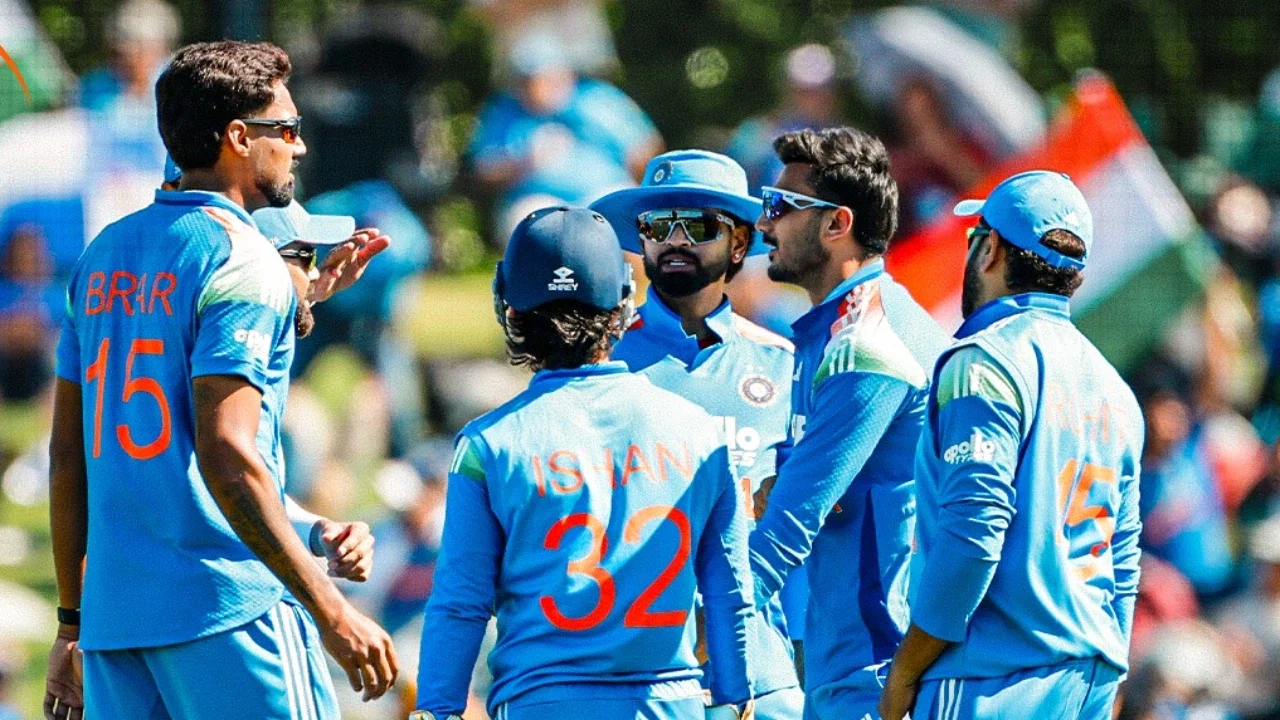
ICC imposes heavy fine on India for slow over-rate in 5th ODI against New Zealand
‘Prasidh Krishna is not fully fit’: Sunil Gavaskar backs Gurnoor Brar’s inclusion for 1st Test vs New Zealand

‘Pat Cummins has a big decision to make’: Michael Vaughan reacts to fresh Sandpapergate claims
“Real joy”: Sachin Tendulkar and Suryakumar Yadav share emotional tributes to MS Dhoni
Litton Das creates world record in Test cricket, becomes first wicketkeeper to achieve rare feat vs South Africa
IPL 2027: CSK retire MS Dhoni’s iconic No.7 Jersey
Ian Bell appointed Birmingham Phoenix head coach ahead of The Hundred 2027
‘My favourite player’: Jasprit Bumrah calls MS Dhoni his idol after former captain announced IPL retirement
“Utter mess”: Nasser Hussain reacts to Cameron Bancroft’s comments amid fresh Sandpapergate controversy

IPL 2027: Yuvraj Singh mentors Prithvi Shaw, Sam Curran emerges as LSG captain, SRH target Shai Hope
EAGLES vs LIONS Dream11 Prediction Today Match, My11Circle Prediction, Dream11 Team Today, Fantasy Cricket Tips, Playing XI, Pitch Report, Injury Update- Abu Dhabi Cup T10 2026, Match 27
Sunil Narine picked over Rinku Singh as KKR’s next captain for IPL 2027