

KL Rahul opens up on favourite ground, toughest opponent and cricketing idol
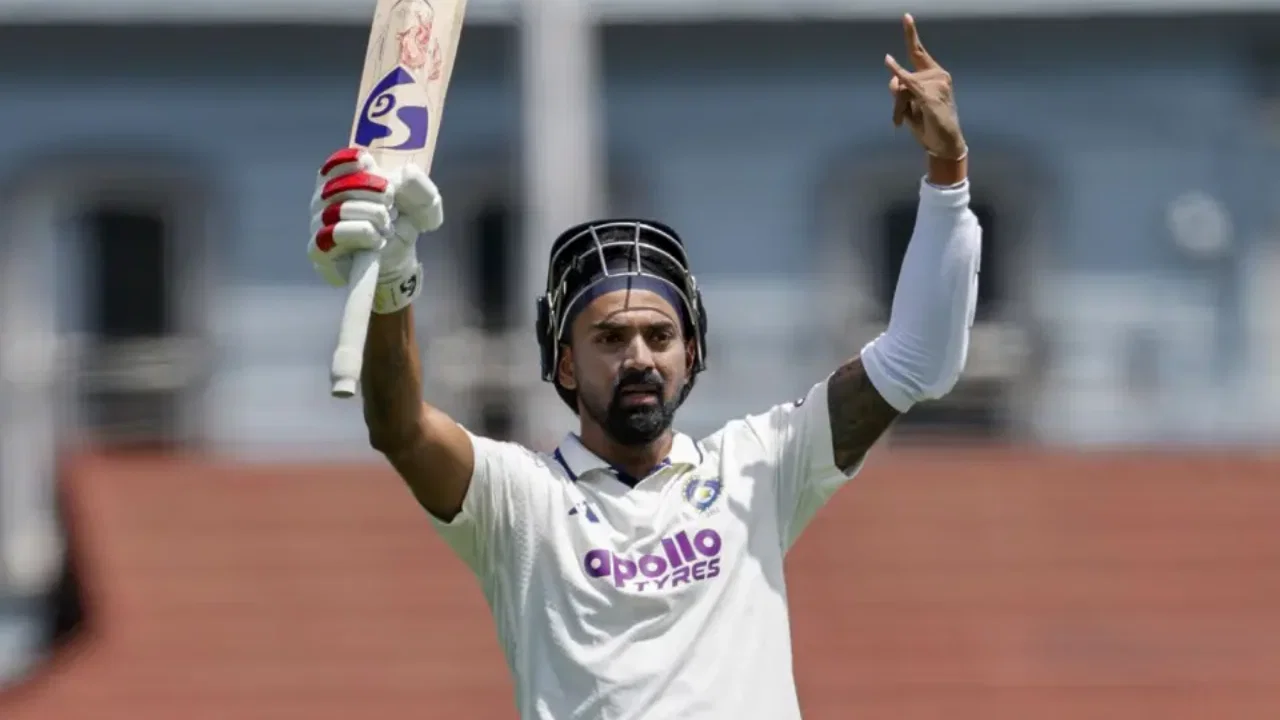
KL Rahul’s Rapid-Fire Reveals His Cricketing Favourites as India Build a Strong Position in Wellington
India opener KL Rahul offered a glimpse into the person behind the batting helmet during a candid rapid-fire interview at the Basin Reserve. From the cricket ground he treasures most to the opponent he finds hardest to face, Rahul shared a series of personal choices while India’s first Test against New Zealand unfolded in Wellington.
The conversation arrived during a memorable match for the right-hander. Rahul scored 136, his 13th Test century, helping India build a formidable total and put the hosts under pressure. His innings featured nine fours and two sixes, along with important partnerships that strengthened India’s position in the contest.
Chinnaswamy Stadium, the Pull Shot and a Test Hundred
Asked to name his favourite cricket venue, Rahul chose Bengaluru’s M. Chinnaswamy Stadium. The ground is closely associated with his home city and has hosted many significant moments in Indian cricket. Its lively atmosphere and compact boundaries also make it a particularly memorable setting for batters and supporters alike.
Rahul’s preferred stroke is the pull shot, rather than the cover drive. The choice suits an aggressive batter who is comfortable taking on short-pitched bowling and turning deliveries into scoring opportunities. In Test cricket, the shot can be a useful way to disrupt a bowler’s length, though it also demands excellent timing and judgement.
When asked to choose between scoring a Test century and winning an IPL title, Rahul opted for the hundred. The answer reflects the value he places on individual achievement in the longest format, where runs are earned over extended periods and often require patience as well as skill.
His pre-match routine and toughest opponent
Rahul also shared a few details about his preparation. Before a Test, he prefers a meal that includes eggs, avocado and a protein shake—foods that offer a mix of protein, fats and energy. He said he listens to a devotional song or mantra before going out to bat, describing the ritual as a way to feel connected with God. At the same time, Rahul said he is not especially superstitious.
Among the bowlers he has faced, Rahul named Afghanistan’s Rashid Khan as the toughest. Khan’s variations, control and ability to change pace make him a challenging opponent, particularly in limited-overs cricket. His selection also highlights how modern batters must prepare for a wide range of bowling styles across international and franchise competitions.
Rahul Dravid Was His Childhood Cricketing Idol
Rahul revealed that former India captain Rahul Dravid was his childhood idol. Dravid built a reputation for concentration, technical discipline and resilience—qualities that have long been admired by aspiring batters. For a young KL Rahul, watching a player with those attributes would have offered a powerful example of how to succeed at the highest level.
The India opener added that he might have pursued another sport if cricket had not become his career. The comment offered a brief reminder that elite athletes often develop their interests and ambitions well before they reach the international stage.
Rahul was also asked to describe Shubman Gill ahead of the interviewer’s next conversation with the India captain. He called Gill “hungry” and “very committed” to the game, while also describing him as “chill” away from the intensity of competition. The combination suggests a player who approaches cricket with ambition but maintains a relaxed personality off the field.
Rahul’s 136 Helps India Set a Major Basin Reserve Benchmark
On the field, Rahul’s century formed part of a commanding Indian batting performance. He shared a 165-run second-wicket stand with Devdutt Padikkal, who made 80 from 175 deliveries. Rahul later added 91 runs with Gill, helping India maintain momentum through the middle stages of the innings. Nathan Smith eventually dismissed Rahul on Day 3.
India resumed the following morning at 486 for four and added 143 runs during the session. Rishabh Pant reached his ninth Test century, while nightwatchman Anshul Kamboj contributed 38. Dhruv Jurel also made a valuable 78 before India declared at 720 for nine, establishing a 352-run lead.
The total became the highest Test score recorded at the Basin Reserve, a landmark that underlined the scale of India’s batting effort. Glenn Phillips was New Zealand’s most successful bowler, taking three wickets for 154 runs, while captain Tom Latham turned to seven bowlers in an effort to break the partnerships and limit the damage.
New Zealand Face a Tough Final-Day Prediction
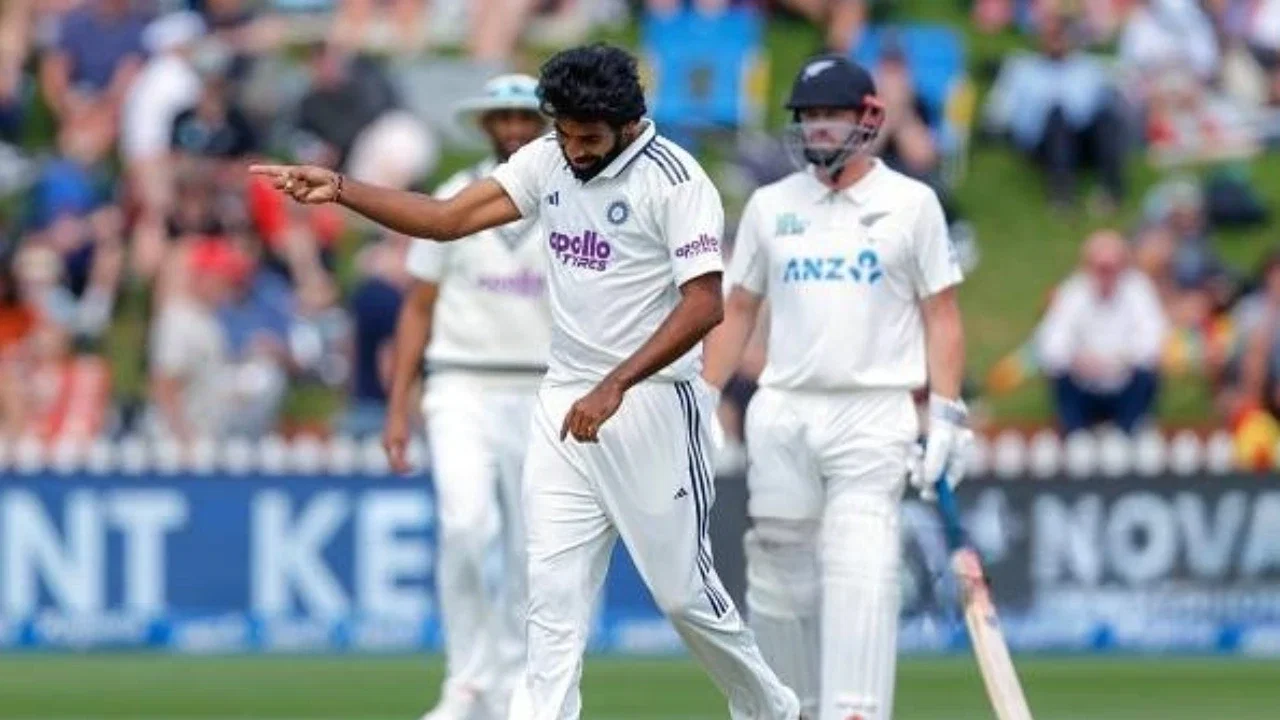
New Zealand’s second innings began with an early setback when Latham was dismissed for a duck by Jasprit Bumrah. Devon Conway and Henry Nicholls then steadied the innings with a 60-run partnership. Prasidh Krishna removed Nicholls for 31, with Jurel taking a sharp catch at forward short leg.
Conway reached his 14th Test half-century and was unbeaten on 59 at stumps, with Rachin Ravindra on 27. New Zealand finished the day at 119 for two, still 233 runs behind India. The visitors therefore entered the final day needing eight more wickets to secure an away Test victory, while the hosts had to balance survival with the need to reduce the deficit.
The match prediction remained finely tied to the early final-day session. India had the advantage of a substantial lead and a relatively fresh bowling attack, but Conway’s presence gave New Zealand a potential foundation. If India could remove him quickly, the lower order would face mounting pressure; if the home side’s batters extended their resistance, the contest could become more demanding for the visitors.
Rahul’s rapid-fire answers added a personal dimension to a Test defined by records and major partnerships. His preference for the pull shot, admiration for Dravid and respect for Rashid Khan offered fans a snapshot of his cricketing influences, while his century helped place India in a strong position at one of New Zealand’s most historic grounds.
Latest News
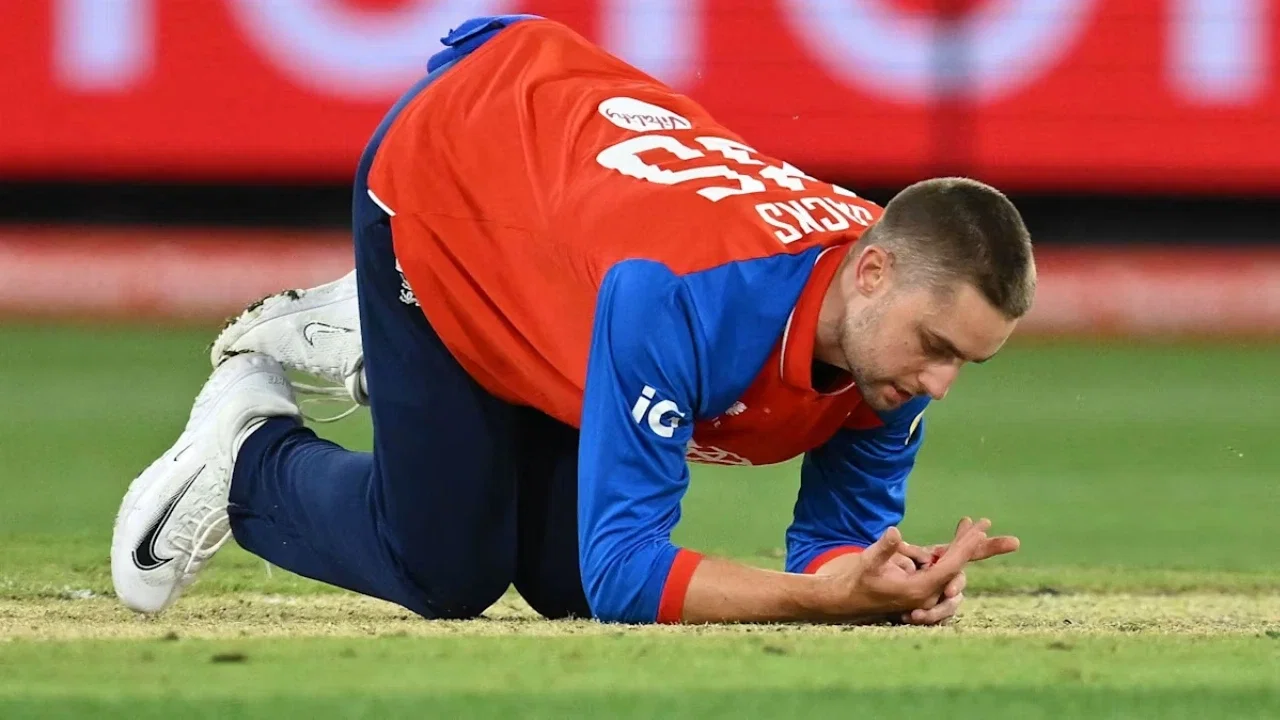
Will Jacks ruled out of Australia vs England T20I series with broken hand
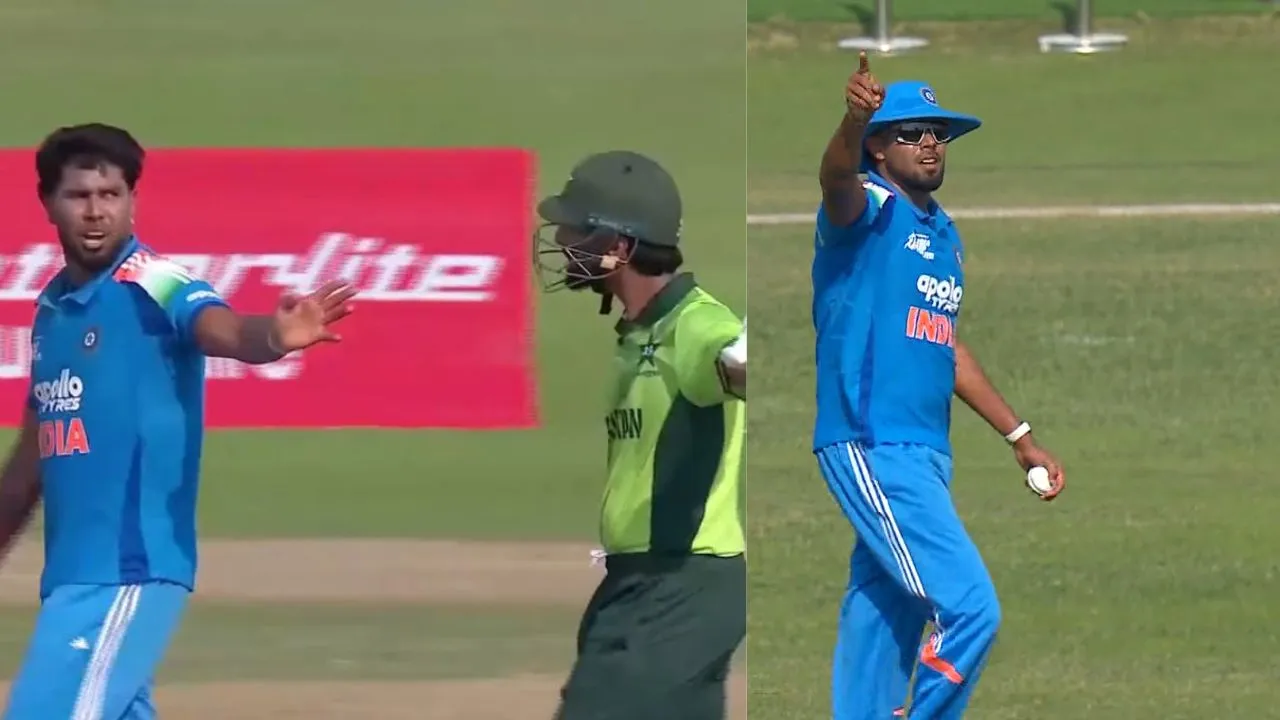
Harshit Rana involved in heated on-field exchanges with Pakistan batters in Doha
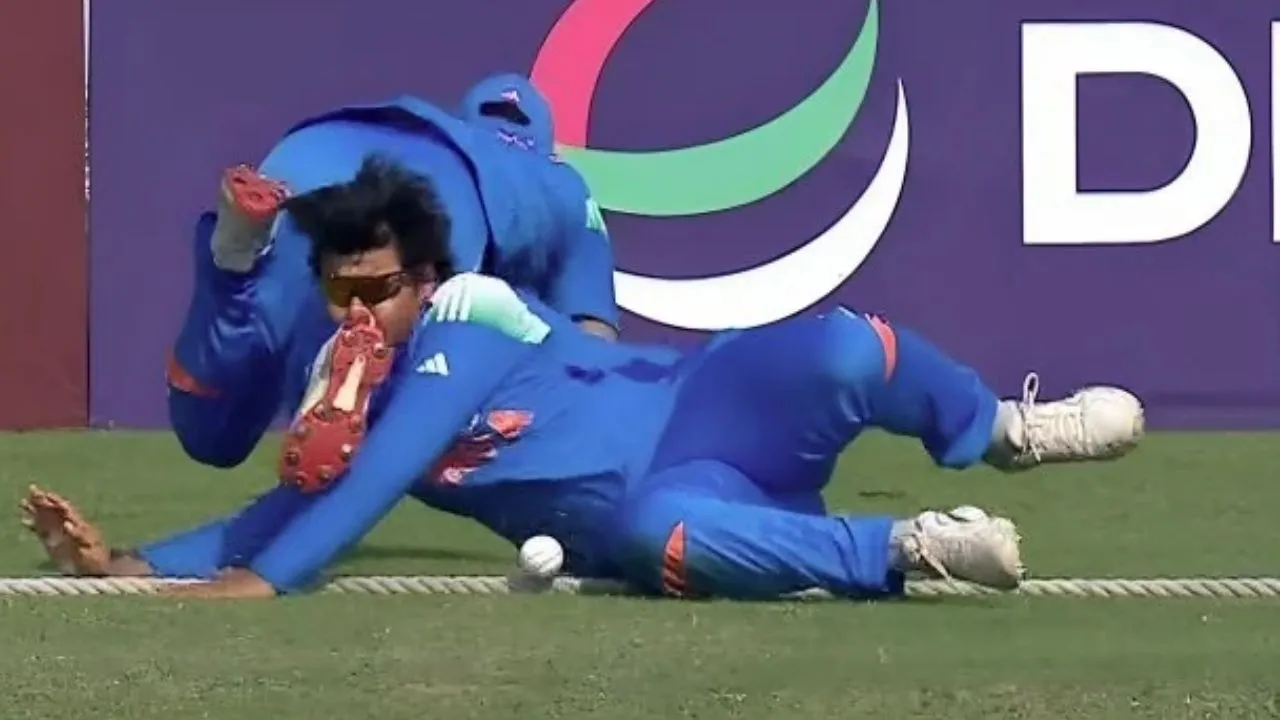
Vaibhav Sooryavanshi leaves field after collision with Vipraj Nigam in IND vs PAK game
Jasprit Bumrah scripts special Test record after dismissing Tom Latham in 1st Test vs New Zealand
Yuzvendra Chahal makes political debut, gets special role in BJP
“None of them are bad guys”: David Warner’s manager offers solution to Australia’s Sandpapergate row
Irfan Pathan picks SIX Indians in World Test XI, leaves out several big names
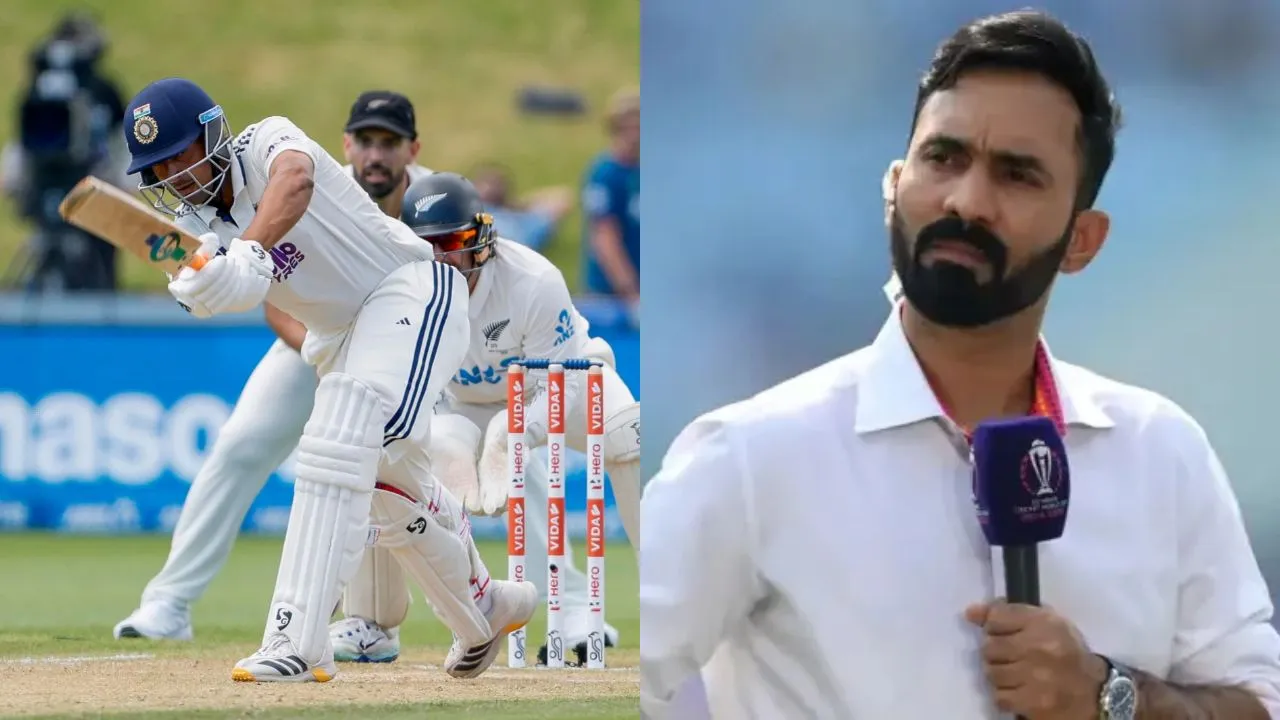
Dinesh Karthik backs Anshul Kamboj for ODI World Cup squad after impressive nightwatchman knock
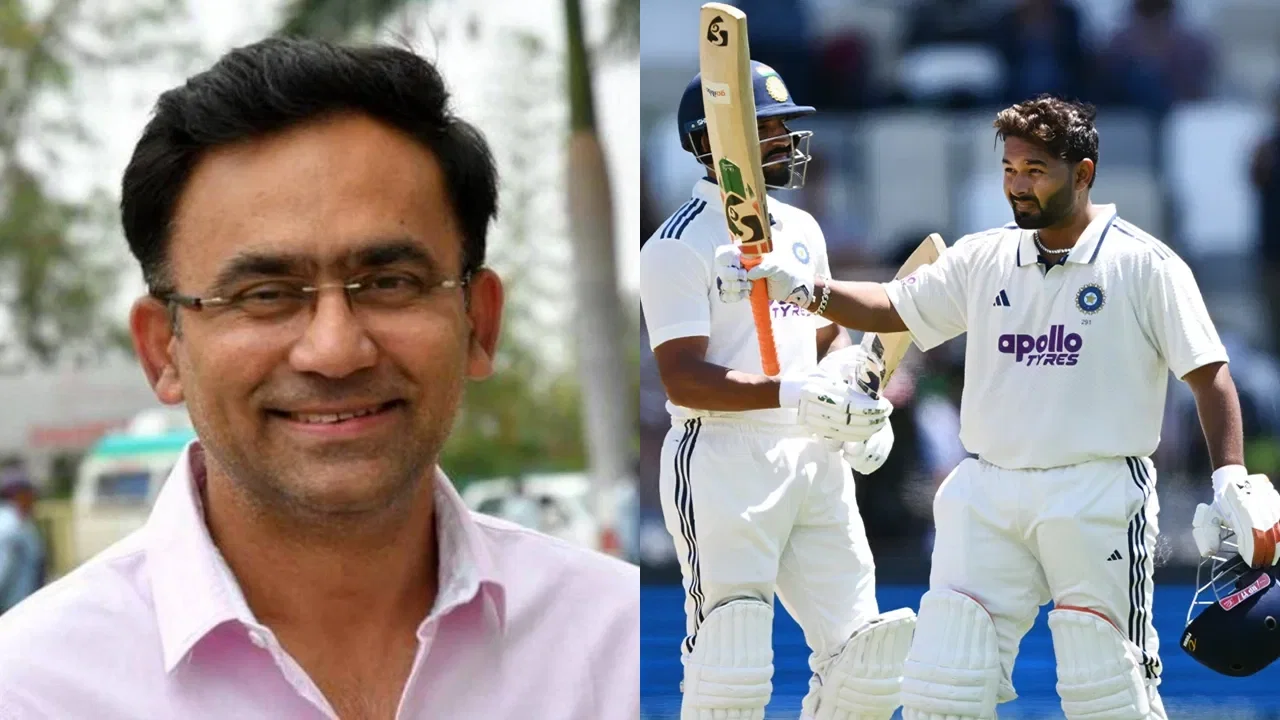
Saba Karim explains why Rishabh Pant is “required in international cricket”
Jacob Bethell undergoes second knee surgery, reveals comeback timeline
Jamshed Alam creates history with stunning five-wicket haul on T20 debut in SMAT
Noor Ahmad reveals two things CSK players will miss most about MS Dhoni
“Spend some time in the house:” Usman Khawaja’s childhood coach hits back over Sandpaper Gate claims
IND vs PAK: Tilak Varma and Abdul Samad skip handshake in Rising Stars Asia Cup clash

