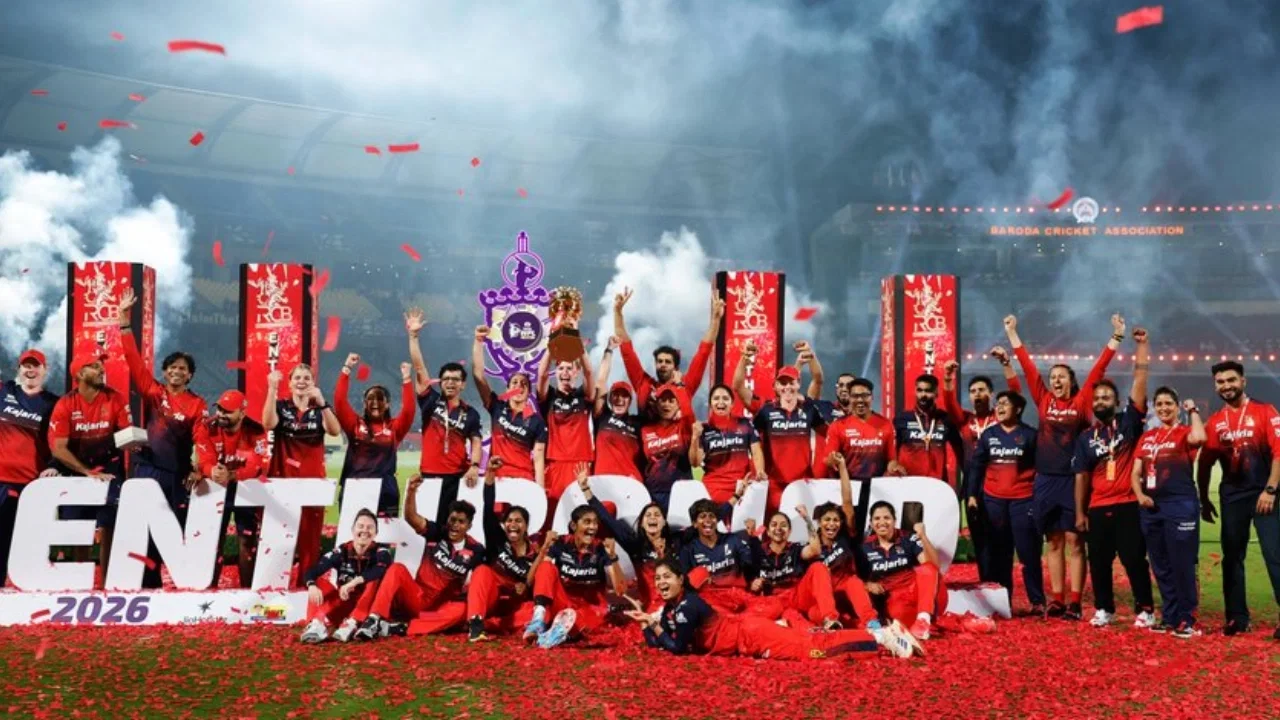
Mumbai Indians lead as every IPL team crosses $1.5 billion valuation
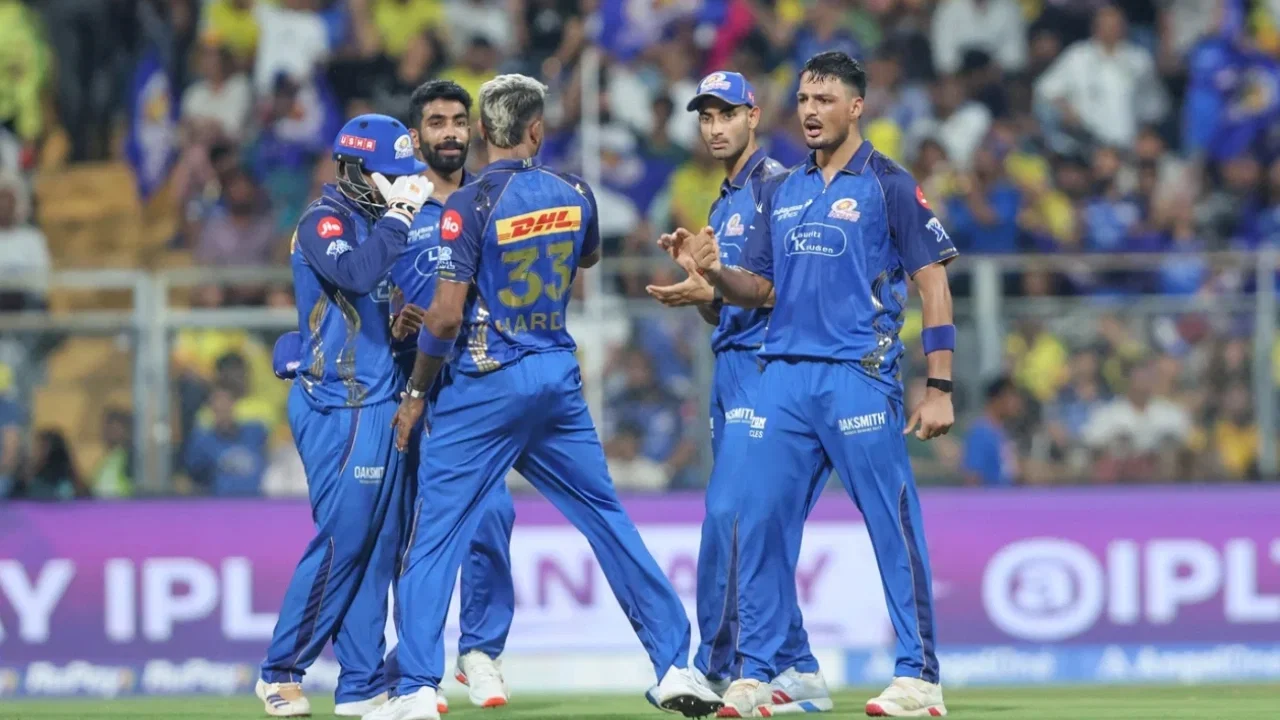
Mumbai Indians Top IPL Franchise Valuations at $2.1 Billion as Investor Demand Surges
The Indian Premier League has become one of the world’s most valuable sports properties, with Mumbai Indians (MI) leading the latest franchise rankings at an estimated enterprise valuation of $2.1 billion, according to Sportico. The figures underline how dramatically the league has grown since its launch in 2008—and why investors continue to compete for a stake in its teams.
The average IPL franchise is now valued at about $1.7 billion, and every team has crossed the $1.5 billion threshold. Sportico’s estimates reflect more than a decade of rising media income, strong commercial interest and the league’s ability to attract a vast cricket audience. They also point to a striking shift from the IPL’s early years, when the original eight franchises were purchased for a combined $724 million.
How IPL Team Values Have Changed Since 2008
When the first franchises were sold, bids ranged from $67 million for Rajasthan Royals (RR) to $112 million for Mumbai Indians. Today, the average franchise valuation is nearly 1,800% higher than the average value recorded at the league’s launch.
That growth has been supported by the IPL’s transformation from a new domestic competition into a high-profile international sports and entertainment product. Its short format, concentrated schedule and mix of star players and city-based teams have helped attract broadcasters, sponsors and fans. For investors, the league offers a rare combination: a major established brand with recurring income and substantial future growth potential.
MI, CSK and KKR among the most valuable teams
Mumbai Indians sit at the top of Sportico’s valuation list at $2.1 billion. Chennai Super Kings (CSK) are estimated to be worth $1.75 billion, while Kolkata Knight Riders (KKR) are valued at $1.73 billion. Delhi Capitals are put at $1.70 billion.
Royal Challengers Bengaluru (RCB) is valued by Sportico at $1.85 billion, following a major ownership transaction in March. A consortium involving Blackstone, Bolt Ventures, Aditya Birla Group and Times of India Group acquired the franchise for $1.78 billion. The deal covered both the men’s IPL team and its Women’s Premier League side, giving the new owners an investment across two major cricket competitions.
Rajasthan Royals changed hands two months later, when a consortium led by Lakshmi Mittal, with Adar Poonawalla also involved, acquired the franchise for approximately $1.65 billion. These transactions provide a real-world reference point for the valuations and demonstrate the scale of capital now being committed to IPL ownership.
Central Revenue Gives Teams a Reliable Financial Base
A key reason behind the IPL’s high valuations is its centralized revenue model. Around 75% of franchise revenue comes from distributions managed by the Board of Control for Cricket in India (BCCI). This structure gives teams access to a substantial shared income stream rather than requiring each franchise to depend solely on local ticket sales and sponsorships.
The system is supported by the BCCI’s five-year, $6.2 billion broadcast-rights agreement for the 2023–27 cycle, signed in 2022. After covering production costs, the BCCI retains half of the media-rights fees and distributes about 90% of the remaining amount, alongside other league-level earnings, equally among the 10 franchises. The final 10% is allocated according to performance.
Under the current broadcast arrangement, central distributions provide each franchise with an estimated $50 million to $55 million annually. Because the IPL has no relegation system, teams are not exposed to the same risk of losing league status—and the associated income—that can affect clubs in some other sports. The shared-revenue model therefore offers investors a degree of financial predictability, even as individual team results vary from season to season.
Franchises also earn from match-day sales, sponsorship agreements and other commercial activity. Sportico estimates that average team revenue reached $74.4 million during the 2026 season. The league’s average revenue multiple is 22.9, compared with 14.6 for the NBA and 12.7 for the NFL. IPL franchise multiples fall within a relatively narrow range of 22 to 24, suggesting that investors place a consistently high value on the league’s future earnings.
Limited Availability Adds to Investor Competition
With no immediate expansion in sight, the limited number of IPL teams has become another source of investor demand. There are only 10 franchises, and ownership opportunities are rare. When a stake becomes available, potential buyers are competing not only for a team but also for access to the league’s central distributions, commercial platform and large fan base.
Reports suggest that Lucknow Super Giants are exploring a sale of between 15% and 20% of the franchise at an enterprise valuation of $1.5 billion to $2 billion. KKR has also reportedly sought a buyer for a 20% stake at a valuation of about $1.8 billion. These discussions, if completed, could offer further evidence of how private investors assess the market—and whether recent headline deals set a new benchmark for IPL assets.
What Could Drive the Next Phase of IPL Growth?
Investors are also looking beyond current income to the league’s growth potential. The IPL’s 10 teams serve a vast cricket market, and the tournament reportedly drew 1.2 billion unique viewers across television and digital platforms during the 2026 season. That reach creates opportunities to grow advertising, sponsorship and streaming revenue, particularly as viewing habits continue to shift between traditional broadcasts and online platforms.
Match volume is another possible growth lever. The BCCI could increase the tournament schedule from 74 to 94 matches for the broadcast cycle beginning in 2028, a proposal reportedly considered previously. More games could create additional broadcast inventory and ticketing opportunities, although any expansion would need to balance commercial growth with player workload, scheduling demands and the tournament’s appeal as a relatively compact event.
International broadcast income may also offer room to grow. Cricket has established audiences in several overseas markets, and the IPL’s mix of globally recognized players and Indian teams gives broadcasters a product that can travel beyond its home market. The scale of that opportunity will depend on audience growth, distribution agreements and the league’s ability to make matches accessible to international viewers.
Low operating costs strengthen the valuation case
The IPL’s financial structure can also help control franchise expenses. The player salary cap stood at approximately $16 million for the 2026 season, while teams avoid major stadium construction costs by playing at state-owned and operated venues. These factors can limit some of the capital demands that weigh on franchises in other major leagues.
Still, a high valuation does not eliminate risk. Future returns depend on the strength of broadcast deals, audience engagement, sponsorship demand and the league’s ability to maintain its competitive appeal. Any expansion in the schedule would also need to preserve the quality and intensity that have helped the IPL attract viewers in the first place.
IPL Valuation Prediction: Strong Outlook, with Growth Tied to Media Rights
The next major test for franchise valuations will be the broadcast cycle beginning in 2028. A larger match schedule, stronger digital distribution or increased international reach could support further revenue growth. On the other hand, investors will watch closely to see whether media-rights income can continue to rise at a pace that justifies the league’s premium revenue multiples.
The IPL’s early financial trajectory was anticipated by its founder and first commissioner, Lalit Modi, who argued after the inaugural season that the original franchise buyers had secured assets at prices below their long-term potential. Today’s $1.7 billion average valuation suggests that prediction has proved remarkably prescient. With recurring central income, a huge audience and scarce ownership opportunities, the IPL remains an unusually attractive sports investment—though future value will ultimately depend on how effectively the league converts its popularity into sustainable growth.
Latest News

England stars get ECB approval to prioritize IPL over Pakistan series
Steve Smith injury update: Australia batter targets New Zealand Test series
Watch: Smriti Mandhana’s clever move to avoid Harmanpreet Kaur handshake

Watch: Josh Hazlewood’s ‘caught in 4K’ moment with female fan during SA-AUS Test
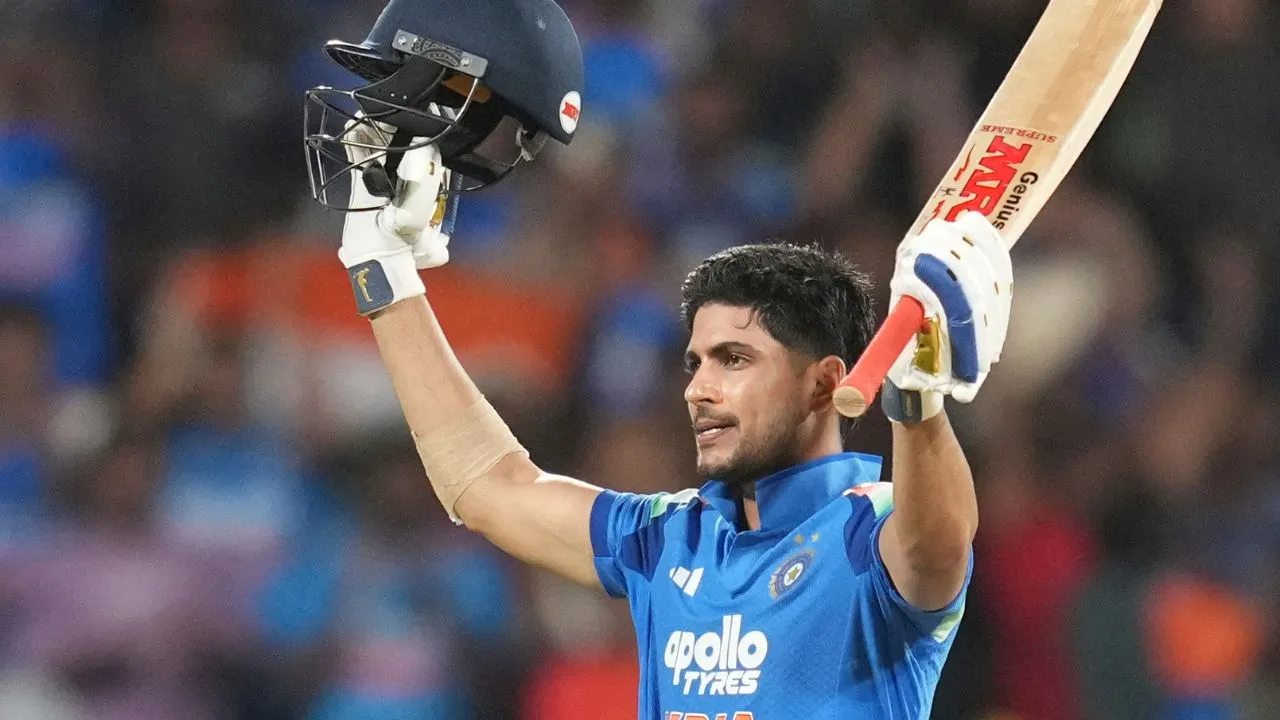
Shubman Gill joins India’s T20I squad in Auckland before 4th NZ match
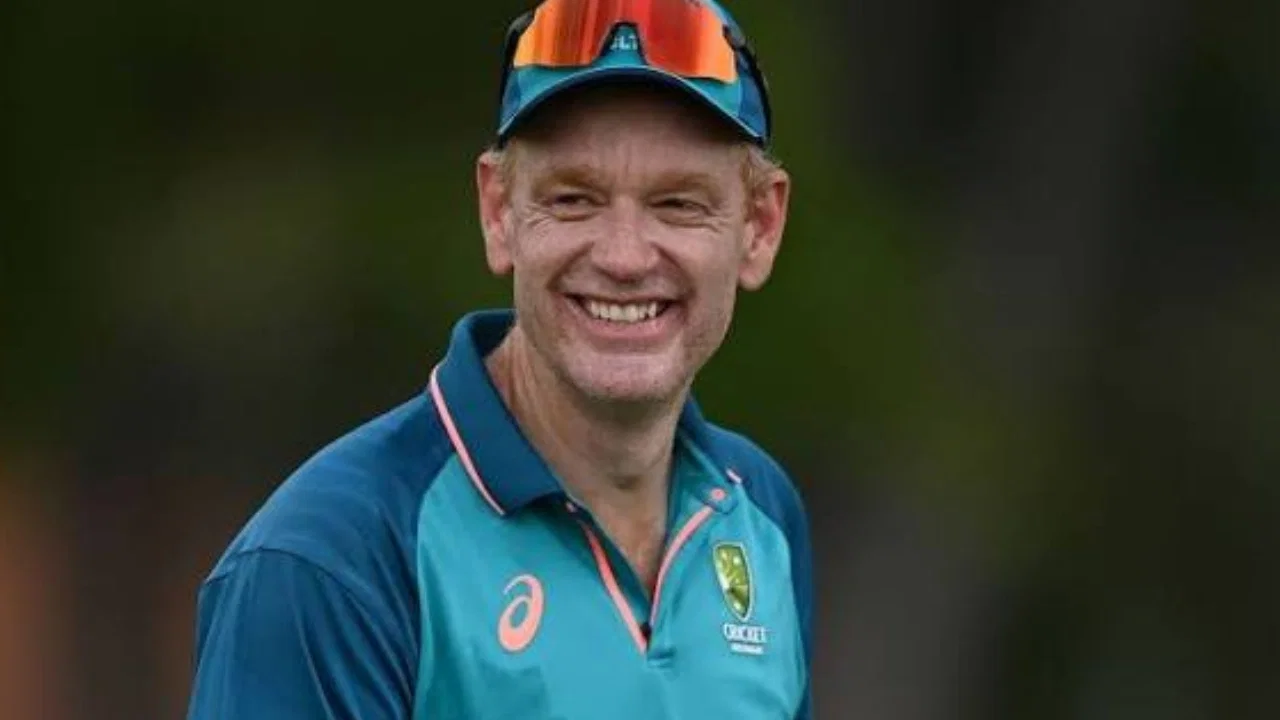
Andrew McDonald in talks for Australia head coach contract extension
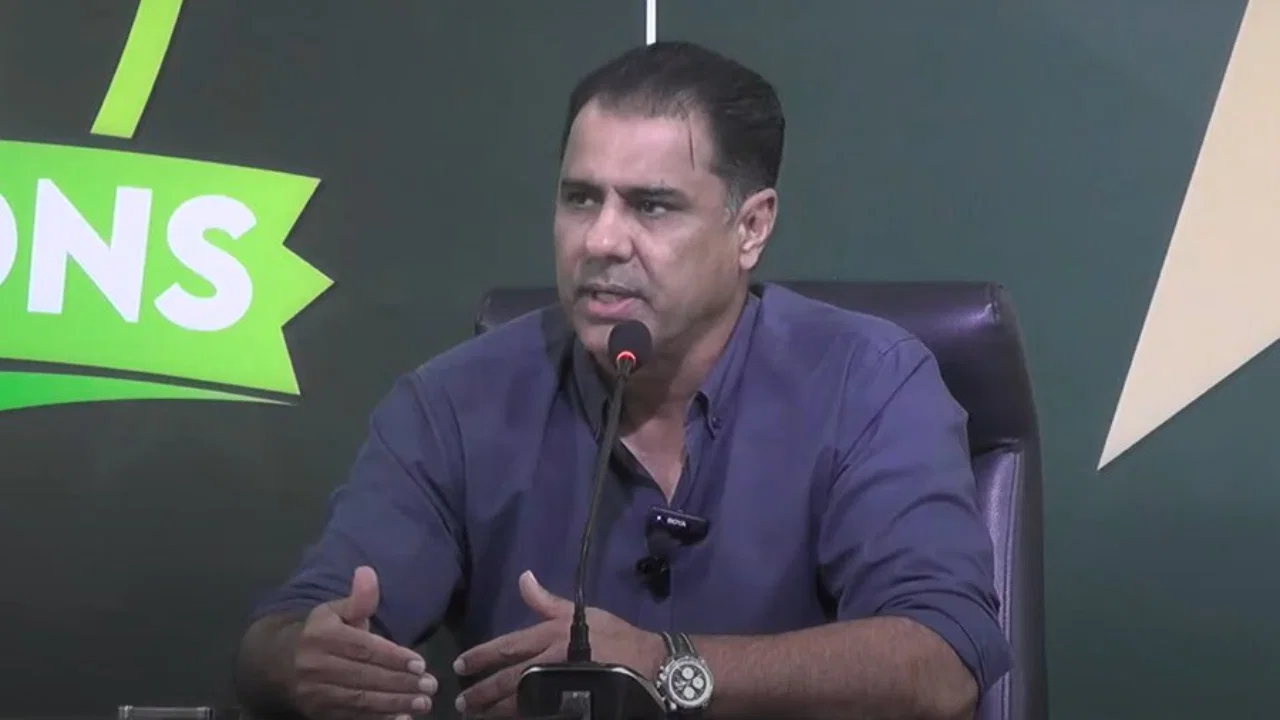
Waqar Younis picks only one Pakistani in combined IND-PAK dream team; snubs Inzamam-ul-Haq, Babar Azam
Mumbai Indians lead as every IPL team crosses $1.5 billion valuation
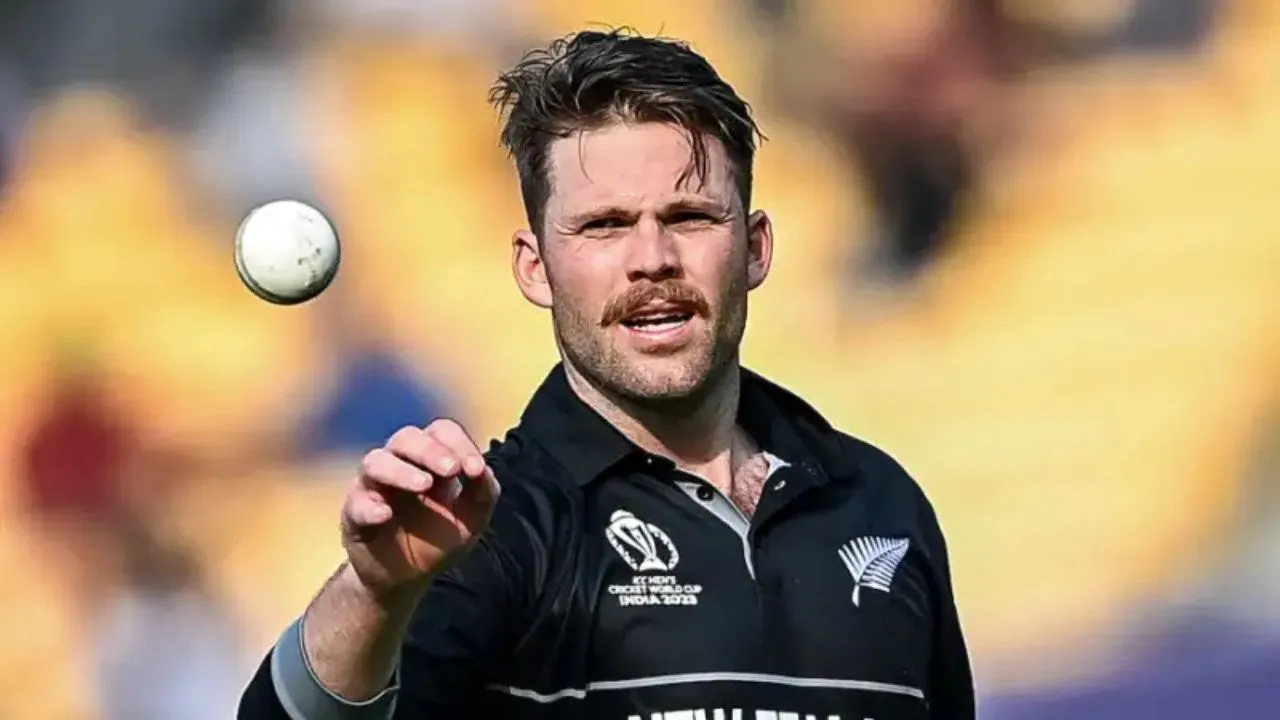
New Zealand suffer another injury blow! Lockie Ferguson ruled out of India T20Is
Babar Azam’s family issues made public and linked to poor form
Yuzvendra Chahal set to make India comeback: Report

R Ashwin names Bhuvneshwar Kumar’s replacement for 4th T20I vs New Zealand
Ajinkya Rahane hails Team India’s move to send Vaibhav Sooryavanshi back as opener
Jos Buttler provides injury update, reveals when he could return to action