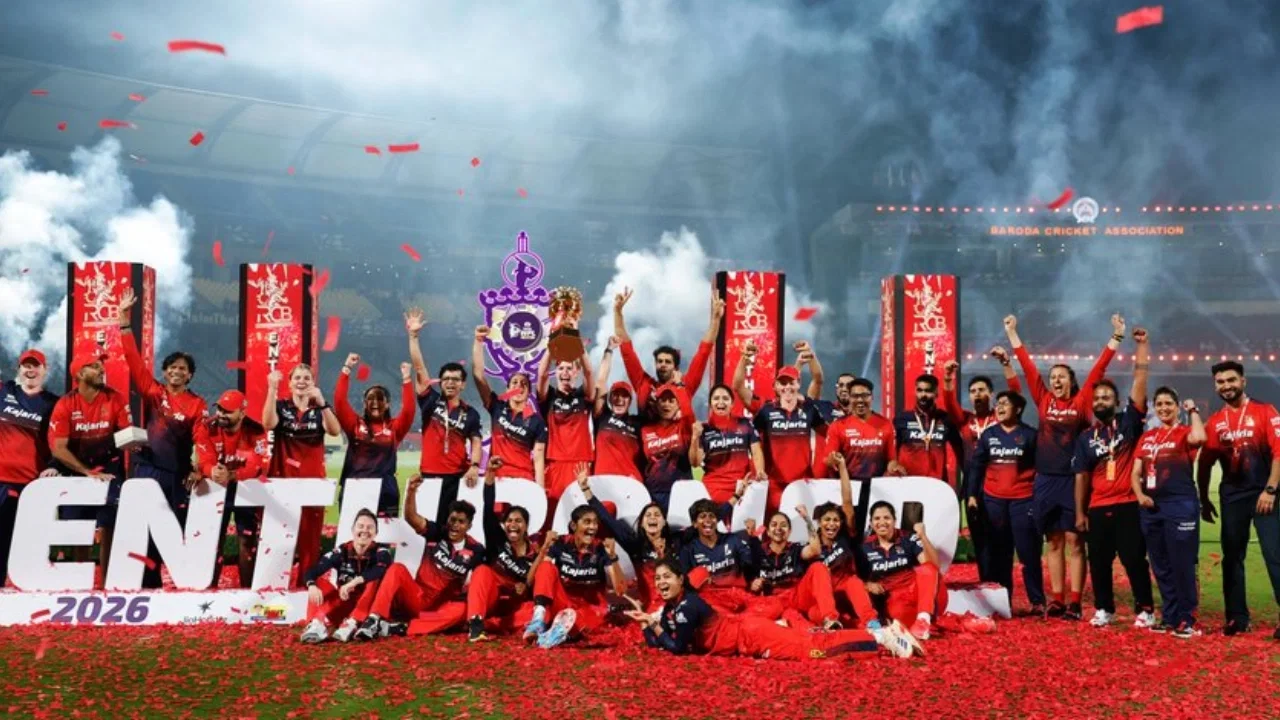
Waqar Younis picks only one Pakistani in combined IND-PAK dream team; snubs Inzamam-ul-Haq, Babar Azam
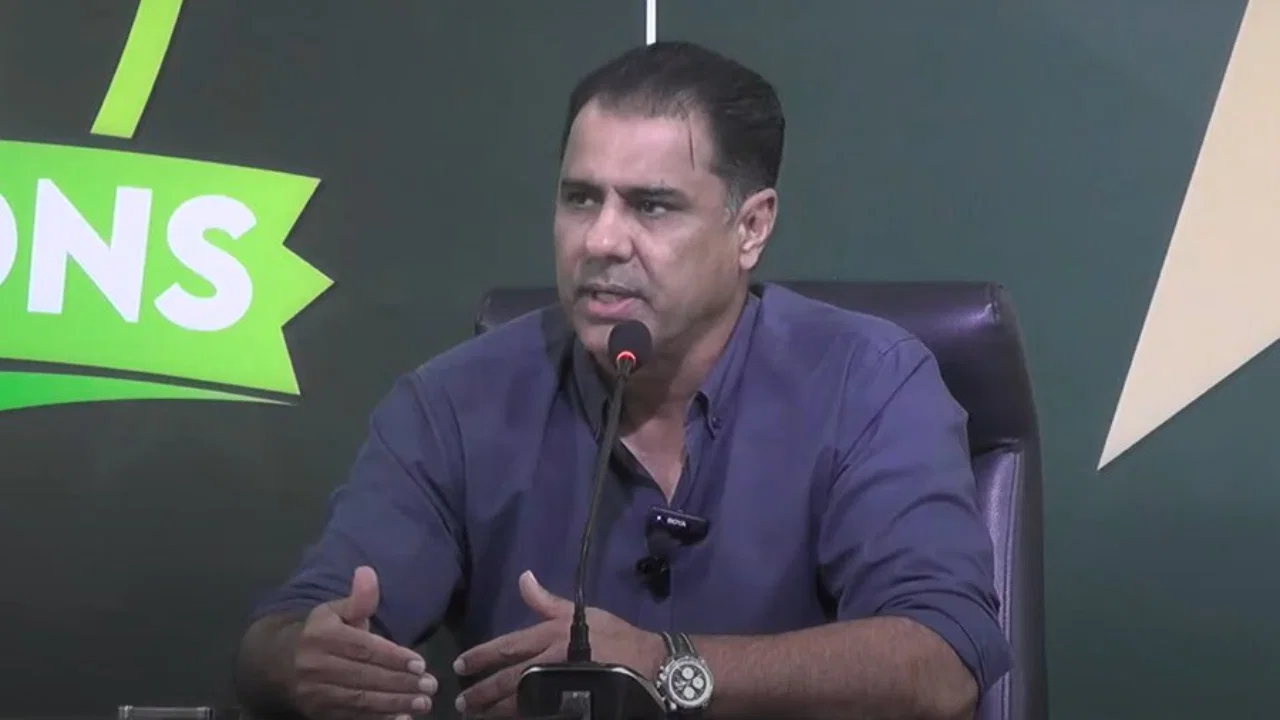
Waqar Younis’ India-Pakistan Dream XI: Sachin Tendulkar, Virat Kohli and Jasprit Bumrah Make the Cut
Former Pakistan fast-bowling great Waqar Younis has sparked conversation among cricket fans after choosing Indian legends over many of Pakistan’s most celebrated players in a rapid-fire comparison of the two countries’ stars. Asked to assemble a hypothetical India-Pakistan dream team, Waqar selected just one Pakistani player in the matchups—opener Saeed Anwar—while backing Indian names from several generations.
The choices came during an appearance on the Shubhankar Mishra podcast. Waqar’s selections were not a formal all-time XI, but a series of head-to-head picks that placed players with different roles, eras and records side by side. The exercise offered a lively snapshot of how one of Pakistan’s most accomplished cricketers assesses the talent on the other side of one of sport’s fiercest rivalries.
Waqar’s Rapid-Fire Picks Favour Indian Greats
In the batting comparisons, Waqar chose Sachin Tendulkar over Inzamam-ul-Haq, Virat Kohli over Babar Azam and MS Dhoni over Javed Miandad. He also selected Rahul Dravid ahead of Younis Khan and VVS Laxman over Misbah-ul-Haq. Each pairing brought together players known for distinct strengths, from Tendulkar’s range and longevity to Dravid’s patience and Kohli’s pursuit of consistency across formats.
Waqar continued to favour India in several other matchups, selecting Rohit Sharma over Fakhar Zaman, Jasprit Bumrah over Shaheen Afridi and Mohammed Shami over Mohammed Amir. His sole Pakistan pick was Saeed Anwar, whom he preferred to India’s explosive opener Virender Sehwag.
These choices are best understood as personal judgments rather than definitive rankings. Comparing players across generations is difficult: conditions, equipment, playing schedules and the balance between formats have all changed. Still, Waqar’s selections are likely to fuel familiar cricket debates about how the leading Indian and Pakistani players would fare against one another at their peak.
A Cautious Call on Two Young Prospects
Waqar was also asked to compare India’s 15-year-old batting prospect Vaibhav Sooryavanshi with Pakistan’s 20-year-old Sameer Minhas. Rather than making a prediction on which youngster had the brighter future, he declined to choose, explaining that he had not watched enough of either player to offer a fair assessment.
That response stood out amid the quick-fire format. Young players can attract immediate attention, but judging long-term potential requires more than a few promising performances. Form, opportunity, fitness and the ability to adapt to higher levels of competition all shape a prospect’s development. Waqar’s reluctance to make a firm call reflected the limits of assessing emerging talent from a distance.
Waqar Younis Praises Bumrah’s White-Ball Impact
Among the selections, the choice of Bumrah over Shaheen Afridi drew particular interest. Waqar praised Bumrah’s influence in one-day and T20 cricket, especially his ability to deliver in high-pressure moments, while distinguishing that record from his assessment of the fast bowler’s Test career.
“There’s no modern-day bowler of the same calibre as Bumrah with the white ball. Leave out Test cricket. He still has a lot to prove in Tests; he hasn’t played as much,” Waqar said on the podcast. He also pointed to the depth of fast-bowling talent in Test cricket, naming Australia’s Mitchell Starc and Josh Hazlewood, along with English bowlers, as players who should not be overlooked.
Waqar’s central point was about format and experience, not a dismissal of Bumrah’s ability. He described the Indian quick as a bowler who consistently makes an impact in limited-overs cricket, where a single spell at a decisive stage can change a match. That reputation has been built on his control, unusual action and ability to execute yorkers and slower deliveries when batters are looking to accelerate.
Bumrah’s Test Record Adds Context to the Debate
Bumrah’s Test numbers provide a substantial counterpoint to the suggestion that he still has more to establish in the format. He has taken 234 wickets in 52 Tests, averaging 19.7 runs per wicket with a strike rate of 42.8. He has also claimed 51 wickets in 11 Tests in England, a notable return in conditions that often reward disciplined seam bowling.
His career milestones arrived quickly. In 2018, Bumrah became the fastest Indian fast bowler to reach 50 Test wickets, doing so in his 11th match. He went on to take 100 wickets in 24 Tests and became only the third Indian bowler to claim a Test hat-trick, achieving the feat in 2019.
Bumrah’s achievements have continued to strengthen his standing. He received the ICC Men’s Test Cricketer of the Year award for 2024 and finished the 2024–25 Border-Gavaskar Trophy with 32 wickets across five Tests. Those performances underline why assessments of his red-ball career can differ: his record is already exceptional, while his workload and number of appearances remain lower than those of some long-serving Test specialists.
Why the India-Pakistan Comparisons Keep Fans Talking
India-Pakistan cricket discussions carry an intensity that few sporting rivalries can match. A comparison between Tendulkar and Inzamam, Kohli and Babar, or Bumrah and Shaheen is not simply about statistics. Fans also weigh leadership, match-winning performances, playing conditions and the pressure attached to representing their country in marquee contests.
Waqar himself experienced that rivalry from the middle of the action. Across a distinguished international career, the right-arm fast bowler took 373 wickets in 87 Test matches and 416 in 262 one-day internationals. He also claimed 45 wickets in 30 international matches against India, giving his perspective particular resonance for supporters who follow the contest closely.
The podcast discussion arrives amid a busy period in international cricket. The supplied update also noted that Shreyas Iyer’s side had moved into an unassailable 3–0 lead in a five-match T20I series, with two ODIs and a five-Test series still part of the tour. Pakistan, meanwhile, had secured a place in the final of a home ODI tri-series after three consecutive wins and was set to face Sri Lanka.
Waqar’s selections may not settle the debate over an all-time India-Pakistan team, but they have given fans plenty to discuss. His praise for Bumrah’s white-ball impact, his preference for several Indian batting greats and his decision to reserve judgment on two young prospects all point to the same theme: cricket comparisons are most compelling when they leave room for context, evidence and debate.
Latest News
England stars get ECB approval to prioritize IPL over Pakistan series
Steve Smith injury update: Australia batter targets New Zealand Test series
Watch: Smriti Mandhana’s clever move to avoid Harmanpreet Kaur handshake

Watch: Josh Hazlewood’s ‘caught in 4K’ moment with female fan during SA-AUS Test
Shubman Gill joins India’s T20I squad in Auckland before 4th NZ match
Andrew McDonald in talks for Australia head coach contract extension
Waqar Younis picks only one Pakistani in combined IND-PAK dream team; snubs Inzamam-ul-Haq, Babar Azam
Mumbai Indians lead as every IPL team crosses $1.5 billion valuation

New Zealand suffer another injury blow! Lockie Ferguson ruled out of India T20Is
Babar Azam’s family issues made public and linked to poor form
Yuzvendra Chahal set to make India comeback: Report

R Ashwin names Bhuvneshwar Kumar’s replacement for 4th T20I vs New Zealand
Ajinkya Rahane hails Team India’s move to send Vaibhav Sooryavanshi back as opener
Jos Buttler provides injury update, reveals when he could return to action