Steve Smith injury update: Australia batter targets New Zealand Test series
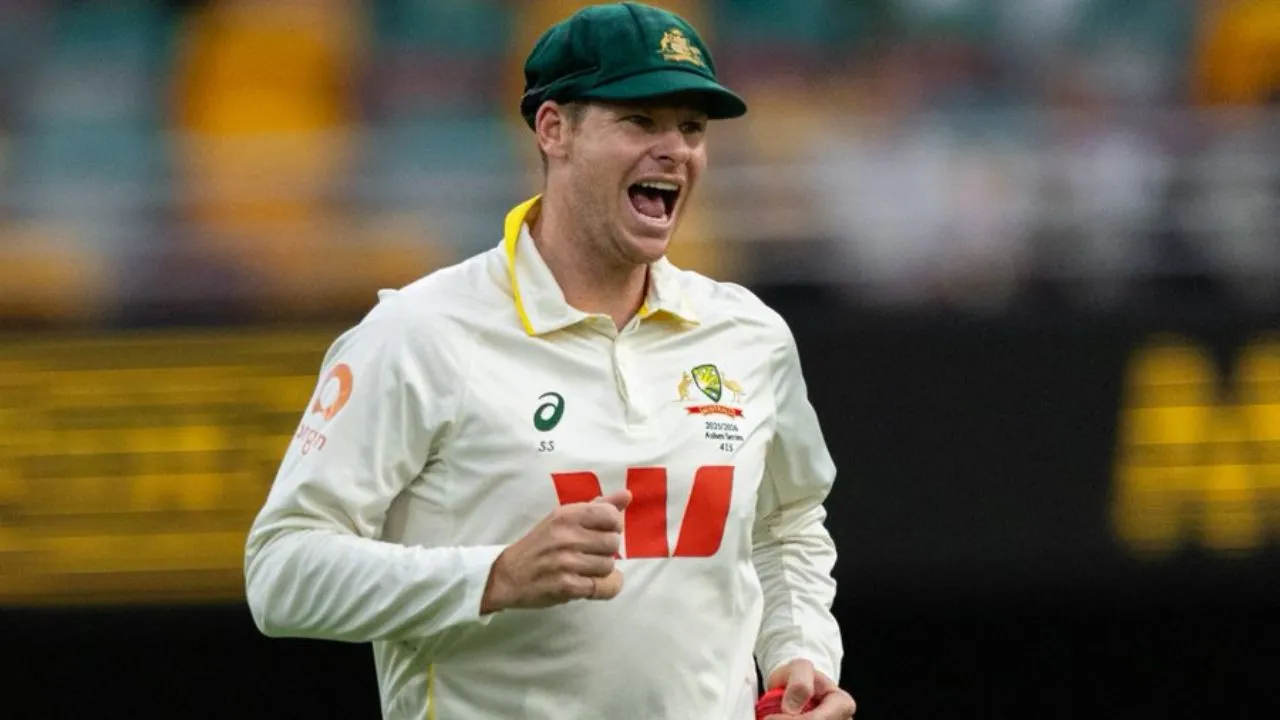
Steve Smith Ruled Out of Newlands Test After Neck Injury, but Australia’s Batting Order Finds a New Gear
Australia were forced into a late batting reshuffle for the decisive Test against South Africa at Newlands after scans confirmed that Steve Smith had suffered a cervical facet joint injury in his neck. The experienced batter was ruled unfit to play, with Cricket Australia saying he would continue treatment and rehabilitation ahead of the home Test series against New Zealand.
Smith’s absence was a significant blow to Australia, particularly in a series decider, but the change also created an opportunity for Cameron Green and Josh Inglis to make their mark. Green moved up to No. 4, while Inglis entered the XI at No. 5. Both responded with important contributions, helping Australia recover from early setbacks and build substantial partnerships.
MRI Confirms Steve Smith’s Cervical Facet Joint Injury
Smith first reported neck pain on the fourth day of the second Test in Gqeberha. The discomfort affected his batting: he struggled in the first innings and moved down to No. 7 for Australia’s second innings. After the team travelled to Cape Town, an MRI scan confirmed an injury to a cervical facet joint, one of the small joints that help support movement and stability in the neck.
Australia’s medical staff assessed Smith in the days before the Newlands Test. Captain Pat Cummins and head coach Andrew McDonald had initially sounded hopeful that he could recover in time, but Smith continued to experience pain and restricted movement during training. He cut short an extended net session on Sunday, then withdrew after a brief practice hit the following morning while wearing a neck bandage.
Cricket Australia said Smith’s symptoms and limited range of motion meant he was not fit to take part in the match. The organisation confirmed that he would receive ongoing care, with a full return to availability expected for the upcoming home series against New Zealand.
Recovery Timeline and Possible Return to Match Practice
Smith has approximately six weeks to recover before Australia’s New Zealand series begins in Perth on December 9. His rehabilitation will be guided by how the injury responds to treatment and whether he can regain comfortable neck movement without risking a setback.
A Sheffield Shield appearance for New South Wales could provide a useful opportunity to rebuild match fitness before the international series. The state side has fixtures scheduled against South Australia on November 11 and Queensland on November 22, both in Sydney. Whether Smith features will depend on medical advice and his progress in training; the dates offer possibilities rather than a confirmed return plan.
For Australia, the priority is likely to be ensuring that one of their most experienced batters is fully fit before he resumes international cricket. A neck injury can affect a batter’s ability to track the ball, move into position and respond quickly to deliveries, making a cautious recovery especially important.
Cameron Green and Josh Inglis Deliver Under Pressure
Smith’s late withdrawal required Australia to adjust their batting order at short notice. Green was promoted to No. 4, and Inglis was brought into the side at No. 5. The reshuffle came with both players managing recent injury concerns of their own: Green had sustained an abdominal muscle tear while batting in Potchefstroom, while Inglis had hurt his right index finger after being struck on the gloves by a Mitchell Starc delivery during an ODI in Durban.
Despite those challenges, Green and Inglis provided the stability Australia needed. Green scored 65 and shared a 126-run third-wicket partnership with Matt Renshaw. After that stand helped steady the innings, Inglis continued the recovery alongside Alex Carey, reaching the second day unbeaten on 85 from 111 deliveries. Their partnership was worth 145 runs.
The performances were especially notable given the circumstances. Australia had selected a top order without Smith only for the third time in their previous 64 Tests, and the visitors had already lost two wickets. Rather than allowing the early damage to dictate the innings, Green and Inglis helped turn the pressure back on South Africa.
Inglis Counters South Africa’s Spin Strategy
Inglis’s innings was not simply a matter of surviving until the pace bowlers returned. He handled South Africa’s spin attack with confidence, including a prolonged contest against Simon Harmer. Inglis faced 79 deliveries from Harmer before the second new ball became available, showing patience while still looking for scoring opportunities.
His record against spin in recent first-class cricket offers context for that display. Over the previous three years, Inglis had averaged 73.50 against spin, a statistic that helps explain why he was able to remain composed as South Africa tried to apply pressure through Harmer.
South Africa captain Temba Bavuma initially held back fast bowler Marco Jansen, apparently keeping him fresh for the second new ball. Inglis took advantage of the change in conditions, scoring 35 runs from as many deliveries against the new ball. Bavuma returned to Harmer seven overs later, but by then Australia’s partnership had further strengthened the visitors’ position.
Partnerships Give Australia a Platform in the Decider
The stands involving Green, Renshaw, Inglis and Carey were important not only for their size but also for their timing. Australia had lost early wickets, and Smith’s absence had left the batting order without its usual anchor. Two partnerships of more than 100 runs in the same innings offered the side a way to rebuild without becoming overly defensive.
It was only the third time in Australia’s previous 31 Tests that they had recorded multiple century-plus partnerships in one innings. The milestone underlined how effectively the reshaped middle order responded to a difficult situation at Newlands.
Smith’s injury remains a major concern for Australia, and his experience is difficult to replace in a high-stakes match. Still, Green’s composed half-century and Inglis’s fluent unbeaten innings gave the team valuable depth. Renshaw and Carey also played key roles in the recovery, demonstrating how a collective response can soften the impact of losing a senior player.
What Smith’s Absence Could Mean for Australia
Any prediction about Smith’s return should remain cautious until his rehabilitation is complete. The six-week window before the New Zealand series gives him time to recover, but his availability will depend on pain levels, mobility and medical clearance. A Sheffield Shield match could help assess his readiness, though Australia may prefer not to rush him into competitive cricket.
In the meantime, the Newlands Test has offered Australia a valuable look at alternative batting combinations. Green’s ability to move up the order and Inglis’s composure against spin provide options for future selection discussions. Their contributions do not diminish Smith’s importance, but they do show that Australia can draw on more than one source of resilience when plans change unexpectedly.
Latest News
England stars get ECB approval to prioritize IPL over Pakistan series
Steve Smith injury update: Australia batter targets New Zealand Test series
Watch: Smriti Mandhana’s clever move to avoid Harmanpreet Kaur handshake
Watch: Josh Hazlewood’s ‘caught in 4K’ moment with female fan during SA-AUS Test
Shubman Gill joins India’s T20I squad in Auckland before 4th NZ match
Andrew McDonald in talks for Australia head coach contract extension
Waqar Younis picks only one Pakistani in combined IND-PAK dream team; snubs Inzamam-ul-Haq, Babar Azam
Mumbai Indians lead as every IPL team crosses $1.5 billion valuation
New Zealand suffer another injury blow! Lockie Ferguson ruled out of India T20Is
Babar Azam’s family issues made public and linked to poor form
Yuzvendra Chahal set to make India comeback: Report
R Ashwin names Bhuvneshwar Kumar’s replacement for 4th T20I vs New Zealand
Ajinkya Rahane hails Team India’s move to send Vaibhav Sooryavanshi back as opener
Jos Buttler provides injury update, reveals when he could return to action