

3 punishments Pat Cummins could face following Cameron Bancroft’s fresh Sandpapergate revelations
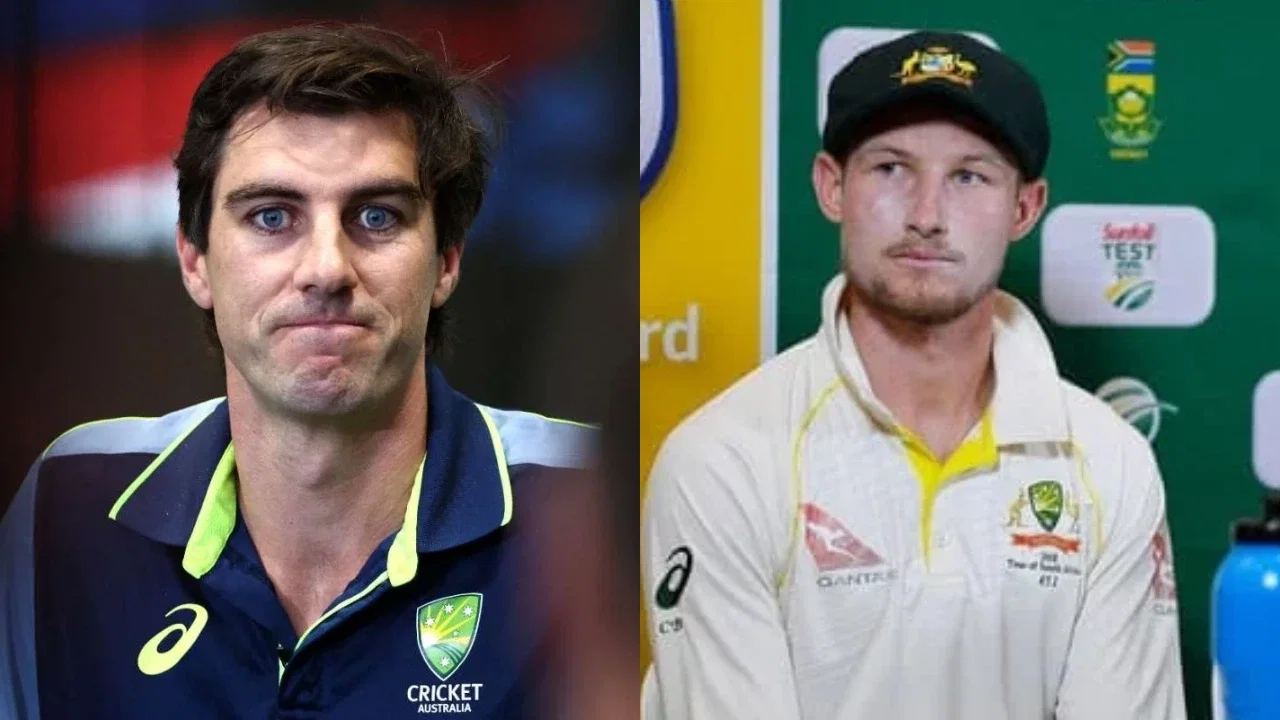
Pat Cummins and the 2018 Ball-Tampering Scandal: What Cameron Bancroft’s New Claims Could Mean
Fresh allegations from former Australia Test opener Cameron Bancroft have brought the 2018 ball-tampering scandal back into the spotlight, raising questions about what senior players and team officials knew during the controversial tour of South Africa. The claims have also prompted renewed discussion about the possible consequences for Pat Cummins, Australia’s Test captain and one of the most prominent figures in the national team.
In a lengthy column published by The West Australian on November 18, Bancroft said knowledge of the plan to alter the ball extended beyond the three players originally punished. He alleged that the wider team and coaching staff—including bowlers—were aware of the tactic. Those claims have not been independently established, and they do not amount to a finding of wrongdoing by Cummins or any other player.
The renewed attention comes as Cricket Australia chief executive Todd Greenberg has described a newly announced independent forum as an opportunity for people involved to speak. Greenberg has also said the forum will not reopen the original investigation or impose retrospective sanctions. That distinction is important: the process may allow further accounts to emerge, but it is not currently presented as a fresh disciplinary inquiry.
What Bancroft Has Alleged
Bancroft was the player caught on camera using sandpaper to alter the ball during the third Test against South Africa in Cape Town in 2018. Steve Smith, then Australia’s captain, and vice-captain David Warner were also disciplined. Smith and Warner received 12-month bans from international and domestic cricket, while Bancroft was suspended for nine months.
In his recent column, Bancroft said the incident was not known only to himself, Smith and Warner. He wrote that “the whole team” knew about the use of sandpaper and acknowledged that he had not given Cricket Australia a complete and truthful account during the initial investigation. Bancroft said he had withheld information to protect teammates and coaches.
He also alleged that Australia’s bowlers regularly discussed whether the ball was beginning to reverse swing, recalling questions such as, “Is it going yet? It’s not going yet, it needs more.” The bowlers he named included Cummins, Mitchell Starc, Josh Hazlewood and Nathan Lyon. Bancroft further alleged that former bowling coach David Saker encouraged the tactic. These are claims made by Bancroft, not conclusions reached by an official review.
Usman Khawaja has also revisited the controversy in his autobiography, Sabr, adding another personal account to the public discussion. The appearance of new recollections years after the event has renewed interest in how the team’s leadership, dressing-room culture and original investigation were handled.
Could Cummins Lose the Australia Captaincy?
One possible consequence discussed in the wake of Bancroft’s claims is pressure on Cummins’ leadership roles. He became Australia’s Test captain in 2021, with his reputation for calm leadership and integrity helping the team move forward after the Cape Town scandal. Any credible evidence that he knew about the plan—or misled investigators or the public afterward—could put that reputation under scrutiny.
Cricket Australia removed Smith as captain after the 2018 incident, reflecting the board’s view that a national captain carries responsibility for team standards and conduct. If an independent process were to establish that Cummins had a significant role or had failed to meet those expectations, the board could face calls to review his position. Possible outcomes might include a request to step aside or a decision by Cricket Australia to change the leadership structure.
However, no such finding has been announced, and Bancroft’s allegations alone do not establish that Cummins was involved. Any decision about the captaincy would depend on evidence, the scope of the forum and Cricket Australia’s assessment of its responsibilities. The timing would also matter, with the board needing to weigh accountability against the practical demands of upcoming Test and one-day international commitments.
Could His Central Contract Be at Risk?
Another question concerns Cummins’ Cricket Australia contract. National players are expected to meet standards relating to conduct, cooperation with integrity processes and the reputation of Australian cricket. If an investigation were to establish that a contracted player knowingly concealed relevant information or breached those obligations, Cricket Australia could consider disciplinary action under its rules.
In a serious case, that could potentially include changes to a central contract. Losing a retainer would have financial consequences beyond salary, potentially affecting a player’s commercial profile and future opportunities. Cummins’ international standing and his value to domestic and global T20 competitions would remain relevant, but contract status is ultimately a matter for Cricket Australia and the terms that apply.
At present, there is no announced decision to terminate Cummins’ contract, and no finding that he breached its conditions. It is therefore more accurate to describe contract termination as a possible scenario only if substantiated evidence and the applicable rules support such action.
Could There Be a New Cricket Ban?
The most severe outcome raised in public discussion is a suspension from cricket. The original sanctions were imposed on Smith, Warner and Bancroft, while other members of the touring squad were not banned. Bancroft’s new account has led some observers to ask whether accountability could extend beyond those three players.
Any additional ban would require more than public speculation. Cricket Australia would need to establish both what an individual knew or did and whether that conduct violated the rules in force or the standards applicable to the case. The board has said the new forum will not reopen the original investigation or impose retrospective penalties, making an immediate repeat of the 2018 sanctions process far from certain.
A suspension would carry major sporting consequences, potentially ruling a player out of international fixtures and disrupting a carefully managed career. For a fast bowler such as Cummins, time away from top-level cricket could also affect workload planning and preparation. But without a formal investigation and substantiated findings, a ban remains a hypothetical prediction rather than an expected outcome.
What Happens Next?
The central issue is whether the new forum will produce additional testimony or evidence that changes public understanding of the Cape Town incident. Greenberg’s comments suggest the process is intended to give people a platform to speak, not to conduct a second disciplinary trial. That may help explain why the forum could generate debate without necessarily leading to formal punishment.
For Australian cricket, the controversy is about more than individual careers. It raises broader questions about team culture, the responsibilities of senior players and how an organization should respond when new accounts challenge an earlier investigation. Cricket Australia will need to balance transparency with fairness, particularly when allegations involve identifiable players who have not been found responsible.
For now, Cummins remains Australia’s captain, and no sanction against him has been announced. The most responsible prediction is that the immediate impact will be renewed scrutiny rather than automatic disciplinary action. Any change to his captaincy, contract or playing status would depend on what the independent forum can establish—and whether Cricket Australia decides that its remit allows further action.
Latest News

SA vs BAN Playing 11 Today, Live Streaming, Pitch & Weather: South Africa tour of Bangladesh 2026, 2nd Test

AUS vs ENG Playing 11 Today, Live Streaming, Pitch & Weather: England tour of Australia 2026, 2nd T20I

Blair Tickner ruled out of 2nd Test vs India, replacement named

Tim Paine and Justin Langer face fresh questions over Australia’s ball-tampering scandal

India tour of Bangladesh gets fresh hope as BCB confirms talks with BCCI

Tom Latham opens up on soft ball problem and saliva ban after draw against India

Ajinkya Rahane slams Tilak Varma for publicly criticising Shahbaz Ahmed after India A’s defeat

ICC to introduce IPL-style bat checks in international cricket

“Smiling Laughing doesn’t happen”: R Ashwin’s dig at India’s approach after draw vs New Zealand

“Not good enough for Test cricket”: Scott Styris, Sunil Gavaskar slam Wellington pitch

Dodda Ganesh declares India ‘out of WTC final race’ after Wellington Test draw

Ajinkya Rahane criticises Shubman Gill for abusing Akash Deep in 1st Test vs New Zealand

‘Why so many boundary riders?’ Dinesh Karthik questions Shubman Gill’s captaincy after Wellington Test

“I just want to enjoy my life”: Yash Dayal reflects on his return to cricket


