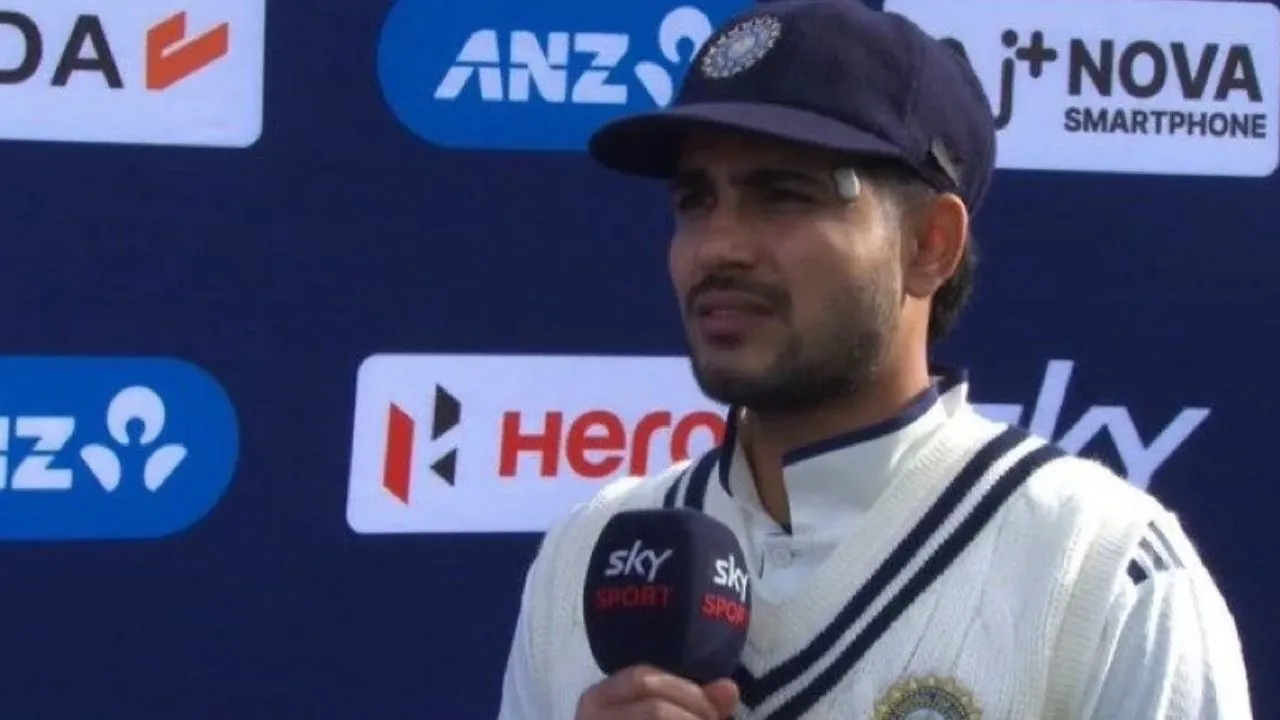
“Conversation was about…”: Glenn Phillips reveals New Zealand’s Day 5 plan that helped secure draw vs India

Glenn Phillips Reveals the Plan Behind New Zealand’s Day Five Resistance Against India
Glenn Phillips said survival, not scoring, dominated his thinking before New Zealand’s final day against India at the Basin Reserve in Wellington. The all-rounder and Daryl Mitchell spent hours defending their wickets, helping the hosts secure a hard-fought draw in the first Test and keep the two-match series level at 0-0.
Phillips later explained that nearly all his pre-match conversation focused on building a practical game plan for a demanding day at the crease. With India holding a substantial lead and plenty of time to bowl New Zealand out, the home side knew its batters would need patience, discipline and careful judgement.
Phillips’ Prediction: Low Bounce Would Be the Key Challenge
New Zealand had made 368 in their first innings before India declared at 720/9, establishing a lead of 352 runs. The visitors then needed five wickets on the final day to win. For Phillips, preparing for the pitch’s unpredictable bounce was central to his prediction of where the greatest danger would come from.
“99% of the conversation was pretty much trying to sort the game plan out that I had for the day,” Phillips said after the match. He knew New Zealand would have to defend for a long time and wanted to understand which shots were safe, how to get into a balanced position and when to resist the temptation to score.
Phillips specifically highlighted deliveries that stayed low as a potential problem. On a surface where the ball could behave differently from one delivery to the next, a batter’s footwork and position at impact became especially important. Rather than relying on instinct alone, he focused on being ready for the ball that did not bounce as expected.
That approach reflected the broader demands of a fifth-day Test rescue. Batters must manage not only the bowlers but also fatigue, changing conditions and the pressure of knowing that one mistake could shift the match. Phillips’ plan was to make each defensive decision deliberately and extend the game for as long as possible.
A Serious Expression, but a Clear Mind
Phillips also joked about the expression he wore during the morning session. Teammate Rob had teased him for looking grumpy, although Phillips said he had not felt unhappy or tense at the time. A photograph shared by ACC later gave him a different impression.
“Maybe when I’m focused I just look mad,” he said with a laugh. The light-hearted remark offered a glimpse of the concentration required during the long stand. Phillips may have appeared stern, but his attention was fixed on the task: supporting Mitchell and helping New Zealand bat out the day.
India Strike, but New Zealand Hold Firm
New Zealand began the final day with Devon Conway and Rachin Ravindra at the crease after the pair had put on 72 runs for the third wicket. They initially handled the pace of Jasprit Bumrah and Anshul Kamboj, but India found opportunities as the conditions offered some assistance under overcast skies and a breeze.
Washington Sundar broke through in the 56th over. Conway moved forward to defend, but the ball bounced more than he anticipated and took an inside edge. Wicketkeeper Rishabh Pant reacted sharply to complete a diving catch, ending Conway’s resistance.
Prasidh Krishna removed Ravindra four overs later for 37 from 129 deliveries, giving India another opening. Kamboj then dismissed Tom Blundell for 15 from 54 balls in the penultimate session, with the new ball approaching and the pressure mounting on New Zealand’s lower order.
At that point, the match appeared poised for a tense finish. India needed only a few more wickets, while New Zealand still had to navigate a long stretch of hostile bowling. Mitchell and Phillips responded by narrowing their focus to the next delivery rather than the size of the remaining task.
Mitchell and Phillips Bat Out 258 Deliveries
The pair added an unbeaten 63 runs for the sixth wicket, but the partnership’s value lay as much in the time it consumed as in the runs it produced. Mitchell finished on 49 not out from 186 balls, while Phillips remained unbeaten on 26 from 126 deliveries. Together, they faced 258 balls and denied India the breakthrough required for victory.
India did create chances. Akash Deep missed a straightforward run-out opportunity involving Mitchell, a moment that could have altered the closing stages. As the overs passed, India also tried alternative options, with Yashasvi Jaiswal and Dhruv Jurel brought on to bowl late in the day.
New Zealand scored 120 runs across 75 overs on the final day, including just 33 runs in 24 overs during the third session. With more than 15 overs still available but little sign of a decisive breakthrough, India captain Shubman Gill shook hands with the batters to confirm the draw.
A Draw Built on Patience and Preparation
The result left the series level at 0-0, but New Zealand’s final-day performance offered a clear example of how preparation can shape a Test match under pressure. Phillips’ focus on shot selection, strong positions and the possibility of low bounce helped him settle into a role that demanded restraint rather than aggression.
For India, the match showed how difficult it can be to force a result when a pair of batters commit to defending for the long term. For New Zealand, Mitchell and Phillips turned a challenging position into a valuable draw through concentration and time at the crease. Their partnership did not depend on dramatic strokeplay; it depended on repeatedly making the next ball difficult to get past them.
Latest News

“Not good enough for Test cricket”: Scott Styris, Sunil Gavaskar slam Wellington pitch

Dodda Ganesh declares India ‘out of WTC final race’ after Wellington Test draw

Ajinkya Rahane criticises Shubman Gill for abusing Akash Deep in 1st Test vs New Zealand

‘Why so many boundary riders?’ Dinesh Karthik questions Shubman Gill’s captaincy after Wellington Test

“I just want to enjoy my life”: Yash Dayal reflects on his return to cricket
“Conversation was about…”: Glenn Phillips reveals New Zealand’s Day 5 plan that helped secure draw vs India
Saba Karim takes aim at Washington Sundar’s selection after India’s Wellington Test draw

“Please focus on the sport”: Navjot Singh Sidhu urges India and Pakistan to resume bilateral cricket ties
Prithvi Shaw threatens legal action against Yograj Singh over personal remarks
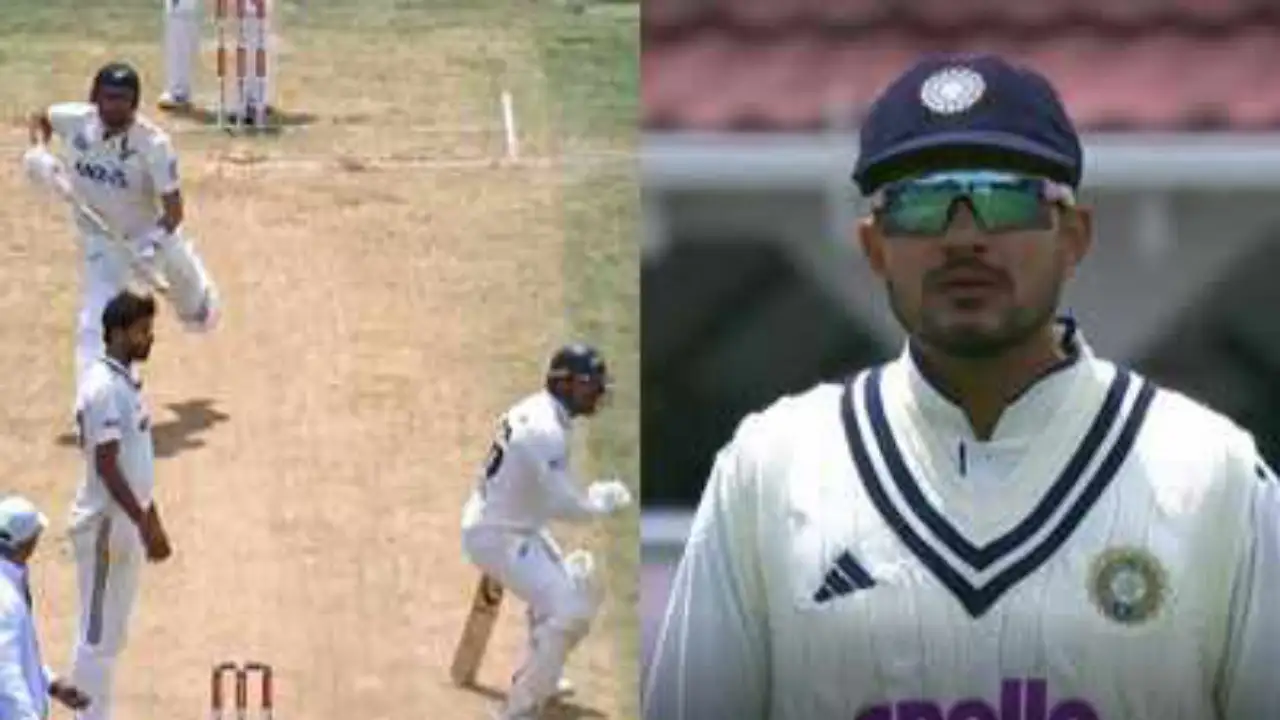
Watch: Shubman Gill’s angry reaction goes viral after Akash Deep’s run-out miss
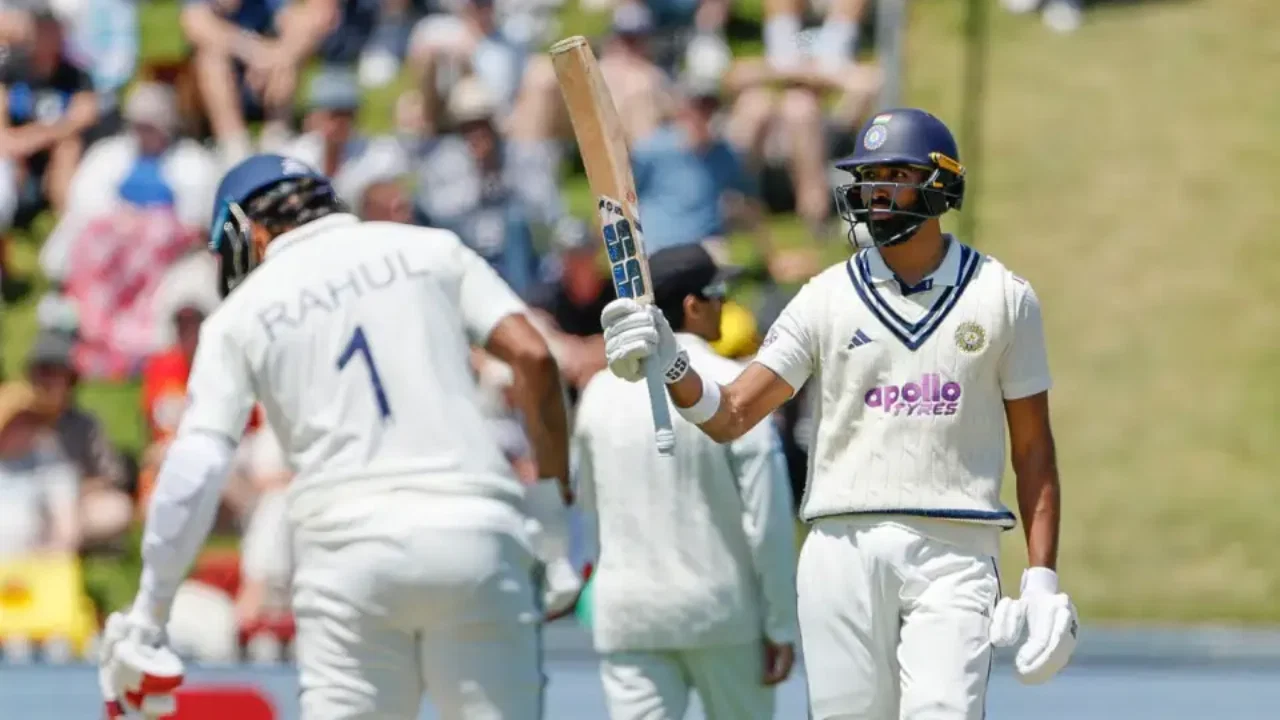
India’s WTC Final qualification scenario after 1st Test draw vs New Zealand
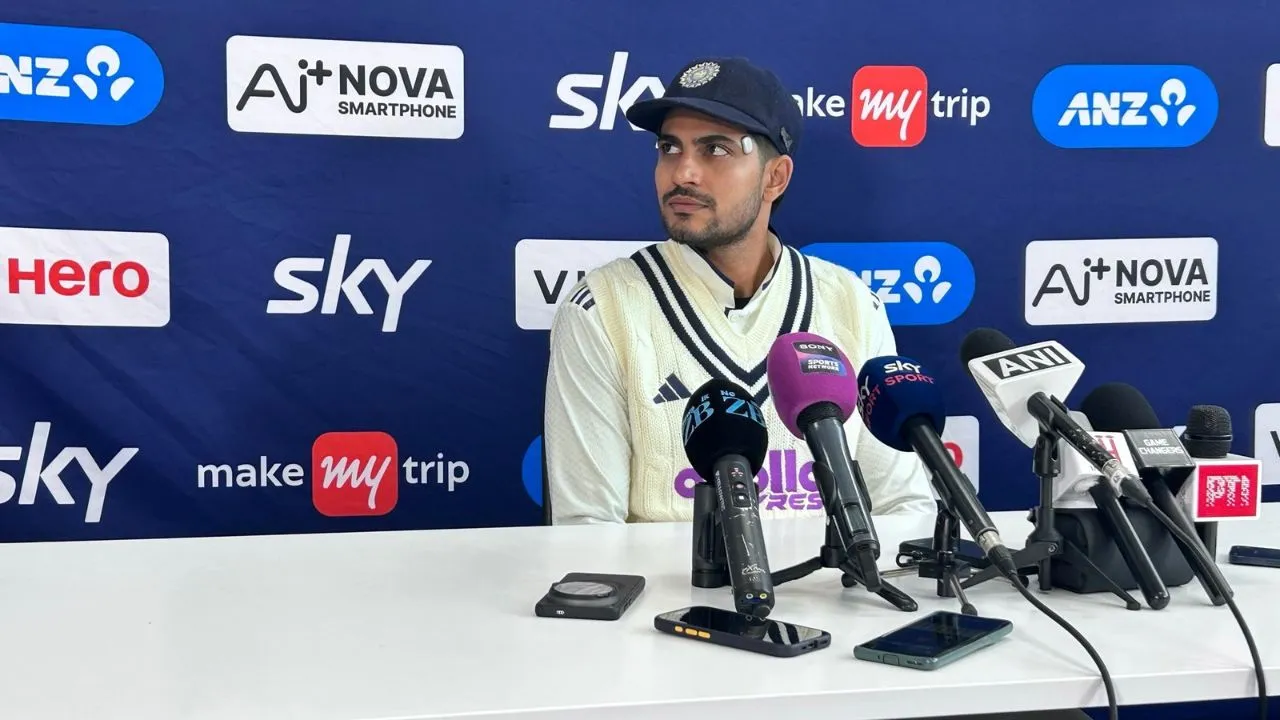
Shubman Gill takes dig at ball manufacturer, questions ICC’s saliva ban after Wellington draw
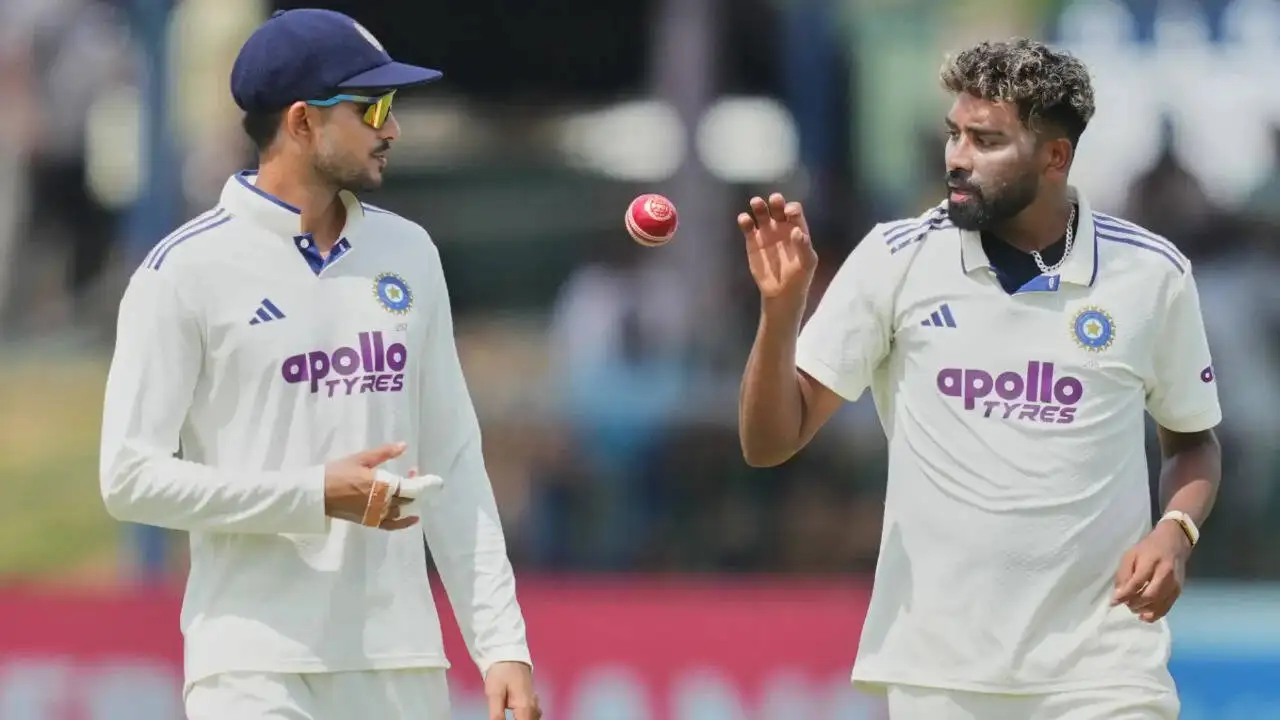
“We picked on current form”: Shubman Gill justifies Mohammed Siraj’s exclusion after Wellington draw
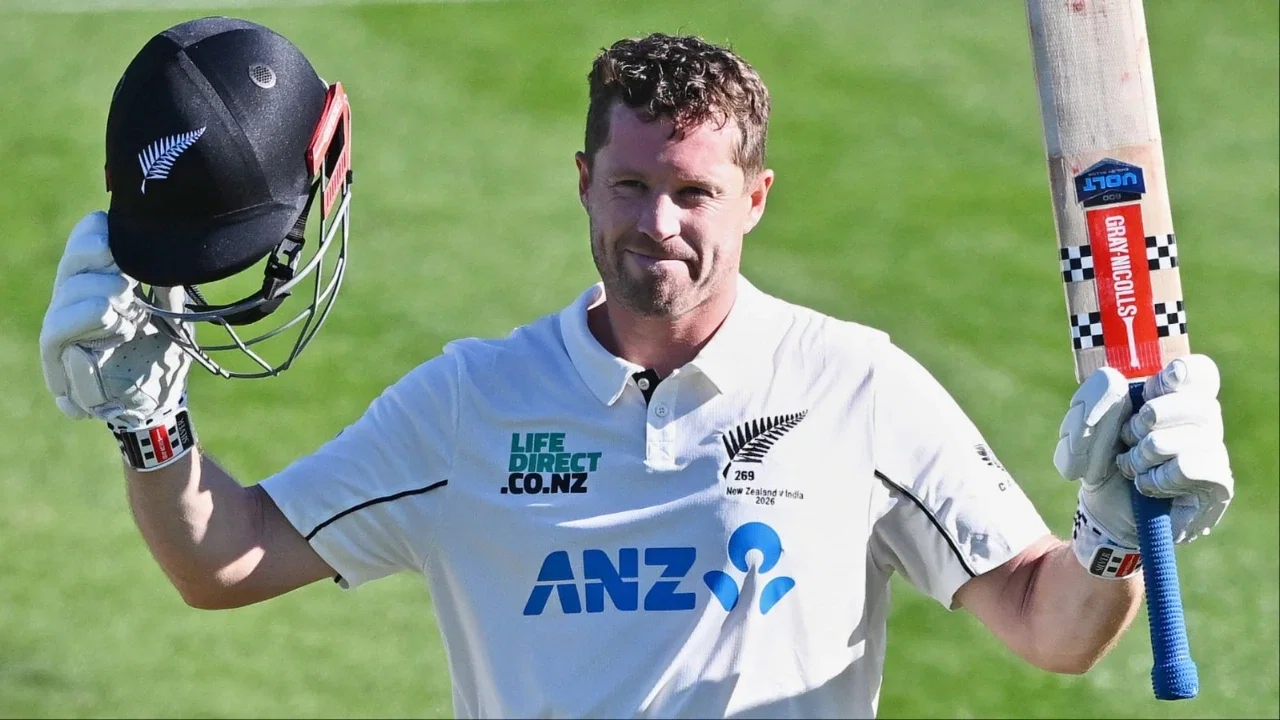
“A pleasing result”: Henry Nicholls reflects on New Zealand’s fightback after 70/5 in 1st Test vs India