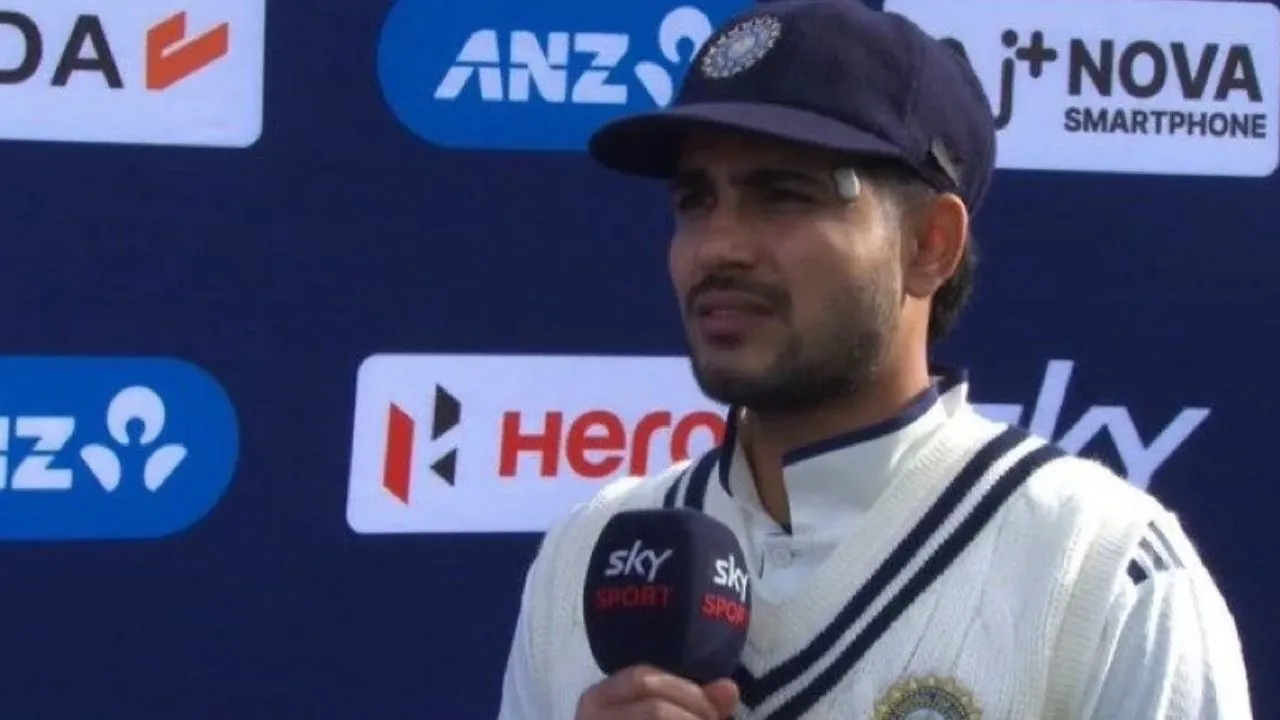
Ajinkya Rahane criticises Shubman Gill for abusing Akash Deep in 1st Test vs New Zealand

Ajinkya Rahane Says Shubman Gill’s Reaction May Have Hurt Akash Deep’s Confidence
India’s drawn first Test against New Zealand in Wellington offered plenty of talking points, from the visitors’ commanding first-innings total to the home side’s determined final-day resistance. But one tense moment involving captain Shubman Gill and fast bowler Akash Deep has prompted former India batter Ajinkya Rahane to reflect on the importance of supporting teammates under pressure.
Rahane suggested that Gill’s visible frustration after a missed run-out opportunity may have affected Akash Deep’s confidence. The incident came during a crucial period on Day 5, when India were searching for the wickets needed to turn a likely draw into a victory. While a captain’s intensity can be part of the game, Rahane argued that encouragement is especially important when a player is already disappointed by a mistake.
New Zealand’s Late Partnership Denies India a Win
India entered the final day with a strong position after scoring 720 for nine in their first innings, responding to New Zealand’s 368. The visitors needed eight wickets on Day 5 to secure a result, while New Zealand’s priority was to survive the remaining overs and protect a draw.
That task became increasingly difficult for India once Daryl Mitchell and Glenn Phillips settled into a determined sixth-wicket partnership. The pair absorbed pressure, defended carefully and limited the opportunities available to the Indian bowlers. Their resistance steadily shifted the momentum away from Gill’s side and made the prospect of a late breakthrough harder to achieve.
Mitchell finished unbeaten on 49 from 186 deliveries, while Phillips remained not out on 26 from 126 balls. Their long stay at the crease was central to New Zealand’s survival. Although India tried different bowling options and field placements, the batters’ patience ensured that the hosts reached the end of the match without losing the wickets India needed.
Akash Deep’s Missed Run-Out Chance
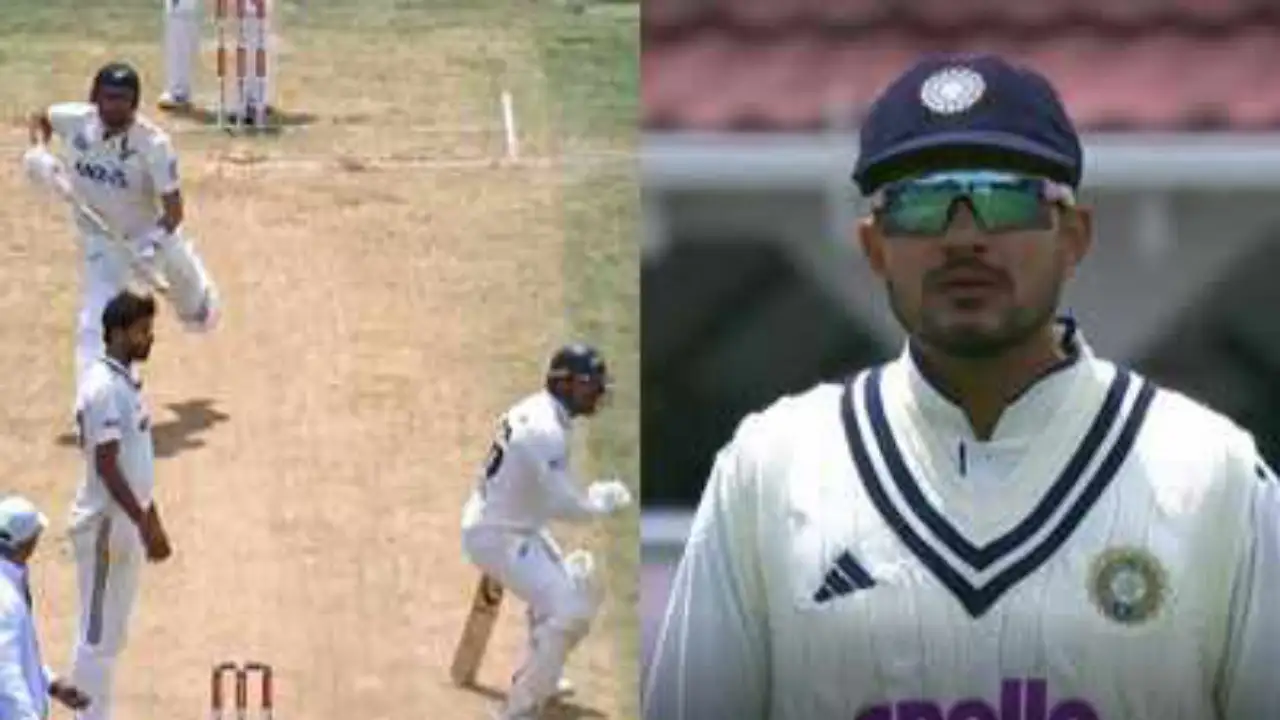
One of India’s clearest opportunities arrived when Mitchell briefly left his ground. During an over from Washington Sundar, the New Zealand batter stepped forward and nudged the ball towards mid-on. Akash Deep reacted quickly, moved in to collect it and saw that Mitchell was well outside his crease.
However, the ball slipped from the fast bowler’s hands before he could complete the run-out. Mitchell had enough time to scramble back safely, and the chance disappeared. In a match where India were urgently searching for a breakthrough, the missed opportunity was understandably frustrating for the fielding side.
Gill’s reaction was captured on camera and circulated widely on social media. The India captain appeared visibly upset and directed words towards Akash Deep. The moment quickly became a talking point because it occurred during a high-pressure stretch, with India needing wickets and New Zealand’s batters increasingly comfortable.
Rahane’s Message: Support Matters After a Mistake
Speaking on Sony Sports, Rahane said that a teammate’s support can make a significant difference, particularly when a player is already aware that an error has cost the team a chance. He noted that Akash Deep had been part of the bowling attack and could still contribute with the ball or in the field.
“I feel that teammates’ support is really required,” Rahane said. “Akash Deep would come to bowl. He would take wickets. He might take a brilliant catch or take a wicket, so that support is really important.”
Rahane’s comments were not simply about one missed run-out. They reflected a broader question about leadership in elite sport: how should a captain respond when a teammate makes a costly mistake? A sharp reaction may communicate the urgency of the situation, but public criticism can also deepen a player’s disappointment. A calm word of reassurance may help a cricketer reset and remain ready for the next opportunity.
Akash Deep Still Made a Contribution
The missed chance did not define Akash Deep’s entire performance. He took three wickets in 23 overs during New Zealand’s first innings and added another wicket in the second innings after bowling 20 overs. Those figures underline that he remained a meaningful part of India’s effort across the Test, even as the final-day run-out opportunity became the most discussed moment involving him.
Fast bowlers are often required to switch quickly between long spells, fielding duties and high-pressure moments. A missed chance can be difficult to forget, especially when the match situation is tight. But the next delivery or fielding opportunity arrives quickly, making confidence and communication important elements of a team’s response.
What the Wellington Test Reveals About India’s Leadership
India’s position after the first innings created a clear expectation of a possible victory, but New Zealand’s late resistance showed how difficult it can be to force a result when batters are set and time is running out. The match also highlighted the fine margins that shape Test cricket: a half-chance, a missed run-out or a single partnership can alter the direction of an entire day.
Gill’s reaction and Rahane’s subsequent comments have added a leadership dimension to the match analysis. The captain was operating under pressure, with India needing eight wickets, while Akash Deep was dealing with the immediate disappointment of a missed opportunity. Both perspectives are understandable, but Rahane’s central point was that support can help preserve a player’s confidence when the team still needs him.
Prediction: India Will Look for a More Composed Response
Looking ahead, India’s challenge will be to turn strong positions into decisive results while maintaining composure during difficult sessions. The prediction is that Gill and his team will continue to back their aggressive approach, but the Wellington finish may encourage greater emphasis on clear communication and encouragement in the field. For Akash Deep, the match also provides experience in handling scrutiny and recovering quickly after a mistake.
New Zealand’s draw was built on discipline, patience and a partnership that refused to give India an opening. India, meanwhile, will take lessons from both the cricket and the emotional demands of the final day. The result may have been shared, but the discussion around Gill, Akash Deep and Rahane’s advice has underlined a lasting truth of Test cricket: skill creates opportunities, while trust and resilience help teams make the most of them.
Latest News

“Not good enough for Test cricket”: Scott Styris, Sunil Gavaskar slam Wellington pitch

Dodda Ganesh declares India ‘out of WTC final race’ after Wellington Test draw
Ajinkya Rahane criticises Shubman Gill for abusing Akash Deep in 1st Test vs New Zealand

‘Why so many boundary riders?’ Dinesh Karthik questions Shubman Gill’s captaincy after Wellington Test

“I just want to enjoy my life”: Yash Dayal reflects on his return to cricket

“Conversation was about…”: Glenn Phillips reveals New Zealand’s Day 5 plan that helped secure draw vs India
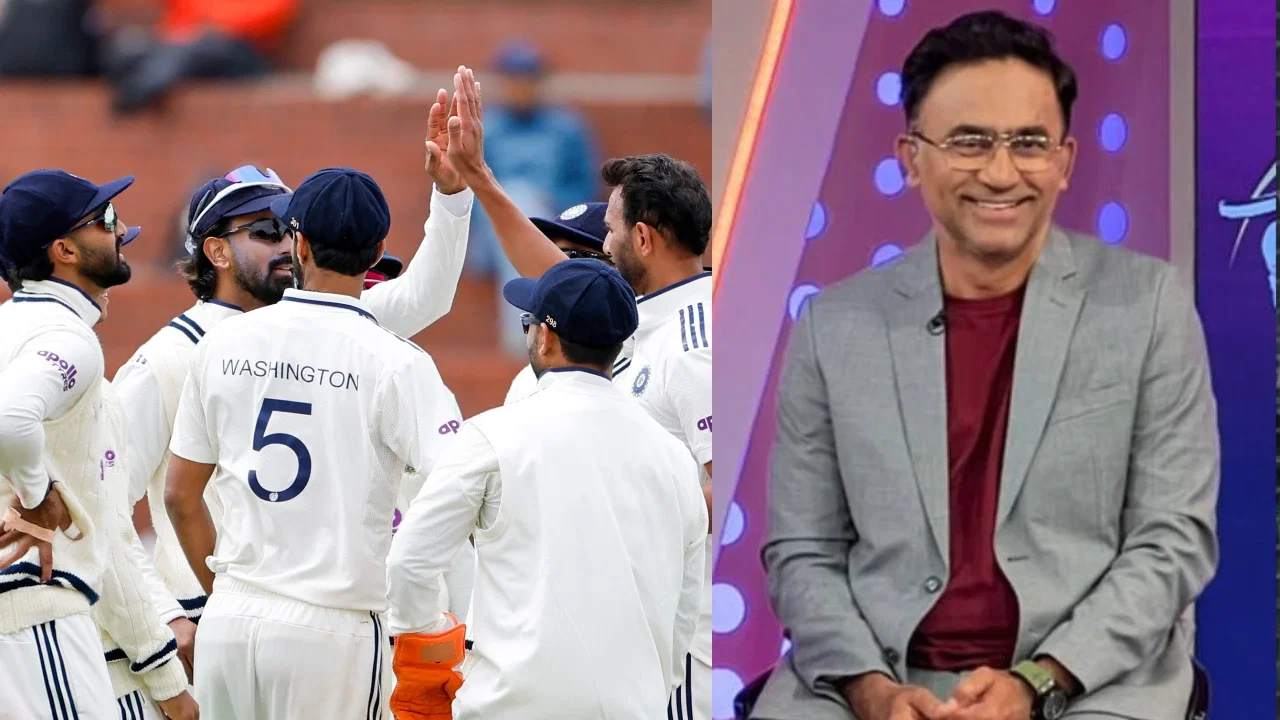
Saba Karim takes aim at Washington Sundar’s selection after India’s Wellington Test draw
“Please focus on the sport”: Navjot Singh Sidhu urges India and Pakistan to resume bilateral cricket ties
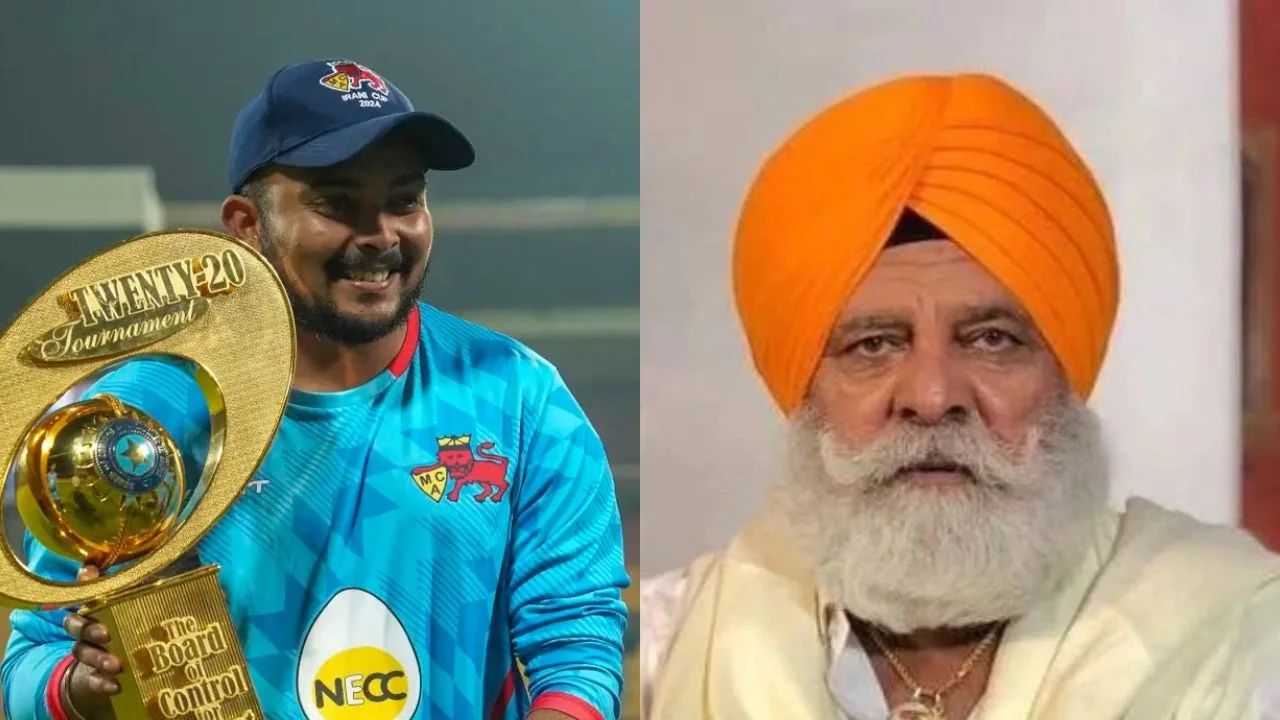
Prithvi Shaw threatens legal action against Yograj Singh over personal remarks
Watch: Shubman Gill’s angry reaction goes viral after Akash Deep’s run-out miss
India’s WTC Final qualification scenario after 1st Test draw vs New Zealand
Shubman Gill takes dig at ball manufacturer, questions ICC’s saliva ban after Wellington draw
“We picked on current form”: Shubman Gill justifies Mohammed Siraj’s exclusion after Wellington draw
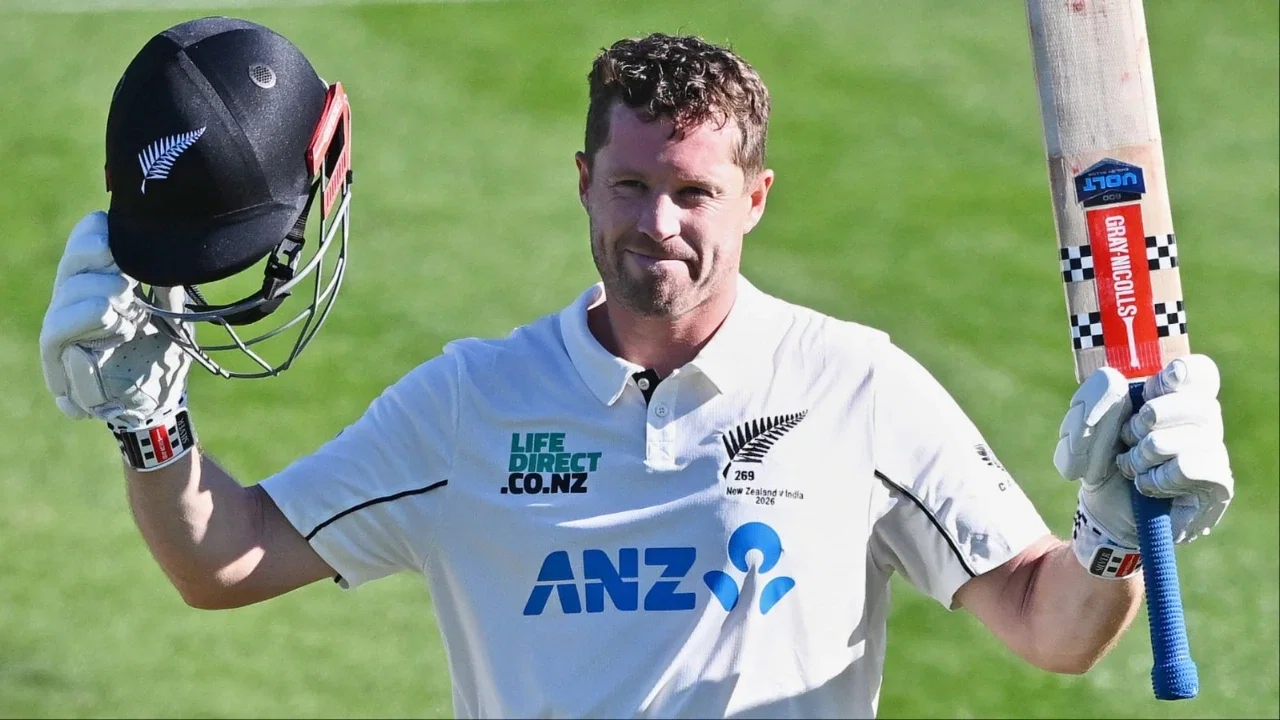
“A pleasing result”: Henry Nicholls reflects on New Zealand’s fightback after 70/5 in 1st Test vs India