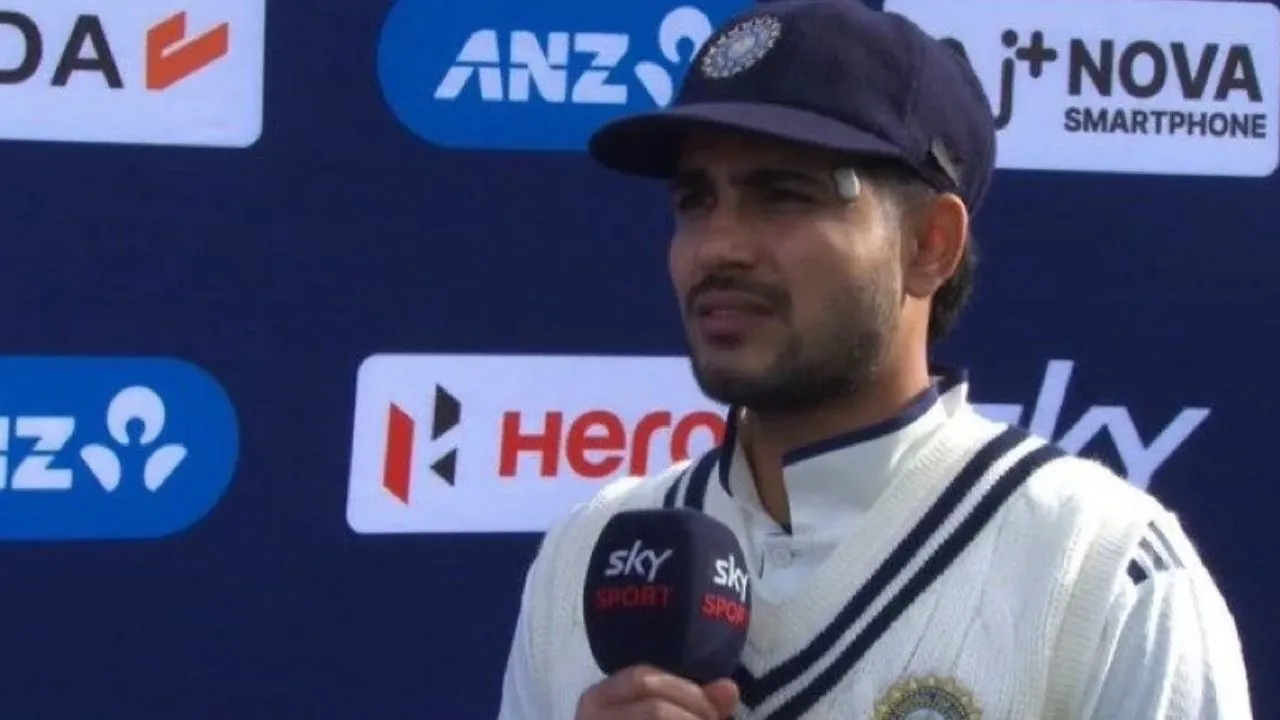
Dodda Ganesh declares India ‘out of WTC final race’ after Wellington Test draw

India’s Wellington Test Draw Sparks WTC Concerns as Dodda Ganesh Voices Frustration
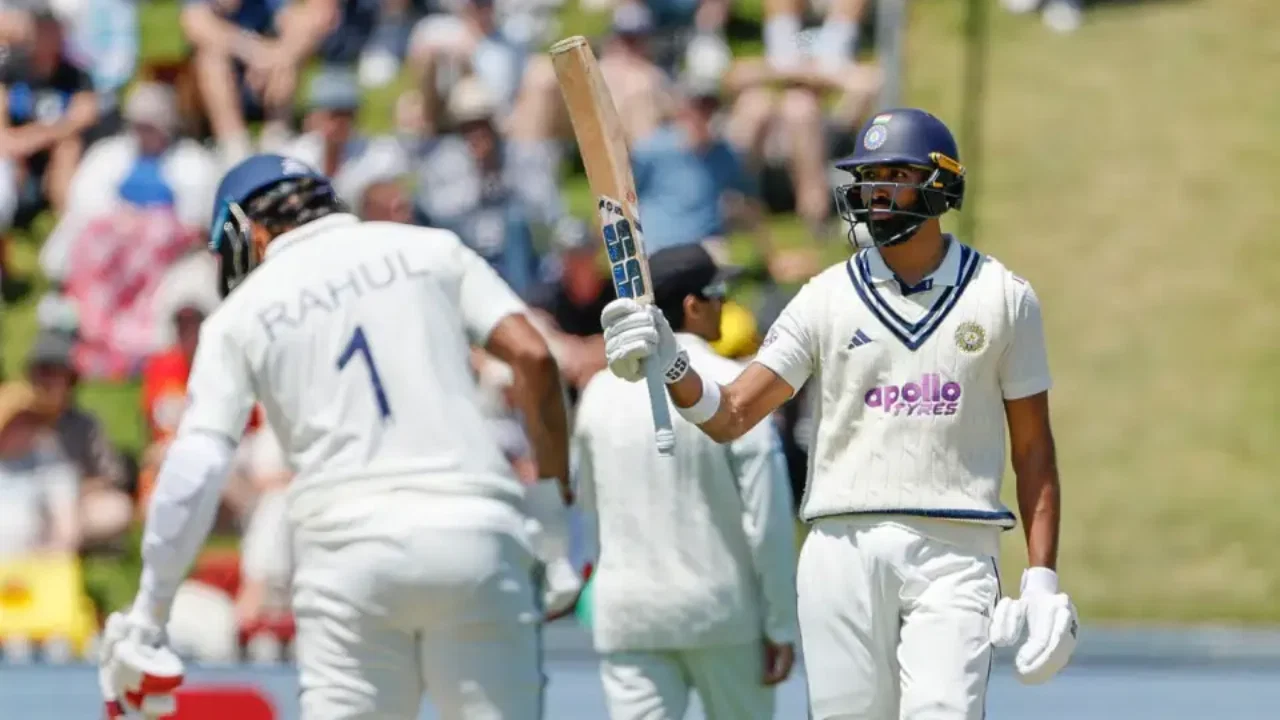
Former India cricketer Dodda Ganesh has criticised India’s performance after the first Test against New Zealand ended in a draw in Wellington on November 23. Despite building a commanding position with the bat, India could not finish the match with a win, leaving the team with a difficult challenge in the ongoing World Test Championship (WTC) race.
The result was particularly disappointing for India because the team entered the final day with a realistic chance of victory. New Zealand, however, showed patience and resilience, protecting its remaining wickets long enough to secure a draw. The outcome has renewed questions about India’s ability to convert strong positions into wins—and about the team’s prospects of reaching the next WTC final.
India Could Not Find the Eight Wickets It Needed
India began the final day needing eight more wickets after taking two before stumps on Day 4. With Jasprit Bumrah leading the attack, India had reason to believe it could complete the job. Bumrah had impressed in the first innings, taking four wickets from 29 overs, but he managed just one in the second innings despite bowling 20 overs.
The other Indian seamers—Akash Deep, Anshul Kamboj and Prasidh Krishna—also struggled to break through consistently. New Zealand’s batters were not required to chase a target or score quickly. Their priority was to survive, leave well and deny the bowlers opportunities to create pressure through regular wickets.
That approach paid off. Daryl Mitchell remained unbeaten on 49 after facing 186 deliveries, anchoring the resistance with a measured innings. Rather than taking unnecessary risks, he focused on occupying the crease and helping New Zealand see out the day.
Blundell and Phillips Helped New Zealand Hold Firm
Mitchell’s effort was supported by important partnerships with Tom Blundell and Glenn Phillips. Blundell and Phillips combined to face 180 balls, helping absorb the pressure and reduce India’s chances of forcing a late collapse. The New Zealand batters understood the match situation: every over survived brought them closer to a draw.
The innings highlighted a familiar feature of Test cricket. A team defending a result does not always need to dominate the bowling; it needs to make disciplined decisions for long enough. New Zealand’s resistance frustrated India, especially after the visitors had invested heavily in building a strong position earlier in the match.
Dodda Ganesh Questions India’s Missed Opportunity
Ganesh shared his reaction on X after the match, describing the result as disappointing given the talent available in the Indian side. He also suggested that the draw could damage India’s hopes of qualifying for the WTC final.
“Disappointing result for India despite piling on a mountain of runs. Now we’re definitely out of the WTC finals. Poor result, I will say, with the kind of talent India has,” Ganesh wrote.
His comments reflect the frustration of supporters who saw India create a promising position but fail to deliver the decisive spell needed on the last day. In the WTC, every match result matters: a draw awards fewer points than a win, and a missed opportunity can complicate a team’s qualification path as the cycle progresses.
Still, the broader WTC picture depends on the standings, remaining fixtures and results involving other contenders. A single draw does not automatically settle a campaign, but it can leave a team with less room for error. India will need to collect wins consistently and avoid further dropped chances if it is to remain in contention.
Sanjay Manjrekar Points to the Pitch Conditions
Former India batter Sanjay Manjrekar offered a possible explanation for why the pace attack became less threatening as the match progressed. He noted that grass on a pitch does not necessarily guarantee sustained assistance for fast bowlers. If the weather and overhead conditions do not support a green surface, the moisture can disappear and the pitch may flatten out.
Manjrekar wrote that a grass covering can dry out without the surface undergoing the wear and tear that typically makes a pitch increasingly difficult to bat on. In those circumstances, the wicket may become easier for batters even though it looked lively earlier in the match.
That observation adds context to India’s final-day struggle. Seamers often rely on movement, bounce and changing conditions to unsettle batters. If the surface offers less assistance, disciplined bowling becomes even more important. Length, line, field placement and sustained pressure can be decisive—but New Zealand’s batters were able to keep their wickets intact.
What the Draw Means for India’s Test Campaign
The Wellington result will likely prompt India to review how it manages a match when the opposition is defending. A large first-innings total can create a strong platform, but it does not guarantee victory. Teams must also assess the time available, the condition of the pitch and the number of overs required to dismiss the opposition twice.
India’s challenge was not simply to bowl fast. The attack needed to build pressure across extended spells, force mistakes and prevent partnerships from developing. New Zealand’s ability to make the game slow and attritional showed how effective a clear defensive plan can be in the final innings of a Test.
For India, the key lesson is conversion. Strong batting performances matter, but Test matches are ultimately decided by a team’s ability to take 20 wickets—or to secure the result through other means. The draw in Wellington leaves questions over India’s execution, the influence of the pitch and the team’s WTC prediction, while also giving the squad a clear area to address before its next assignment.
New Zealand, meanwhile, will take confidence from a determined defensive display. Mitchell, Blundell and Phillips demonstrated the value of patience under pressure, while India will be left to consider how a match that appeared within reach slipped away without a final-day breakthrough.
Latest News

“Not good enough for Test cricket”: Scott Styris, Sunil Gavaskar slam Wellington pitch
Dodda Ganesh declares India ‘out of WTC final race’ after Wellington Test draw

Ajinkya Rahane criticises Shubman Gill for abusing Akash Deep in 1st Test vs New Zealand

‘Why so many boundary riders?’ Dinesh Karthik questions Shubman Gill’s captaincy after Wellington Test

“I just want to enjoy my life”: Yash Dayal reflects on his return to cricket

“Conversation was about…”: Glenn Phillips reveals New Zealand’s Day 5 plan that helped secure draw vs India
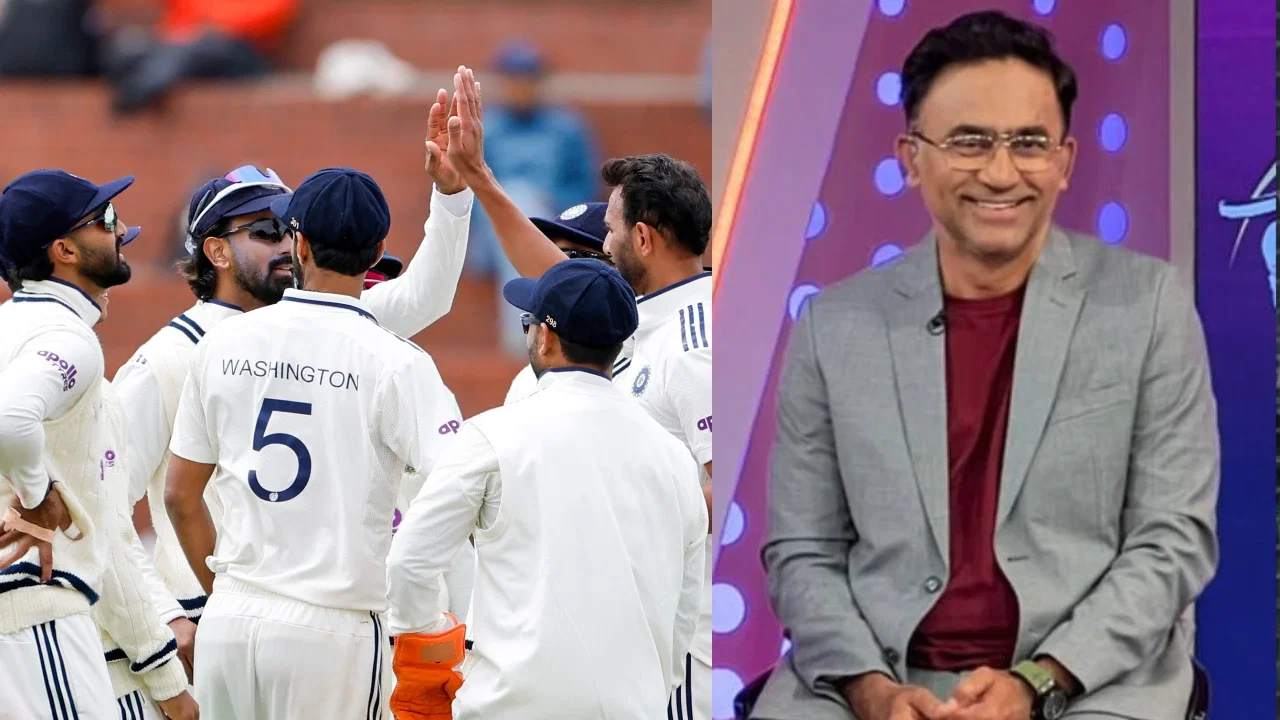
Saba Karim takes aim at Washington Sundar’s selection after India’s Wellington Test draw

“Please focus on the sport”: Navjot Singh Sidhu urges India and Pakistan to resume bilateral cricket ties
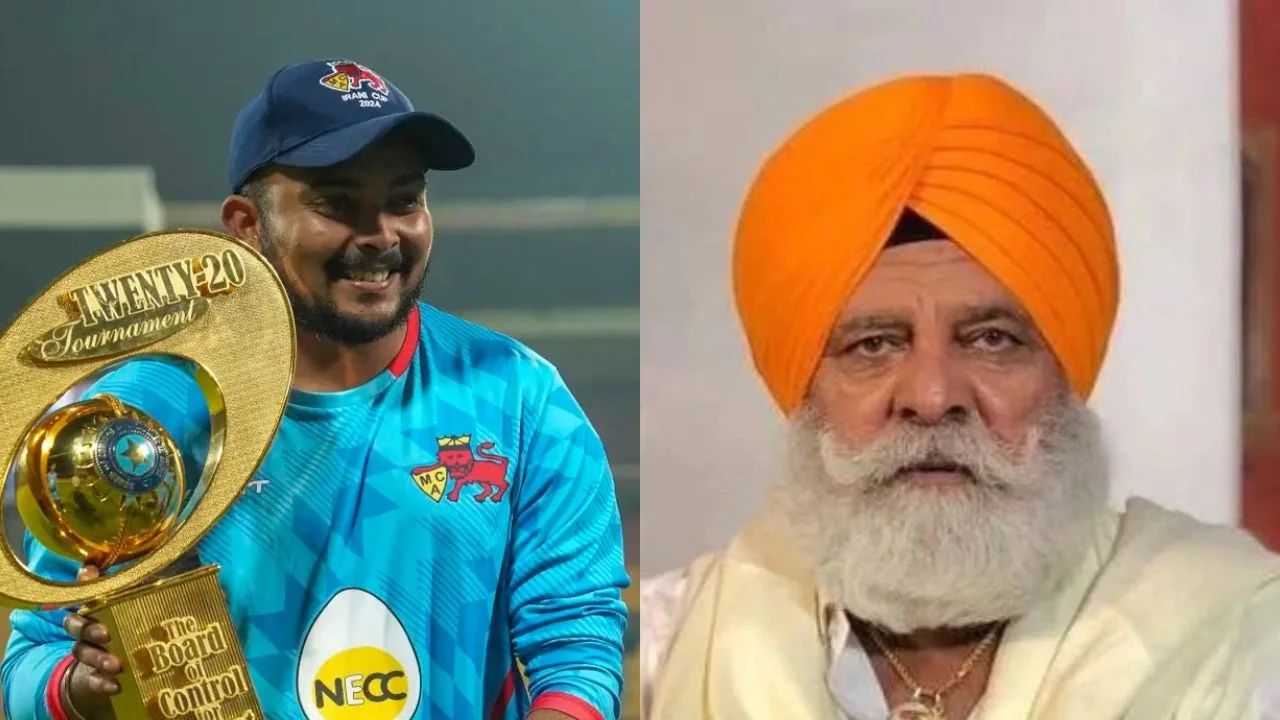
Prithvi Shaw threatens legal action against Yograj Singh over personal remarks
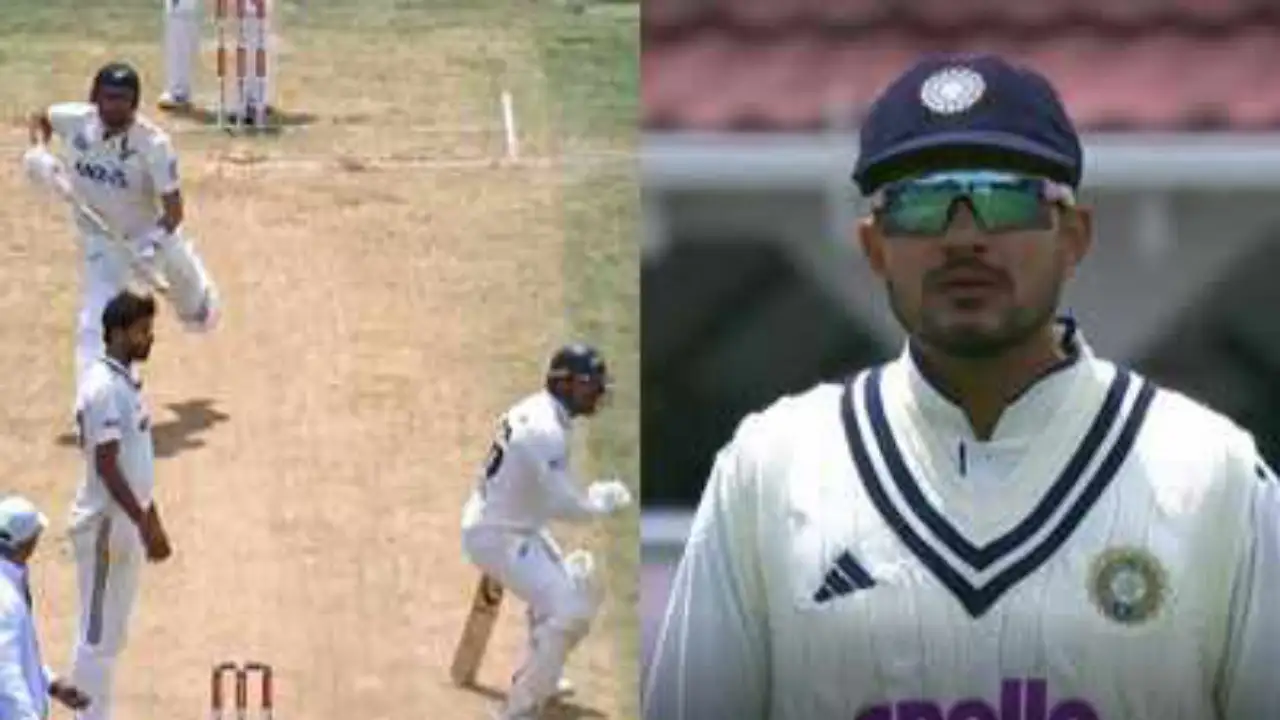
Watch: Shubman Gill’s angry reaction goes viral after Akash Deep’s run-out miss
India’s WTC Final qualification scenario after 1st Test draw vs New Zealand

Shubman Gill takes dig at ball manufacturer, questions ICC’s saliva ban after Wellington draw
“We picked on current form”: Shubman Gill justifies Mohammed Siraj’s exclusion after Wellington draw

“A pleasing result”: Henry Nicholls reflects on New Zealand’s fightback after 70/5 in 1st Test vs India