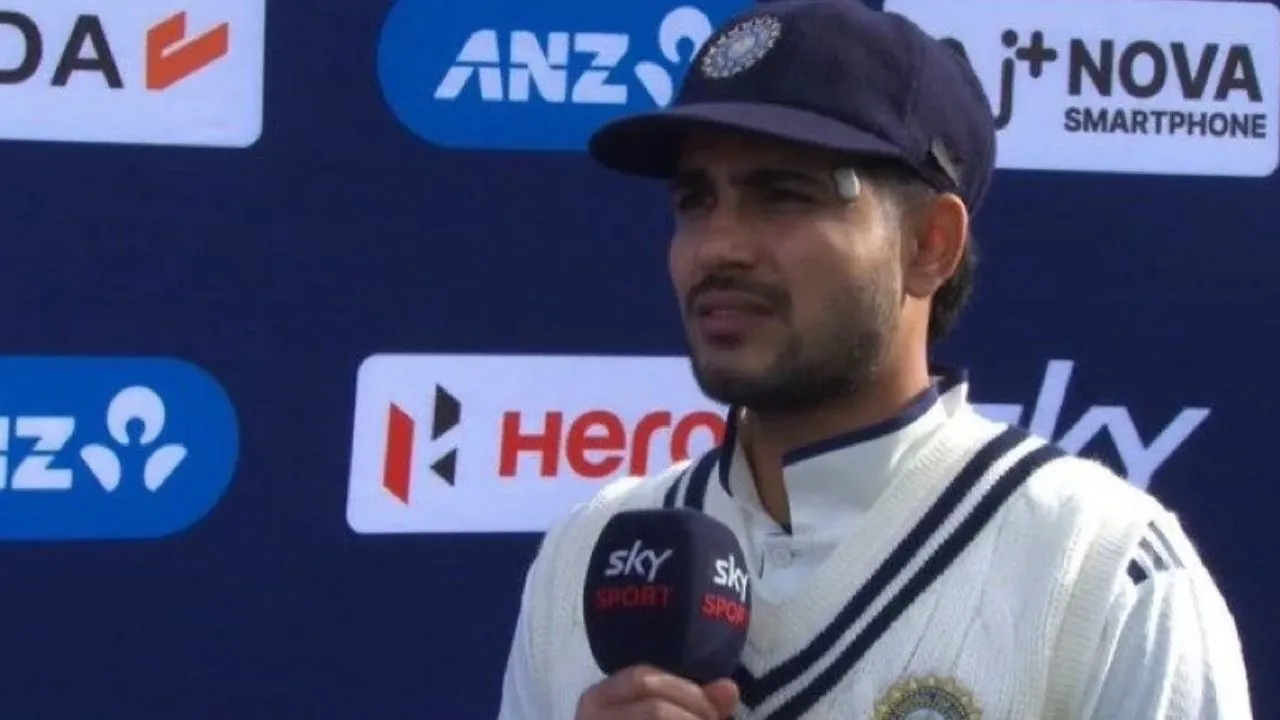
“Not good enough for Test cricket”: Scott Styris, Sunil Gavaskar slam Wellington pitch

Scott Styris and Sunil Gavaskar Criticise Basin Reserve Pitch After Wellington Test Draw
Former cricketers Scott Styris and Sunil Gavaskar have questioned the Basin Reserve surface after the first Test between New Zealand and India ended in a draw on Monday, November 23. Both commentators argued that the pitch offered meaningful help to bowlers only during the opening morning, then became increasingly comfortable for batting.
India began the final day needing eight wickets to secure victory, but New Zealand held firm. Daryl Mitchell and Glenn Phillips helped the hosts reach 239 for five after 120 overs, leaving the teams to settle for a draw. Henry Nicholls, whose major contribution came earlier in the match, was named Player of the Match.
The result gave both sides points in the World Test Championship (WTC), but the draw also kept India’s qualification campaign under pressure. With the second Test approaching, the pitch debate—and the likely conditions in Christchurch—will be part of the build-up for players and fans alike.
Scott Styris: The Pitch Did Not Deliver a Balanced Contest
Speaking on Sony Sports after the match, Styris said the Wellington surface did not sustain the balance between bat and ball expected in Test cricket. He acknowledged that the first morning provided bowlers with opportunities, but felt those conditions did not last long enough to shape the contest across the match.
“The pitch wasn’t good enough for Test cricket,” Styris said. He added that the opening session offered plenty for the bowlers, but the surface became too favourable for batting afterwards. In his view, the main issue was not that the pitch helped one side at the start, but that the challenge changed so sharply as the game progressed.
Styris also pointed to the possibility that the ground’s new pitch-preparation staff were still learning how the surface would behave. He described the match as the first Test under a new grounds crew at the Basin Reserve and suggested that experience from this game could help them produce a more consistent surface in future.
Sunil Gavaskar Expected a Much Shorter Test
Gavaskar also said the pitch looked more demanding than it ultimately proved to be. After seeing the surface on the first morning, he expected batting to remain difficult and thought the match might finish within four days. Instead, the pitch eased, allowing batters from both teams to build substantial innings.
That change was reflected in the scorecard. New Zealand’s first innings featured a superb unbeaten 175 from Nicholls and a century from Glenn Phillips, who made 118. India responded with major contributions from KL Rahul, who scored 136, and Rishabh Pant, who made 128.
India declared at 720 for nine, with six of their top seven batters reaching at least 50. The total placed New Zealand under pressure, but the hosts’ final-day resistance—led by Devon Conway’s 65 and supported by Mitchell and Phillips—prevented India from taking the wickets needed to force a result. Prasidh Krishna was among India’s most effective bowlers on the final day, finishing with figures of two for 22.
How the Draw Affected the WTC Standings
The Wellington result had consequences beyond the immediate series score. India’s points total rose from 68 to 72, but their WTC points percentage slipped from 51.52% to 50.00%. Points percentage is crucial in the championship standings because teams have played different numbers of matches and do not all contest the same number of Tests.
New Zealand moved from 52 points after six Tests to 56 after seven. However, their percentage also declined, falling from 72.22% to 66.67%. The result left them third in the standings, behind Australia, who had 108 points and a 69.23% points percentage at the time of the update.
For India, the draw was a missed opportunity to make a significant gain in a tightly contested championship race. A win in Wellington would have offered a stronger boost, while the shared result means the team must now look to Christchurch for a more decisive outcome.
Christchurch Test Could Shape India’s Qualification Prediction
The second and final Test at Hagley Oval in Christchurch is scheduled to begin on Friday, November 27. The match is important for both teams, but the stakes are particularly clear for India, whose WTC final prediction depends heavily on results across the remainder of the cycle.
A victory in Christchurch would take India to 84 points from 13 matches and a points percentage of 53.85%. A defeat would leave New Zealand at 58.33%, while another draw would lower India’s percentage to 48.72% and leave New Zealand at 62.50%. These figures illustrate why even a single Test can have a substantial impact on the standings.
Still, a win in Christchurch would not put India fully in control of their qualification prospects. The team would need a strong run through its remaining fixtures, including the five-Test home Border-Gavaskar Trophy against Australia in 2027. Winning all six remaining Tests would give India a maximum possible points percentage of 66.67%.
What to Watch in the Final Test
After a match in which the surface appeared to change character, pitch conditions will be a key talking point ahead of the Christchurch Test. Hagley Oval can offer seam movement, particularly when conditions are overcast, but the balance between early assistance and later batting value will matter. The teams will also need to assess how much the Wellington workload affects their bowling attacks and selection plans.
For India, the immediate challenge is to turn pressure into wickets and avoid allowing New Zealand’s batters to settle for long periods. New Zealand, meanwhile, will aim to use home conditions and the confidence gained from surviving the final day. The Wellington draw has left the series level and the WTC race finely poised, making the Christchurch contest a significant test of both teams’ adaptability.
The criticism from Styris and Gavaskar has added another layer to the aftermath of the first Test. Their comments raise a broader question for Test cricket: how should a pitch evolve over five days while still offering a fair contest? In Wellington, the opening morning suggested one kind of match, but the final result told a very different story.
Latest News
“Not good enough for Test cricket”: Scott Styris, Sunil Gavaskar slam Wellington pitch

Dodda Ganesh declares India ‘out of WTC final race’ after Wellington Test draw

Ajinkya Rahane criticises Shubman Gill for abusing Akash Deep in 1st Test vs New Zealand

‘Why so many boundary riders?’ Dinesh Karthik questions Shubman Gill’s captaincy after Wellington Test

“I just want to enjoy my life”: Yash Dayal reflects on his return to cricket

“Conversation was about…”: Glenn Phillips reveals New Zealand’s Day 5 plan that helped secure draw vs India

Saba Karim takes aim at Washington Sundar’s selection after India’s Wellington Test draw

“Please focus on the sport”: Navjot Singh Sidhu urges India and Pakistan to resume bilateral cricket ties

Prithvi Shaw threatens legal action against Yograj Singh over personal remarks
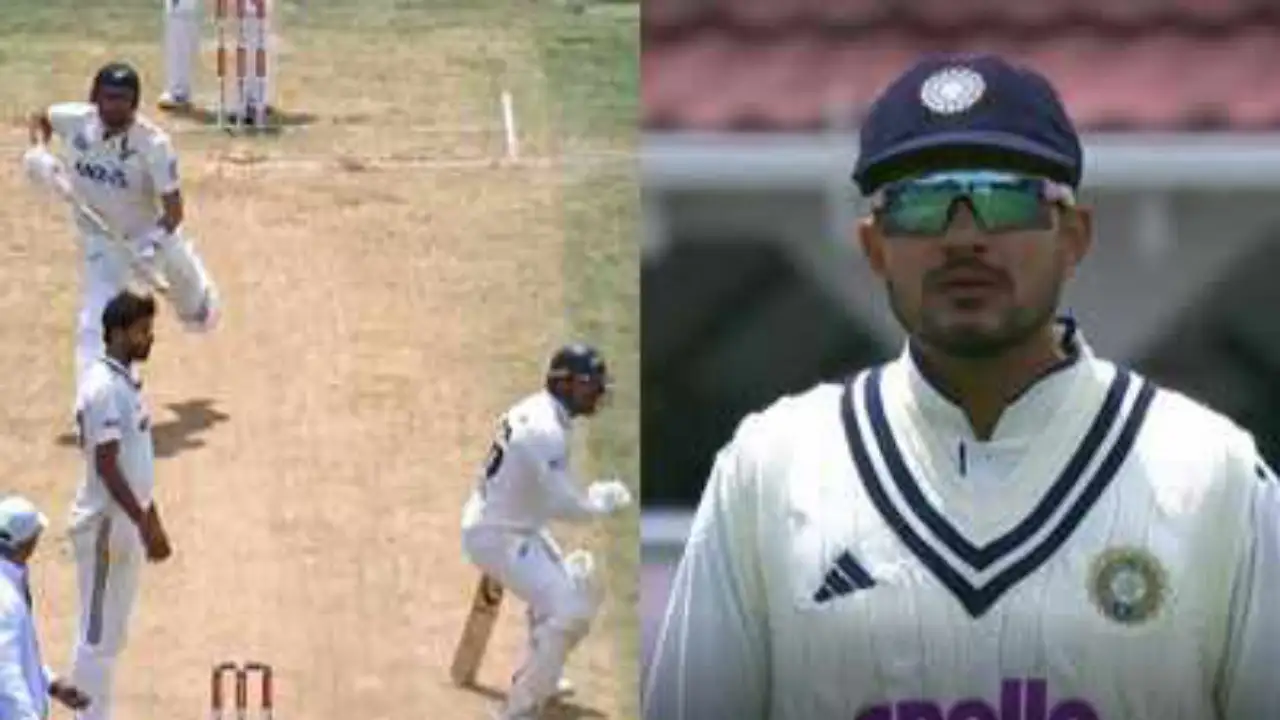
Watch: Shubman Gill’s angry reaction goes viral after Akash Deep’s run-out miss
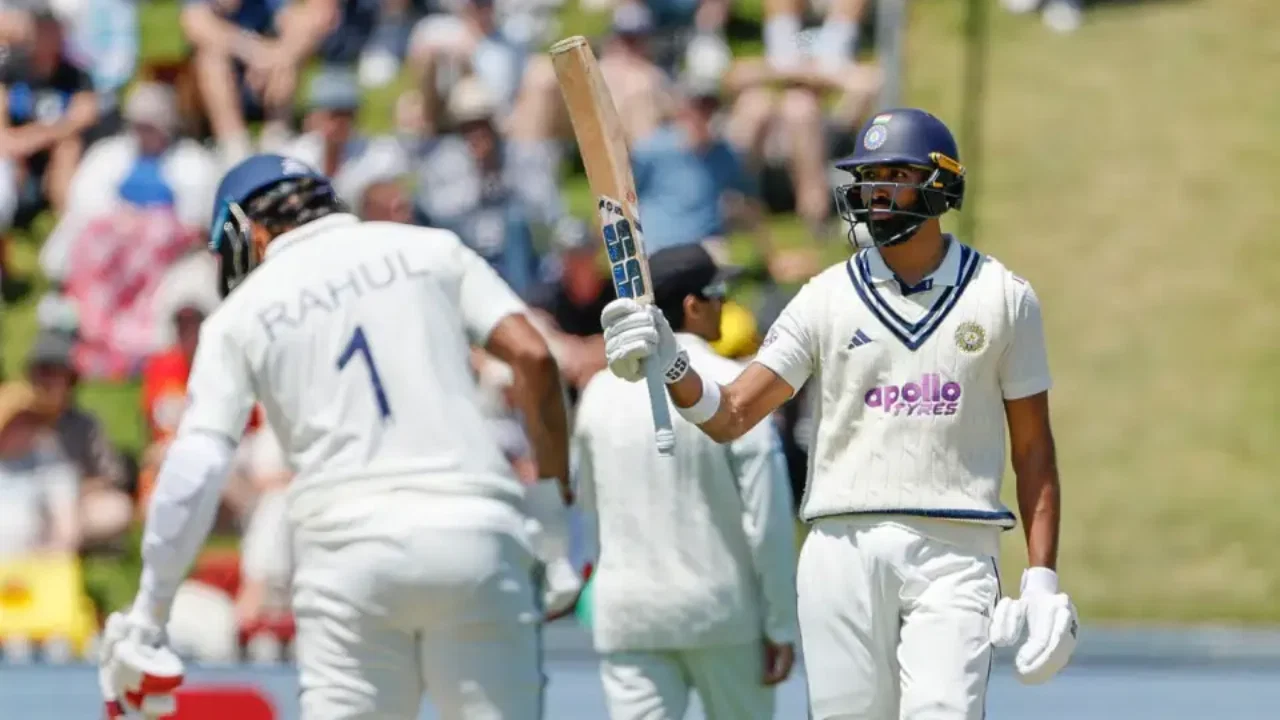
India’s WTC Final qualification scenario after 1st Test draw vs New Zealand

Shubman Gill takes dig at ball manufacturer, questions ICC’s saliva ban after Wellington draw

“We picked on current form”: Shubman Gill justifies Mohammed Siraj’s exclusion after Wellington draw

“A pleasing result”: Henry Nicholls reflects on New Zealand’s fightback after 70/5 in 1st Test vs India