

3 reasons why Gautam Gambhir was right to drop Ravindra Jadeja for 1st New Zealand Test
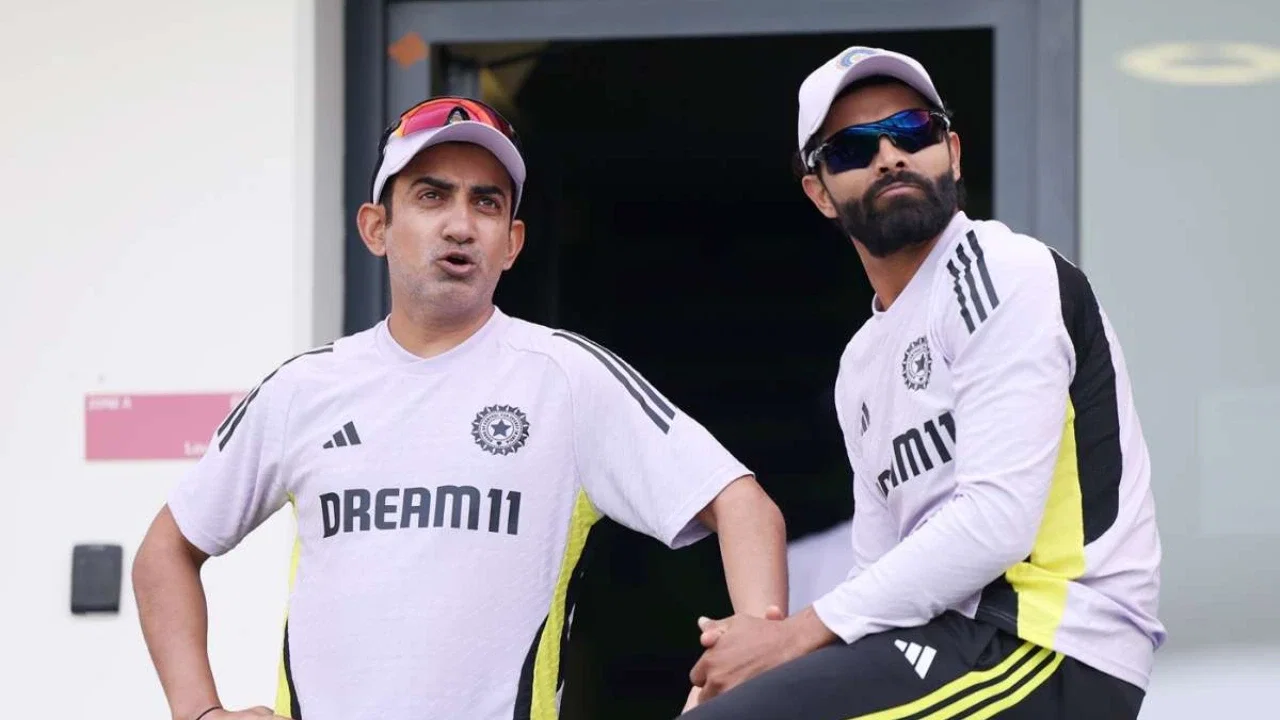
Why India Left Ravindra Jadeja Out of the First Test Against New Zealand
India’s decision to leave experienced all-rounder Ravindra Jadeja out of the playing XI for the first Test against New Zealand at Wellington’s Basin Reserve was one of the most striking selection calls of the match. For a player known for his reliability in overseas conditions, Jadeja’s omission was bound to prompt questions. Yet the choice appeared to reflect a clear tactical plan from head coach Gautam Gambhir and captain Shubman Gill rather than a judgment on Jadeja’s ability.
India selected Washington Sundar as its spin-bowling all-rounder and opted for four specialist fast bowlers: Jasprit Bumrah, Prasidh Krishna, Akash Deep and Anshul Kamboj. The combination was shaped by three considerations: New Zealand’s left-handed batters, the green Basin Reserve surface and the need to preserve batting depth. Here is why the selection could make sense—and what it suggests about India’s broader match strategy.
1. Sundar offered a different matchup against New Zealand’s left-handers
New Zealand’s batting line-up featured several left-handed players, including Tom Latham, Devon Conway, Henry Nicholls and Rachin Ravindra. That handedness gave India’s selectors an opportunity to consider not only who was the better spinner overall, but which type of spin could create the most difficult angles and scoring decisions for the opposition.
Washington Sundar bowls right-arm off-spin, which generally takes the ball away from a left-handed batter. That movement can encourage batters to play at deliveries outside off stump, potentially bringing edges and catches into play. It can also make it harder for left-handers to score freely through the off side, particularly if the bowler maintains a disciplined line and varies his pace.
Jadeja, by contrast, bowls left-arm orthodox spin, with the ball typically turning into a left-handed batter. That is not automatically a disadvantage: Jadeja’s accuracy, pace and ability to exploit rough patches make him a threat against batters of any handedness. But for this particular top order, Sundar’s angle offered a contrasting challenge and a potentially more direct route to creating pressure.
The matchup was only one part of the prediction behind the selection. Spin often plays a smaller role early in a Test on a lively New Zealand surface, so India needed a spinner who could contribute without requiring the conditions to turn sharply. Sundar’s role could be to hold an end, test the left-handers and provide a second bowling option if the pitch later became more responsive.
2. The green Basin Reserve pitch strengthened the case for four seamers
The Basin Reserve is widely associated with pace, bounce and movement, particularly when the surface has a substantial covering of grass. In those conditions, fast bowlers can make the most of the new ball, while seam movement may continue to trouble batters after the initial overs. A four-man pace attack therefore gave India several ways to apply pressure across a long innings.
Bumrah brought experience and control, while Krishna, Akash Deep and Kamboj offered additional pace and seam-bowling options. The combination allowed Gill to rotate his quicks, manage workloads and maintain an attacking threat from both ends. It also gave India flexibility if the pitch changed during the match or one bowler needed a longer spell of rest.
Choosing four specialist fast bowlers did not mean India expected the spinners to be irrelevant. Rather, it reflected the likely balance of the conditions. On a green surface, a second specialist spinner may have had limited opportunity to influence the game, especially in the early stages. Sundar could provide the spin option while the seamers carried the main workload.
That approach also carries risk. If the surface settles down or becomes drier, India may miss Jadeja’s control, experience and ability to build pressure over long spells. But selection decisions are made on the conditions expected at the start, and the Basin Reserve appeared to offer a strong argument for prioritising pace.
3. Sundar helped India balance its batting order
India’s batting combination was another important factor. With Rishabh Pant and Dhruv Jurel both in the side, the team had to decide how much batting depth it needed alongside its specialist bowlers. Sundar’s value lies not only in his off-spin but also in his ability to contribute meaningful runs in the lower middle order.
He has shown that he can bat with patience and build an innings when conditions are demanding. That quality can be especially useful in an overseas Test, where the top order may face sustained movement and the lower order may be required to extend the first-innings total. Sundar’s presence gave India an all-round option without reducing the number of fast bowlers.
The selection also relied on the possibility of contributions from the tail. Akash Deep and Kamboj can offer useful runs lower down the order, adding to the depth behind the specialist batters. While those contributions cannot be guaranteed, they can help the team maintain a competitive total without choosing an extra batter at the expense of its bowling attack.
Jadeja would also have strengthened India’s batting, along with providing exceptional fielding and a proven bowling record. His omission therefore represented a trade-off, not a simple upgrade in every department. The team management appears to have judged that Sundar’s matchup, the four-seamer strategy and the overall batting configuration better suited the conditions for this particular Test.
A bold call shaped by conditions, not reputation
Leaving Jadeja out was a significant decision because of his value as a complete cricketer. He can change a match with the ball, contribute crucial runs and save runs in the field. However, picking the strongest team for a specific venue does not always mean selecting the most established names. It means building a combination that addresses the opposition and the conditions expected to matter most.
India’s selection offered a clear tactical message: attack New Zealand with pace, use Sundar to challenge the left-handed batters and retain batting depth through an all-round option. Whether that prediction proves correct depends on how the Basin Reserve behaves and how effectively the bowlers execute their plans.
For fans, the first Test will provide a useful test of Gambhir and Gill’s strategy. If the seamers exploit the grass and Sundar keeps New Zealand’s left-handers under pressure, Jadeja’s absence may look like a calculated success. If the pitch eases and spin becomes more influential, India could be reminded of just how much experience and versatility its star all-rounder brings.
Latest News

SA vs BAN Playing 11 Today, Live Streaming, Pitch & Weather: South Africa tour of Bangladesh 2026, 2nd Test

AUS vs ENG Playing 11 Today, Live Streaming, Pitch & Weather: England tour of Australia 2026, 2nd T20I

Blair Tickner ruled out of 2nd Test vs India, replacement named

Tim Paine and Justin Langer face fresh questions over Australia’s ball-tampering scandal

India tour of Bangladesh gets fresh hope as BCB confirms talks with BCCI

Tom Latham opens up on soft ball problem and saliva ban after draw against India

Ajinkya Rahane slams Tilak Varma for publicly criticising Shahbaz Ahmed after India A’s defeat

ICC to introduce IPL-style bat checks in international cricket

“Smiling Laughing doesn’t happen”: R Ashwin’s dig at India’s approach after draw vs New Zealand

“Not good enough for Test cricket”: Scott Styris, Sunil Gavaskar slam Wellington pitch

Dodda Ganesh declares India ‘out of WTC final race’ after Wellington Test draw

Ajinkya Rahane criticises Shubman Gill for abusing Akash Deep in 1st Test vs New Zealand

‘Why so many boundary riders?’ Dinesh Karthik questions Shubman Gill’s captaincy after Wellington Test

“I just want to enjoy my life”: Yash Dayal reflects on his return to cricket


