

7 New Zealand stars suffer injury blows ahead of India ODIs, ft Devon Conway
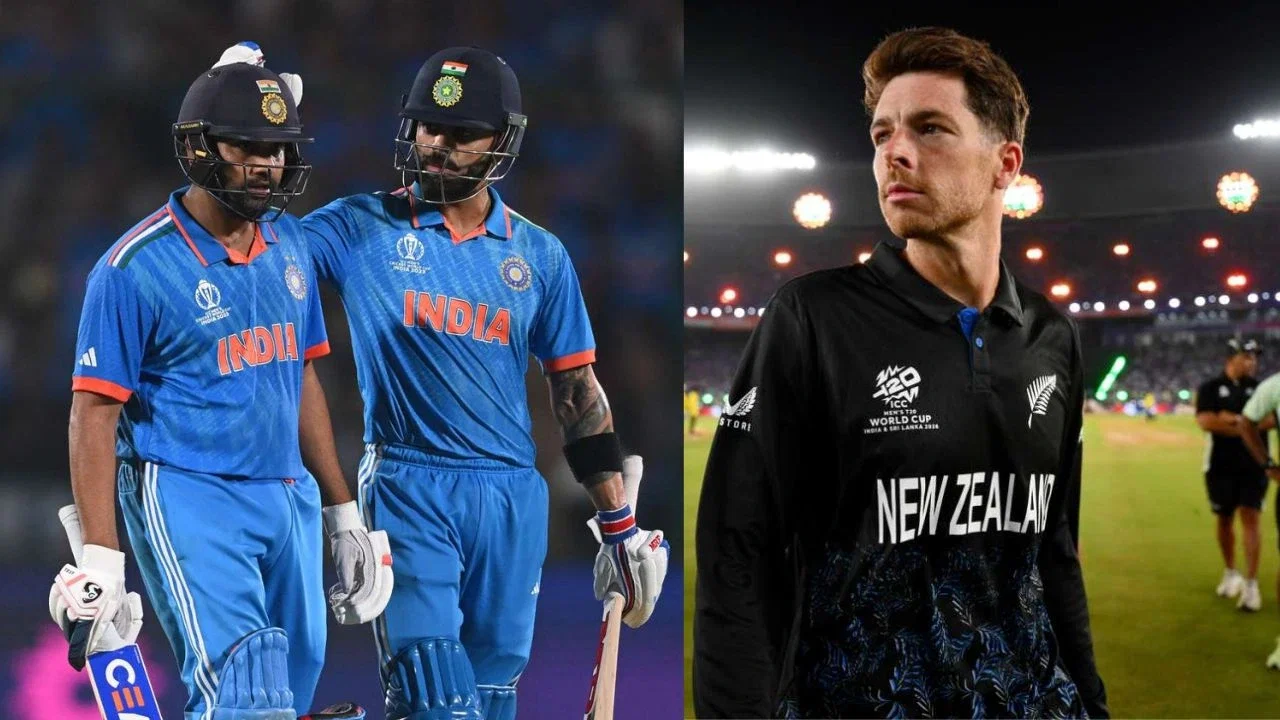
New Zealand Face Injury Concerns Ahead of India ODI Series
New Zealand’s preparations for their five-match ODI series against India have been disrupted by a growing list of fitness concerns. Devon Conway, Rachin Ravindra and Mark Chapman are among the players affected, while fast bowler Matt Henry’s availability for the opening match remains uncertain. Zak Foulkes, Will O’Rourke and Ben Sears are also unavailable as they continue their recoveries.
The setbacks leave the Black Caps with important selection decisions to make before the series begins on November 4. Against a strong Indian side, New Zealand will need to balance immediate results with the need to avoid rushing players back before they are ready. The injury situation could also influence the hosts’ batting order, bowling combinations and overall prediction for the series.
India and New Zealand Meet After a Dramatic T20I Series
The ODI contest follows an eventful five-match T20I series, which India won 3-2. The visitors established control by taking the first three matches in Christchurch and Wellington. New Zealand responded strongly, however, defeating India by 87 runs in Auckland before securing a seven-wicket win in Hamilton in the final game.
That late comeback gives the hosts reasons for confidence, even as injuries complicate their planning. The 50-over format will present a different challenge: longer innings, greater demands on bowlers and more opportunities for teams to recover after a difficult start. India will arrive with momentum from the T20I series, while New Zealand will look to use home conditions to make the ODI contest more competitive.
New Zealand’s ODI Schedule Against India
The five-match series begins in Auckland on November 4. The teams will then travel to Wellington for the second ODI on November 7, followed by the third match in Hamilton on November 10. The final two games are scheduled for Mount Maunganui on November 13 and 15.
With matches spread across several venues, squad depth could prove especially important. New Zealand’s selection choices will depend not only on who is fit for the first ODI but also on how the medical staff assess players as the series progresses.
New Zealand Injury Update: Seven Players in Focus
Devon Conway
Conway has been ruled out of the opening ODI after suffering a concussion in a training-ground collision with Matt Henry at Eden Park. He was taken to hospital for assessment. His situation will be managed carefully, with any return dependent on medical guidance and the required concussion protocols.
Conway’s absence would remove an experienced option from New Zealand’s top order. His ability to build an innings and provide stability at the start can be valuable in ODI cricket, particularly when the team is facing a high-quality new-ball attack.
Rachin Ravindra
Ravindra will miss the entire series while recovering from a right shoulder injury. He sustained a dislocation during a promotional shoot and has not yet recovered sufficiently to field at full capacity. New Zealand are taking a cautious approach, with a Test series also on the horizon.
His absence matters beyond the batting lineup. Ravindra offers New Zealand a left-handed batting option and useful bowling support, while his athletic fielding adds another dimension. Replacing that combination may require the selectors to adjust more than one part of the team.
Mark Chapman
Chapman is unavailable for the full series because of a left hamstring injury sustained during the European T20 Premier League. A recent MRI scan indicated that he needs approximately two more weeks of rehabilitation before he can return to full fitness.
Without Chapman, New Zealand lose a middle-order batter capable of changing the pace of an innings. The selectors may need to give another player an opportunity to handle the pressure of the middle overs and provide a strong finish.
Zak Foulkes
Fast-bowling all-rounder Foulkes remains unavailable as he recovers from a hip flexor injury. His absence reduces New Zealand’s options for balancing the side with both seam bowling and lower-order batting. That flexibility can be particularly useful in a five-match series, where workloads and conditions may vary from venue to venue.
Matt Henry
Henry’s participation in the opening match is uncertain. He missed the final three T20Is after sustaining a low-grade tear in his right quadriceps, but has joined the ODI squad. The team will assess his fitness before deciding whether he is ready to play.
The training collision with Conway has added another concern, although the main question remains whether Henry has recovered sufficiently from the quadriceps injury to handle the demands of an ODI. If he is unavailable, New Zealand may have to rely on less experienced pace options or alter their bowling plans.
Will O’Rourke
O’Rourke is continuing his recovery from a calf injury and was not considered for selection. His absence further reduces the hosts’ fast-bowling depth, making the fitness of the remaining seamers especially important across a demanding five-match schedule.
Ben Sears
Sears is also outside the squad as he rehabilitates a persistent ankle injury. The New Zealand pacer is working towards a return, but he is not available for the India ODI assignment. His absence means the hosts have one fewer specialist pace option to call upon.
Squad Adjustments and Selection Questions
New Zealand have made several changes to strengthen their squad despite the injury setbacks. Tim Seifert is available for the entire series, while Henry Nicholls has joined the group for the first three ODIs. Dean Foxcroft will be part of the squad for the final two matches, and Matt Fisher has been retained as an additional bowling option.
These additions give the selectors alternatives, but they do not completely remove the uncertainty. The opening combination will need attention if Conway is unavailable, while the middle order must adapt to the absence of Ravindra and Chapman. The bowling attack will also depend on Henry’s recovery and the ability of the available seamers to share the workload.
What the Injury List Could Mean for the Series
India’s recent T20I success makes them a formidable opponent, but the ODI format offers New Zealand a fresh opportunity. Home conditions may help the Black Caps, and a strong response in the final two T20Is showed that they can challenge India when their plans come together.
Still, the injury list could shape the series prediction. New Zealand’s chances may depend on whether Henry is fit, how effectively replacements settle into the batting order and whether the remaining bowlers can maintain pressure throughout long innings. India, meanwhile, will look to exploit any disruption and build on their early T20I dominance.
For New Zealand, the priority is finding the right balance: selecting a competitive side without taking unnecessary risks with injured players. With five matches across Auckland, Wellington, Hamilton and Mount Maunganui, squad depth and fitness management could be just as important as individual performances.
Latest News

SA vs BAN Playing 11 Today, Live Streaming, Pitch & Weather: South Africa tour of Bangladesh 2026, 2nd Test

AUS vs ENG Playing 11 Today, Live Streaming, Pitch & Weather: England tour of Australia 2026, 2nd T20I

Blair Tickner ruled out of 2nd Test vs India, replacement named

Tim Paine and Justin Langer face fresh questions over Australia’s ball-tampering scandal

India tour of Bangladesh gets fresh hope as BCB confirms talks with BCCI

Tom Latham opens up on soft ball problem and saliva ban after draw against India

Ajinkya Rahane slams Tilak Varma for publicly criticising Shahbaz Ahmed after India A’s defeat

ICC to introduce IPL-style bat checks in international cricket

“Smiling Laughing doesn’t happen”: R Ashwin’s dig at India’s approach after draw vs New Zealand

“Not good enough for Test cricket”: Scott Styris, Sunil Gavaskar slam Wellington pitch

Dodda Ganesh declares India ‘out of WTC final race’ after Wellington Test draw

Ajinkya Rahane criticises Shubman Gill for abusing Akash Deep in 1st Test vs New Zealand

‘Why so many boundary riders?’ Dinesh Karthik questions Shubman Gill’s captaincy after Wellington Test

“I just want to enjoy my life”: Yash Dayal reflects on his return to cricket


