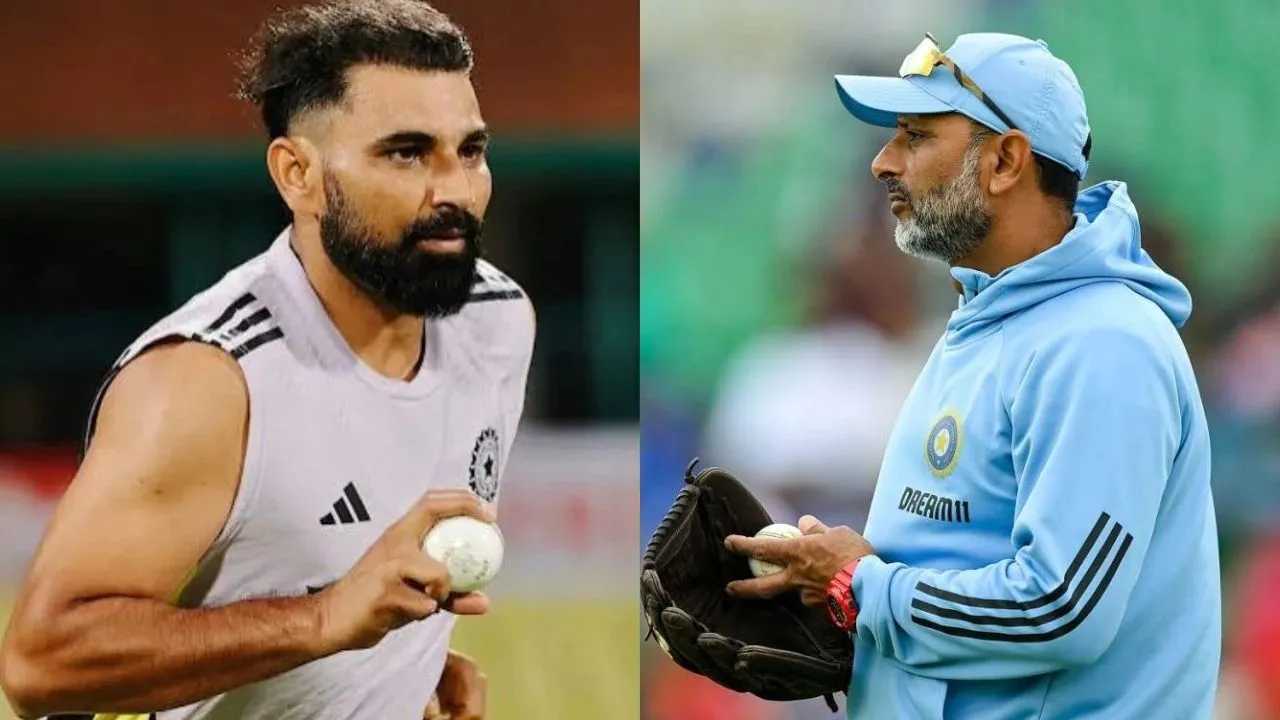
Aakash Chopra demands solution after India Women miss out on Asia Cup trophy
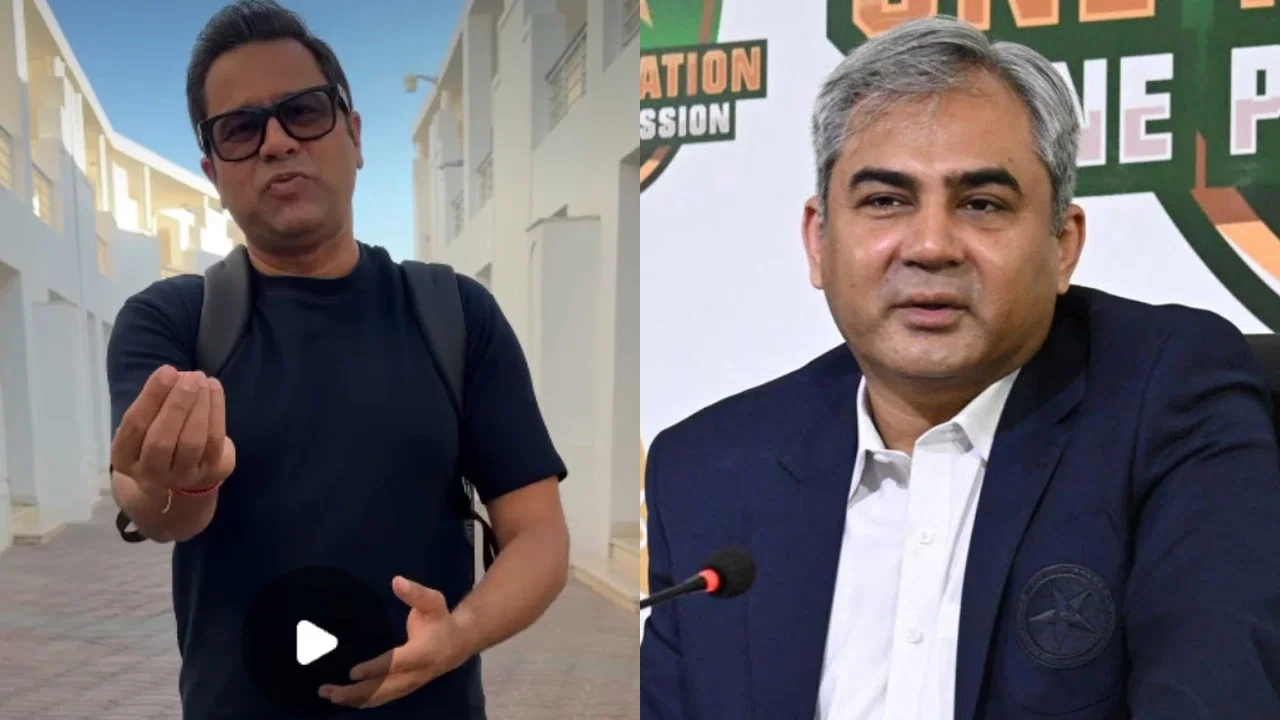
Women’s Asia Cup 2026 Concludes with Controversy: India’s Historic Victory Marred by Trophy Dispute
The highly anticipated Women’s Asia Cup 2026 reached its climatic conclusion last Sunday at the iconic Dubai International Stadium, where the Indian Women’s National Cricket Team emerged victorious, defeating Sri Lanka Women’s Team by a convincing margin of 72 runs. While the victory marked a historic eighth title for India—a record in the tournament’s history—the aftermath of the match has sparked a significant controversy that has overshadowed the celebration of cricketing excellence.
The Match Recap: A Dominant Performance by India
In a thrilling display of skill and resilience, the Indian women’s cricket team demonstrated their prowess from the outset. Winning the toss and electing to bat, India’s opening pair—Smriti Mandhana and Shafali Verma—laid a formidable foundation, combining for an impressive 129-run partnership. Mandhana’s aggressive batting, coupled with Verma’s swift stroke play, set the tone for India’s innings. The team posted a commanding total of 183 runs for 5 wickets in their 20 overs, showcasing their batting depth and strategic approach.
Chasing the target, Sri Lanka’s efforts started promisingly, but their batting lineup struggled to maintain consistency. Despite some early resistance, Sri Lanka kept losing wickets at regular intervals, ultimately falling short and being bowled out for 111 runs on the last ball of the final over. The comprehensive victory not only cemented India’s dominance in the tournament but also reinforced their status as the most successful team in Women’s Asia Cup history.
The Trophy Dilemma: A Diplomatic Snub
However, the celebration was short-lived. Unlike previous editions, the Indian team did not receive the coveted trophy from the tournament officials. The reason? The players refused to accept the trophy from Mohsin Naqvi, the Chairman of the Asian Cricket Council (ACC) and the President of the Pakistan Cricket Board (PCB). This act of protest was rooted in the ongoing diplomatic tensions between India and Pakistan, which have intensified over recent years, particularly after the Asia Cup 2025.
Historically, the presentation of trophies is a ceremonial moment, symbolizing sportsmanship and mutual respect. But in this instance, the Indian players made a conscious decision to boycott the presentation from Naqvi, citing political and diplomatic reasons. The refusal echoes the stance taken by the Indian men’s cricket team last year, which also declined to receive their trophy from Naqvi during a previous tournament, in protest of strained bilateral relations.
Aakash Chopra’s Criticism: A Call for Accountability
Former Indian cricketer-turned-commentator Aakash Chopra, expressed his dismay and frustration over the incident through his popular YouTube channel. Chopra did not shy away from criticizing Naqvi’s conduct, implying that his reputation for taking away trophies has become a recurring joke within cricketing circles.
“Whenever he comes, he runs away with the trophy,” Chopra remarked sharply, highlighting the pattern of Naqvi’s involvement in trophy presentations that seem to coincide with diplomatic tensions. He pointed out that the Indian women’s team, despite their historic achievement, was denied the traditional moment of celebration because of Naqvi’s actions.
Chopra questioned the lack of decisive action by the Board of Control for Cricket in India (BCCI) and the International Cricket Council (ICC). “Why isn’t the BCCI standing up and taking a clear stance? If such incidents keep happening, should India even participate in the Asia Cup?” he asked, emphasizing the need for stronger diplomatic and sporting protocols to prevent such embarrassments in the future.
The Political Context: Worsening India-Pakistan Relations and Future Implications
The controversy surrounding Naqvi is not merely about trophy presentations; it is deeply intertwined with the deteriorating diplomatic relations between India and Pakistan. Since the Asia Cup 2025, where tensions escalated following the Pahalgam terror attack, official interactions between the two cricket boards have been minimal or non-existent.
Speculation is rife that Naqvi’s tenure as ACC chairman might not be renewed beyond April 2027, given the fallout from recent events. Reports suggest that he could face opposition from other Asian Cricket Council members, who are increasingly wary of his role in exacerbating diplomatic tensions. The fallout has led to a broader debate within cricketing circles about the appropriateness of holding international tournaments amid strained political relations.
Moreover, the customary gestures of sportsmanship, such as handshakes and trophy presentations, have effectively been halted between India and Pakistan for the time being. This development raises questions about the future of bilateral cricketing events and the prediction of how diplomatic issues will influence the organization and conduct of international cricket tournaments.
Looking Ahead: The Future of the Asia Cup and Indian Cricket
The incident at the Women’s Asia Cup 2026 has ignited a wider debate about the role of politics in sports and the importance of maintaining the sanctity of international competitions. While India’s dominance in the tournament is undisputed—having won eight out of ten editions—the recent controversies pose questions about the prediction of cricket’s future in the region.
Many experts believe that unless there is a concerted effort from cricket governing bodies like the ICC and ACC to foster political neutrality and uphold sportsmanship, similar incidents will continue to mar the spirit of the game. The prediction of the tournament’s future hinges on diplomatic diplomacy and how cricket authorities navigate the complex political landscape.
In the meantime, the Indian women’s cricket team’s record-breaking victory stands as a testament to their skill, resilience, and dominance in Asian cricket. Their performance not only inspires millions of fans but also underscores the importance of sports as a unifying force—despite the prevailing political tensions that threaten to overshadow the game’s true spirit.
Conclusion: A Call for Resolution and Respect in Cricket
The conclusion of the Women’s Asia Cup 2026 will be remembered not only for the on-field excellence displayed by India but also for the diplomatic controversy that has unfolded afterward. As cricket fans and stakeholders look ahead, the hope remains that future tournaments will prioritize sportsmanship and diplomacy, ensuring that the prediction of a united, competitive cricketing landscape becomes a reality rather than a distant dream.
Until then, the question remains: Will the cricketing authorities take decisive steps to address these diplomatic issues? And can the spirit of the game transcend political boundaries to foster mutual respect and understanding? Only time will tell, but one thing is certain—the legacy of this tournament will be remembered not only for the records set but also for the lessons in diplomacy it has imparted to the cricketing world.
Latest News
Top 10 highest run-chases in T20 cricket history, ft. West Indies’ Ranchi win vs India
Aaryavir Sehwag and Anvay Dravid set to make headlines at U19 Asia Cup 2026
Longest ducks in Test cricket history ft. Nic Maddinson, Shoaib Akhtar
ECB to offer 39 central contracts to England players after Ben Stokes, Mark Wood’s retirement
Steve Smith surpasses Steve Waugh in all-time Test run-scorers’ list

Shane Watson identifies Gautam Gambhir’s biggest problem as India struggle for consistency
Is Bhuvneshwar Kumar in India’s 2027 World Cup plans? Ajinkya Rahane makes revelation
BCCI’s big ₹127 Crore move after injury crisis raises concerns over Team India
Parthiv Patel reveals RCB ignored his Jasprit Bumrah recommendation in IPL 2014 Auction
“Never spoke ill of any faith”: Irfan Pathan hits back at fake news using his name
Nic Maddinson bags 33-ball duck on Test comeback, disappoints George Bailey
Imran Tahir predicts 2027 ICC ODI World Cup Semi-Finalists, snubs India for title
Australia create unwanted history with first all-30-plus Test XI
Ravindra Jadeja returns to Ranji Trophy as Saurashtra announce squad