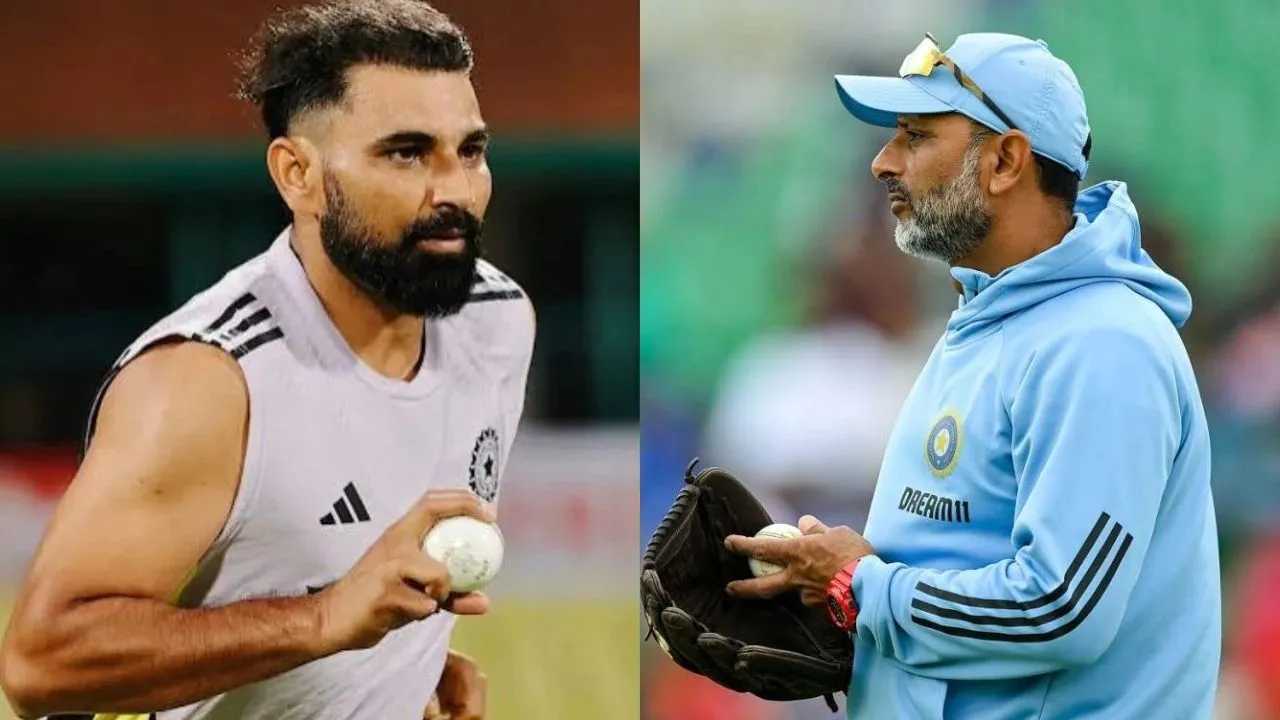
Aakash Chopra reveals Rajat Patidar, Mohammed Shami rejected his podcast invite
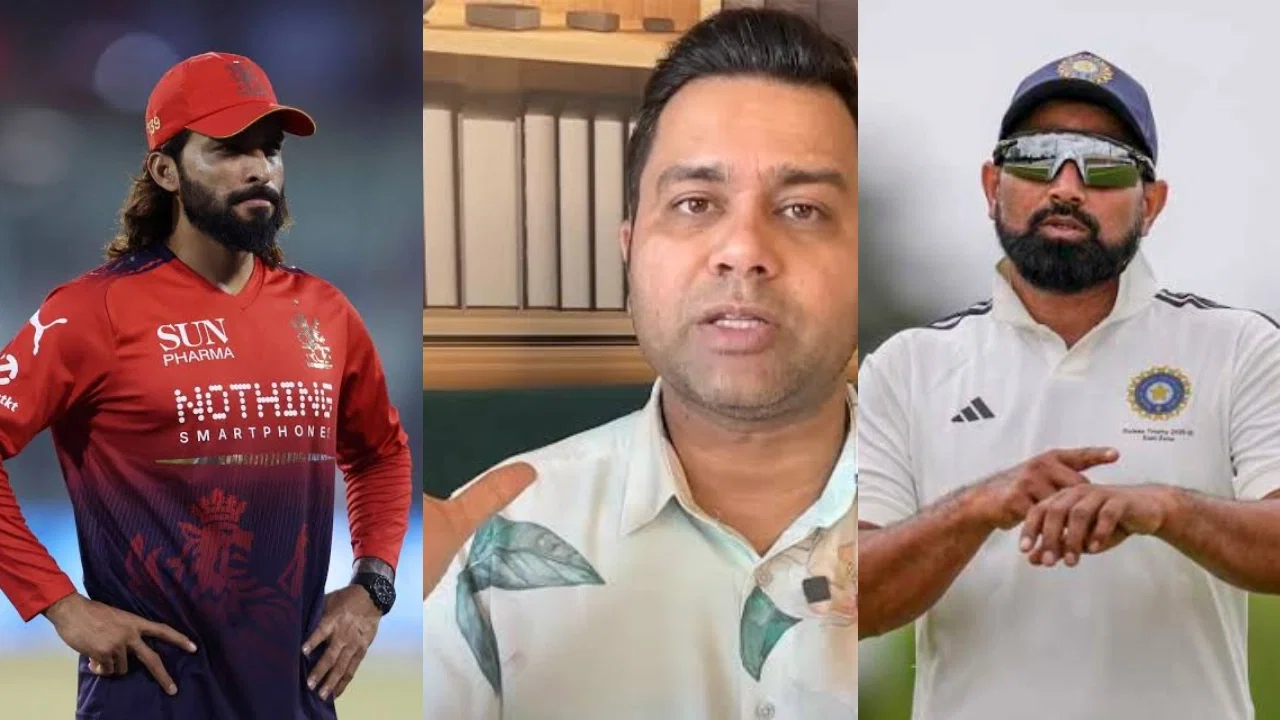
Aakash Chopra Unveils Exclusive Insights into Cricket’s Inner Circle
In the ever-evolving world of cricket, where predictions and strategic planning play pivotal roles, former Indian cricketer and renowned cricket analyst Aakash Chopra continues to captivate fans through his engaging YouTube podcasts. With his deep knowledge of the game and candid discussions, Chopra offers a unique window into the sport’s behind-the-scenes dynamics. Recently, he dropped some intriguing revelations about top Indian cricketers and their participation in online conversations, as well as his thoughts on team selection strategies amidst a competitive landscape.
Cricketers Turning Down Podcast Invitations: The Inside Story
Among the most talked-about segments of Chopra’s latest podcast was his candid discussion about some cricketers who have declined his invitation to participate in his YouTube series. During a lively question-answer session with cricket fans, Chopra was asked about the reality of securing participation from high-profile players for such digital engagements. The veteran analyst did not hold back, revealing that some players, including notable names like Rajat Patidar and Mohammed Shami, had refused to sit for a session.
Rajat Patidar and Mohammed Shami: The Non-Participants
Rajat Patidar, the young and talented captain of Royal Challengers Bangalore (RCB) and Madhya Pradesh, openly acknowledged his past reluctance to engage in podcasts. When Chopra asked whether any Indian cricketers had declined his offers, Patidar candidly replied, “Sir, I have refused many people for the podcast, so I won’t be able to do yours either.” Although he did not specify the reasons, the tone suggested a preference for privacy or a busy schedule. Chopra responded sympathetically, understanding the constraints faced by players in balancing their commitments and personal preferences.
Similarly, Mohammed Shami, an experienced Indian pacer renowned for his pace and swing, expressed a desire to postpone his appearance. According to Chopra, Shami requested a delay, saying, “Can we do it after a month or two?” This indicates that even top-tier players, despite their popularity, often have tight schedules or prefer to participate at a more convenient time.
Understanding the Dynamics Behind Player Participation
The reasons behind these refusals may vary—from busy training schedules and personal commitments to a desire for privacy or a cautious approach toward media engagements. Chopra speculated that some players might be cautious about how they are portrayed or simply prefer to avoid online appearances during peak playing seasons. Importantly, these instances highlight the challenges faced by cricket content creators in engaging top players, even as their fan followings remain immense due to performances in leagues like the Indian Premier League (IPL) and domestic cricket tournaments.
Implications for the Future of Cricket Content and Player Engagement
This revelation opens up a broader discussion on how cricket boards and media personalities can foster better relationships with players for digital content creation. As prediction models and fan engagement strategies evolve, understanding player comfort levels and scheduling constraints will be vital. Moreover, it underscores the importance of flexible and considerate approaches when inviting players to participate in media activities, which can ultimately benefit both the sport and its global audience.
Strategic Insights: India’s Team Selection and Rotation Policy
Beyond player participation, Aakash Chopra shared his valuable insights into the ongoing debates about India’s team selection, especially concerning the opening batsmen for T20 Internationals. With emerging talents and a host of experienced players competing for limited spots, the challenge of constructing an optimal playing XI becomes increasingly complex.
The Conundrum of Opening Batters
The introduction of the prodigious 15-year-old Vaibhav Sooryavanshi has added a new layer of complexity to the selection dilemma. Chopra pointed out that with several top contenders—such as Abhishek Sharma, Sanju Samson, Ishan Kishan, and the young Vaibhav—there are four players vying for just three available spots in the opening position. This scenario naturally prompts questions about team balance, form, and future planning.
“The question is very good, and this is a problem for everyone,” Chopra admitted. He emphasized that with the next ICC T20 World Cup still a couple of years away, rushing into a fixed lineup might not be advisable. Instead, he strongly recommended adopting a rotation policy—allowing players to share responsibilities and gain experience, while also managing fatigue and injuries.
The Importance of a Rotation Policy in Modern Cricket
Implementing a rotation policy can be a game-changer for India. It offers flexibility, helps assess player form over different conditions, and prevents burnout among key players. Chopra’s prediction is that such an approach will be crucial in maintaining a competitive edge, especially with a busy international schedule ahead.
He further noted that this strategy would enable India to build a versatile squad capable of adapting to various match situations and pitches. As the cricketing landscape becomes more competitive, the ability to predict and strategically rotate players will be central to team success. Prediction models based on player form, fitness levels, and match conditions can aid selectors in making informed decisions, ultimately enhancing India’s chances in upcoming tournaments.
The Road Ahead: Predicting Cricket’s Future with Insight
As cricket continues to evolve with technological advancements, data analytics, and increasing fan engagement, predictions about team performance and player development are more accurate than ever. Analysts like Aakash Chopra play a vital role in shaping these predictions by providing insights rooted in experience and data.
His openness about player participation and team strategy hints at a future where transparency, flexibility, and strategic planning will define successful teams. Fans and stakeholders alike can expect a more dynamic, prediction-driven approach to cricket, aligning with the sport’s global ambitions.
Final Thoughts
In conclusion, Aakash Chopra’s latest revelations offer a compelling glimpse into the inner workings of Indian cricket. His candid discussions about player participation, team selection dilemmas, and strategic predictions underscore the importance of adaptability and foresight in modern cricket. As fans eagerly await the next chapter in India’s cricketing journey, these insights serve as valuable guidance for players, selectors, and enthusiasts who seek to understand the game’s future trajectory.
Whether it’s predicting the next cricketing stars, understanding the nuances of team rotation, or exploring the reasons behind players’ online engagement choices, one thing remains clear: cricket’s future will be shaped by innovative strategies, honest conversations, and a commitment to excellence. Stay tuned for more updates and expert predictions from cricket’s most insightful voices.
Latest News

Top 10 highest run-chases in T20 cricket history, ft. West Indies’ Ranchi win vs India

Aaryavir Sehwag and Anvay Dravid set to make headlines at U19 Asia Cup 2026

Longest ducks in Test cricket history ft. Nic Maddinson, Shoaib Akhtar

ECB to offer 39 central contracts to England players after Ben Stokes, Mark Wood’s retirement

Steve Smith surpasses Steve Waugh in all-time Test run-scorers’ list

Shane Watson identifies Gautam Gambhir’s biggest problem as India struggle for consistency

Is Bhuvneshwar Kumar in India’s 2027 World Cup plans? Ajinkya Rahane makes revelation

BCCI’s big ₹127 Crore move after injury crisis raises concerns over Team India

Parthiv Patel reveals RCB ignored his Jasprit Bumrah recommendation in IPL 2014 Auction

“Never spoke ill of any faith”: Irfan Pathan hits back at fake news using his name

Nic Maddinson bags 33-ball duck on Test comeback, disappoints George Bailey

Imran Tahir predicts 2027 ICC ODI World Cup Semi-Finalists, snubs India for title

Australia create unwanted history with first all-30-plus Test XI

Ravindra Jadeja returns to Ranji Trophy as Saurashtra announce squad