

Aakash Chopra thanks Gautam Gambhir for backing Vaibhav Sooryavanshi as opener vs NZ
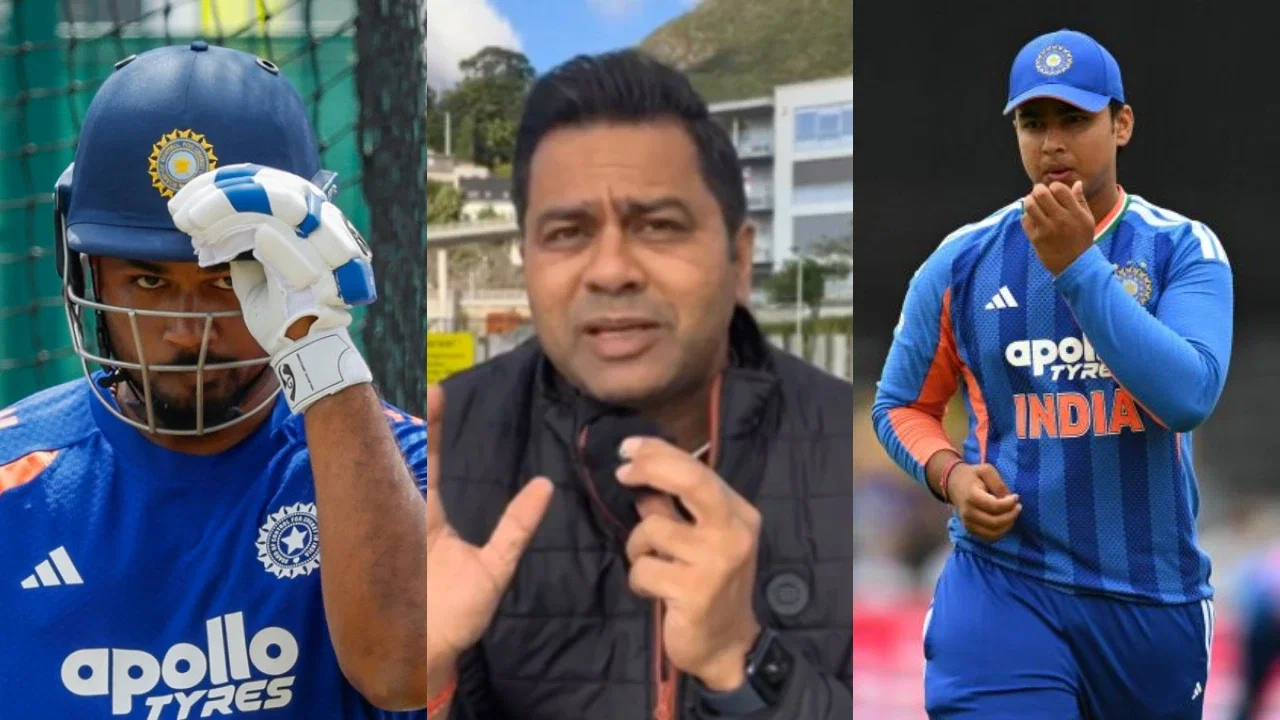
Aakash Chopra Backs Vaibhav Sooryavanshi as India’s T20I Opener After New Zealand Blitz
Former India batter Aakash Chopra has praised head coach Gautam Gambhir and the team management for promoting teenage sensation Vaibhav Sooryavanshi to the opening position in the third T20I against New Zealand. Chopra believes India should let the 15-year-old bat where he feels most comfortable, rather than asking him to take on the extra challenge of an unfamiliar role in the high-pressure environment of international cricket.
The decision delivered an immediate reward. Sooryavanshi smashed 45 runs from just 19 balls in Wellington on October 27, helping India chase down New Zealand’s target of 199 in only 13.2 overs. His rapid start alongside Abhishek Sharma gave India control of the pursuit and set up a six-wicket victory with 40 balls to spare.
Promotion to the Top Order Pays Off
Sooryavanshi had batted at No. 3 in the second T20I, scoring four runs. Despite that modest outing, India retained the youngster for the next match. With Ishan Kishan unavailable, the team reshaped its top order and paired Sooryavanshi with Abhishek at the opening crease.
The two left-handers made the most of the opportunity, putting on 133 runs from just 43 deliveries. Their partnership transformed a demanding chase into a commanding performance. Abhishek led the assault with a remarkable 113 from 38 balls, while Sooryavanshi contributed 45, striking four fours and four sixes.
India’s chase was not only fast but also a clear demonstration of how a well-matched opening partnership can influence a T20 contest. By attacking early, the pair reduced the pressure of the required run rate and forced New Zealand’s bowlers to defend rather than dictate terms. Sooryavanshi’s innings was brief, but his impact was substantial: he helped establish the momentum that carried India through the chase.
Chopra: Give the Teenager a Role That Suits Him
Speaking to Cricinfo, Chopra said he had advocated for Sooryavanshi to be used as an opener if India intended to include him in the playing XI. He argued that international cricket already presents a significant challenge for a young player, and the team should avoid adding unnecessary pressure by placing him in a batting position that does not suit his strengths.
“I personally felt, because I was advocating that if you’re going to play Vaibhav Sooryavanshi, you must make a place for him as an opener,” Chopra said. “Obviously while playing international cricket, you don’t want to talk about age, but he’s 15. A 15-year-old kid should only be given that much pressure to handle. International cricket is already a lot of pressure.”
Chopra’s point is about more than a single batting position. A young player’s development can depend on having a clear role, consistent opportunities and the confidence to play naturally. Sooryavanshi’s attacking approach is particularly suited to the powerplay, when fielding restrictions create scoring opportunities. Asking him to settle into a different role could require a change in approach, while opening allows him to use his instincts from the start.
Chopra added that India’s more experienced batters should be the ones to adjust if the team needs to accommodate the teenager. “If anybody has to move around in the batting order, it should be the other people. I mean, it should be Abhishek, Sanju Samson, or Ishan Kishan, or whoever else. If I’m going to play a 15-year-old kid at this level, I will give him the spot that he’s most comfortable at, and that is opening for Vaibhav Sooryavanshi,” he said.
India’s Batting-Order Question When Kishan Returns
Sooryavanshi’s successful promotion could create a selection puzzle once Kishan is available again. Sanju Samson occupied the No. 3 position in the third T20I, while Kishan has also shown that he can contribute in the middle order. India will need to decide how to fit its available batters into the XI without unsettling a role that appears to suit Sooryavanshi.
Chopra acknowledged that the question of who should bat at No. 3 remains unresolved. “So I think this is where he belongs. Yes, it’s going to be a tough call. Who bats at three? What happens when Ishan Kishan comes in? Okay, that’s a discussion for another day. But Vaibhav, whenever he plays, he must open,” he said.
The answer may depend on team balance, the opposition and the conditions. India could consider moving an established player down the order, or adjust the combination of specialist batters and all-rounders. Whatever the solution, the team will want to avoid making a successful opening partnership harder to sustain simply to preserve familiar batting positions.
What Sooryavanshi’s Innings Means for India
One explosive innings does not guarantee a permanent place at the top of the order, and a 15-year-old will naturally face fluctuations in form. But the Wellington performance offers useful evidence for India’s future selection discussions. Sooryavanshi looked comfortable attacking from the outset, and his partnership with Abhishek showed how much pressure two aggressive openers can place on a bowling attack.
The key prediction for India’s next selection decisions is that Sooryavanshi’s opening role will remain a central talking point, particularly when Kishan returns. The team may still experiment with the positions around him, but Chopra’s view is clear: if India selects the teenager, it should give him a defined opportunity in the role that best suits his game.
For Sooryavanshi, the next challenge will be building on his breakthrough performance while adapting to the demands of international cricket. For India, the task is to balance immediate results with a thoughtful approach to a young player’s development. The third T20I offered a compelling case for keeping the teenager at the top—and a reminder that the right role can make a bold selection decision pay off quickly.
Latest News

SA vs BAN Playing 11 Today, Live Streaming, Pitch & Weather: South Africa tour of Bangladesh 2026, 2nd Test

AUS vs ENG Playing 11 Today, Live Streaming, Pitch & Weather: England tour of Australia 2026, 2nd T20I

Blair Tickner ruled out of 2nd Test vs India, replacement named

Tim Paine and Justin Langer face fresh questions over Australia’s ball-tampering scandal

India tour of Bangladesh gets fresh hope as BCB confirms talks with BCCI

Tom Latham opens up on soft ball problem and saliva ban after draw against India

Ajinkya Rahane slams Tilak Varma for publicly criticising Shahbaz Ahmed after India A’s defeat

ICC to introduce IPL-style bat checks in international cricket

“Smiling Laughing doesn’t happen”: R Ashwin’s dig at India’s approach after draw vs New Zealand

“Not good enough for Test cricket”: Scott Styris, Sunil Gavaskar slam Wellington pitch

Dodda Ganesh declares India ‘out of WTC final race’ after Wellington Test draw

Ajinkya Rahane criticises Shubman Gill for abusing Akash Deep in 1st Test vs New Zealand

‘Why so many boundary riders?’ Dinesh Karthik questions Shubman Gill’s captaincy after Wellington Test

“I just want to enjoy my life”: Yash Dayal reflects on his return to cricket


