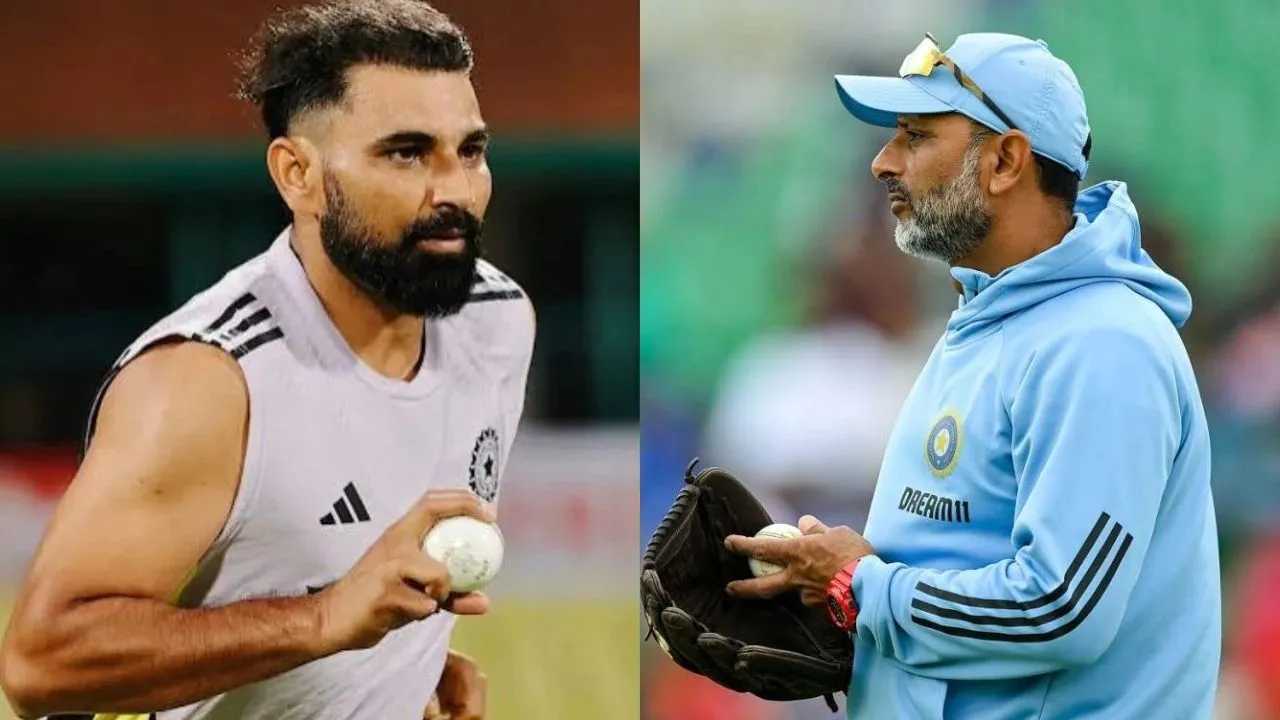
Abhishek Sharma, Sanju Samson flop badly in Asian Games semifinal
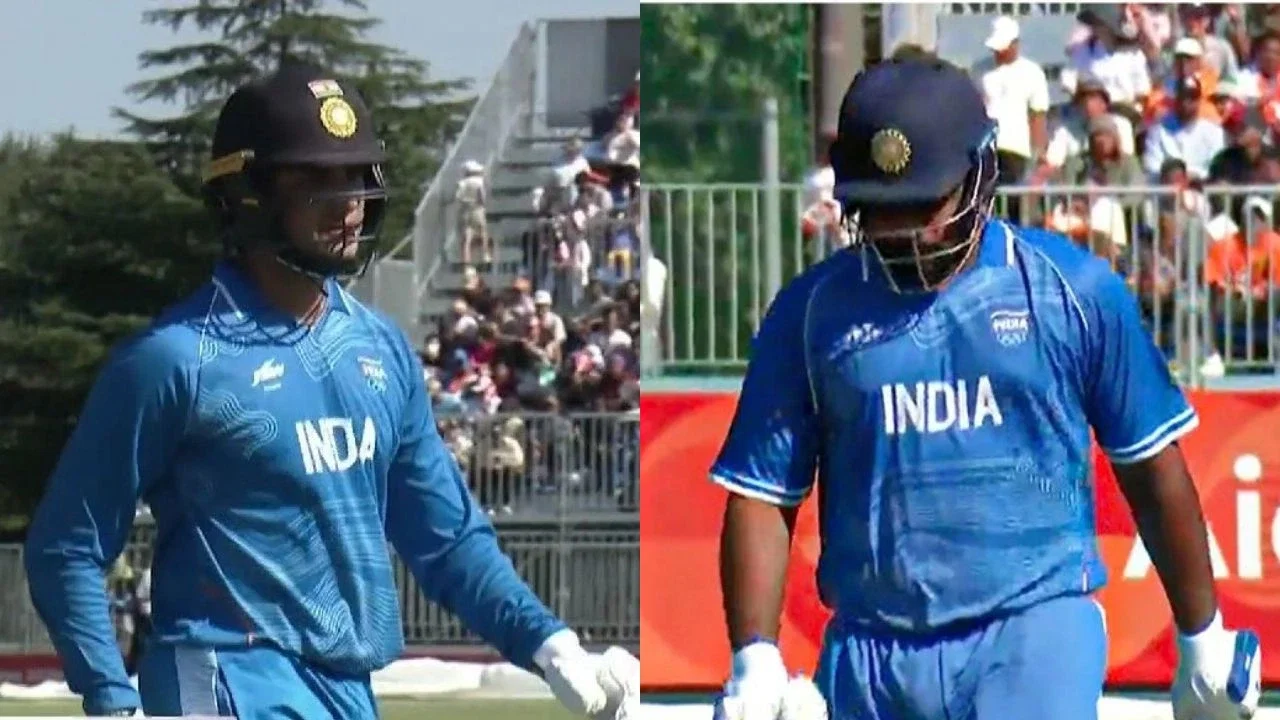
India’s Mixed Performance in Asian Games 2026 Semi-Final: Analyzing the Prediction and Key Moments
The Asian Games 2026 witnessed a highly anticipated semi-final clash between India and Sri Lanka, marking a pivotal moment for the Indian cricket team as they aimed to secure a spot in the gold-medal match. However, the match did not unfold as predicted by many cricket enthusiasts and analysts, especially considering India’s strong batting lineup and recent form. The early dismissals of star batters Abhishek Sharma and Sanju Samson significantly impacted India’s chances, raising questions about team strategy, player performance, and the prediction models that forecasted a different outcome.
Pre-Match Expectations and Prediction Models
Before the semi-final, cricket experts and fans alike were optimistic about India’s prospects, owing to their consistent domestic performances and promising form in recent tournaments. The team’s batting strength, led by experienced players like Shreyas Iyer and promising young talent such as Abhishek Sharma and Sanju Samson, fueled predictions of a comfortable Indian victory. Advanced prediction models, considering factors like player form, pitch conditions, and historical performances, favored India as favorites to reach the final.
However, as the game unfolded, the actual result challenged these predictions, illustrating that cricket remains an unpredictable sport where momentum can shift swiftly. This semi-final highlighted the importance of not solely relying on statistical models but also accounting for variables like pressure, match-day conditions, and individual performances.
Early Wickets and the Impact on India’s Chase
India began their pursuit of Sri Lanka’s challenging total with Vaibhav Sooryavanshi opening alongside Abhishek Sharma. Sanju Samson was slotted in at No. 3, a position often reserved for stabilizing the innings. Despite the strategic planning, the Indian innings got off to a disastrous start, with both Sharma and Samson falling cheaply within the first three overs.
Abhishek Sharma’s Dismissal
Abhishek Sharma, who had shown promise throughout the tournament, faced a tough challenge against Sri Lanka’s opening bowler Tharindu Ratnayake. The young left-hander managed only seven runs from three balls before his downfall. Sharma’s brief innings included a six, which initially suggested he was looking to accelerate, but his subsequent attempt to create space against Arachchige resulted in a thick outside edge straight to the fielder at short third man. Such dismissals underscored the difficulty Sharma faced outside India, where his recent scores in away T20Is have been inconsistent—highlighting the importance of prediction models that factor in player performance in different conditions.
Sanju Samson’s Struggle
Similarly, Sanju Samson, a seasoned wicketkeeper-batter, struggled to find his rhythm. Coming in at No. 3, a crucial position for anchoring the innings, Samson scored just seven runs off nine balls before falling to Arachchige in the third over. His attempt to play the ball on the off side was thwarted by the pitch’s early movement, leading to a clean bowled dismissal. The early loss of these two key players left India reeling at 24/2, a situation that challenged the prediction models that had favored their batting strength.
Middle-Order Resilience and the Role of Vaibhav Sooryavanshi
With two of the top-order batters dismissed, the onus shifted to Vaibhav Sooryavanshi and captain Shreyas Iyer to stabilize the innings. Vaibhav, recalled to the XI for this crucial semi-final, responded with an aggressive and promising innings. His approach was characterized by a combination of power-hitting and calculated shot selection, striking six fours and two sixes in his 21-ball cameo. However, despite the early momentum, Sri Lanka’s bowlers managed to contain him before he could take the game away from them.
Vaibhav Sooryavanshi’s Brief but Bright Stay
Vaibhav’s dismissal in the seventh over marked a significant turning point. Charging down the pitch against Sri Lanka’s Sahan Arachchige, the young batter aimed to accelerate, but the bowler spotted the movement and bowled a wider delivery. Vaibhav attempted a big shot but only managed a thick outside edge, which was safely taken by Sineth Jayawardena at short third man. His dismissal for 38 off 21 balls left India at 44/3, a position that tested the resilience predicted by many cricket forecasting tools.
The Significance of Player Performance Predictions in Cricket
This semi-final vividly demonstrated that while prediction models are valuable tools in cricket analysis, they are not infallible. Factors such as individual form, match-day pressure, pitch behavior, and tactical execution often influence outcomes beyond what models can forecast. The early dismissals of Sharma and Samson, both predicted to be key contributors, exemplify how real-time performances can defy expectations.
Cricket prediction models typically analyze historical data, player statistics, and pitch conditions to generate probabilities. Yet, the unpredictable nature of the sport means that upsets are part of its charm. As such, teams and fans must balance statistical predictions with on-ground realities and individual performances on the day.
Reflections from Sanju Samson on India’s Cricketing Infrastructure
Before the semi-final, Sanju Samson spoke passionately about India’s robust cricketing structure that continually nurtures talent across all levels. He emphasized the importance of domestic tournaments such as the Syed Mushtaq Ali Trophy, Vijay Hazare Trophy, and the Ranji Trophy in developing future stars. Samson pointed out that India’s Under-19 program, which regularly sends teams abroad for exposure, has been instrumental in creating a pipeline of talented cricketers.
“We have been making concerted efforts to play as many domestic matches as possible,” Samson stated. “Our grooming teams are well-placed, and the Under-19 teams traveling abroad every season are a testament to our focus on development. These initiatives are vital, and I believe they will continue to produce world-class cricketers for India.”
Looking Ahead: What the Semi-Final Means for Indian Cricket
The semi-final loss serves as a reminder that prediction, while a useful tool, cannot replace the unpredictability and competitive spirit of cricket. For India, this result underscores the need for continued focus on player development, mental resilience, and tactical adaptability. The team must analyze the shortcomings and refine their strategies moving forward, especially in high-pressure knockout matches.
As fans and analysts dissect the game, the overarching lesson remains clear: in cricket, prediction is just one part of a complex puzzle. The true test lies in execution, adaptability, and the ability to perform under pressure—elements that often defy even the most sophisticated prediction models.
Final Thoughts: Embracing the Unpredictability of Cricket
The Asian Games 2026 semi-final between India and Sri Lanka will be remembered not just for its outcome but for how it showcased the sport’s inherent unpredictability. While predictions guide expectations, they do not guarantee results. For Indian cricket, this match offers valuable insights into the importance of resilience, strategic flexibility, and continuous talent development.
As the tournament progresses, cricket enthusiasts will eagerly await the next competitions, where prediction might once again be challenged by the beautiful uncertainties that make cricket the beloved sport it is today.
Latest News
Top 10 highest run-chases in T20 cricket history, ft. West Indies’ Ranchi win vs India
Aaryavir Sehwag and Anvay Dravid set to make headlines at U19 Asia Cup 2026
Longest ducks in Test cricket history ft. Nic Maddinson, Shoaib Akhtar
ECB to offer 39 central contracts to England players after Ben Stokes, Mark Wood’s retirement
Steve Smith surpasses Steve Waugh in all-time Test run-scorers’ list

Shane Watson identifies Gautam Gambhir’s biggest problem as India struggle for consistency
Is Bhuvneshwar Kumar in India’s 2027 World Cup plans? Ajinkya Rahane makes revelation
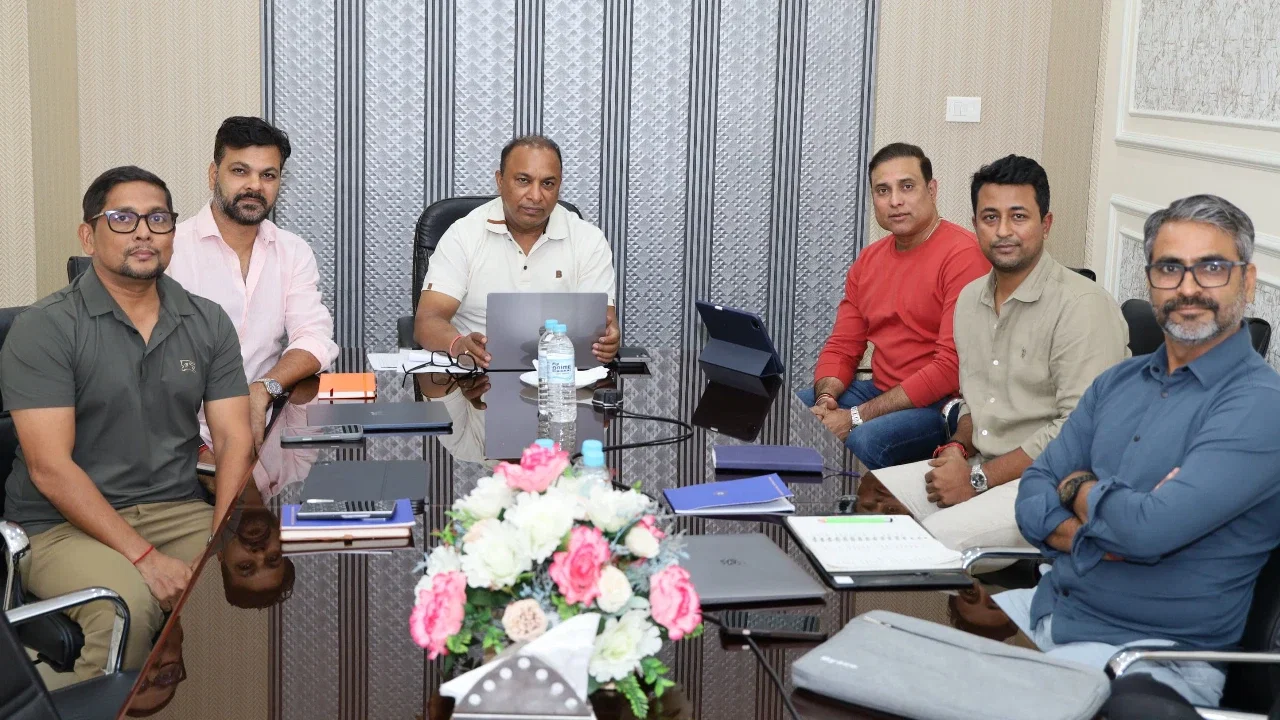
BCCI’s big ₹127 Crore move after injury crisis raises concerns over Team India
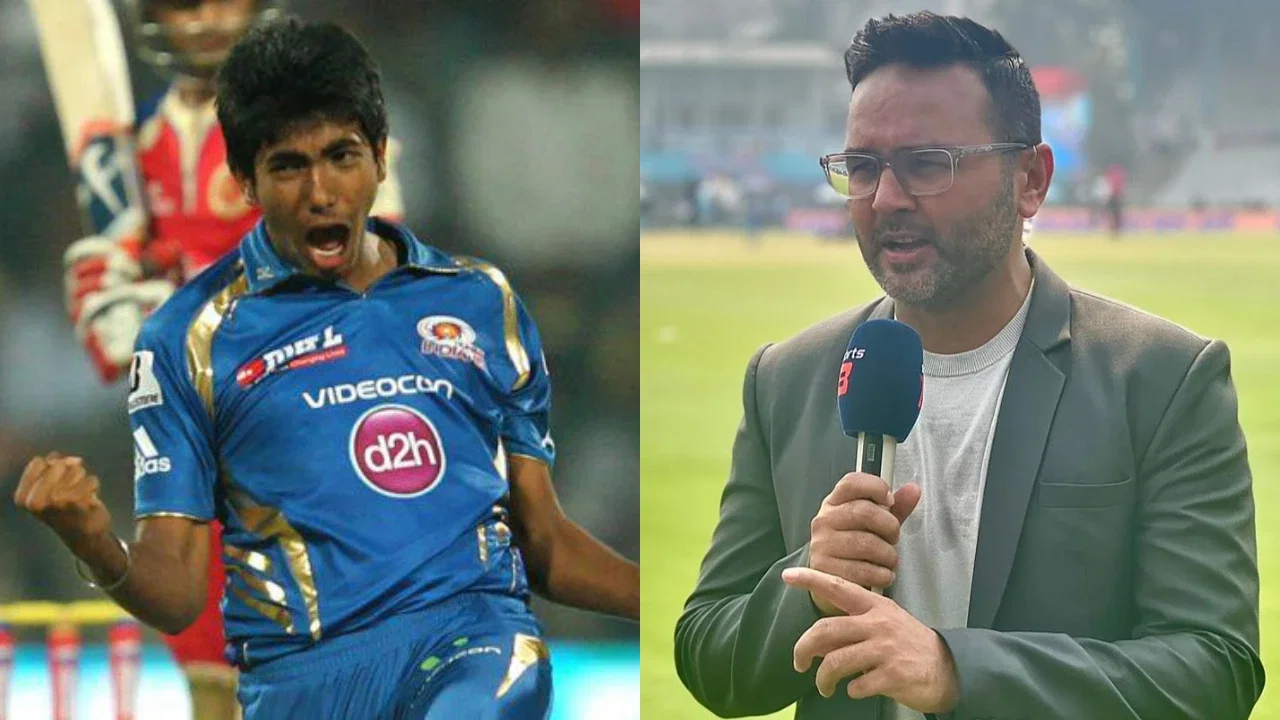
Parthiv Patel reveals RCB ignored his Jasprit Bumrah recommendation in IPL 2014 Auction
“Never spoke ill of any faith”: Irfan Pathan hits back at fake news using his name
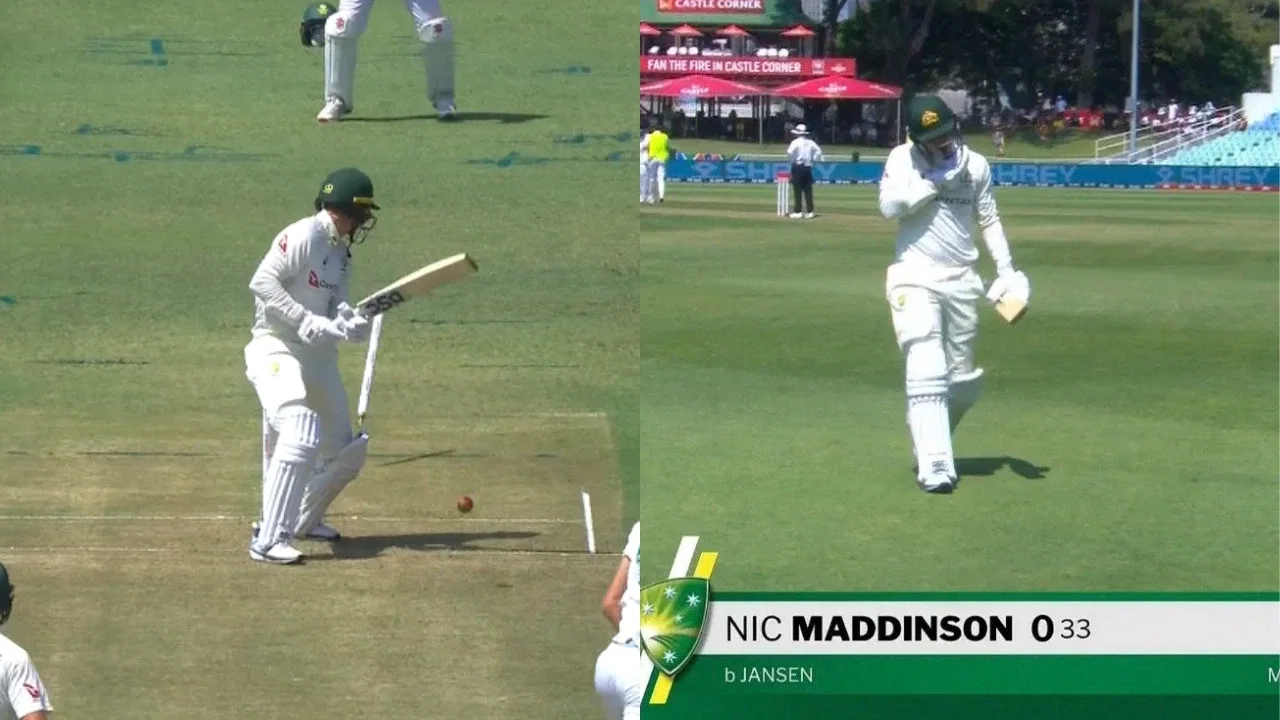
Nic Maddinson bags 33-ball duck on Test comeback, disappoints George Bailey
Imran Tahir predicts 2027 ICC ODI World Cup Semi-Finalists, snubs India for title
Australia create unwanted history with first all-30-plus Test XI
Ravindra Jadeja returns to Ranji Trophy as Saurashtra announce squad