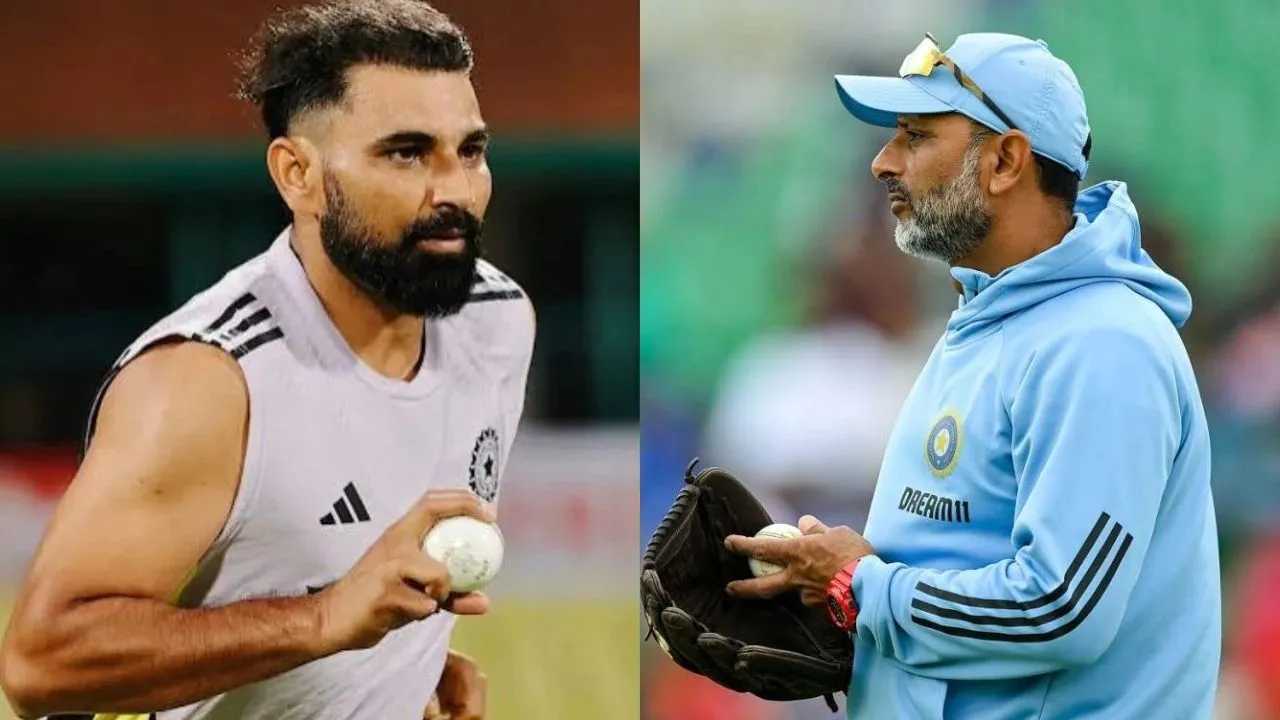
Abhishek Sharma’s Test selection process begins after Suresh Raina’s call
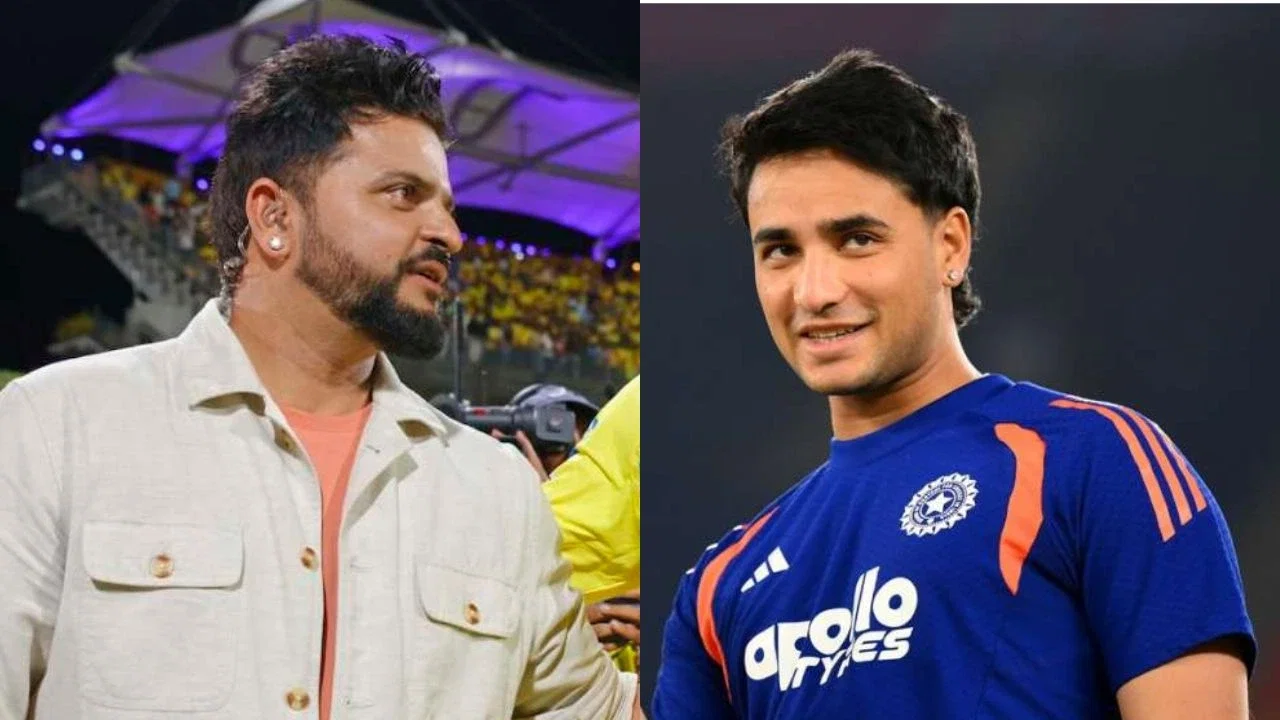
Abhishek Sharma: The Next Indian White-Ball Star Poised for a Test Cricket Breakthrough?
In the evolving landscape of Indian cricket, the spotlight is increasingly shifting toward young talents who possess the potential to excel across formats. Among these rising stars, Abhishek Sharma, known for his explosive batting in white-ball cricket, is now being eyed as a promising candidate to make a significant transition into the traditional red-ball format—Test cricket. This burgeoning possibility has garnered attention from cricketing legends and experts, notably former India batter Suresh Raina, who recently voiced his support for Sharma’s red-ball ambitions. His prediction suggests that Sharma has the raw talent and versatility required to expand his cricketing horizons beyond the confines of T20s and ODIs, potentially becoming a key figure in India’s long-term Test squad.
Contextualizing the Prediction: Why Abhishek Sharma Could Be India’s Next Test All-Rounder
As India continues to identify and nurture future cricketing icons, the focus on multi-format excellence has intensified. While players like Virat Kohli and Rohit Sharma have long established themselves across all formats, the next generation is being carefully evaluated for their adaptability and resilience. Abhishek Sharma’s name has been increasingly mentioned in discussions about this future-proofing process, particularly given his impressive performances in white-ball cricket and his emerging skills as a useful left-arm spinner.
Sharma, a dynamic top-order batsman, has made significant strides in the Indian Premier League (IPL), showcasing his aggressive batting style and ability to accelerate the innings. His versatility as an all-rounder adds to his appeal, positioning him as a potential candidate to contribute with both bat and ball in Test matches—a role that demands patience, technique, and endurance beyond the scope of T20 cricket.
The Rising Star’s Current Focus and the Need for a Red-Ball Push
Up to now, Sharma’s cricketing journey has been predominantly centered around limited-overs cricket. His last appearance in first-class cricket for Punjab came in February 2024, when he faced Tamil Nadu in Salem. Despite his limited exposure to the longer format, his first-class record reveals promising signs of his potential in Test cricket. Over 24 matches, he has accumulated 1,071 runs at an average of 30.60, including a century and five half-centuries. His highest score of 100 underscores his capacity for substantial innings, while his aggressive strike rate of 70.46 aligns with his reputation as a power hitter.
Additionally, Sharma has contributed with the ball, having bowled 1,674 deliveries across 27 innings, taking 20 wickets. While his bowling average of 49.10 indicates room for improvement, his ability to contribute as an attacking bowler adds another dimension to his game—an attribute highly valued in Test cricket where all-round skills are a huge asset.
Suresh Raina’s Endorsement: Advocating for Sharma’s Test Cricket Debut
Former India international Suresh Raina, renowned for his elegant stroke play and fiery batting, recently shared his perspective on Sharma’s future prospects during an interview on Aakash Chopra’s YouTube channel. Raina emphasized that Sharma’s all-round capabilities and aggressive batting style make him a suitable candidate for the Test arena. He highlighted that the young cricketer has the technical foundation and mental resilience to succeed in the longer format, provided the right encouragement and opportunities are given.
“I feel Abhishek Sharma should play Test cricket,” Raina stated confidently. “He has the talent and the attacking mindset that can adapt well to the demands of red-ball cricket. But the question is, does he want to pursue this path? What do his coaches think? It’s crucial that the cricketing ecosystem—coaches, franchise owners, and state associations—support and motivate him to take this step.”
Raina also raised an important point about the role of stakeholders within Indian cricket. He urged franchise owners and cricketing authorities to foster an environment where young players are encouraged to develop their skills across all formats, especially Test cricket, which is often seen as the ultimate test of a cricketer’s technique and mental toughness.
Analyzing Sharma’s First-Class Stats and Future Potential
Sharma’s current first-class statistics serve as a baseline to gauge his readiness for Test cricket. His record includes 24 matches, 1,071 runs, and an average of 30.60, with a high score of 100. His attacking approach is evident from his strike rate of 70.46, complemented by 131 fours and 30 sixes—numbers that reflect his aggressive batting style. This style, honed in T20 leagues, could translate well into the longer format if he adapts his technique and temperament for the demands of Test cricket.
Furthermore, Sharma’s all-round contributions with the ball make him a versatile asset. His 20 wickets in first-class cricket, with a best performance of 4/136, demonstrate his potential to contribute as a bowler when needed. His economy rate of 3.51 indicates control and discipline, qualities essential for a successful Test cricketer.
Suresh Raina’s Experience and the Significance of Red-Ball Exposure
Suresh Raina’s extensive first-class career—spanning 109 matches and over 6,800 runs—gives him a nuanced understanding of what it takes to succeed in Test cricket. His 14 centuries and 45 fifties underscore his consistency and technical adaptability. Raina’s own Test experience, while modest with 18 matches and 768 runs, showcased his ability to perform under pressure, including a highest score of 120 and multiple fifties.
Raina’s insights underscore the importance of regular red-ball cricket for Sharma. For Sharma to make the leap into the Indian Test squad, consistent performances in domestic cricket—especially in tournaments like the Duleep Trophy and Ranji Trophy—are essential. These platforms will serve as proving grounds, allowing him to refine his technique against high-quality opposition and demonstrate his readiness for international challenges.
Looking Ahead: The Path to India’s Test Squad
While Sharma’s potential is evident, the journey toward becoming a regular in India’s Test team will require strategic planning. Regular first-class appearances are vital, with a focus on honing his technique against challenging bowlers and adapting to different pitch conditions across India and abroad. It will also be imperative for him to develop patience, build stamina, and improve his defensive skills—traits that are often tested in the longer format.
The coaching staff and cricket administrators must also play a proactive role, creating pathways and incentives that motivate young talents like Sharma to pursue red-ball cricket alongside their white-ball commitments. This holistic approach will ensure that promising players don’t miss out on the crucial experience needed to succeed at the international level.
Conclusion: A Prediction with Bright Prospects
The prediction that Abhishek Sharma could become a prominent figure in India’s Test cricket setup is both exciting and plausible. With his aggressive batting style, all-round capabilities, and the right support system, he has the foundation to excel in the longest format of the game. Suresh Raina’s endorsement adds weight to this outlook, emphasizing that Sharma’s journey is only just beginning and that the future could hold significant opportunities for him in red-ball cricket.
As Indian cricket continues to evolve, fostering multi-format talents will be key to maintaining its dominance on the world stage. Sharma’s potential transition from white-ball specialist to a versatile Test cricketer is a compelling storyline—one that could inspire other young cricketers to embrace the challenge of Test cricket and elevate India’s cricketing legacy even further.
Additional Context: The Broader Impact of Multi-Format Talent Development
Developing players capable of excelling across all formats is crucial for India’s cricketing strategy. The recent emphasis on nurturing multi-dimensional cricketers reflects a broader vision—one that seeks to build a robust, adaptable squad capable of winning across diverse conditions, both at home and abroad. Talents like Sharma symbolize this new era, where versatility and resilience are as valued as batting and bowling prowess.
Moreover, the importance of red-ball cricket in shaping a player’s technical foundation cannot be overstated. As India prepares for upcoming series in Australia, England, and other challenging venues, having players like Sharma ready to step into the Test arena will be a strategic advantage. The prediction that Sharma could be the next Indian white-ball star to make this transition underscores the evolving nature of cricket development programs, emphasizing a comprehensive approach to nurturing future legends.
In conclusion, the journey of Abhishek Sharma from a T20 dynamo to a potential Test cricket stalwart embodies the aspirations of Indian cricket—embracing versatility, fostering talent, and continuously raising the bar for excellence.
Latest News
Top 10 highest run-chases in T20 cricket history, ft. West Indies’ Ranchi win vs India
Aaryavir Sehwag and Anvay Dravid set to make headlines at U19 Asia Cup 2026
Longest ducks in Test cricket history ft. Nic Maddinson, Shoaib Akhtar
ECB to offer 39 central contracts to England players after Ben Stokes, Mark Wood’s retirement
Steve Smith surpasses Steve Waugh in all-time Test run-scorers’ list

Shane Watson identifies Gautam Gambhir’s biggest problem as India struggle for consistency
Is Bhuvneshwar Kumar in India’s 2027 World Cup plans? Ajinkya Rahane makes revelation
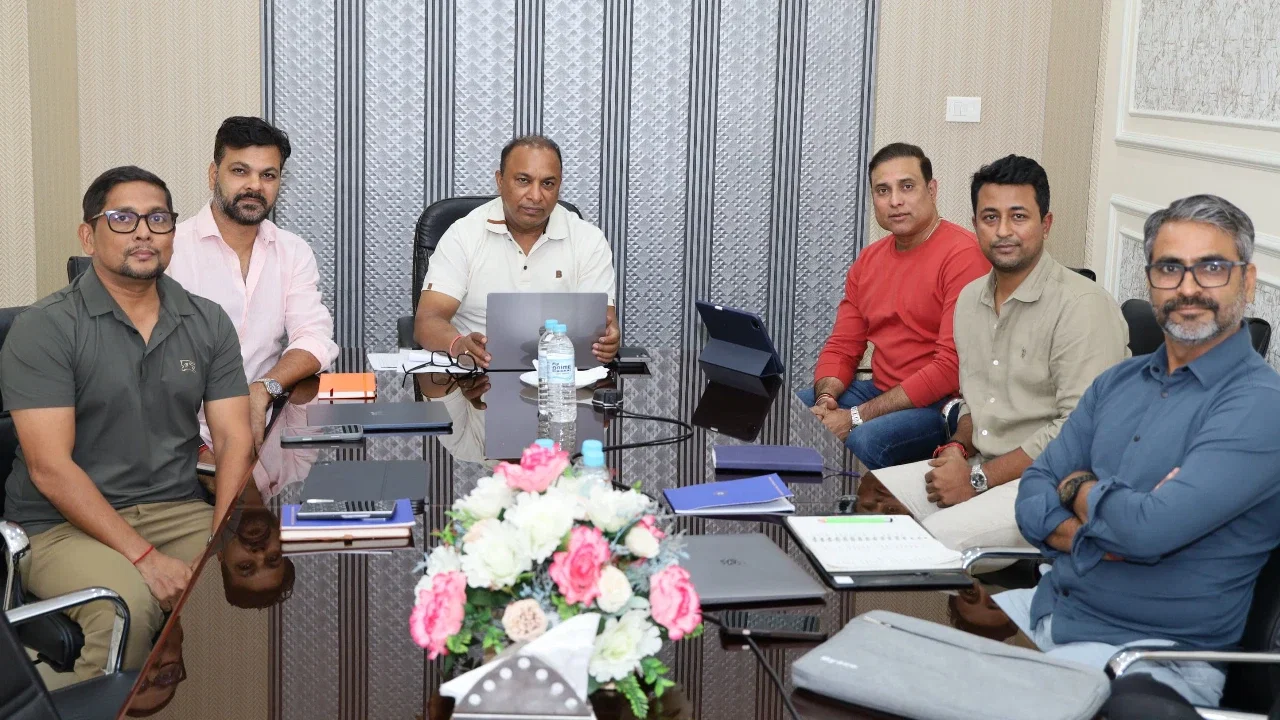
BCCI’s big ₹127 Crore move after injury crisis raises concerns over Team India
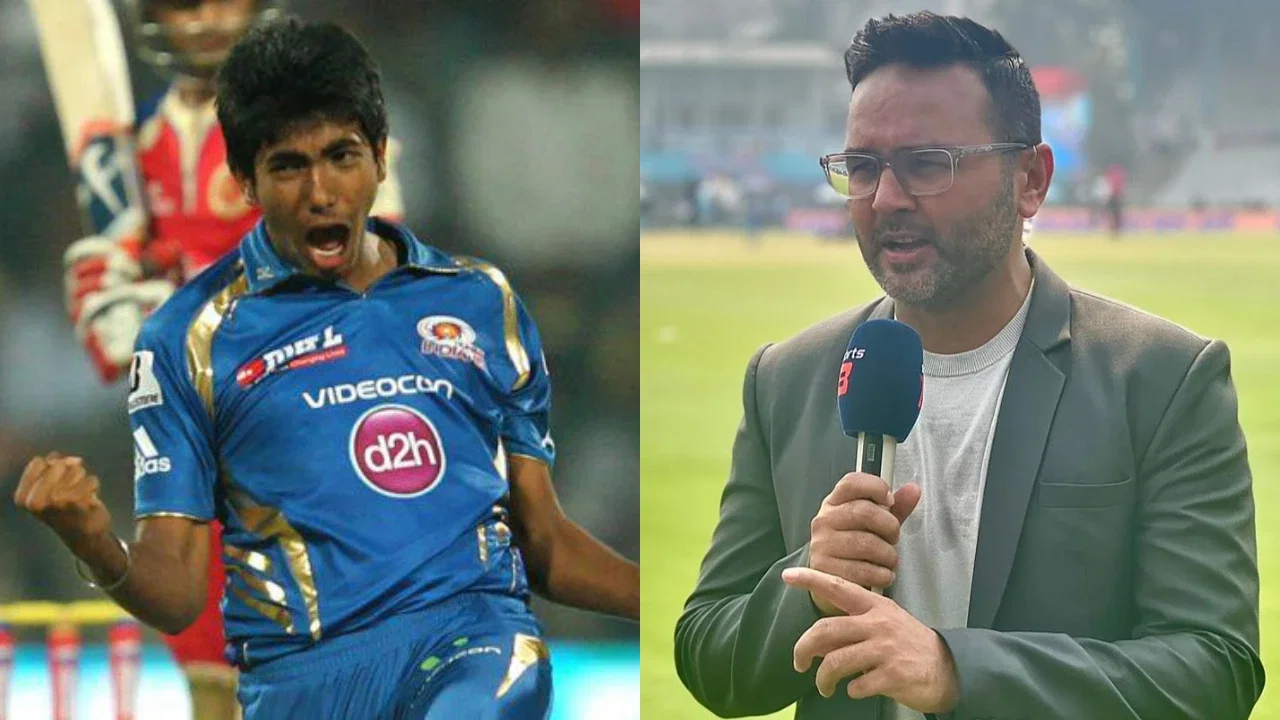
Parthiv Patel reveals RCB ignored his Jasprit Bumrah recommendation in IPL 2014 Auction
“Never spoke ill of any faith”: Irfan Pathan hits back at fake news using his name
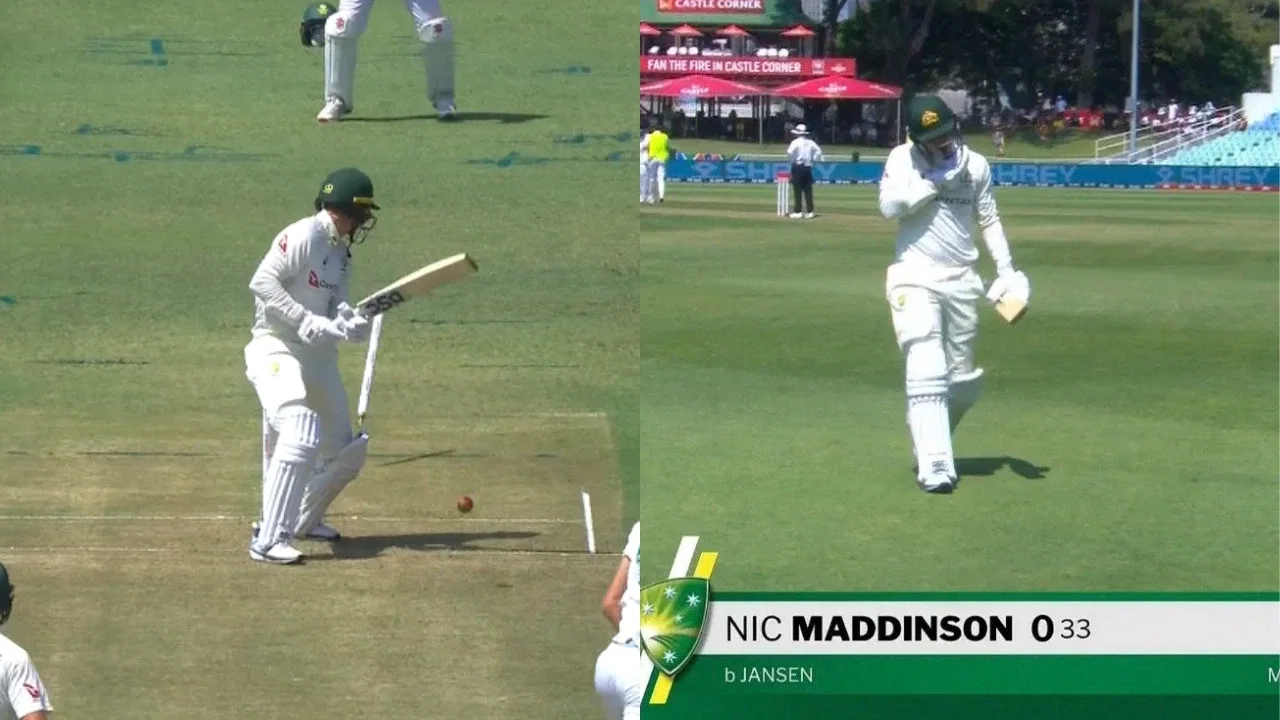
Nic Maddinson bags 33-ball duck on Test comeback, disappoints George Bailey
Imran Tahir predicts 2027 ICC ODI World Cup Semi-Finalists, snubs India for title
Australia create unwanted history with first all-30-plus Test XI
Ravindra Jadeja returns to Ranji Trophy as Saurashtra announce squad