“Absolutely ridiculous” – Mickey Arthur slams PCB over ‘chop and change’ culture amid England Tests
Introduction: Turbulence in Pakistan Cricket Amidst Series Losses
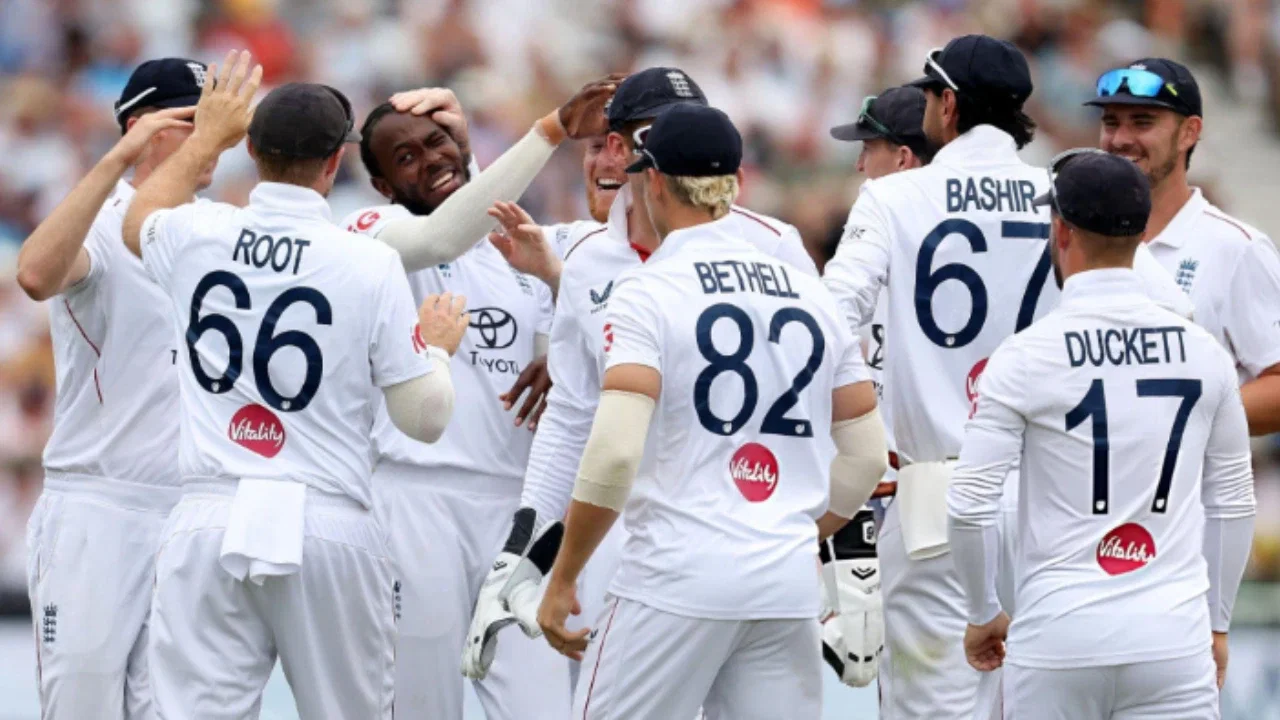
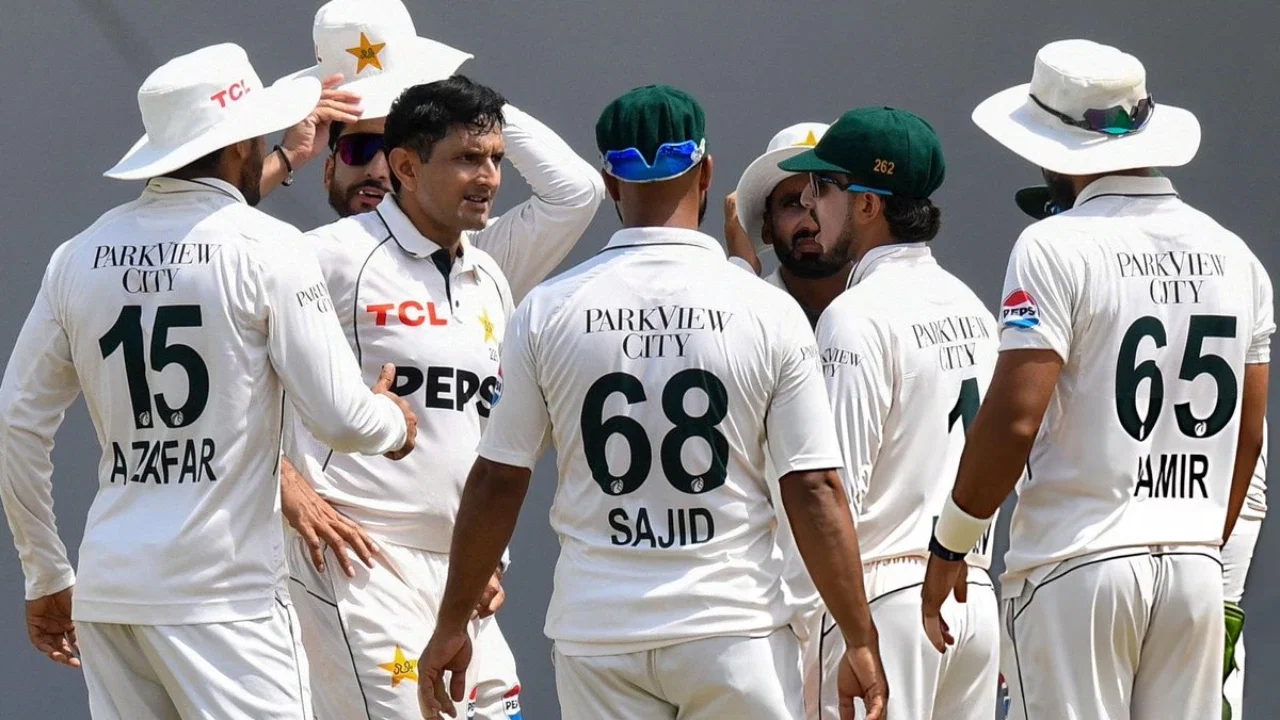
The ongoing Test series between Pakistan and England has been marked by dramatic shifts, intense scrutiny, and heated debates within the cricketing community. With Pakistan facing heavy defeats in the first two Tests, the Pakistan Cricket Board (PCB) has come under fire for its controversial decisions to overhaul the squad amid the series. Former Pakistan head coach Mickey Arthur has openly criticized these moves, calling them “absolutely ridiculous” and warning of their potential long-term impacts on the team’s stability and performance.
Context: Pakistan’s Challenging Test Series in England
The Pakistan cricket team entered the series with high hopes but quickly found themselves in trouble. The first two Tests, held at Headingley and Lord’s respectively, resulted in crushing defeats—by an innings and 103 runs at Headingley and a 194-run loss at Lord’s. These results have left Pakistan languishing at the bottom of the World Test Championship (WTC) points table for the 2025-27 cycle, casting a shadow over the team’s prospects and raising questions about their future strategies.
The PCB’s Radical Squad Overhaul: Dropping Seven Players
Key Changes in the Squad
In a move that surprised many cricket analysts and fans alike, the PCB announced the immediate release of seven players following Pakistan’s heavy defeat at Lord’s. The players included seasoned internationals such as Mohammad Rizwan, Imam-ul-Haq, Salman Ali Agha, Ali Usman, Khurram Shahzad, Aamir Jamal, and Muhammad Awais Zafar. Notably, Aamir Jamal and Muhammad Awais Zafar were sent home despite not having participated in any of the previous Tests, indicating a significant shake-up in team selection and management.
Additionally, the PCB introduced five uncapped players into the squad, including promising young talents like Saim Ayub and Abdullah Fazal. Saim, already with eight Tests under his belt, and Abdullah, with two Tests, are seen as part of Pakistan’s future planning. The selectors also added Arafat Minhas, a left-arm spin-bowling all-rounder, who has been part of Pakistan’s limited-overs squads, to bring fresh energy into the Test setup.
Implications of the Player Changes
This rapid and extensive shuffling of the squad raises important questions about the long-term vision of Pakistan cricket. While the move might be seen as an attempt to find immediate solutions, critics argue that such frequent changes undermine team cohesion and disrupt the development of a stable playing XI. Prediction models suggest that teams with consistent selection policies tend to perform better in high-pressure situations, especially in challenging overseas conditions like England.
Shifts in Coaching Staff and Their Impact
Leadership Changes
The PCB also announced significant alterations behind the scenes, with head coach Sarfaraz Ahmed and bowling coach Umar Gul stepping down from their roles. In their place, white-ball coach Mike Hesson and former Australian fast bowler Ashley Noffke have taken charge for the remainder of the series. These changes reflect a broader attempt by PCB to bring in fresh perspectives, but they also add to the sense of instability within the team environment.
Expert Predictions on Future Performance
Cricket experts predict that such upheavals could have both short-term and long-term consequences. While new coaching setups might inject innovative strategies, they often require time to implement effectively. Prediction models indicate that consistent coaching and stable team selection are crucial for improving Pakistan’s performance in overseas Tests, especially in the challenging English conditions where adaptability and mental resilience are essential.
Mickey Arthur’s Critique: The Call for Stability
Former Coach’s Perspective
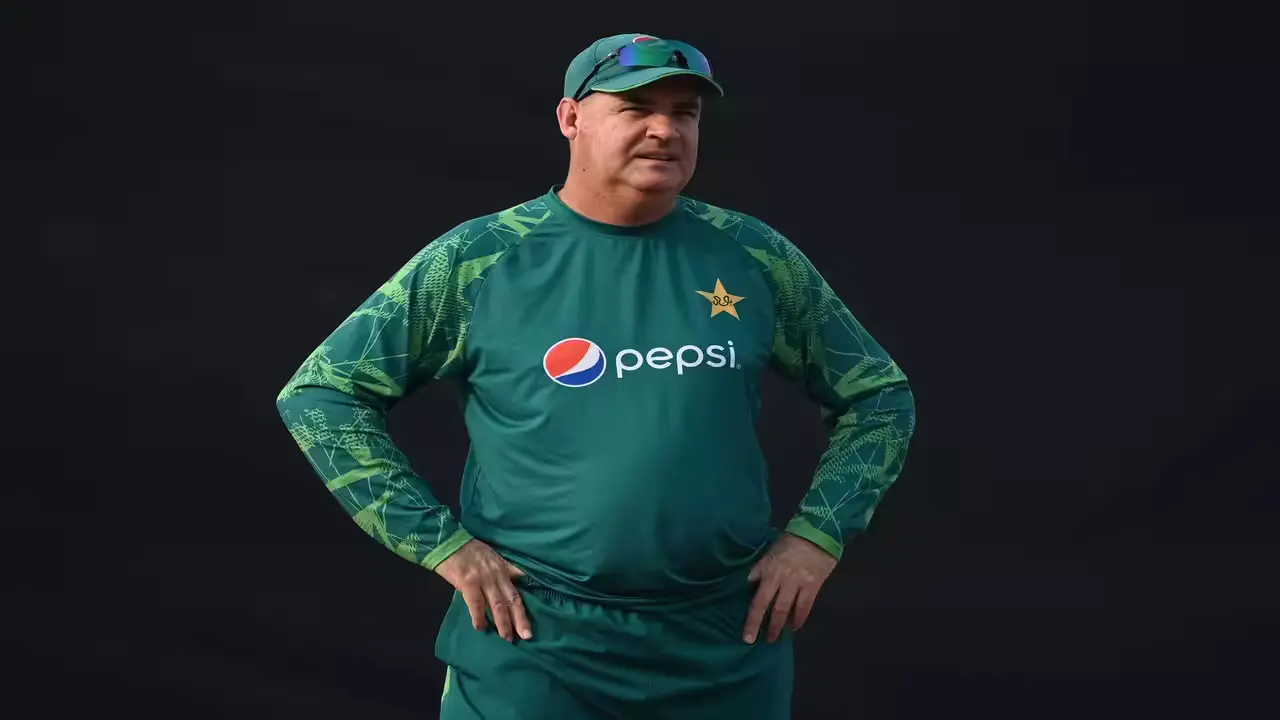
Mickey Arthur, who has previously served as Pakistan’s head coach during two separate tenures, has been outspoken in his criticism of the PCB’s recent decisions. On social media platform X (formerly Twitter), Arthur described the PCB’s frequent chopping and changing of players, coaches, and selectors as “absolutely ridiculous,” warning that such instability is a primary reason for Pakistan’s ongoing struggles.
He emphasized that “planning, stability, and structure lead to consistent performance,” suggesting that the current approach risks further setbacks rather than sustainable progress. His prediction is clear: without a stable framework, Pakistan’s cricketing future remains uncertain, especially in the high-stakes environment of international Test cricket.
The Impact of Instability on Team Performance
Historical data supports Arthur’s prediction—teams that maintain a core group of players and coaching staff tend to perform better over time. Frequent changes often lead to a lack of cohesion, miscommunication, and mental fatigue among players, all factors that can diminish performance, particularly in tough overseas conditions like England’s pitches.
Shoaib Malik’s Perspective: Respect and Responsibility
Criticism of the PCB’s Approach
Former Pakistan captain Shoaib Malik has also voiced concerns about the manner in which players are being dismissed from the squad. Malik pointed out that players who have dedicated years of service to Pakistan deserve respect and dignity in their treatment, criticizing phrases like “sent on the first flight back” as disrespectful and damaging to the players’ morale.
He further argued that accountability should be directed at systemic issues within the cricketing administration, rather than blaming players who are on the bench or have only had limited opportunities. Malik’s prediction for the future underscores the importance of fostering a respectful environment where players feel valued, which in turn can positively influence team performance.
What the Future Holds: Predictions and Recommendations
Analysis of Current Trends
Based on current trends and expert predictions, Pakistan cricket faces a pivotal period. The prediction models for team performance suggest that stability in selection and coaching is the cornerstone of success, especially in the unpredictable conditions of England. The ongoing series serves as a litmus test for Pakistan’s ability to adapt and rebuild amidst chaos.
Strategic Recommendations
To turn their fortunes around, analysts recommend the following strategies:
- Consistent Team Selection: Prioritize stability by selecting a core group of players and avoiding frequent chopping and changing.
- Long-term Coaching Plans: Establish coaching setups with clear, long-term visions to foster player development and team cohesion.
- Respectful Player Management: Emphasize respect and professionalism in handling player transitions to maintain morale and mental resilience.
- Focus on Player Development: Invest in nurturing young talent with proper mentorship and exposure to different playing conditions.
Conclusion: Navigating Uncertainty with Strategic Vision
The recent upheavals within Pakistan cricket highlight the delicate balance between making necessary tactical changes and maintaining a stable environment conducive to success. While the PCB’s decision to overhaul the squad and coaching staff may be driven by the desire to improve results, experts warn that such knee-jerk reactions can prove counterproductive. The prediction for Pakistan’s cricket future hinges on their ability to learn from these challenges, implement strategic stability, and foster a culture of respect and resilience.
As the series progresses, all eyes will be on whether Pakistan can regroup, adapt, and ultimately turn their fortunes around with a more stable approach. The lessons from this turbulent period could shape the future of Pakistani cricket, making it crucial for stakeholders to prioritize long-term planning over short-term fixes.
Final Thoughts
The ongoing debate around the PCB’s latest decisions serves as a reminder that cricket is as much about mental strength and team chemistry as it is about skill and strategy. Prediction models suggest that the teams investing in stability and player development are more likely to succeed in the fiercely competitive landscape of international Test cricket. For Pakistan, the road ahead demands thoughtful leadership, respect for player contributions, and a commitment to building a resilient, cohesive team capable of facing challenges head-on.
Stay tuned for further updates and expert analysis on Pakistan’s cricketing journey as they seek to overcome recent setbacks and restore their reputation on the global stage.
Latest News

Siddhesh Lad to replace Shardul Thakur as Mumbai captain for Ranji Trophy 2026-27

Nahid Rana ruled out of Asian Games 2026; Bangladesh Pacer targets Afghanistan series for comeback
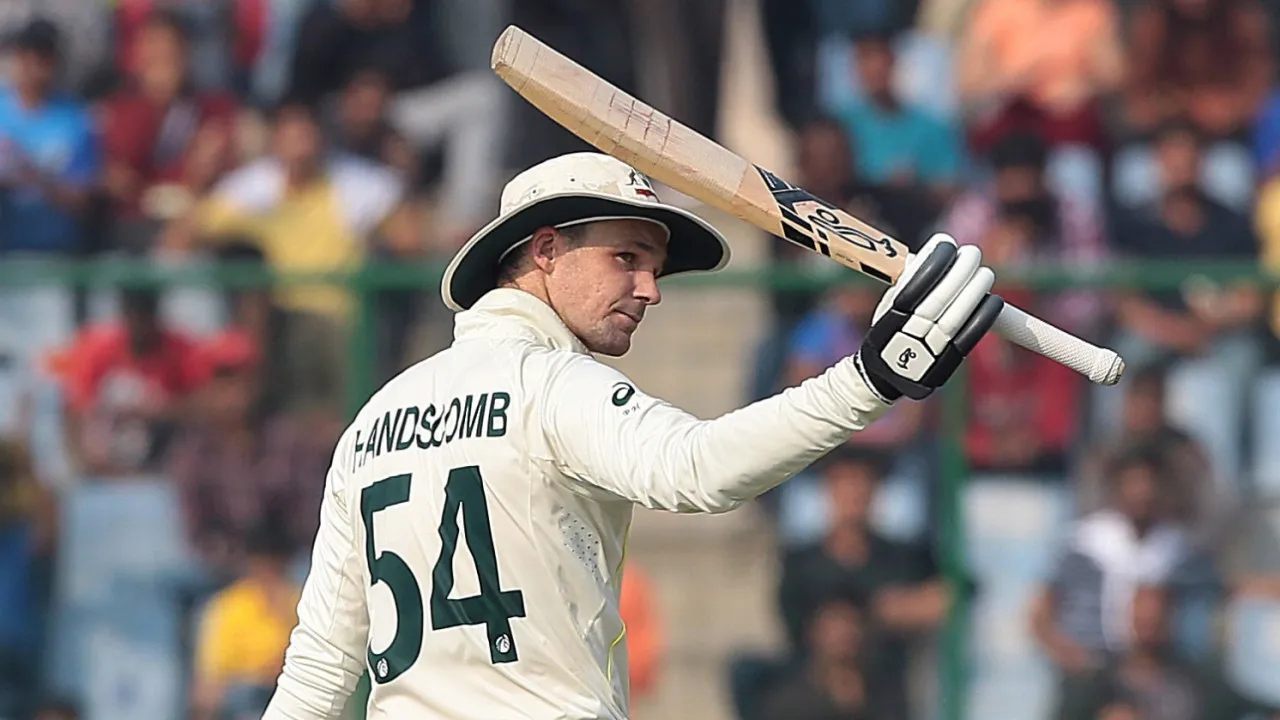
Peter Handscomb included in Australia A squad ahead of Border-Gavaskar Trophy
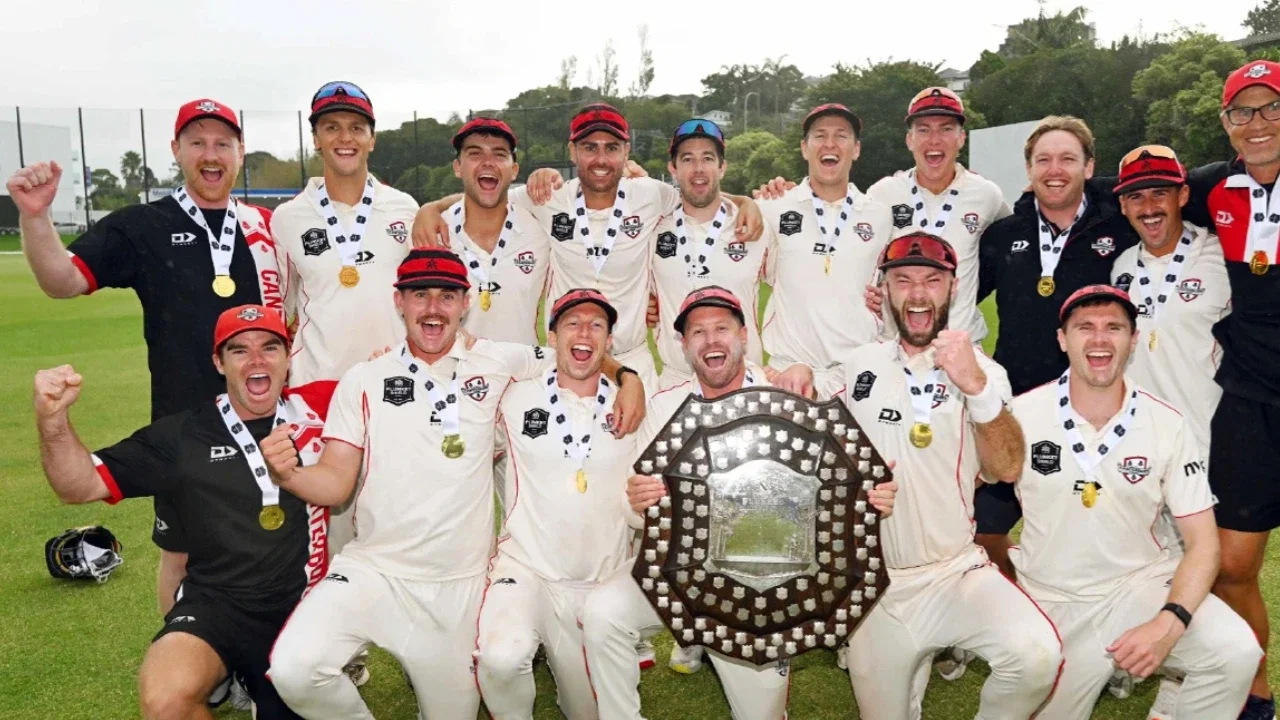
New Zealand Cricket announces 101st Plunket Shield schedule
“Absolutely ridiculous” – Mickey Arthur slams PCB over ‘chop and change’ culture amid England Tests

Glenn Phillips pulls off amazing one-handed catch in CPL 2026 clash
Cheteshwar Pujara names all-time India XI, ignores MS Dhoni, Rohit Sharma and Ajinkya Rahane
Mohammed Shami takes jaw-dropping catch off his own bowling to dismiss Harsh Dubey in Duleep Trophy

Australia announce 17-member ODI squad for Zimbabwe and South Africa; Marnus Labuschagne dropped
Hardik Pandya suffers fresh injury, doubtful for Afghanistan T20Is

Robin Uthappa reveals why Bhuvneshwar Kumar could be India’s secret weapon in 2027 World Cup
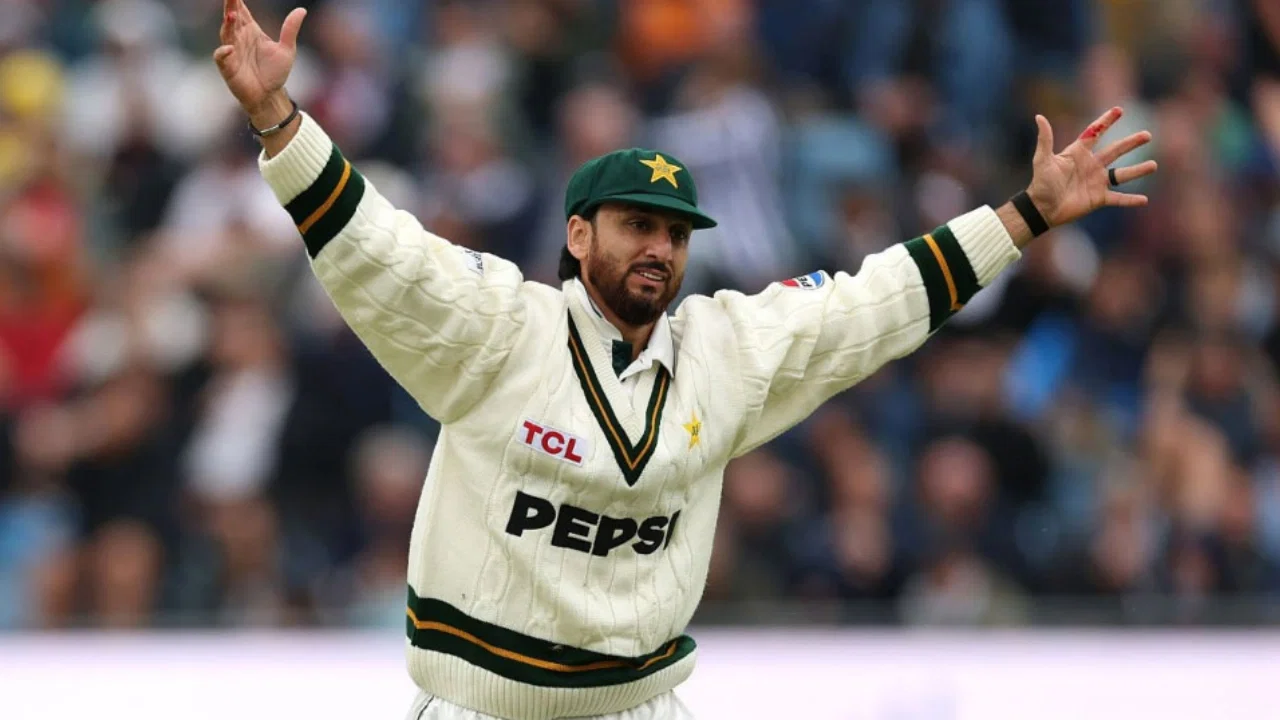
Salman Ali Agha dropped from Pakistan Test squad after England series loss

Ricky Ponting says Marnus Labuschagne’s Test career is finished at 32
Pakistan make massive changes, call-up new stars for Edgbaston Test