Adam Gilchrist breaks silence on Australia’s selection blunders after South Africa Test series defeat

Adam Gilchrist Questions Australia’s Selection Strategy After South Africa Test Defeat
Australia’s disappointing Test series loss to South Africa has renewed debate about the team’s batting order, selection consistency and ability to handle pressure away from home. Former Australia wicketkeeper-batter Adam Gilchrist believes the defeat should prompt a closer look at how the side builds its batting line-up—not simply a review of one decision made during the series decider.
Australia lost the three-match series and surrendered the top position in the ICC World Test Championship (WTC) 2025–27 standings. While captain Pat Cummins’ choice to bowl first in Cape Town attracted scrutiny after the 176-run defeat, Gilchrist argues that the toss was not the central issue. In his view, Australia’s longer-running pattern of changing selections and experimenting with batting roles deserves more attention.
Gilchrist Says the Toss Was Not Australia’s Biggest Mistake
Opting to field first in a Test match can invite criticism, especially when the decision is followed by a loss. But Gilchrist assessed the call in the context of what happened on the opening day, rather than treating it as an automatic error.
Speaking on SEN WA Breakfast, the former Australia star said that taking all 10 opposition wickets on day one could reasonably be viewed as achieving the immediate goal of bowling first. Australia’s eventual defeat, he suggested, cannot be explained by the toss alone. The team had opportunities deeper into the match, making its broader execution and preparation more important areas of discussion.
Gilchrist’s point highlights a familiar challenge in post-match analysis: a high-profile tactical decision can become a convenient explanation for a result, even when the causes are more complex. Pitch conditions, batting partnerships, pressure management and the ability to seize key moments all shape a Test. For Australia, the result has raised questions about whether the team’s batting plans are settled enough to withstand difficult periods.
Changing Roles Have Added to Australia’s Batting Uncertainty
One example Gilchrist pointed to was Steve Smith’s move to the opening position in 2024. Australia shifted Smith to the top of the order to create room for Cameron Green in the middle order, with the team management viewing Green as an important batting option. The trial did not develop as hoped, and Smith later returned to his more familiar position.
Smith’s temporary promotion was not the only selection call to attract attention. Gilchrist’s wider concern is that repeated adjustments can leave players unsure about their roles and make it harder for a stable batting combination to emerge. Experimentation is sometimes necessary, particularly when injuries or form force changes. However, frequent reshuffling can become costly if players do not receive a clear run in positions that suit their strengths.
“There’s just been a whole inconsistency around selection,” Gilchrist said, as reported by SEN WA Breakfast, adding that Australia had often moved away from approaches supported by cricket history. His criticism was not a demand to follow tradition blindly. Rather, it was a call for greater clarity about why decisions are being made and how long players will be given to prove themselves.
Josh Inglis and Nic Maddinson Illustrate the Challenge
Gilchrist also raised the difficulty players can face when they spend time around the national set-up without receiving a consistent opportunity in the Test XI. Josh Inglis, who has been part of Australia’s wider plans for several years, was one example cited in the discussion. Without a defined role and an extended run, it can be difficult for a player to establish confidence at international level.
He also referred to Nic Maddinson when discussing the uncertainty that can arise as selection plans change. Players outside the starting team are affected too: they must prepare for possible opportunities while trying to understand what the selectors value and where they fit into the team’s future plans.
That uncertainty matters beyond individual careers. A settled batting order helps players prepare for specific situations, while clear selection communication can strengthen the competition for places. For Australia, the immediate task is to identify which batters are best suited to each position and give the chosen group enough time to build partnerships and trust.
Australia’s Recent Results Raise Questions About Big-Match Composure
Australia have lost four of their last seven Test matches, a run of results that falls short of the standards expected from one of the world’s leading teams. The figures do not erase the side’s recent achievements, but they underline why the South Africa series has prompted closer examination of its direction.
Gilchrist believes Australia have struggled to manage important moments, particularly on overseas tours. Test cricket often turns on short passages of play: a lower-order stand, a missed chance, or a batting collapse can shift the balance of a match. A team with a dependable batting structure is better placed to respond when conditions become challenging.
Australia’s next major long-term challenges include tours of India and England in 2027. Those assignments will test the side’s adaptability, technical preparation and ability to perform in very different conditions. The best prediction for Australia’s prospects on those tours will depend not only on the quality of its players, but also on whether the team can establish a reliable batting core well beforehand.
Gilchrist Defends Australia’s Experienced Bowling Group
Although Australia’s bowling unit has also faced questions, Gilchrist is not calling for an immediate overhaul of the senior attack. He noted that the experienced fast bowlers have continued to play an important role and questioned whether any of the leading quicks had yet reached a point where their careers should be ended.
Spinner Nathan Lyon had a quieter series in South Africa than the hosts’ Simon Harmer, but Gilchrist’s comments suggest that one difficult tour should not automatically erase the value of an established player. Conditions, opposition strengths and the demands of a particular series can all influence a bowler’s impact. Selection decisions, he implied, should consider the full body of work rather than focus on a single result.
Instead, Gilchrist sees the batting group as the more urgent area for long-term planning. Australia’s experienced bowlers may not be available indefinitely, so the team has a valuable window to develop younger batters and settle the roles around them while the attack remains strong.
Australia’s Key Task: Settle the Batting Plan
Gilchrist’s central message is that Australia must be more decisive about its future batting combination. That does not necessarily mean abandoning every experiment or making sweeping changes after one series. It means setting clear expectations, selecting players for defined roles and allowing them enough time to show what they can do.
With the WTC campaign continuing and major overseas tours on the horizon, Australia cannot afford to treat each series as an isolated problem. The South Africa defeat has exposed questions that have been developing over time: who should open, how the middle order should be structured and how consistently players will be backed.
For a team aiming to remain among the world’s best, answering those questions could matter more than revisiting the decision to bowl first in Cape Town. A stable batting plan, paired with the continued strength of the senior bowling attack, would give Australia a clearer foundation—and a stronger chance of responding when its next major Test challenge arrives.
Latest News

Rishabh Pant gets another chance to prove fitness ahead of New Zealand Tests
Gautam Gambhir praises T20I team’s effort but warns players against complacency before IND vs NZ ODIs

Hanuma Vihari reveals Sanju Samson’s technical flaw after India’s crushing defeat in Hamilton
India A squad for Rising Stars Asia Cup: Rajat Patidar gets leadership, Rinku Singh returns

Kris Srikkanth questions India’s treatment of Vaibhav Sooryavanshi, issues warning to selectors
Vijay Shankar, KS Bharat and Ashwin register for Afghanistan Premier League draft

Marnus Labuschagne’s Test future in danger as Andrew McDonald confirms selection review
Mohammad Amir enters Afghanistan Premier League draft using British citizenship
Adam Gilchrist breaks silence on Australia’s selection blunders after South Africa Test series defeat

Tony de Zorzi returns as South Africa announce squad for Bangladesh Tests
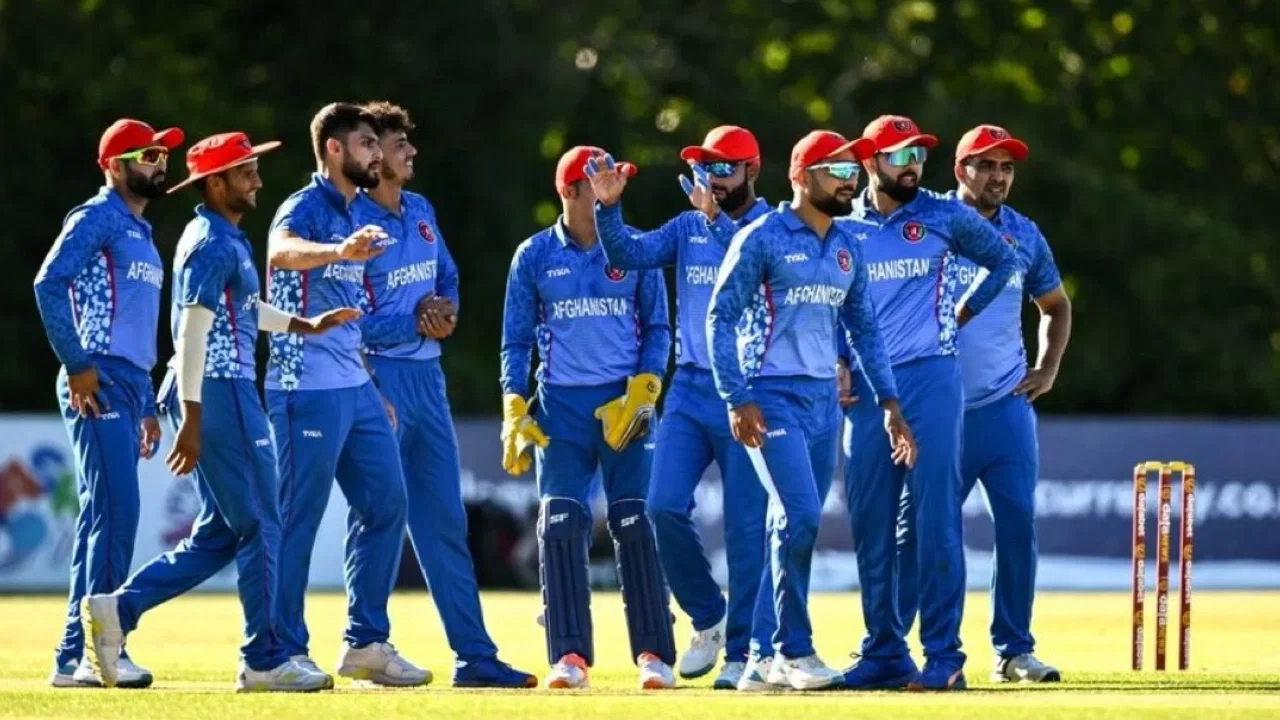
Afghanistan reach career-best sixth place in ICC ODI rankings after overtaking Sri Lanka
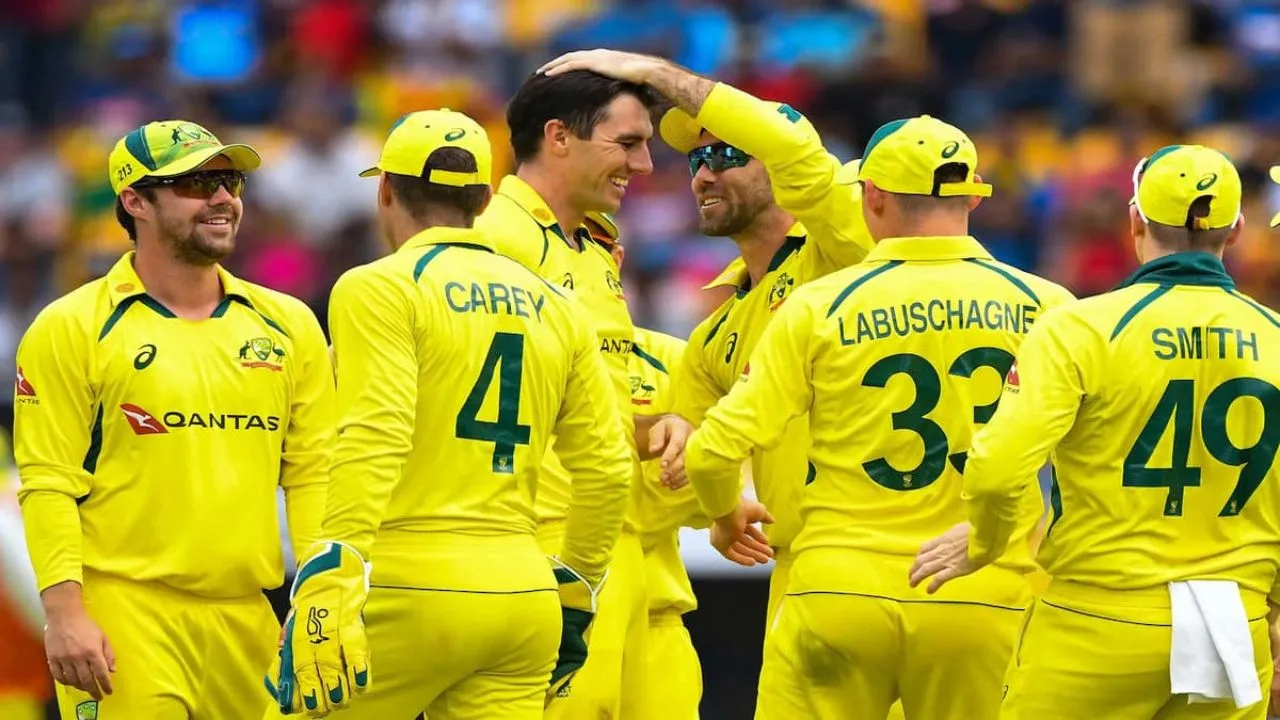
Cricket Australia name squads for England series; Pat Cummins, Mitchell Starc and Josh Hazlewood rested

IPL 2027: Prashant Veer, Kartik Sharma’s CSK futures in doubt despite ₹14.2 crore price tag
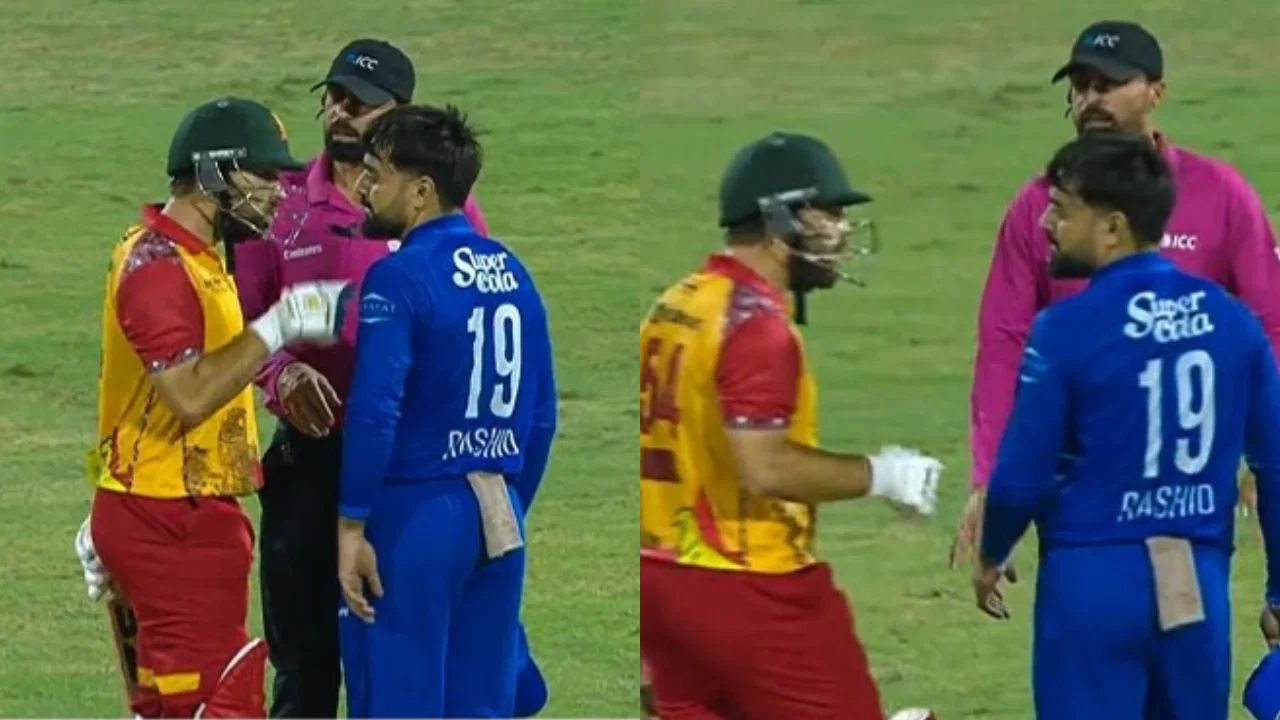
Watch: Rashid Khan and Ryan Burl involved in lengthy and heated altercation in AFG vs ZIM 3rd T20I