Watch: Rashid Khan and Ryan Burl involved in lengthy and heated altercation in AFG vs ZIM 3rd T20I
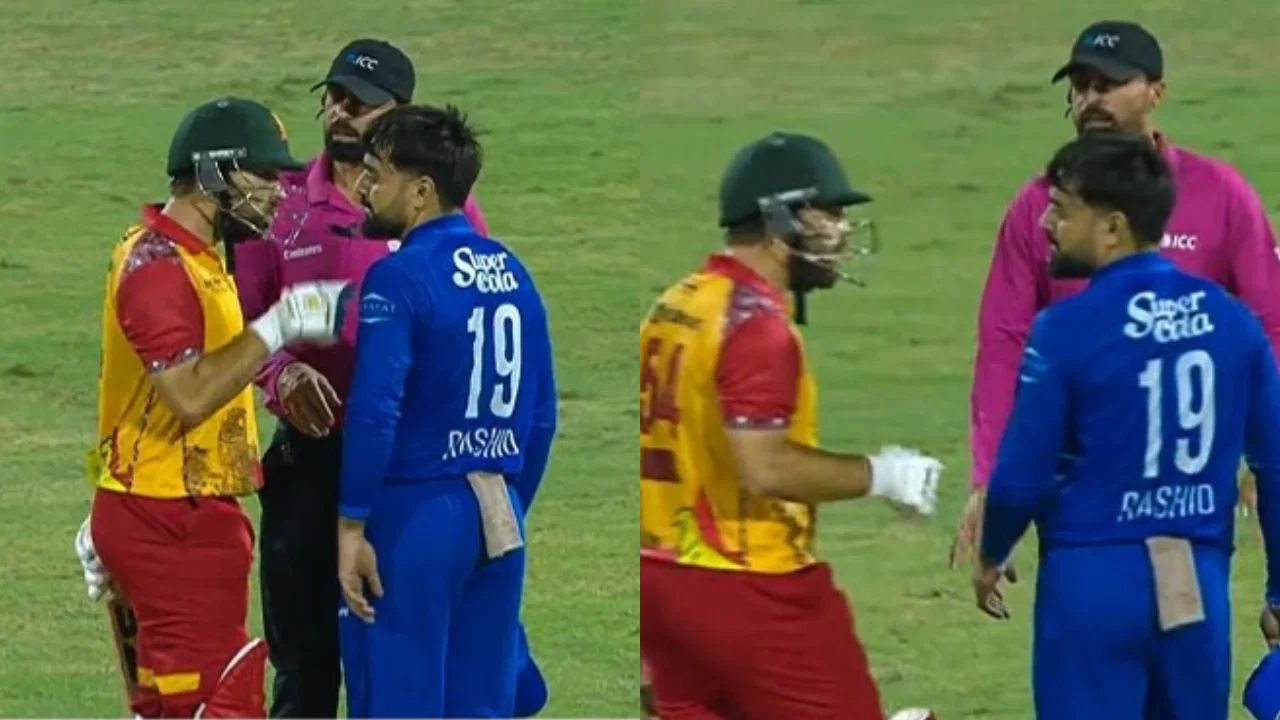
Rashid Khan and Ryan Burl’s Sharjah Exchange Ends With a Flying Kiss as Afghanistan Sweep Zimbabwe
Afghanistan completed a commanding 3-0 T20I series whitewash over Zimbabwe with a seven-wicket win at Sharjah Cricket Stadium on Sunday, November 1. The match was over almost as quickly as the on-field tension that briefly flared between Afghanistan captain Rashid Khan and Zimbabwe batter Ryan Burl: after a disputed LBW appeal and an animated exchange, Rashid later blew Burl a flying kiss from the field, giving the contest an unexpectedly light-hearted finish.
The result was built on a ruthless bowling performance. Zimbabwe were dismissed for 79 in 14.3 overs, with left-arm wrist-spinner Noor Ahmad claiming a career-best five-wicket haul. Afghanistan then reached their target in just 49 balls, recording their second-biggest T20I victory by balls remaining and extending a remarkable run of 22 wins in their last 24 matches in the format.
Rashid Khan and Ryan Burl Clash After LBW Appeal
The flashpoint came when Burl attempted a reverse sweep against Rashid. The ball struck the Zimbabwean batter in front of the stumps, prompting an emphatic LBW appeal, but the on-field umpire ruled him not out. With no Decision Review System (DRS) available for the series, Afghanistan had no way to challenge the call.
Rashid appeared frustrated by the decision. A few deliveries later, he and Burl exchanged words in the middle of the pitch, and the disagreement became heated enough for umpire Ahmad Shah Pakteen to intervene. The discussion continued after the over, bringing the other on-field umpire, Farooq Khan, across to separate the players once more.
Such moments can quickly become a talking point in a close match, but this was a contest Afghanistan were already controlling. Burl had been one of Zimbabwe’s few batters to offer resistance, and his wicket mattered to a side struggling to recover from an early collapse.
Flying Kiss Turns Tension Into a Viral Moment
The confrontation took a surprising turn after Burl was dismissed. As the batter sat in the dugout, Rashid blew a flying kiss in his direction. The gesture appeared to ease the mood, and clips of the exchange quickly circulated on social media, where fans debated whether it was a playful response, a sign of respect or both.
Burl’s dismissal came in the following over, when Afghanistan debutant Abdullah Ahmadzai trapped him LBW. Replays appeared to suggest the delivery may have been sliding down the leg side, adding another layer of discussion to an innings already marked by a contentious appeal. Burl finished with 30 from 29 balls, including five boundaries, and was Zimbabwe’s top scorer. Wessly Madhevere was the only other batter to reach double figures, making 10.
The exchange offered a memorable human moment in a match dominated by Afghanistan’s bowling. It also illustrated how quickly the temperature of a cricket contest can change—from an argument over an umpiring call to a gesture that appeared to signal the rivalry had been set aside.
Noor Ahmad’s Five-Wicket Haul Dismantles Zimbabwe
Zimbabwe’s innings began badly on a Sharjah surface that offered assistance to the new-ball bowlers. Fazalhaq Farooqi struck in the first over, removing Innocent Kaia, before Azmatullah Omarzai dismissed Brian Bennett in the next. At 8 for 2, Zimbabwe were immediately under pressure.
Sikandar Raza tried to counterattack, but his innings ended when he miscued a shot off debutant Abdullah Tarakhail and was caught at mid-off. Tarakhail claimed his maiden international wicket with only his second delivery, giving Afghanistan an early breakthrough that further restricted Zimbabwe’s options.
Noor then took control. The left-arm wrist-spinner found sharp turn and variation, making it difficult for the batters to settle or judge the pace of the ball. His most destructive passage came in the 11th over, when he took three wickets in four deliveries. He later removed two more batters across his next two overs to complete figures of 5 for 13 from 3.3 overs.
It was Noor’s first five-wicket haul in international cricket and another impressive performance against Zimbabwe. He now has nine wickets against them at an average of 5.66; his previous best figures, 4 for 10, also came against Zimbabwe in Harare in 2022. The visitors were bowled out for 79, their second-lowest total in T20Is.
Afghanistan Chase Quickly to Complete the Whitewash
Afghanistan’s batting response was brief, though not entirely without setbacks. The hosts had lost early wickets in the powerplay during the first two matches and were looking for a more assured start in the finale. With Rahmanullah Gurbaz absent, Mohammad Akram was promoted to open and struck three consecutive boundaries before falling in the first over.
Zimbabwe added two more wickets in the fifth over through Ernest Masuku, but the target was small enough to keep Afghanistan in control. Sediqullah Atal supplied the key momentum with a boundary-filled innings, steadily reducing the runs required and leaving the chase within reach.
Omarzai finished the job in emphatic fashion, launching Vincent Masekesa for a six as Afghanistan reached 80 in just 49 balls. The seven-wicket victory sealed the series sweep and underlined the gap between the teams across the three matches.
What the Result Means for Afghanistan
Beyond the viral Rashid-Burl moment, the match offered a clear indication of Afghanistan’s strengths in T20 cricket: a bowling attack capable of exploiting helpful conditions, a deep supply of spin options and a batting lineup able to finish a chase rapidly when the target is modest. Noor’s five-for was the standout individual performance, while the contributions from Afghanistan’s pace bowlers ensured Zimbabwe had little chance to build a partnership.
For Zimbabwe, Burl’s 30 was a rare bright spot in an innings where wickets fell too frequently to establish a recovery. The series also highlighted the importance of handling the powerplay against Afghanistan’s attack. Losing two wickets for eight runs left the visitors with too much work to do, even before Noor began his decisive spell.
Any prediction about Afghanistan’s next T20I challenge will depend on the opposition and conditions, but this series provided a strong reminder of the team’s potential when its bowlers strike early. The final match will be remembered for Noor Ahmad’s maiden five-wicket haul, Afghanistan’s swift chase and, perhaps most unexpectedly, Rashid Khan’s flying kiss that transformed a heated exchange into one of Sharjah’s most talked-about moments.
Latest News
Rishabh Pant gets another chance to prove fitness ahead of New Zealand Tests
Gautam Gambhir praises T20I team’s effort but warns players against complacency before IND vs NZ ODIs
Hanuma Vihari reveals Sanju Samson’s technical flaw after India’s crushing defeat in Hamilton
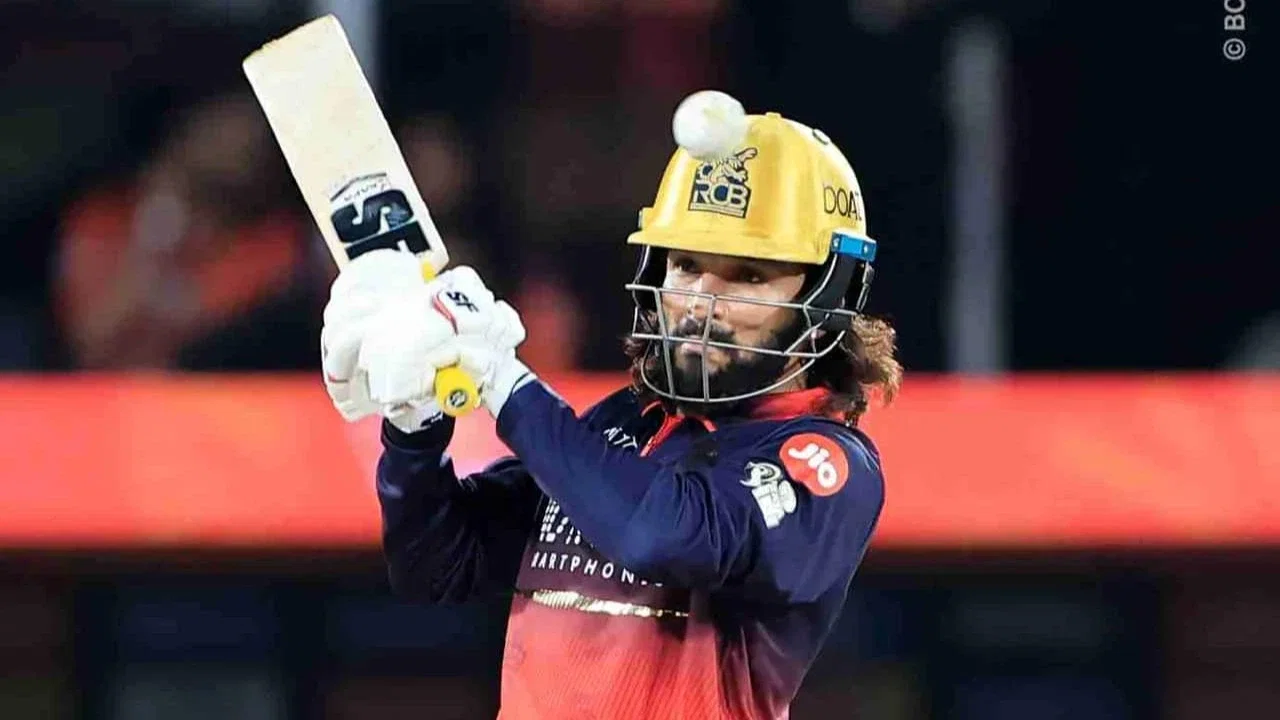
India A squad for Rising Stars Asia Cup: Rajat Patidar gets leadership, Rinku Singh returns

Kris Srikkanth questions India’s treatment of Vaibhav Sooryavanshi, issues warning to selectors

Vijay Shankar, KS Bharat and Ashwin register for Afghanistan Premier League draft

Marnus Labuschagne’s Test future in danger as Andrew McDonald confirms selection review
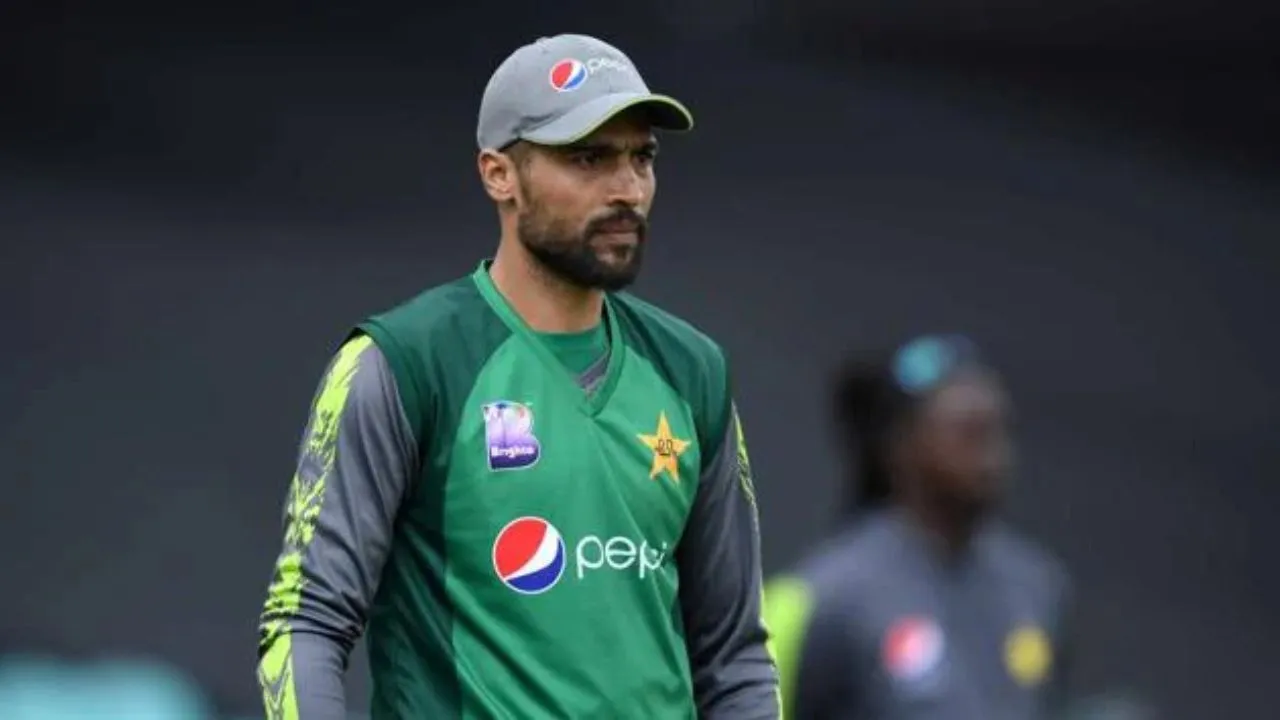
Mohammad Amir enters Afghanistan Premier League draft using British citizenship

Adam Gilchrist breaks silence on Australia’s selection blunders after South Africa Test series defeat

Tony de Zorzi returns as South Africa announce squad for Bangladesh Tests
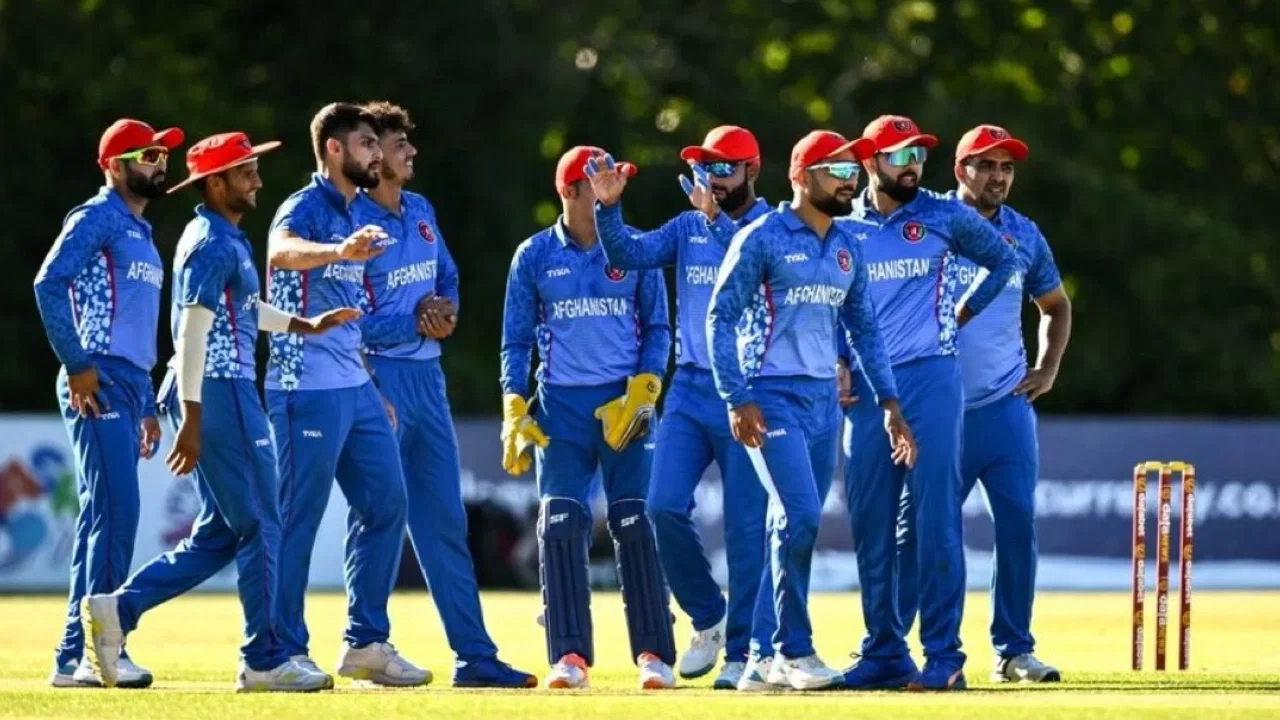
Afghanistan reach career-best sixth place in ICC ODI rankings after overtaking Sri Lanka
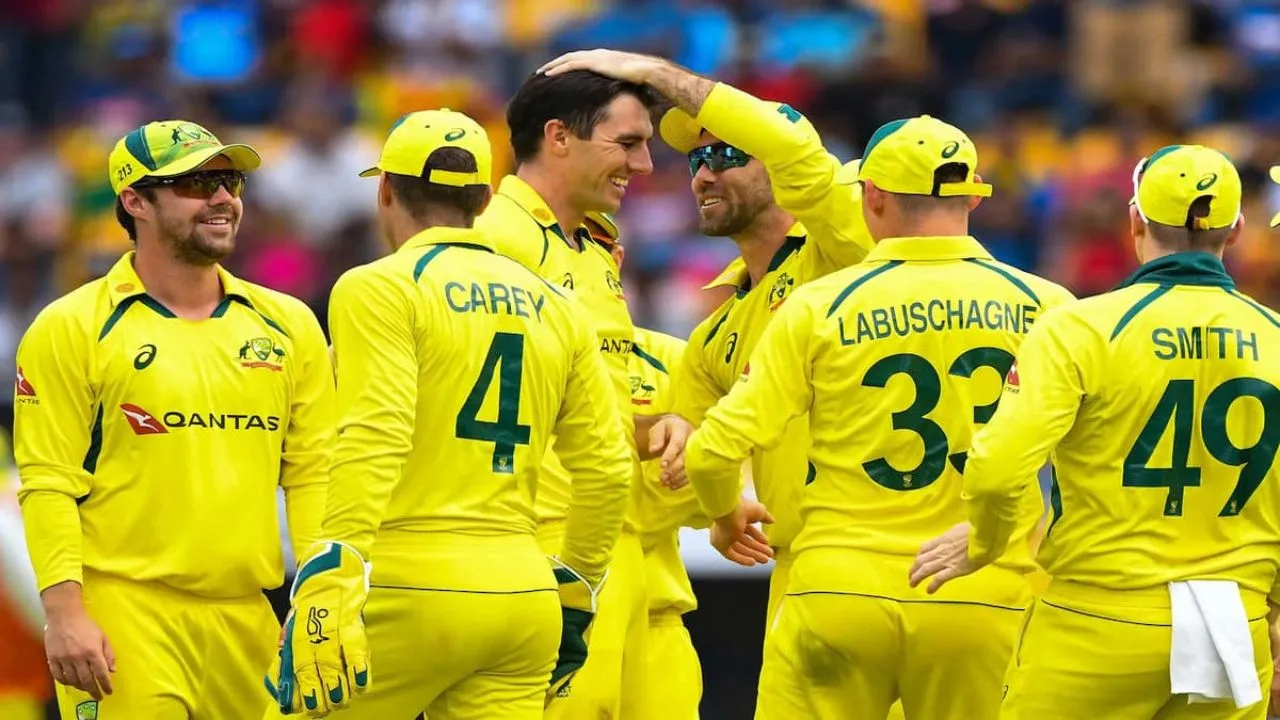
Cricket Australia name squads for England series; Pat Cummins, Mitchell Starc and Josh Hazlewood rested

IPL 2027: Prashant Veer, Kartik Sharma’s CSK futures in doubt despite ₹14.2 crore price tag
Watch: Rashid Khan and Ryan Burl involved in lengthy and heated altercation in AFG vs ZIM 3rd T20I