Hanuma Vihari reveals Sanju Samson’s technical flaw after India’s crushing defeat in Hamilton
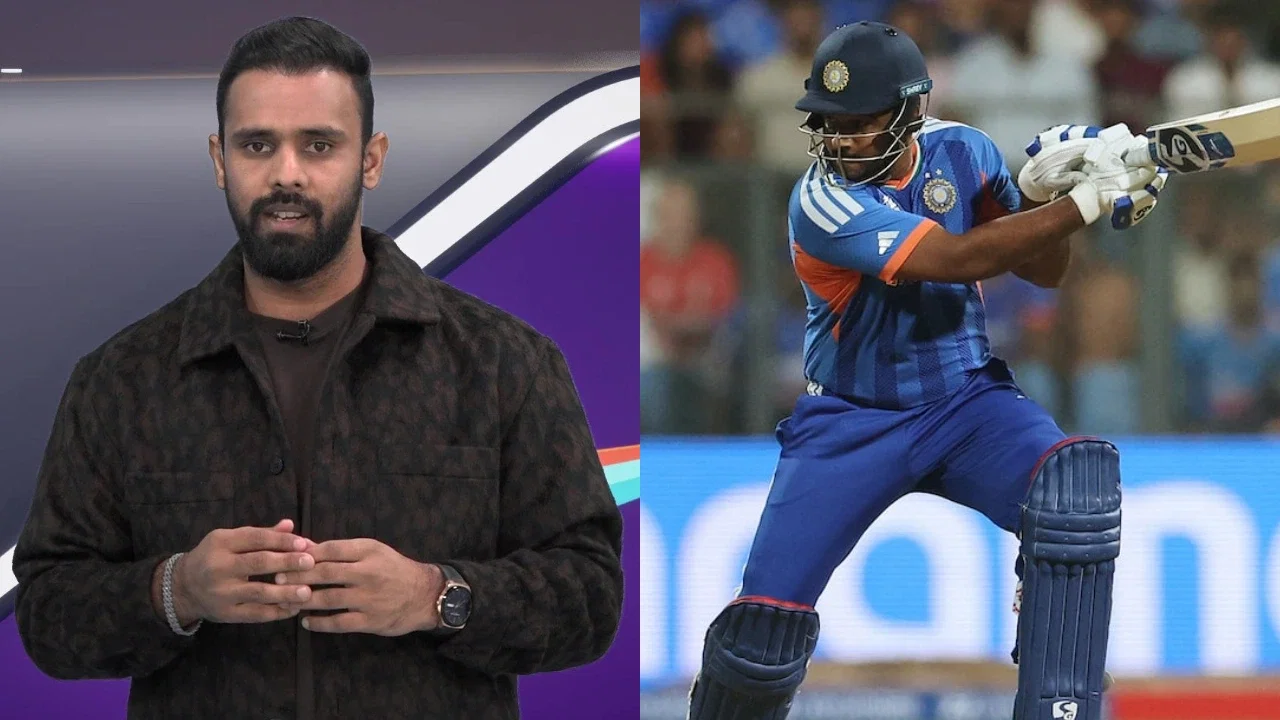
Hanuma Vihari Questions Sanju Samson’s Technique After India’s T20I Defeat to New Zealand
Former India batter Hanuma Vihari has highlighted technical concerns in Sanju Samson’s batting after India suffered a seven-wicket defeat to New Zealand in the fifth and final T20I. India still claimed the five-match series 3-2, but the result—and Samson’s inconsistent run—has prompted discussion about how the wicketkeeper-batter handles swing bowling.
Samson scored 107 runs across five innings, averaging 21.40 at a strike rate of 142.66. His series included one half-century, but he was unable to produce regular contributions. Vihari believes the conditions in Hamilton made batting challenging, while also arguing that Samson’s approach left him vulnerable against deliveries moving away from the pitch.
Vihari’s assessment of Samson against swing
Speaking on his YouTube channel, Vihari said the toss had a significant influence on the final match. With the ball moving early, India’s top order faced a demanding start, particularly against New Zealand’s pace attack. Adam Milne made effective use of the conditions, with the breeze at Hamilton helping the ball swing during the opening overs.
Vihari felt Abhishek Sharma was too eager to attack before getting properly set. The opener mistimed his shot, striking the bottom of the bat, and could not turn his start into a substantial innings. Vihari described it as an unusual failure for a batter who had otherwise offered India an attacking option during the series.
His concern about Samson centred on the batter’s position in the crease. Vihari said Samson often stands deep and waits for the ball to reach him. That approach can work when the delivery is coming on predictably, but it may become risky when the ball is swinging. In Vihari’s view, Samson should have resisted playing across the line against a moving delivery and prioritised a more cautious response.
The technical point is relevant beyond one dismissal: when the ball is moving, a batter’s position, balance and decision-making can determine whether an attacking shot is safe. Playing across the line increases the chance of missing the ball or making poor contact, especially before the batter has adjusted to the conditions. Vihari’s comments therefore raise a question for Samson’s future T20I performances: how can he preserve his natural aggression while managing early movement more carefully?
Samson’s series numbers underline the inconsistency
Samson’s overall figures show a mixed campaign. A strike rate of 142.66 suggests he remained capable of scoring quickly, but his average of 21.40 reflects a lack of sustained impact across the five matches. For a top-order batter, one half-century is a promising contribution, yet India would ideally want more frequent starts that develop into decisive innings.
Those numbers should be viewed in context. Conditions, opposition plans and batting position can all shape a player’s output, and a short series offers limited time to make adjustments. At the same time, consistency is particularly important in T20 cricket, where a few early wickets can force the middle order to rebuild rather than attack. Samson’s next opportunities will provide a chance to show whether he can adapt his method against movement without losing the intent that makes him an attacking option.
Varun Chakravarthy’s difficult final outing
Vihari also discussed India’s bowling combination and Varun Chakravarthy’s return to the playing XI for the series finale. The spinner took one wicket but conceded 45 runs from his four overs. According to Vihari, Chakravarthy began reasonably well, but New Zealand batter Glenn Phillips later put him under pressure.
The pitch was another factor. Vihari noted that Hamilton was not offering much turn, limiting the assistance available to a spinner. When the surface provides little grip, a bowler has less margin for error, while a batter can attack more confidently if the ball comes on steadily. Chakravarthy’s figures, therefore, reflected both the challenge posed by Phillips and the conditions on the day.
For India, the match offers a useful reminder that bowling plans need to account for how a surface is behaving, not just the strengths of the selected attack. A spinner may need to vary pace and trajectory or use the crease differently when turn is scarce. The series defeat in the final game does not erase India’s overall 3-2 win, but it gives the team areas to review before its next assignment.
Vihari identifies positives from India’s campaign
Despite the disappointing finish, Vihari pointed to several encouraging performances across the last two T20Is and the broader series. He praised Abhishek Sharma’s contribution, while identifying Shreyas Iyer as another batter who impressed. Tilak Varma earned particular recognition for handling pressure, a quality that can be valuable when a T20 innings is disrupted by early wickets.
Vihari also highlighted Naman Dhir and described Nitish Kumar Reddy’s series as decent, while stopping short of calling it outstanding. Among the bowlers, he felt Prince and Mayank showed promise, and said Arshdeep Singh had delivered useful spells in patches. Vaibhav’s 40 in one match also caught his attention. Vihari’s view was that the youngster is progressing and deserves patience as he gains experience.
That assessment points to a broader takeaway for India: a series can produce both immediate results and longer-term selection information. Established players such as Samson will be judged on their ability to turn potential into consistent runs, while emerging names can strengthen their case by making the most of limited chances. For India’s team management, balancing those demands will be important as the focus shifts from T20 cricket to the next stage of the international schedule.
What the result means for India
India’s 3-2 series victory remains a positive outcome, even though New Zealand finished strongly with wins in the final two matches. The closing defeat exposed technical and tactical questions, including how India’s batters respond to early swing and how its bowling attack adapts when the pitch offers little assistance.
Vihari’s prediction is not a verdict on Samson’s ability, but a call for greater awareness in challenging conditions. If Samson can make small adjustments—particularly in his positioning and shot selection against moving deliveries—he may be better equipped to convert starts into match-shaping innings. With promising contributions from several younger players, India have reasons for optimism, alongside clear lessons to carry into their upcoming fixtures.
Latest News

Rishabh Pant gets another chance to prove fitness ahead of New Zealand Tests
Gautam Gambhir praises T20I team’s effort but warns players against complacency before IND vs NZ ODIs
Hanuma Vihari reveals Sanju Samson’s technical flaw after India’s crushing defeat in Hamilton
India A squad for Rising Stars Asia Cup: Rajat Patidar gets leadership, Rinku Singh returns
Kris Srikkanth questions India’s treatment of Vaibhav Sooryavanshi, issues warning to selectors
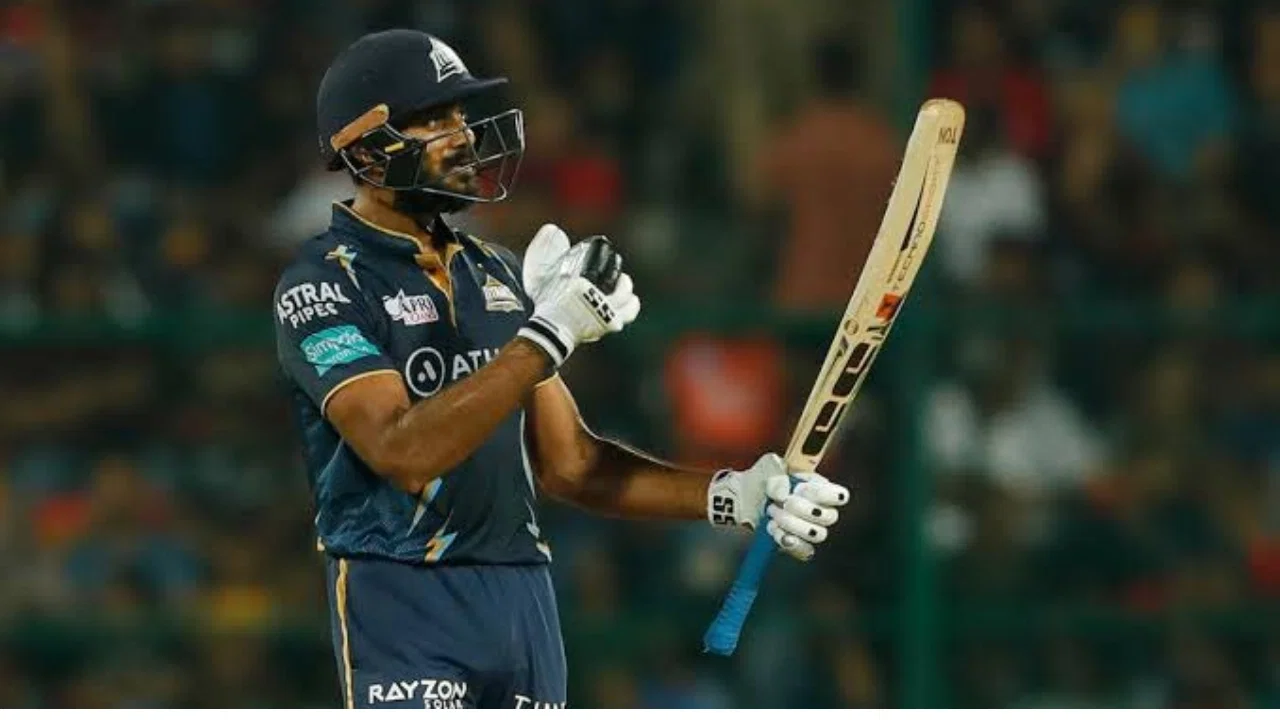
Vijay Shankar, KS Bharat and Ashwin register for Afghanistan Premier League draft

Marnus Labuschagne’s Test future in danger as Andrew McDonald confirms selection review
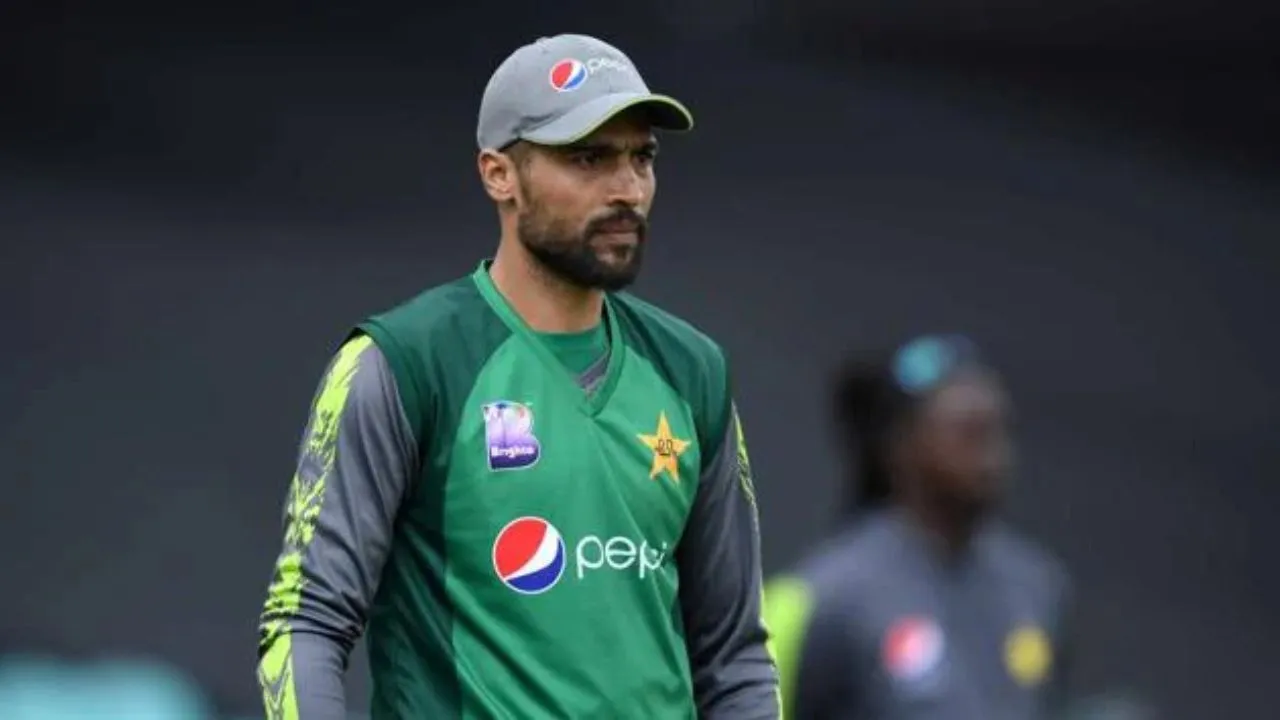
Mohammad Amir enters Afghanistan Premier League draft using British citizenship

Adam Gilchrist breaks silence on Australia’s selection blunders after South Africa Test series defeat

Tony de Zorzi returns as South Africa announce squad for Bangladesh Tests
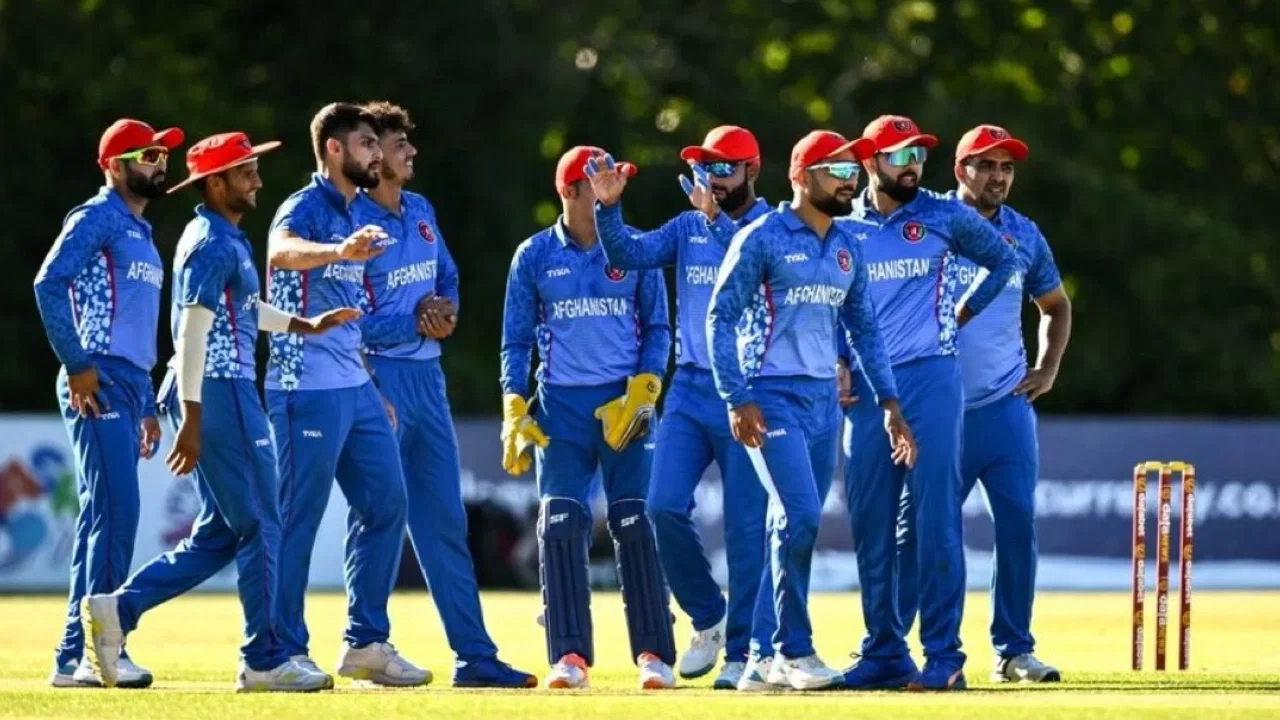
Afghanistan reach career-best sixth place in ICC ODI rankings after overtaking Sri Lanka
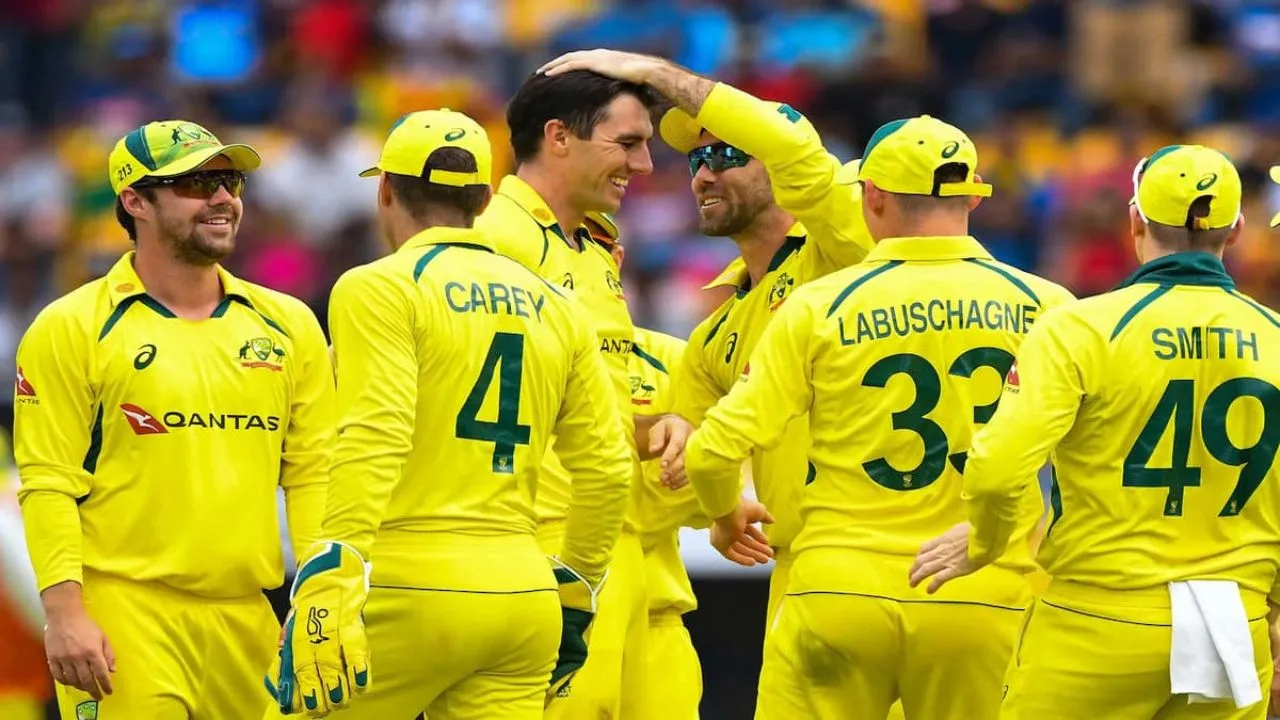
Cricket Australia name squads for England series; Pat Cummins, Mitchell Starc and Josh Hazlewood rested

IPL 2027: Prashant Veer, Kartik Sharma’s CSK futures in doubt despite ₹14.2 crore price tag

Watch: Rashid Khan and Ryan Burl involved in lengthy and heated altercation in AFG vs ZIM 3rd T20I